• home
  • index of films
    • index of films featuring maps
    • index of films featuring photography
    • bibliography
  • blogs
    • maps in films
    • choses vues - things seen
    • l'Escalographe
    • the BlowUp moment
  • how to map a film
    • the first maps >
      • Some Maps in Gance's Napoléon
  • Paris
    • 1890s-1909 >
      • firemen in Paris, 1896
      • La Villette c.1896-97
      • Hatot-Breteau 1897
      • Place de l'Opéra
      • Paris 1900
      • French Cancan >
        • the real Paquerette >
          • Paquerettes
      • Alice Guy - Paris locations >
        • Alice Guy in the brothel ...
      • a dangerous street corner
      • Capellani in Paris
      • La Fille du faux-monnayeur
    • 1910-1929 >
      • a gateway out of Paris c.1910
      • L'Enfant de Paris (narrative of an identification)
      • Fantomas Over Paris: episode 1 >
        • Fantomas Over Paris: episode 2 >
          • Fantomas Over Paris: episode 3 >
            • Fantomas Over Paris: episode 4 >
              • Fantomas Over Belgium
      • One Place, Three Films: Fantomas and the French New Wave
      • a staircase in Belleville
      • Vampires Over Paris >
        • Les Vampires 1
        • Les Vampires 2
        • Les Vampires 3
        • Les Vampires 4
        • Les Vampires 5
        • Les Vampires 6
        • Les Vampires, 7
        • Les Vampires 8
        • Les Vampires 9
        • Les Vampires 10
      • Irma Vep posts a letter
      • Inside-Outside: space and light in Judex
      • L'Affaire Barsac
      • neon Paris c.1913
      • electric nights in Paris (and Berlin)
    • 1930-1959 >
      • Quai des Orfèvres
      • Olivia - Audry - 1951
      • Paris Noir: Becker, Dassin, Melville
      • the persistence of graffiti: Paris c.1952
      • Du rififi chez les hommes - reading topotropically >
        • Du rififi chez les hommes - locations identified
      • Het Parijs van Le Ballon rouge
    • the New Wave and after >
      • New Wave places >
        • New Wave Paris >
          • New Wave Newness: architecture in Paris
          • Eric Rohmer in the rue de la Huchette, c.1956
          • Les 400 coups: Paris locations >
            • Baisers volés
          • 'New York Herald Tribune' - Parrish and Godard on the rue de Berri >
            • A bout de souffle (narrative of an identification)
          • the Grisbi connection: Chabrol and Becker
          • Les Bonnes Femmes: sequence by sequence
          • Une femme est une femme: the places documented
          • the boulevard des Italiens
          • Jules et Jim: Paris configured
          • the place of cinema: cinema as location in Vivre sa vie
          • Godard and Melville: the view from the rue Jenner >
            • Melville: more views from the rue Jenner
          • the New Wave in Pigalle c.1963
          • La Peau douce - displaced places
          • Le Bonheur 1965
          • Paris vu par
          • Masculin Féminin
          • The Topography of La Guerre est finie
        • France
      • Le Samourai: places and maps >
        • Un flic: art and artifice
      • Bresson in Paris - Pickpocket
      • Bresson 69-71
      • Every Revolution
      • statues in Godard and Duras
      • Holy Motors >
        • Holy Motors - notes
    • banlieues >
      • Le Canal de Ourcq
      • Ville d'Avray en 1903
      • Three filmmakers in Romainville
      • filmmaking in the Fontainebleau forest
      • Feuillade's lonely villas
      • anarchists in the suburbs c.1912
      • One Church Two Cemeteries: Clouzot and Chabrol at Montfort L'Amaury
      • Feuilladian Franju - Les Yeux sans visage
      • country houses and suburban villas
      • banlieue locations in L'Amour existe
      • the Landru Villa
      • 1 place 2 filmmakers: Rivette & Chabrol in Ermenonville
      • Céline et Julie: what's the address of that house?
      • cinemas in La Petite Voleuse
    • The Stairs: Paris
  • London
    • 1890s-1920s >
      • Lumiere London >
        • Lumière London, bis
      • Robert Paul in London: tour guide and film maker
      • Ultus in Isleworth
      • Cocaine 1922
      • Fu Manchu 1923
    • London Locations >
      • Piccadilly Circus >
        • Piccadilly Circus in films
        • Piccadilly Circus in art
        • Piccadilly Circus in postcards
        • Piccadilly Circus photographed
        • Piccadilly Circus: invisible things
      • Muswell Hill
      • the Arsenal Stadium mysteries
      • Brentford streets on screen
    • the locality of London studios >
      • Early Ealing
      • straight out of Whetstone
      • Walthamstow's studios
    • Sherlock Holmes >
      • some Baker Street irregularities
      • an American Sherlock in London
    • Sojourners + Cosmopolitans >
      • London in French Film >
        • Rififi in London
        • London in London River
      • maps in krimis
      • Kriminal (1966)
      • Kaurismaki's London c. 1989
    • places in Face
  • Geneva
    • Swiss New Wave - shared-world practice
    • Geneva in Swiss New Wave films >
      • SNW Geneva: collective housing
      • SNW Geneva: villas
      • SNW Geneva: bowlings + piscines
    • The Chronology of Le Petit Soldat
    • La Lune avec les dents (Michel Soutter 1966)
    • L'Inconnu de Shandigor (J.-L. Roy 1967)
  • signage, etc.
  • studios, etc.
    • Eclair
    • Eclipse
    • Gaumont >
      • Cité Elgé locations
    • Lumière
    • Lux
    • Pathé >
      • Where's Max >
        • when Harry met Max, and where
        • Max takes the train
      • Bébé victime d'une erreur...
      • Montreuil in Pathe films
      • Pathé police stations
      • Pathé filmmaking in Nice c. 1908
    • studios & the local >
      • Ealing >
        • Kind Hearts and Coronets: suburbia and other places
        • the view from Ealing
  • my local filmmaker
    • The Unfortunate Policeman >
      • Buy Your Own Cherries >
        • The Medium Exposed >
          • The ? Motorist >
            • The Fatal Hand >
              • A Little Bit of Cloth
              • Blind Man's Bluff >
                • Bill Sikes Up-To-Date
    • Walter Booth in Muswell Hill
  • my local cinemas
  • favourites
    • Agnès Varda >
      • Cleo 5-7 - Time
      • Sans toit ni loi >
        • Sans toit ni loi - the 12 tracking shots
        • Mona's postcard collection
    • Alice Guy >
      • Alice Guy + JLG
    • Chris Marker
    • Jacques Rivette >
      • a map of Out 1
      • Le Pont du Nord: locations identified >
        • topographical telescoping in Le Pont du Nord
        • Le Pont du Nord (narrative of an identification)
    • J.-L. Godard >
      • Godardiana
      • A bout de souffle: footnotes to the film >
        • A bout de souffle - the cast list
        • A bout de souffle in colour
      • photographs in Le Petit Soldat
      • Bande à part
      • Paintings in Pierrot le fou
      • sculptures in Made in USA
      • Les Fins de Godard
      • Week End - time, place and cars
      • Bukowski in Sauve qui peut (la vie)
      • Life magazine + Hdc
    • J.-P. Melville
    • Louis Feuillade
    • Max Linder
    • Robert Paul
  • cine-tourists
    • a German tourist in Paris: Le Silence de la mer
    • an American tourist in Paris
    • History Lessons in Rome
  • Nouvelle Vague
    • New Wave Christmas
    • the New Wave and modern art >
      • New Wave Braque
      • New Wave Chagall
      • New Wave Klee
      • New Wave Manet
      • New Wave Miro
      • New Wave Modigliani
      • New Wave Picasso
      • Pierre Alechinsky in Le Joli Mai (1963)
    • New Wave cameos
    • Attal et Zardi
    • Le Signe du Lion: six small things
    • New Wave films in New Wave films
    • Cahiers du Cinéma on screen
  • other things
    • assorted stamps
    • Maps in Books
    • the topographies of La Fille aux yeux d'or
    • place-time in Thérèse Raquin
    • photography >
      • 10 photographs by Brassaï in 3 Paris dancehalls >
        • painters in the rue Blomet
      • Gisèle Freund in Paris >
        • Gisèle Freund in Histoire(s) du cinéma
      • Godard's Histoire(s): photographs of women
      • the photographer as photographer: André Dino with Tati, Truffaut and Chabrol
      • some Simenon book covers
      • films playing at the Moulin Rouge
    • building sites >
      • a building site and some buildings, c.1961 >
        • Jean Ginsberg
      • 93 - Seine Saint Denis: HLM, cités, grands ensembles >
        • 93 - Seine Saint Denis: Aubervilliers to Bondy
        • 93 - Seine Saint Denis: Drancy to l'île Saint Denis
        • 93 - Seine Saint Denis: La Courneuve to Saint Ouen
        • 93 - Seine Saint Denis: Sevran to Villepinte
      • Chateau Gaillard
      • Euston Station
    • investigations >
      • A Remarkable Journey in Zigoto's New Motor-Car - 1912
      • the Hotel Bristol enigma
    • news >
      • French news
      • news from England
      • news from the U.S.
    • a picture of great significance
    • A Girl and a Gun >
      • Griffith, Shadowland, May 1922
  • efc - places
  • contact details
    • directories
    • address books
    • hotel registers
    • envelopes and postcards
    • telegrams
  • family, locality
    • a Succession of Edwards
    • Henri Grieshaber - architecte chaudefonnier
  • about this site
  • Publications
The Cine-Tourist
Masculin Féminin:

locations and quotations

​

​
Picture
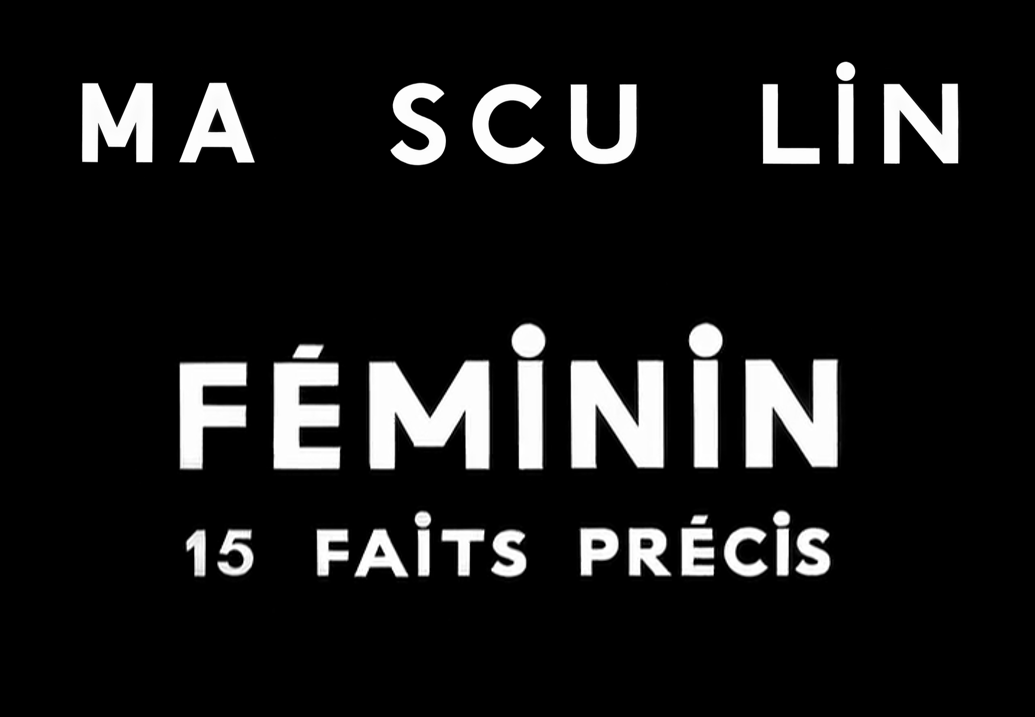
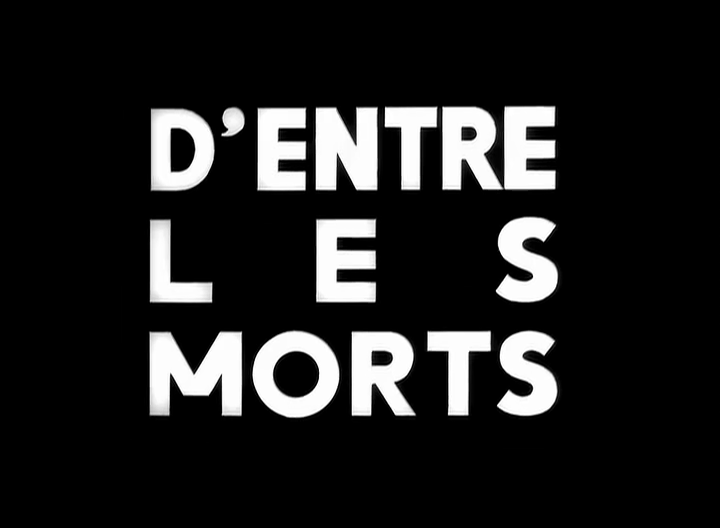
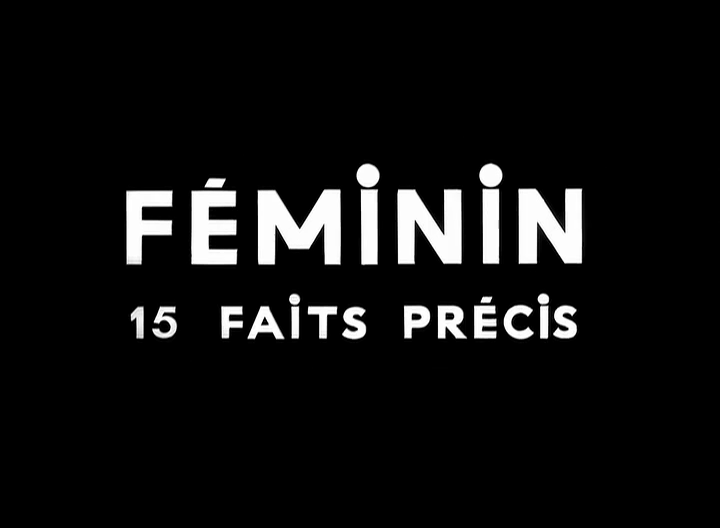
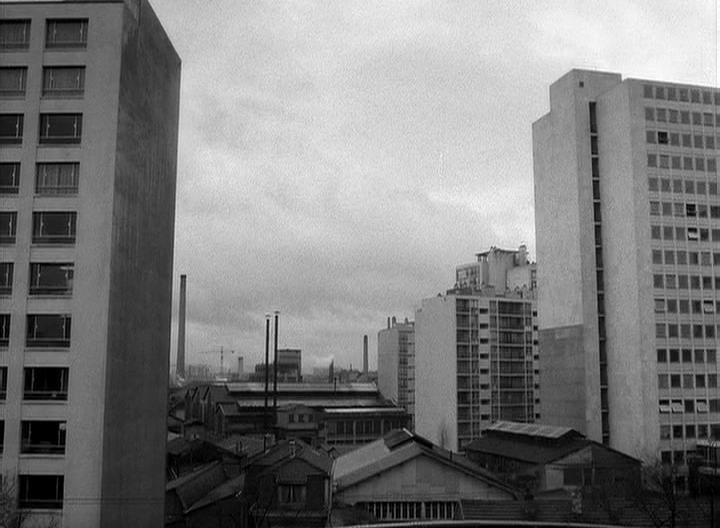
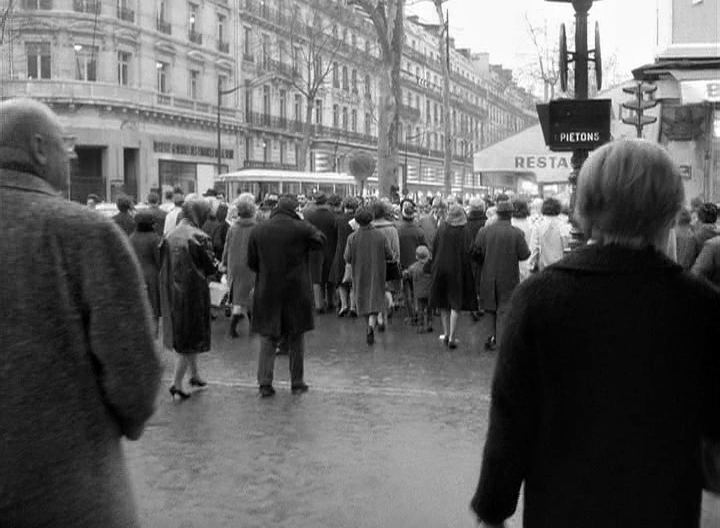
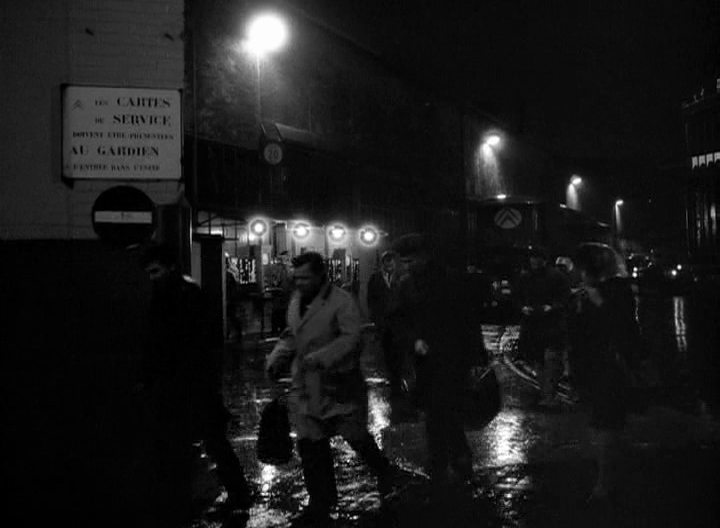
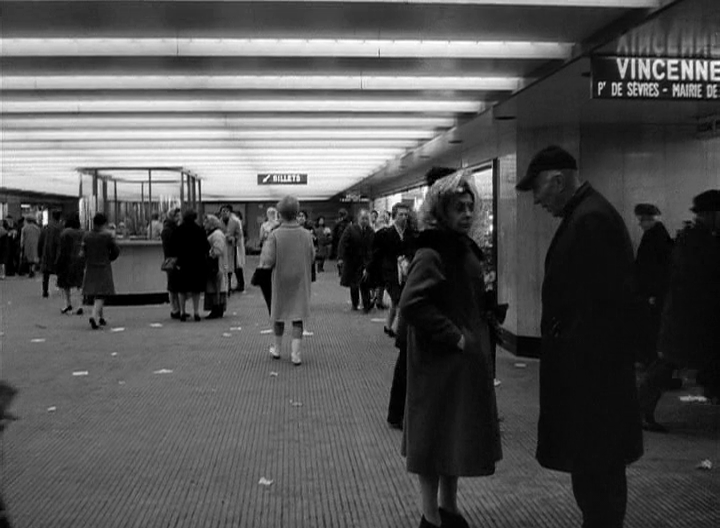
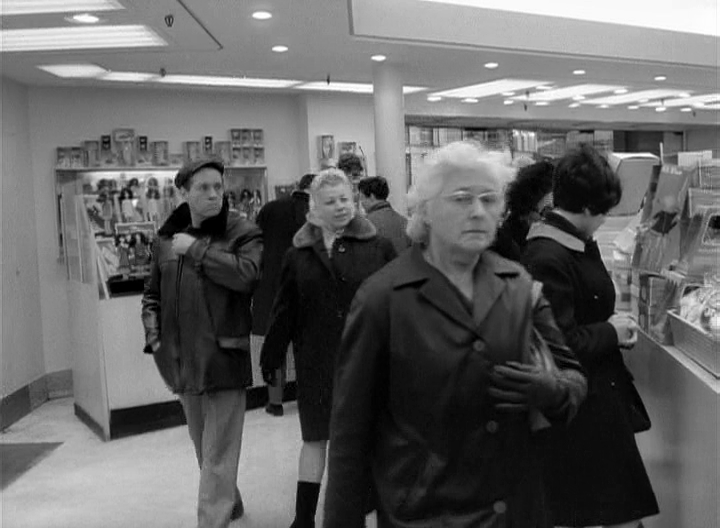
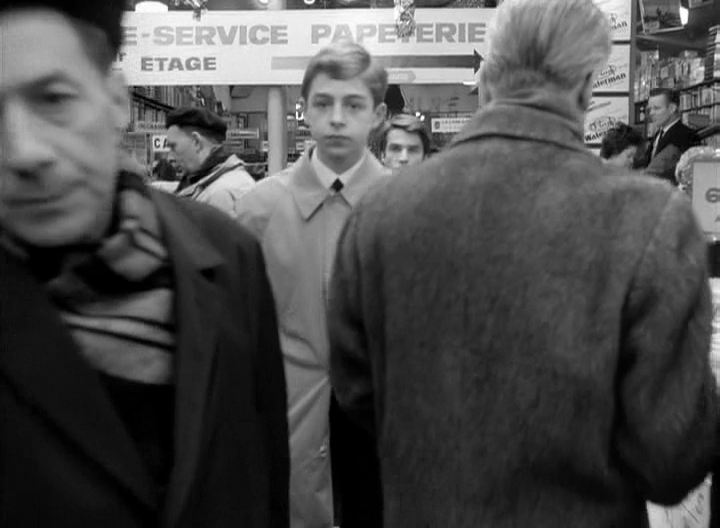
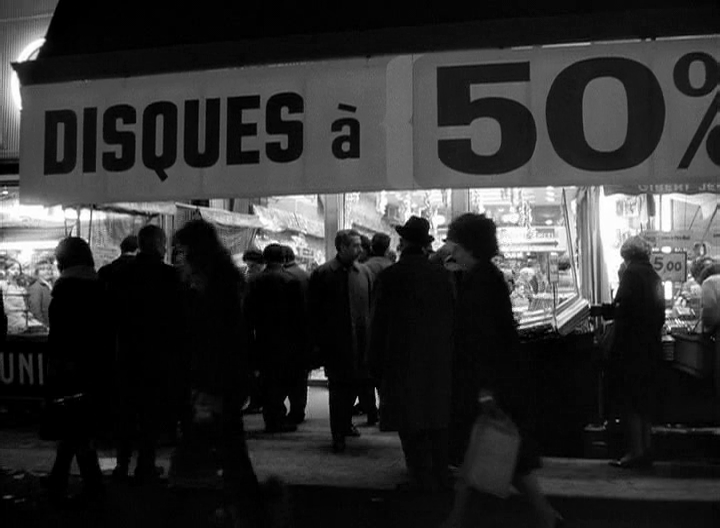
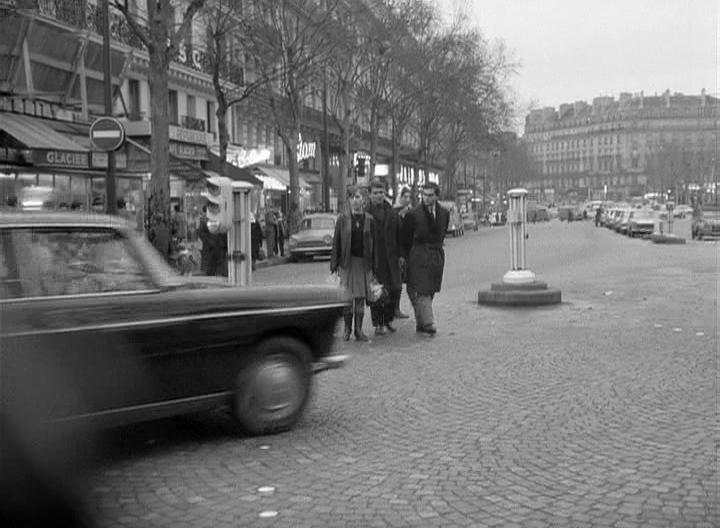
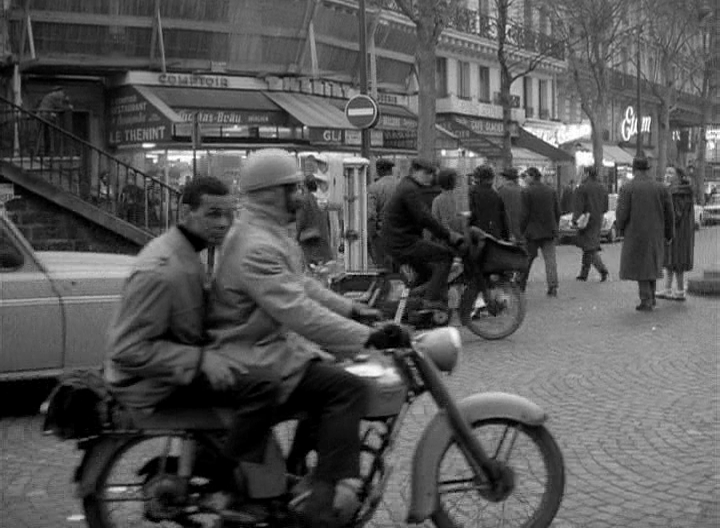
Despite the claim in the credits that Masculin Féminin presents '15 precise facts', these do not correspond to the successive sequences of the film. Rather, it can be broken down into about 19 distinct sequences, separated or interrupted by intertitles and inserts (mainly street views).

​This post is chiefly about the locations of the film, but at the end there are some quotations identified.
​

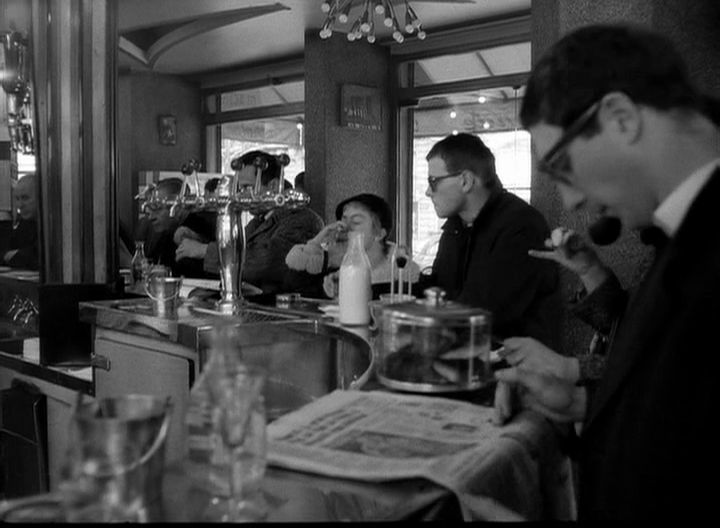
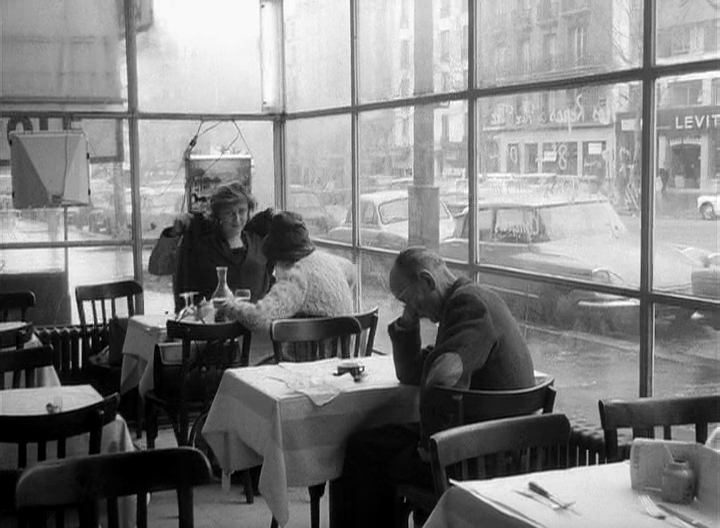
cafés

There are five café sequences, as well several inserts of cafés interiors and exteriors.
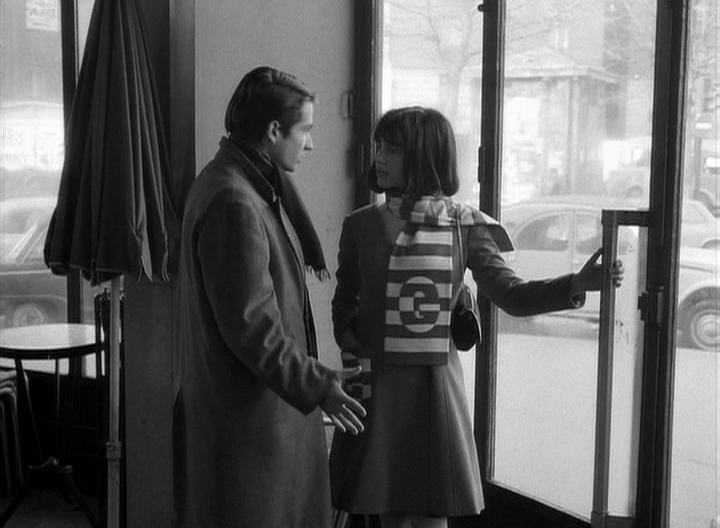
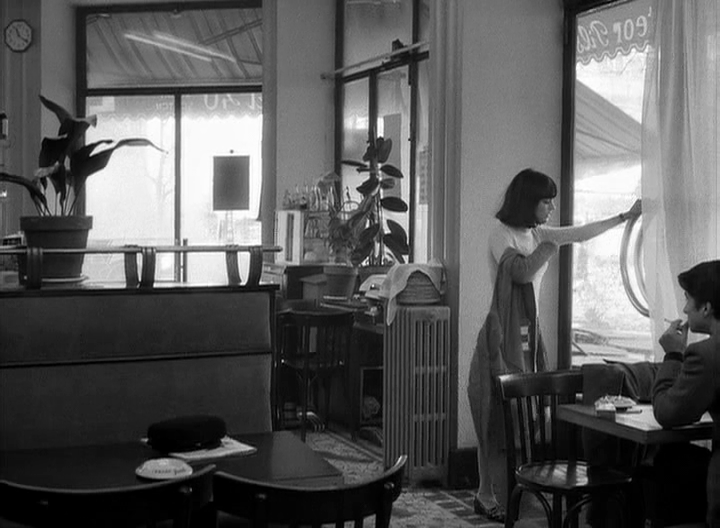
In the opening sequence Paul meets Madeleine at the Zoo café, place Edouard Renard, 12e, near the Porte Dorée. The name and the animal-themed décor relate to the nearby Zoo de Vincennes.

The film returns to this café an hour later, when 
Paul, Elisabeth and Madeleine have lunch there.
Picture
3 minutes
Picture
64 minutes
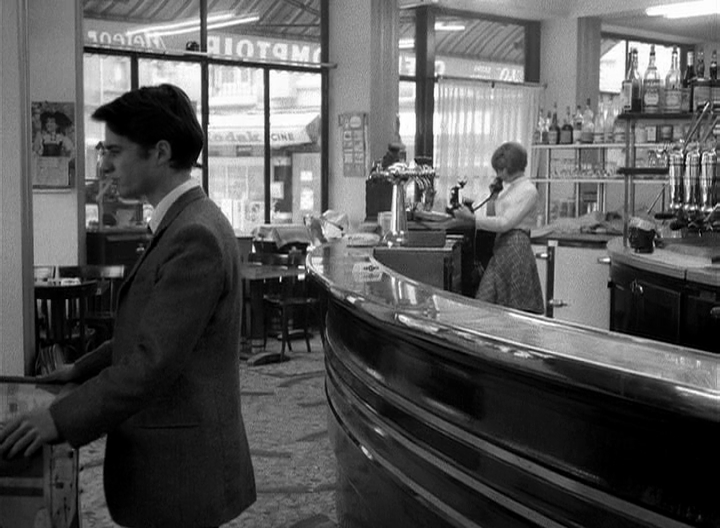
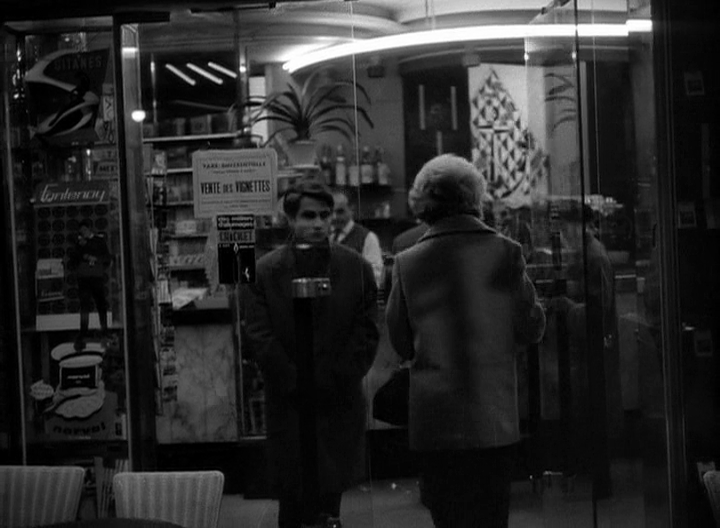
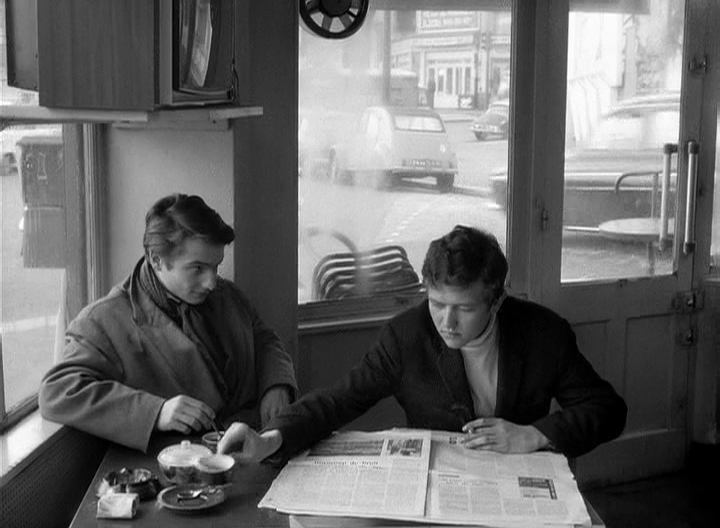
Paul meets Robert at the Bar Henri, 73 boulevard Sérurier, 19e, just south of the Porte du Pré Saint-Gervais. He proposes to Madeleine in the Tabac de la Porte Chaumont, 149 boulevard Sérurier, 19e.
Picture
11 minutes
Picture
33 minutes
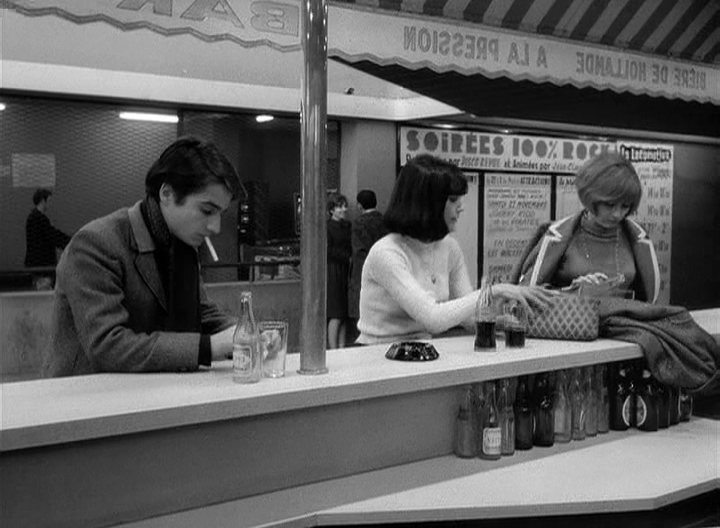
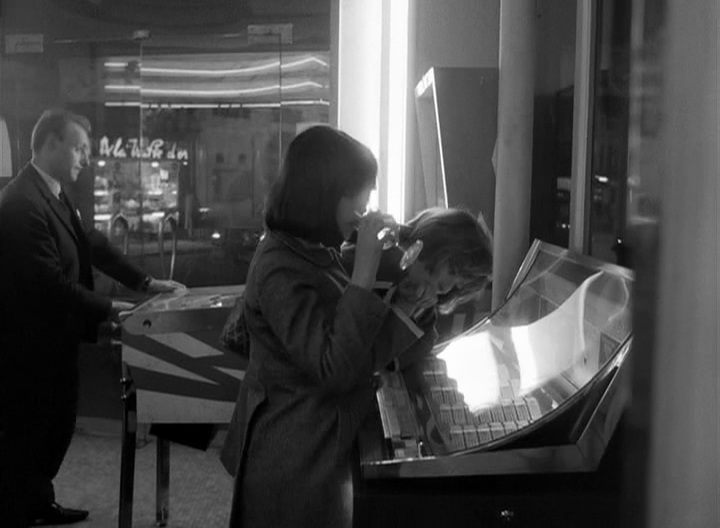
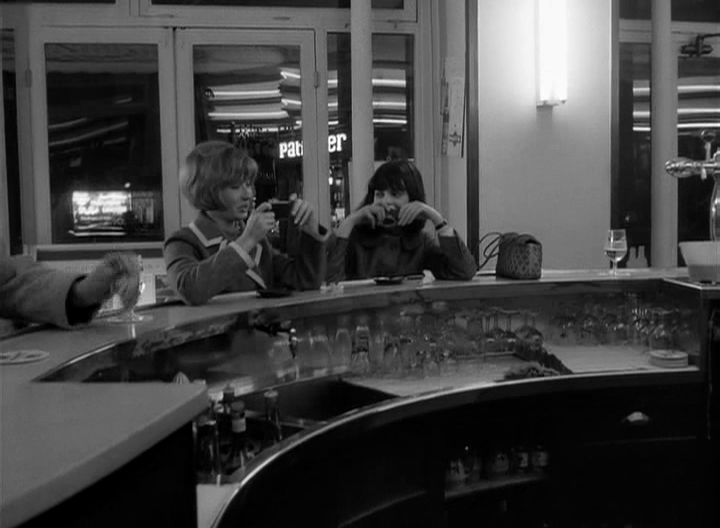
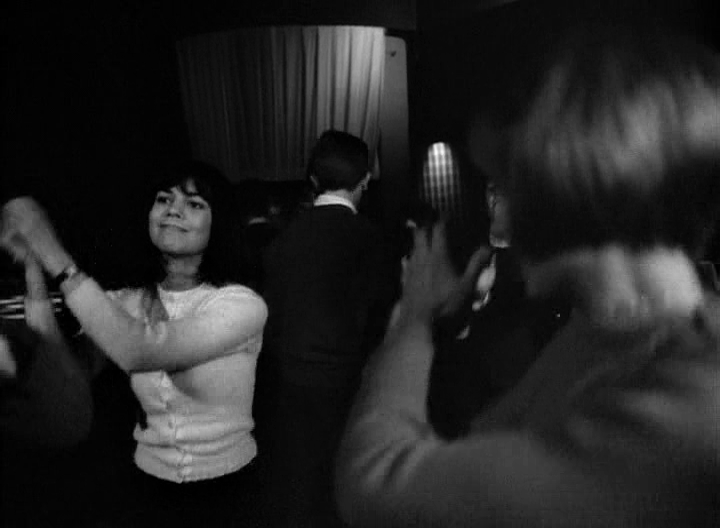
Paul, Madeleine and Elisabeth have a drink at the bar near the entrance of La Locomotive, a discothèque at 80 boulevard de Clichy, 18e. This scene is preceded by a view of them dancing inside the club:
Picture
Picture
34 minutes
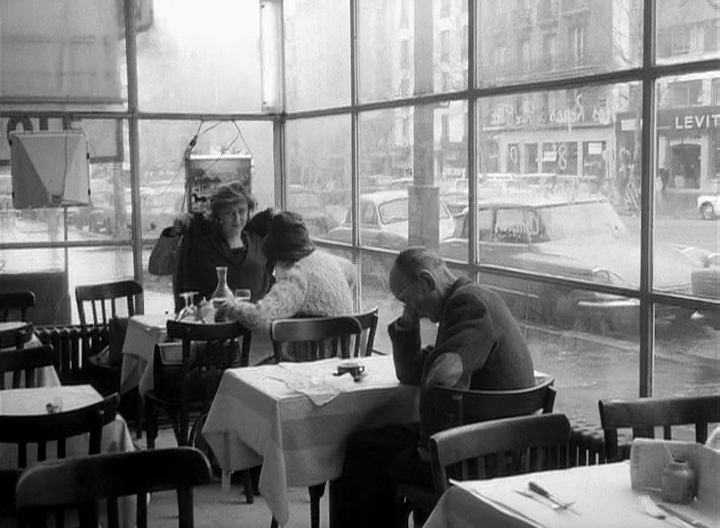
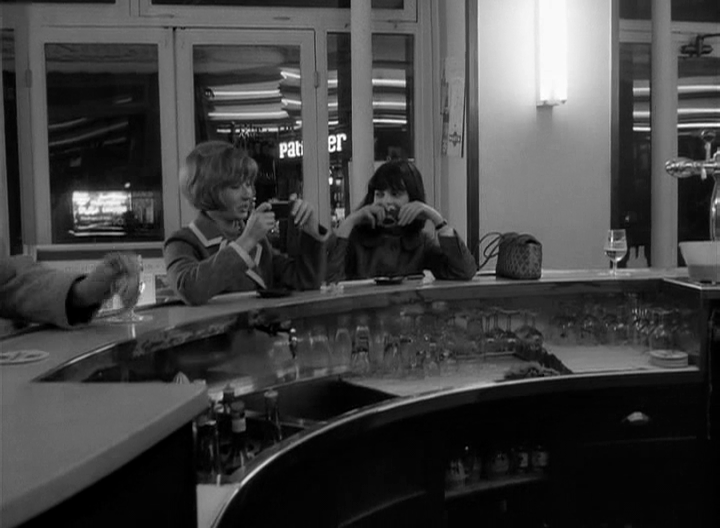
The other views of cafés are inserts. Two show Madeleine and Elisabeth in a café that is I think at 27 rue Fontaine:
Picture
Picture
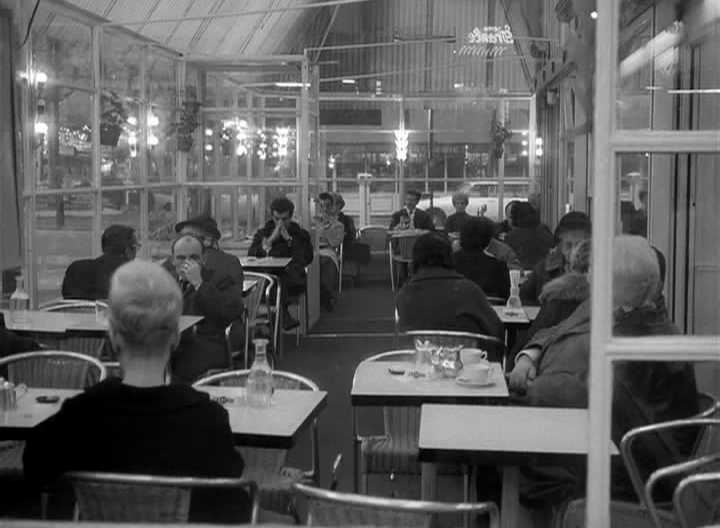
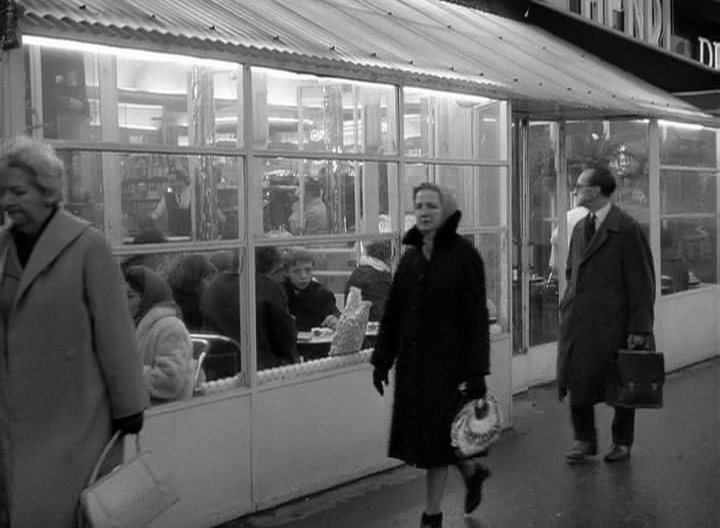
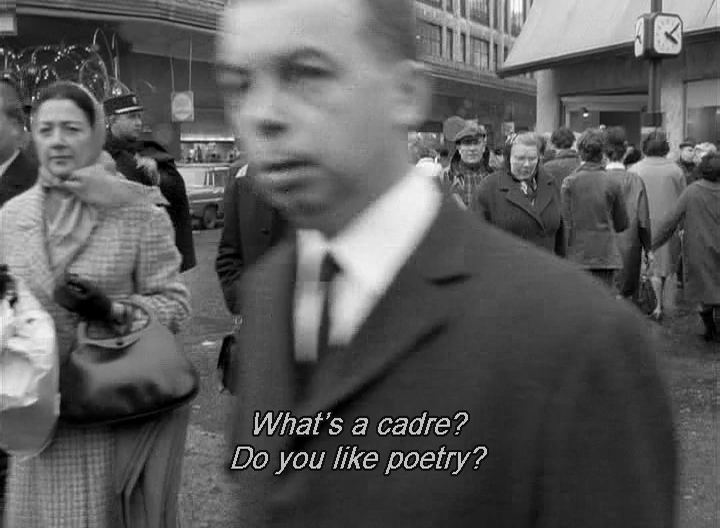
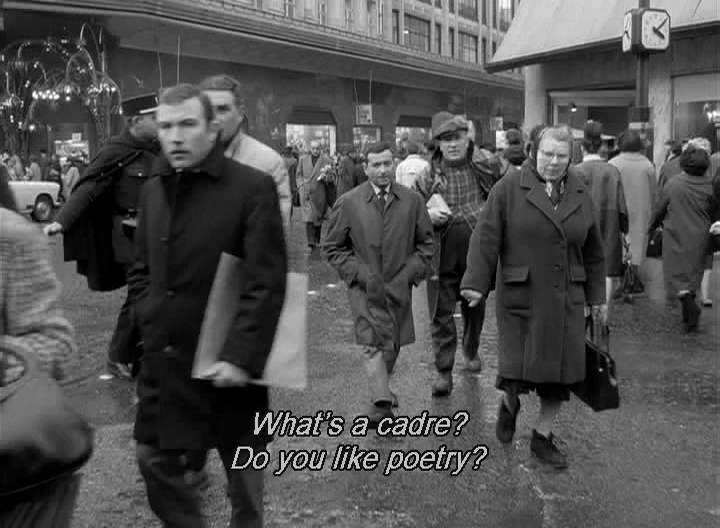
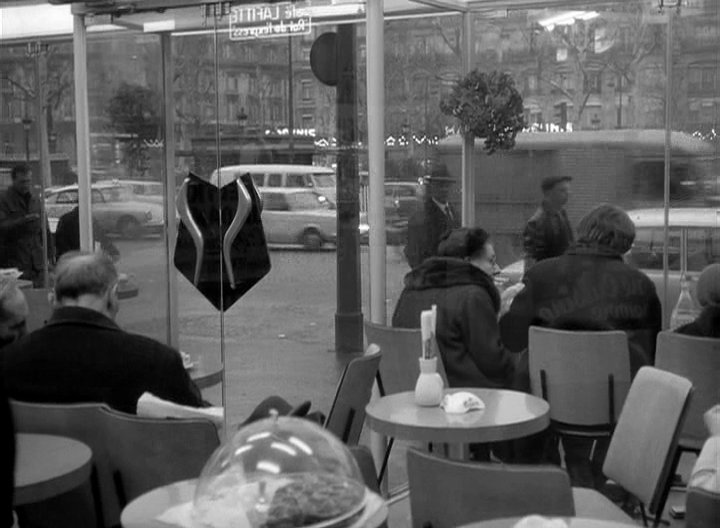
The rest are observational inserts unrelated to the characters. I can't locate them exactly, but the last four all look like they're on the place de la République:
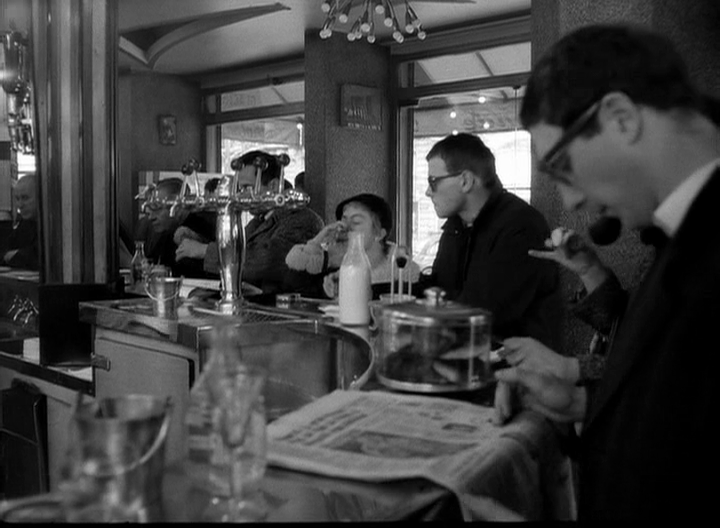
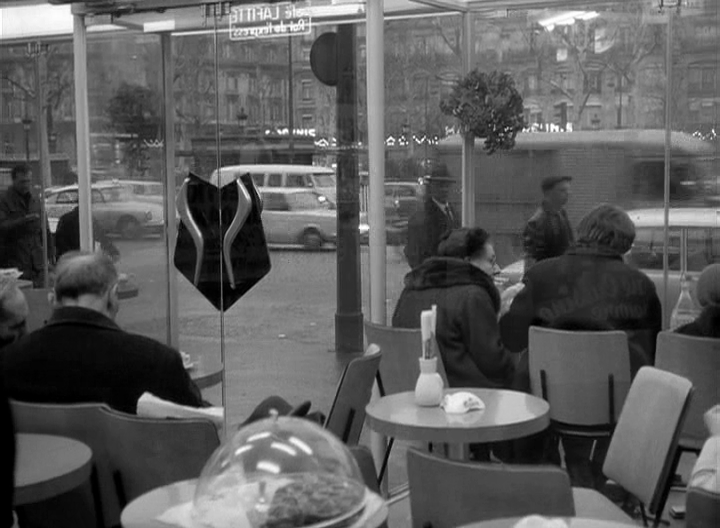
boulevard de Grenelle
​

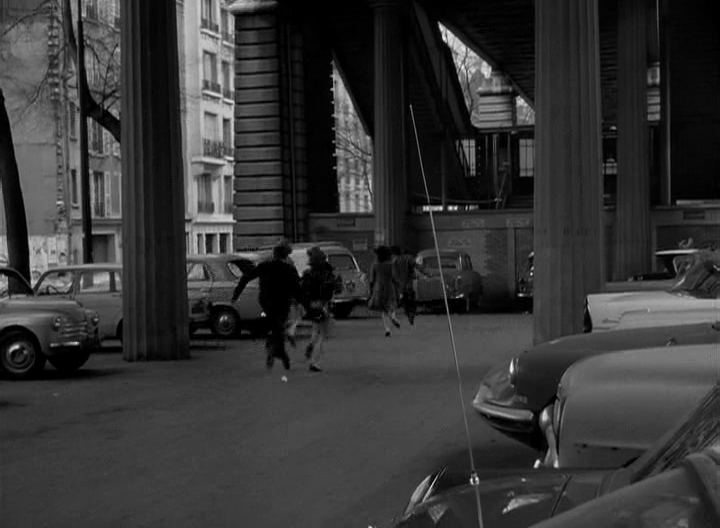
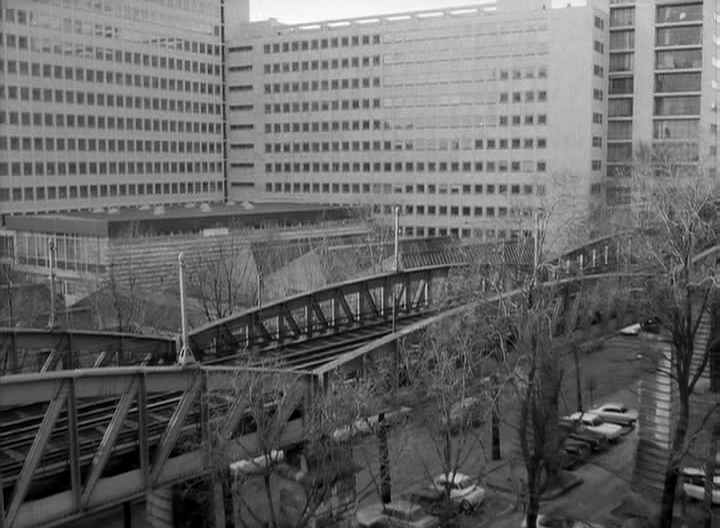
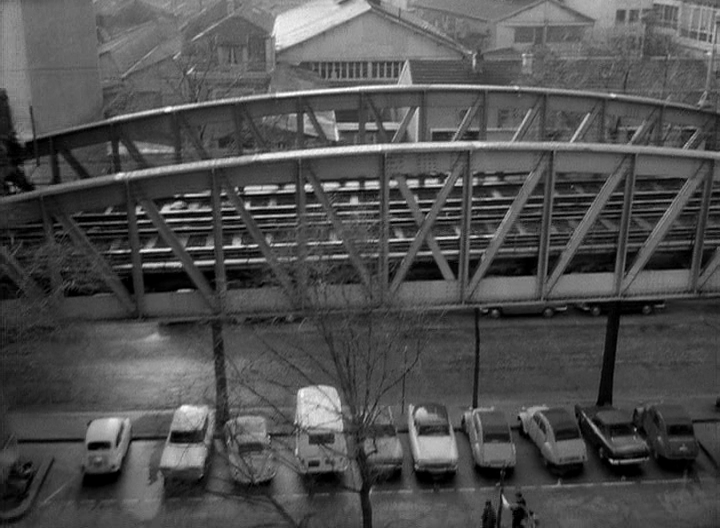
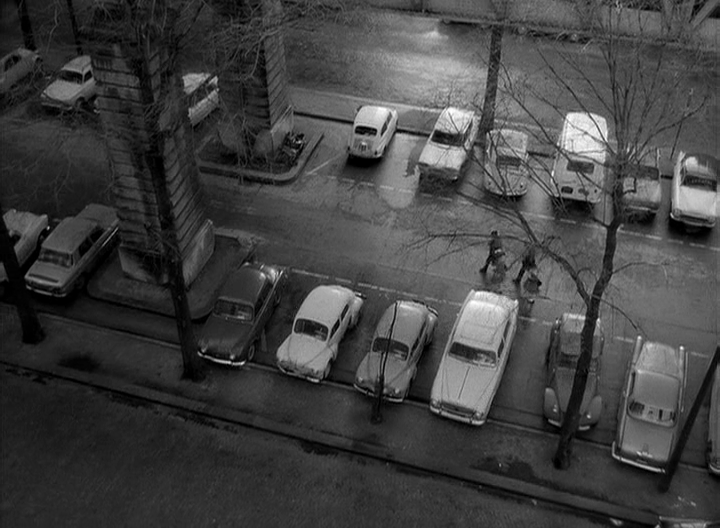
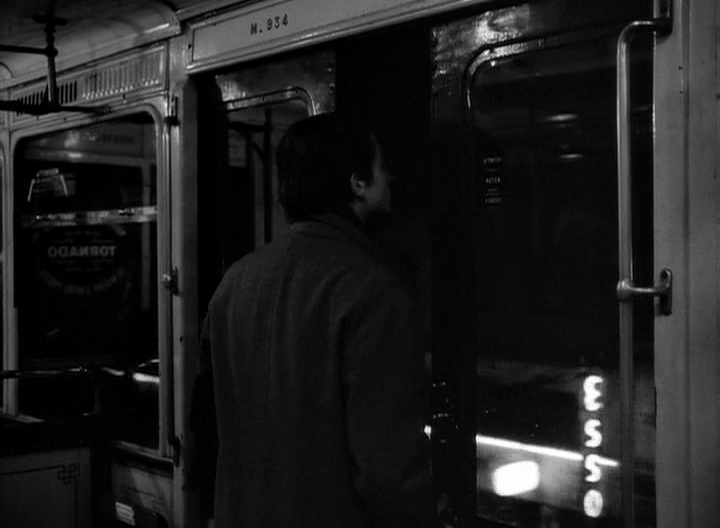
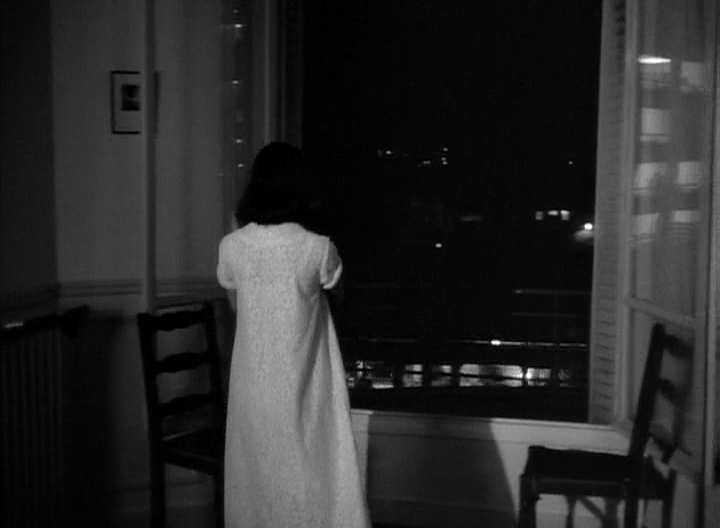
Madeleine, Elisabeth and Catherine live in an apartment at 25 boulevard de Grenelle, overlooking the overhead métro. Views from the apartment onto and across the boulevard, as well as street level views, combine to make this the film's most distinctive location:
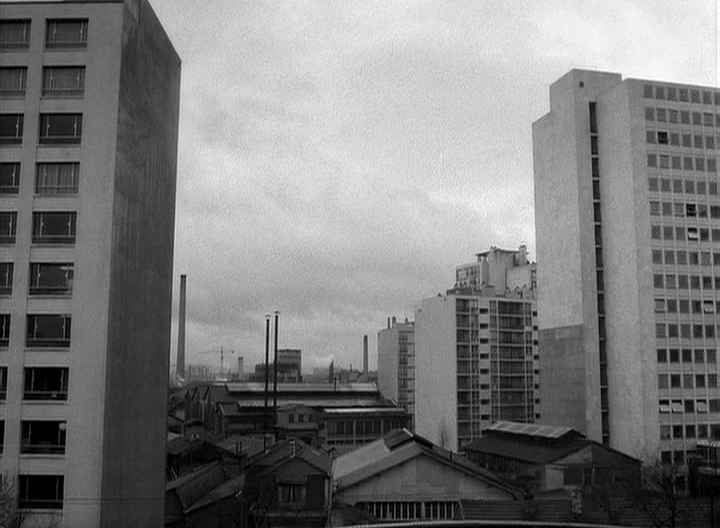
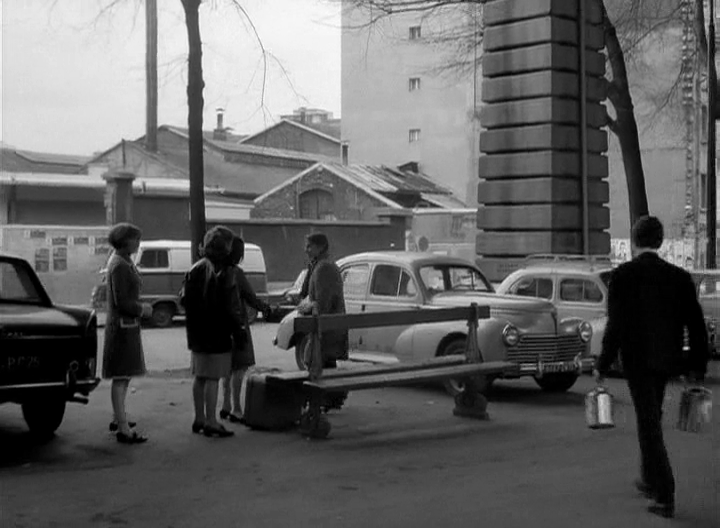
le métro aérien

​
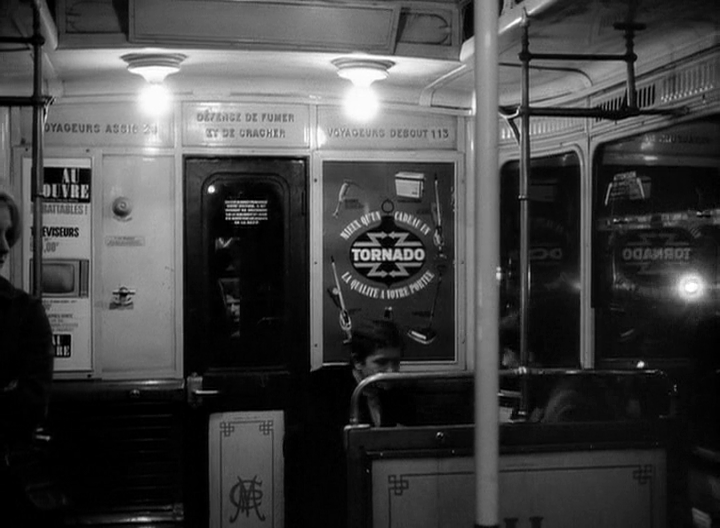
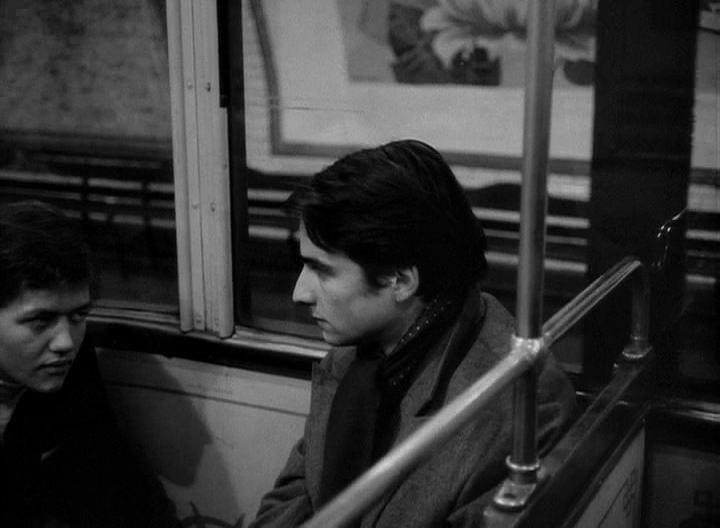
In the last of the views above Paul is heading off-screen right towards the Bir-Hakeim métro station at the top of the boulevard de Grenelle. The next shot shows Paul there at night, emerging from a café and crossing towards the station. He is then on the métro with Robert, passing in front of Madeleine's apartment:
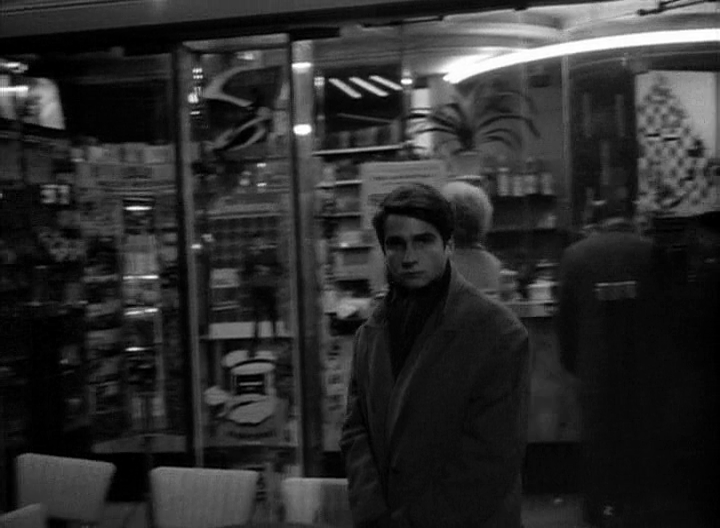
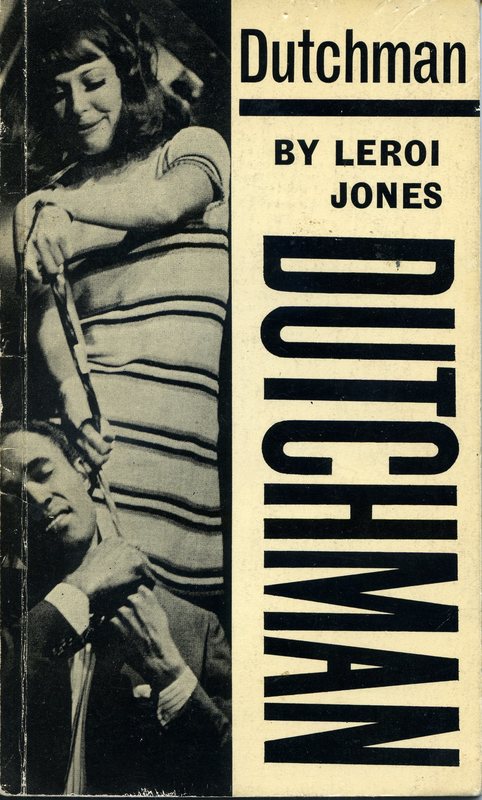
In this sequence we see Chantal Darget, Med Hondo and another actor in a scene taken from LeRoi Jones's play Dutchman (called in French Le Métro fantôme):
Picture
Picture
Hondo and Darget where playing these roles on stage at the time, at the Théâtre de Poche-Montparnasse, in a production directed by Darget's husband Antoine Bourseiller. Bourseiller appears later in the second Café Zoo scene, going over a play (Vauthier's Les Prodiges) with Brigitte Bardot. Yves Afonso, who plays the man who commits suicide near the entrance to the Locomotive discothèque, was also in Bourseiller's production of Le Métro fantôme​.

Neuilly


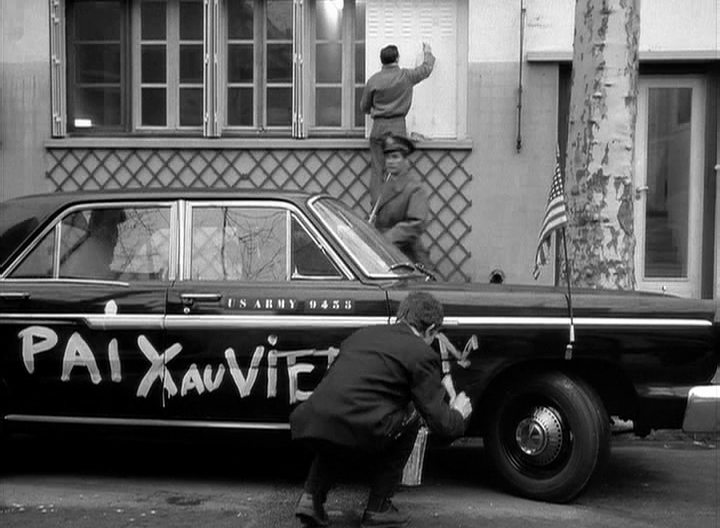
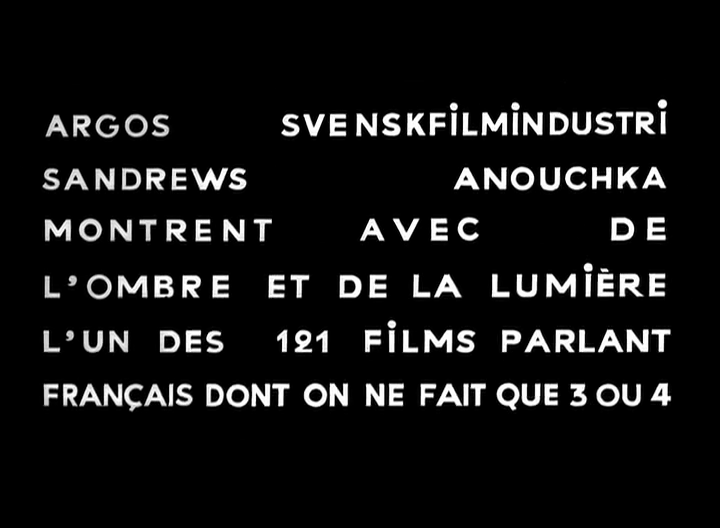
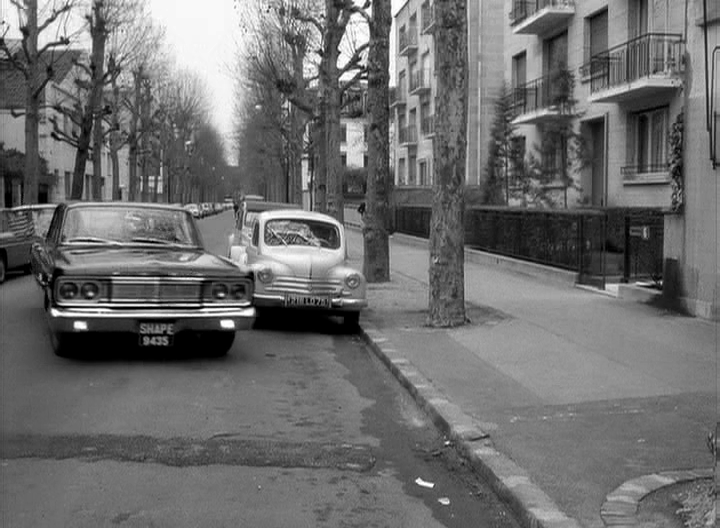
The office of Godard's production company Anouchka Films was at 4 rue Edouard Nortier, in Neuilly-sur-Seine (the same premises as the film's main producer, Argos Films). Two scenes are filmed here. The first shows an American army car (a Ford Fairlane 500) park on the street. An American officer and the singer Françoise Hardy get out and go into the building. Robert paints 'Peace In Vietnam' on the side of the car as Paul distracts the driver:
Picture
Picture
24 minutes
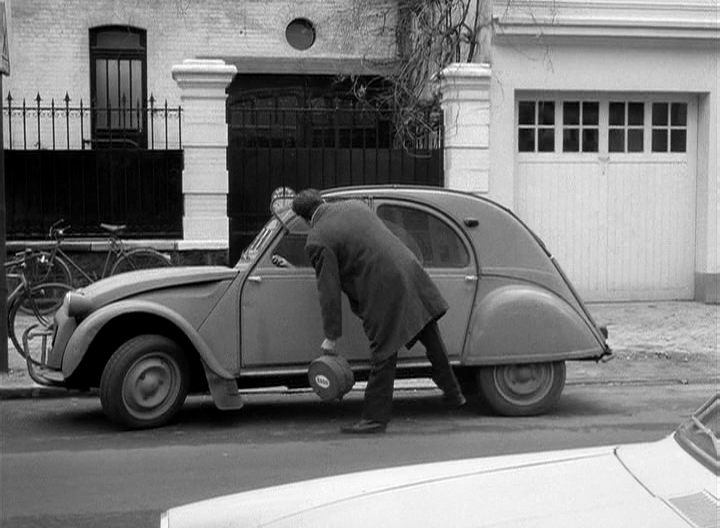
The second shows a man take a can of petrol from a car and say goodbye to his wife before going to set himself on fire in front of the American Hospital in Neuilly:
Picture
Picture
92 minutes
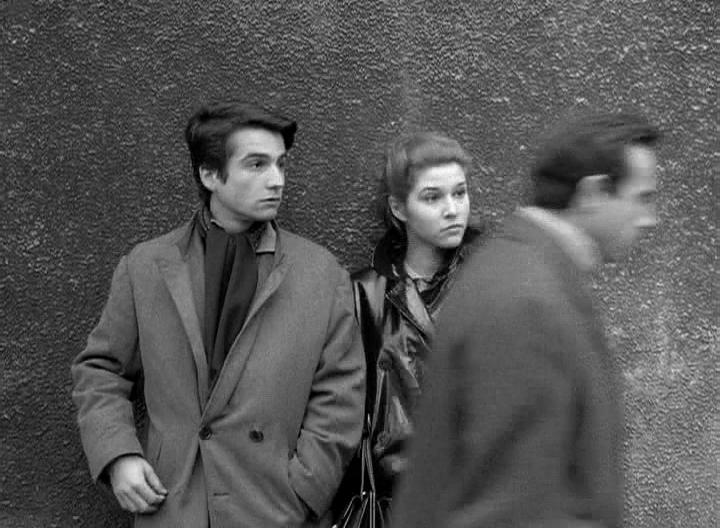
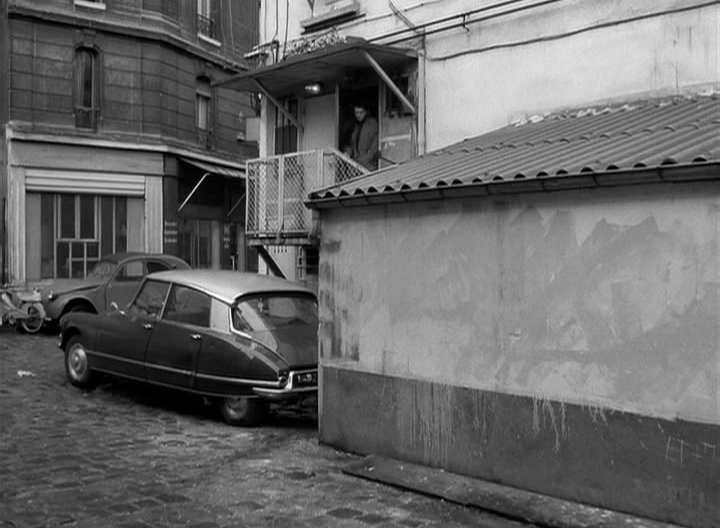
The 2CV is parked in front of number 1 rue Edouard Nortier, opposite the company premises. The American Hospital is three blocks from here, on the boulevard Victor Hugo. I haven't found the wall in front of which Paul and Catherine are standing to know if it is actually between the rue Edouard Nortier and the boulevard Victor Hugo.
​

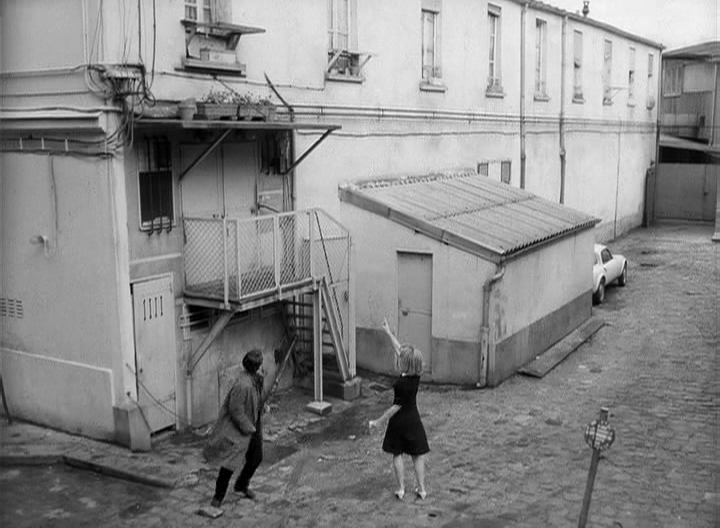
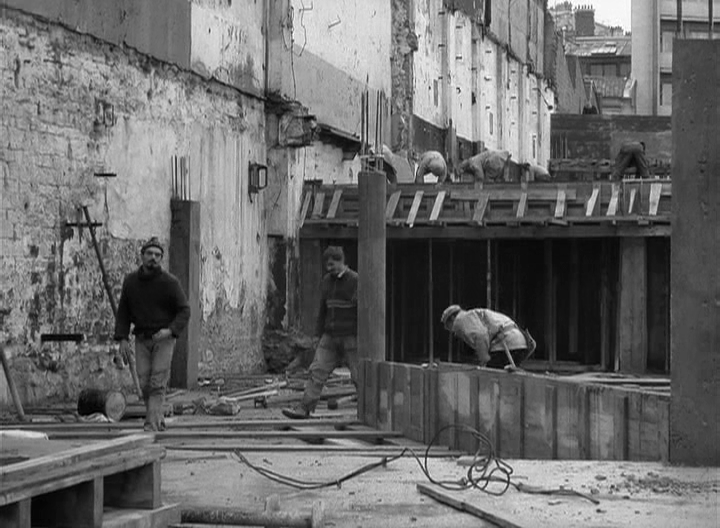
The apartment under construction that Paul buys with his inheritance and from which he falls to his death (as reported to the police by Catherine in the last sequence of the film) was in Neuilly.

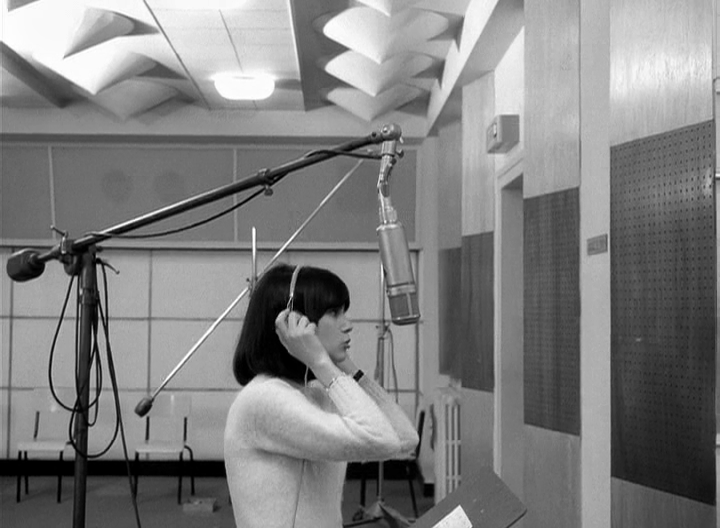
the recording studio

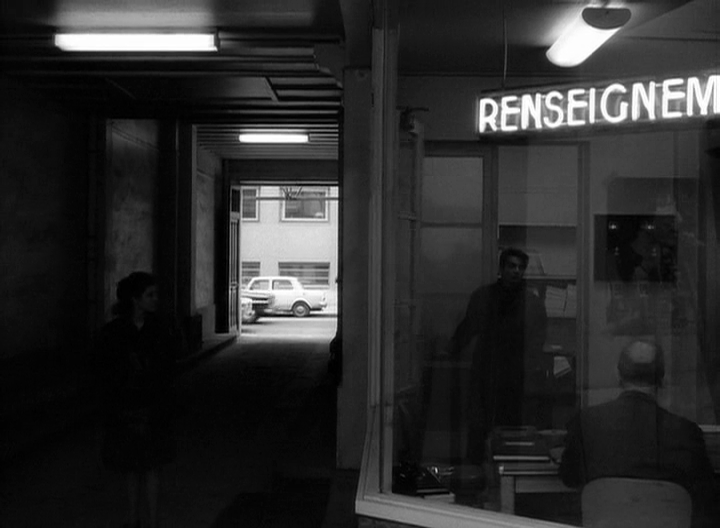
The sequence following the second scene in Neuilly shows Paul and Catherine arriving at the studio where Madeleine is making a record. The implication is that the two locations are near each other, but the studio is in fact in Paris, about 2.5 kilometres away. These are the Decca premises at 30 rue Beaujon, 8e:
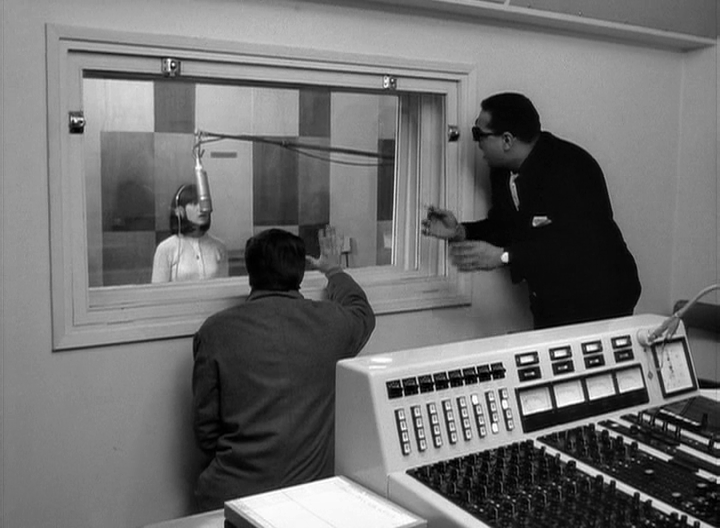
the magazine offices

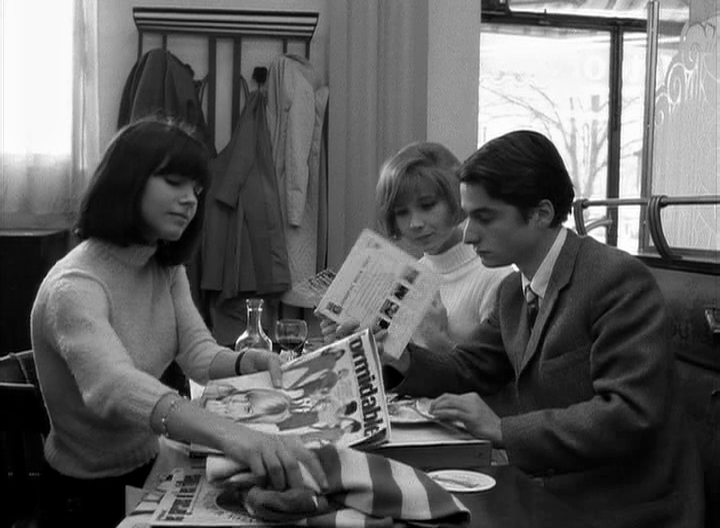
According to Alain Bergala (Godard au travail p.299) the premises used were those of Daniel Filipacchi's company, which at the time was at 8 rue Marbeuf, 8e. Among Filipacchi's magazines were Mademoiselle âge tendre, Salut les copains and Pariscope, copies of which are seen in the film:
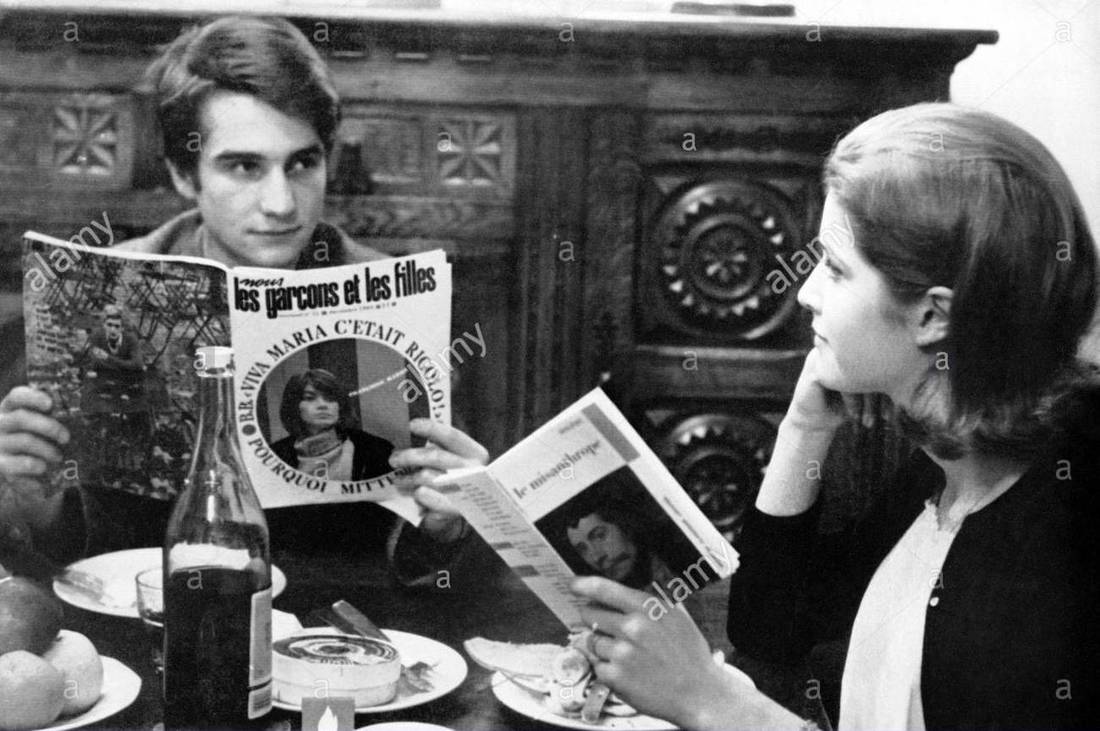
I haven't noticed any copies of Cahiers du cinéma in the film, though it was also, by this point, owned by Filipacchi. Other, non-Filipacchi-owned magazines are shown, including Formidable, Ciné-monde and  Nous les garçons et les filles, the Communist Party's attempt to emulate Salut les copains:​

Picture
Picture

the laundromat
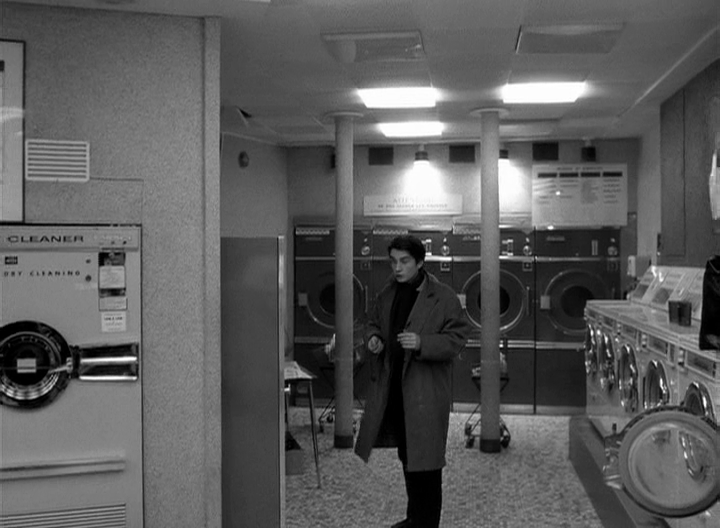
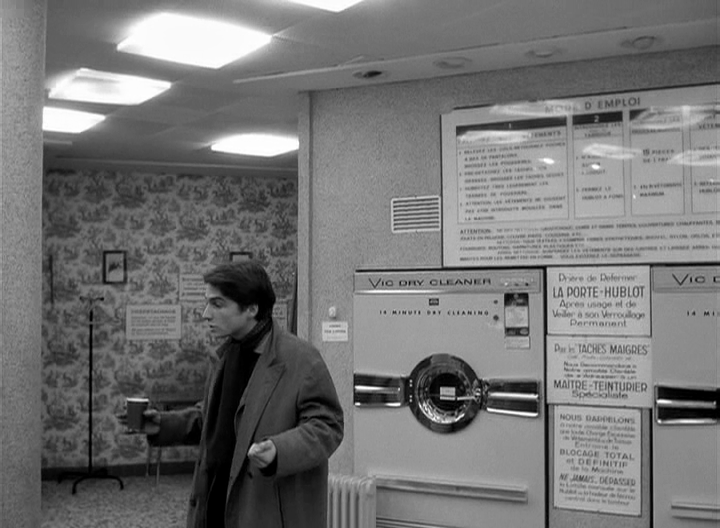
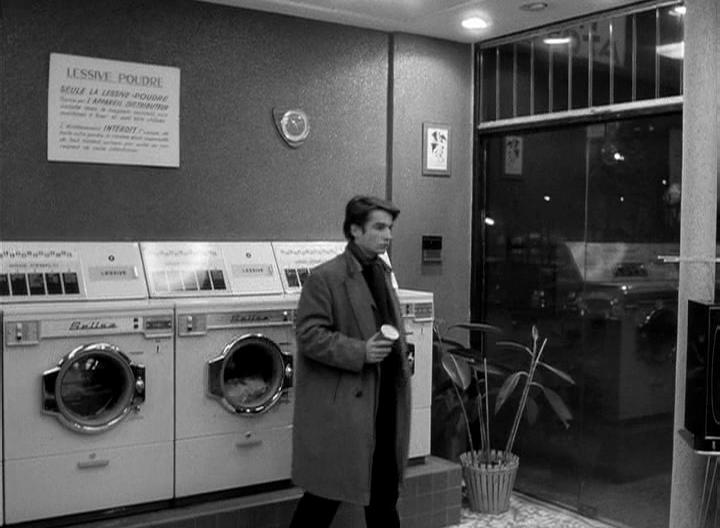
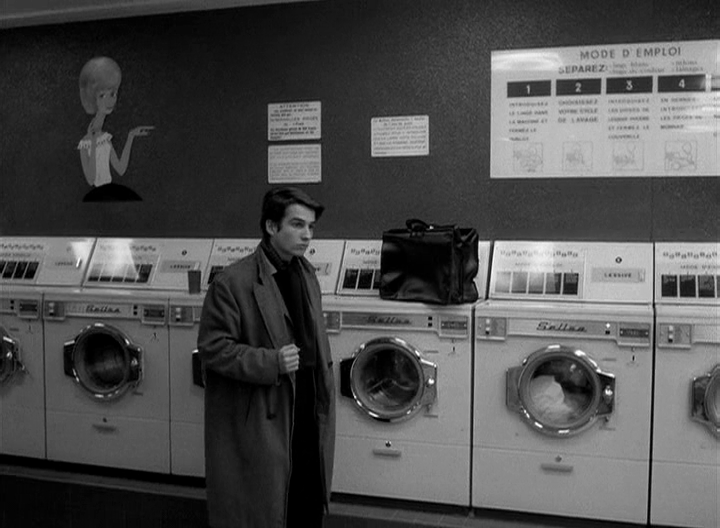
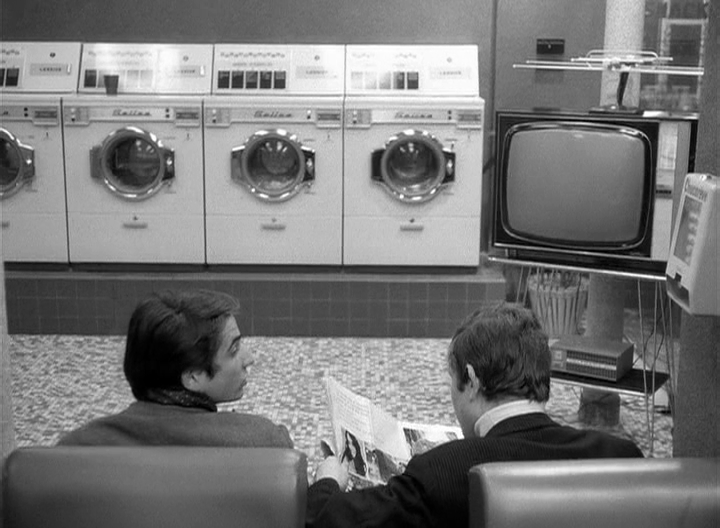
This large modern laundromat is a major location still to be identified. It is not seen from the exterior and the interior bears no identifying marks:
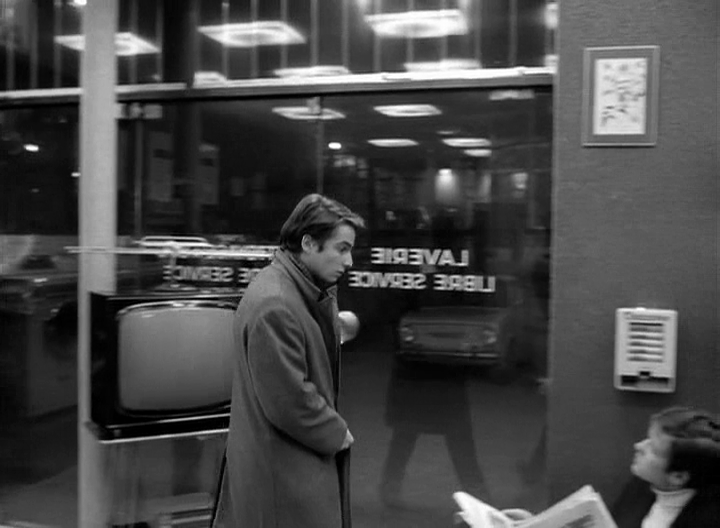
Joshua Baldwin (many thanks Joshua) has alerted me to the interview with Philippe Labro reproduced in the booklet accompanying the Criterion edition of the film, where Labro says that the laundromat was next door to a café on the Boulevard Edgar Quinet, not very far from the location of the cinema (see below). 

the cinema

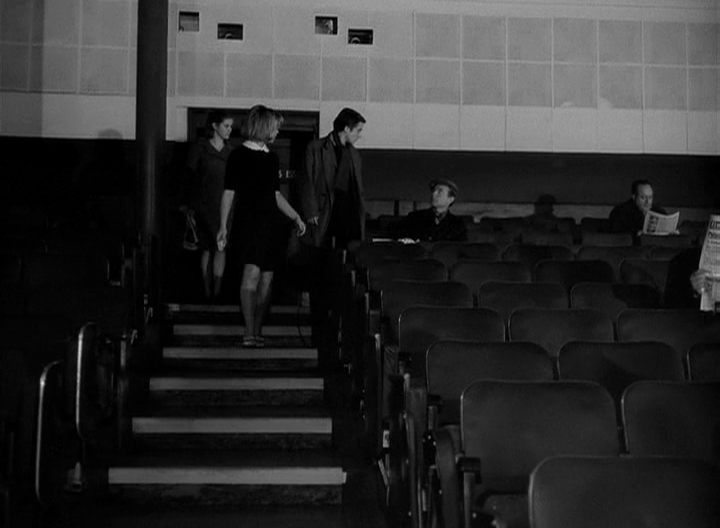
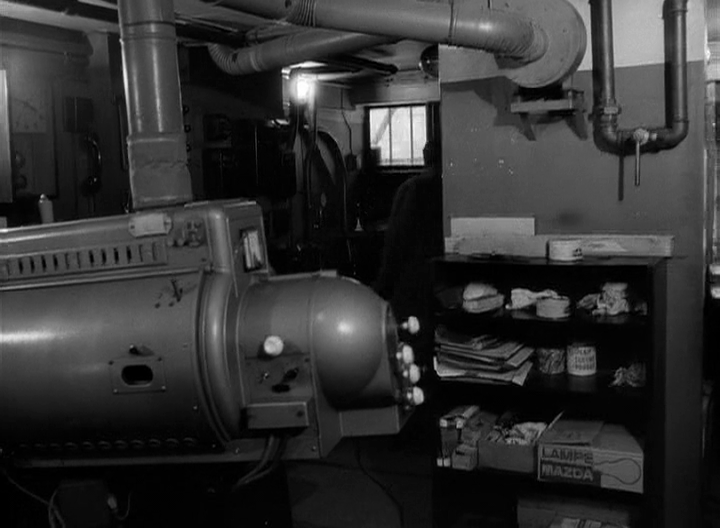
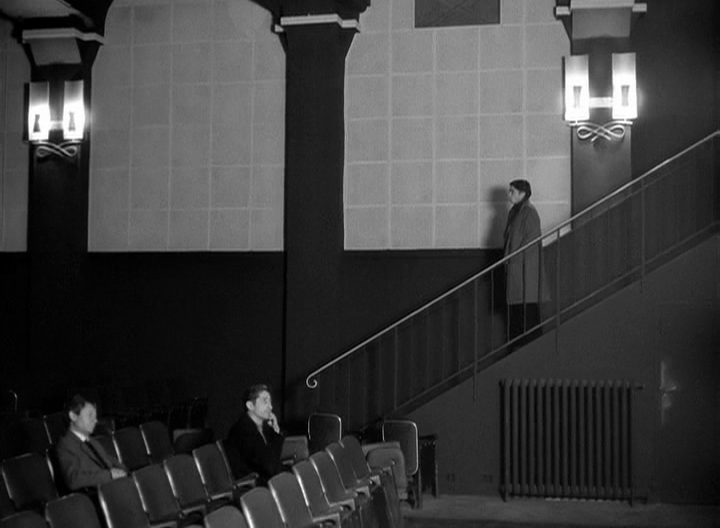
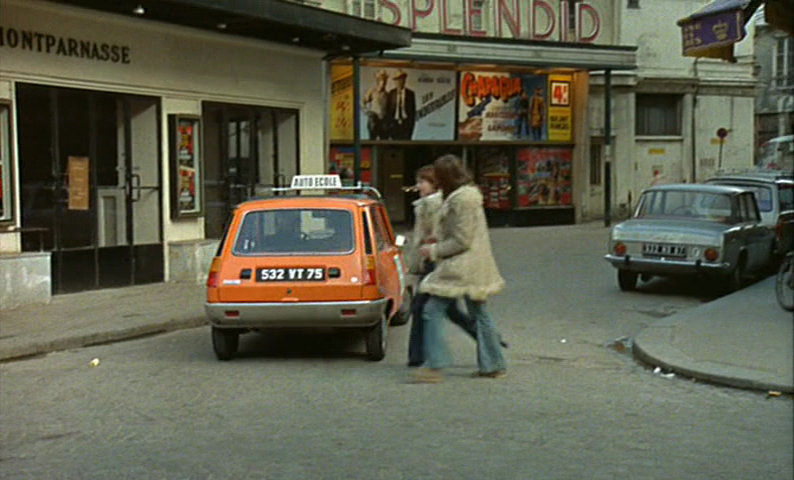
This is the Splendid Gaité at rue Larochelle, 14e, between the Théâtre de la Gaité-Montparnasse and the cimetière de Montparnasse. Various interior and exterior parts are shown, but not the façade:
The cinema has now gone. Here is its façade in Jacques Demy's L'Evénement le plus important... (1973):
Picture

quotations

​
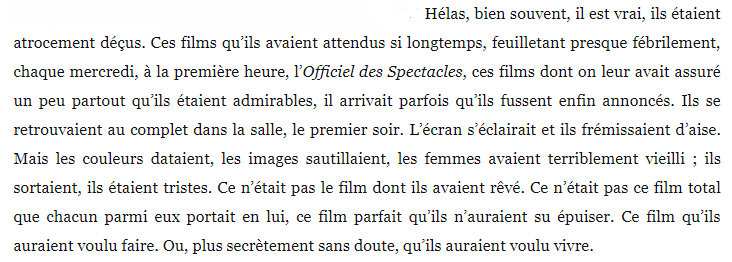
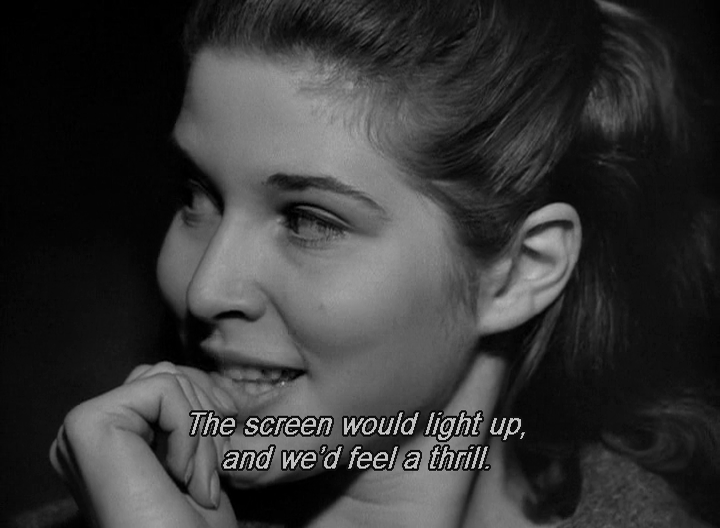
The text of Paul's voiceover in the cinema sequence is adapted from Georges Perec's novel Les Choses (1965):
Picture
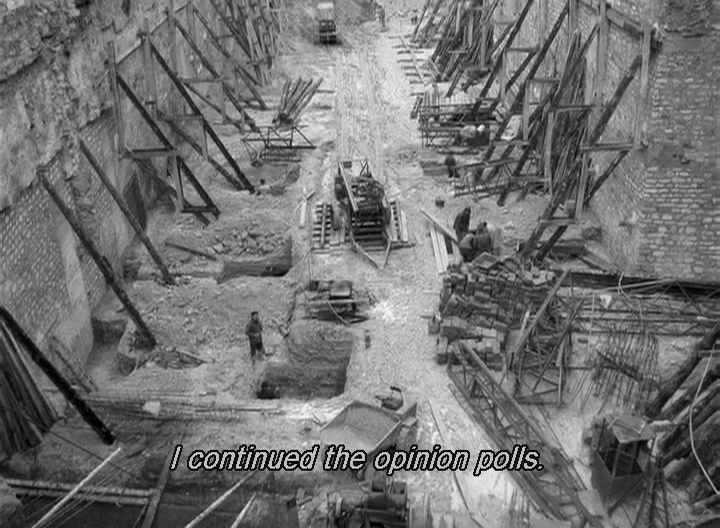
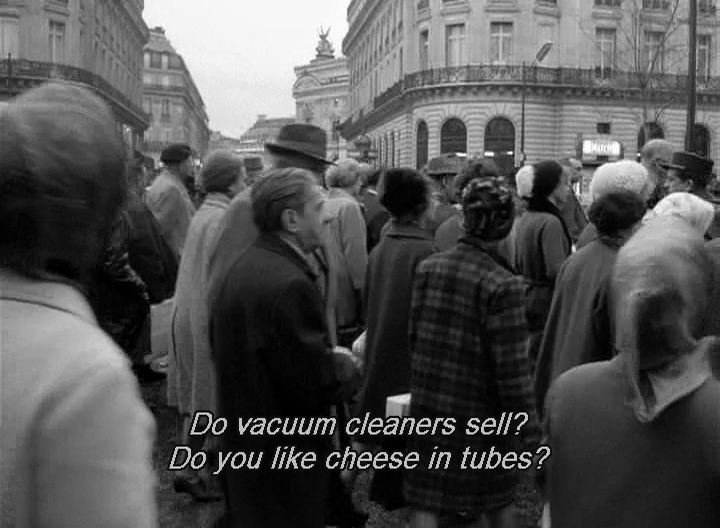
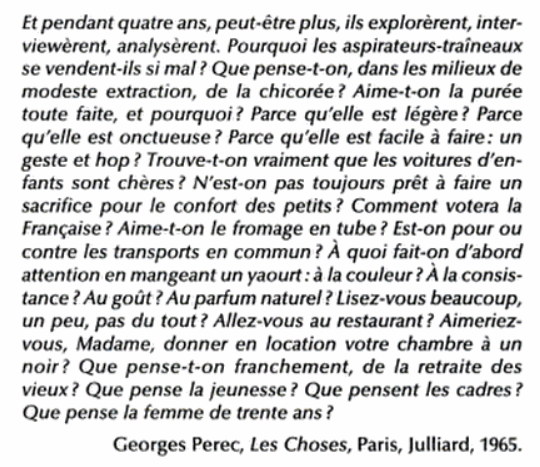
​Near the end of the film, Paul's monologue about his work as a pollster is also adapted from Perec's novel:
Picture
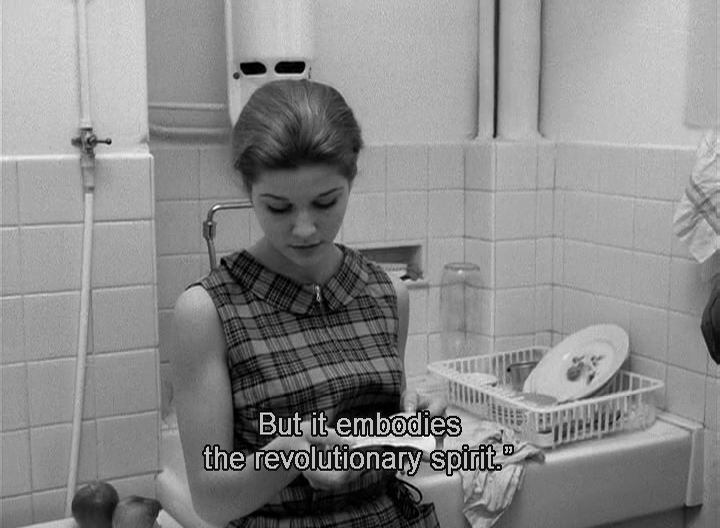
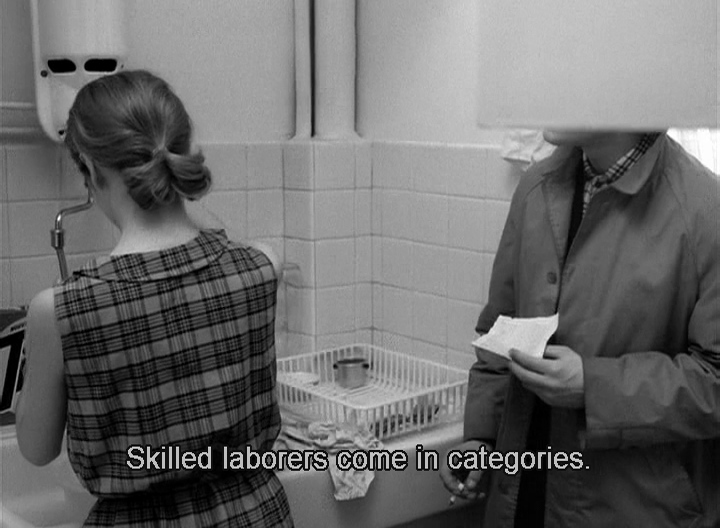
The text Robert and Catherine read in the kitchen comes from an article published as 'Un ouvrier parle' in Les Temps modernes in 1965:
Picture
Picture
Picture
Picture
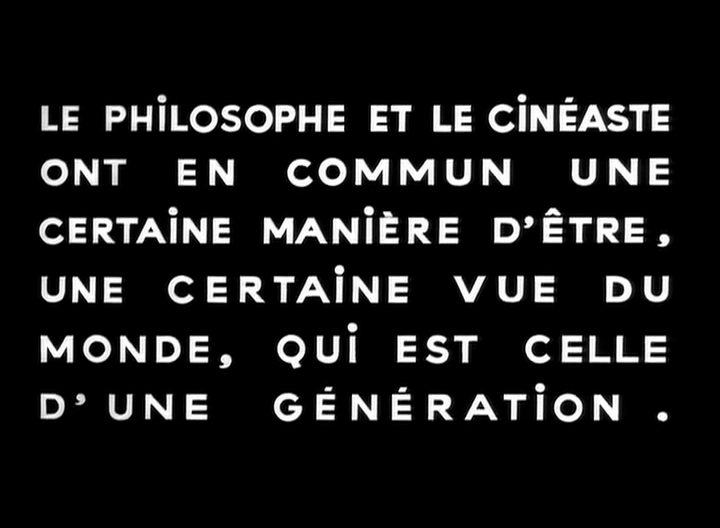
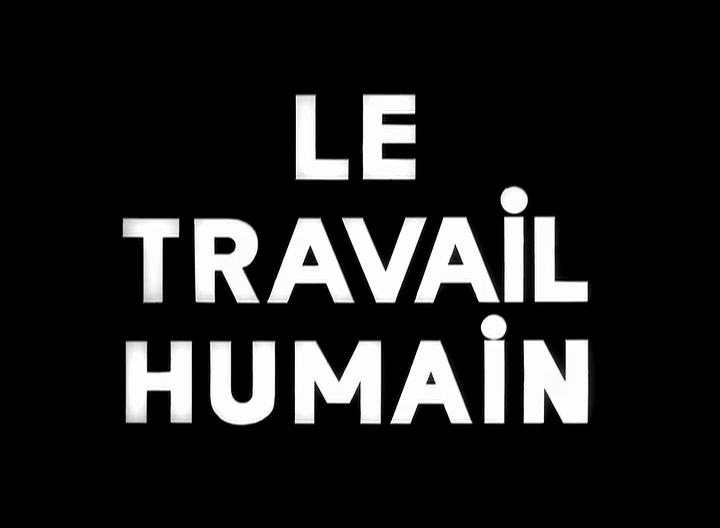
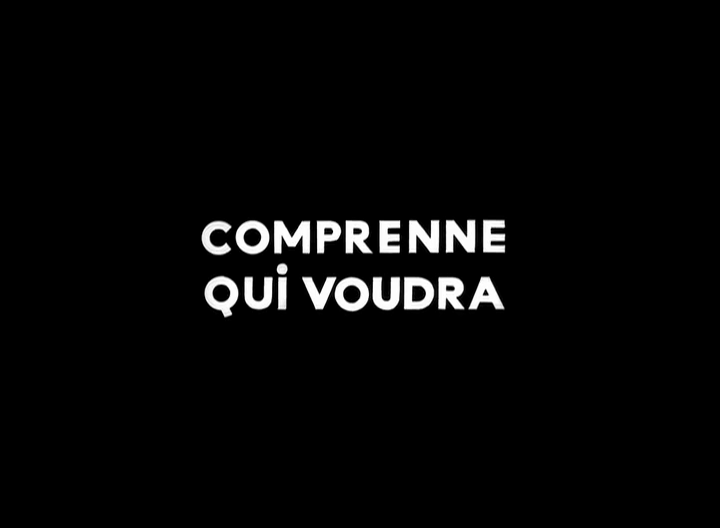
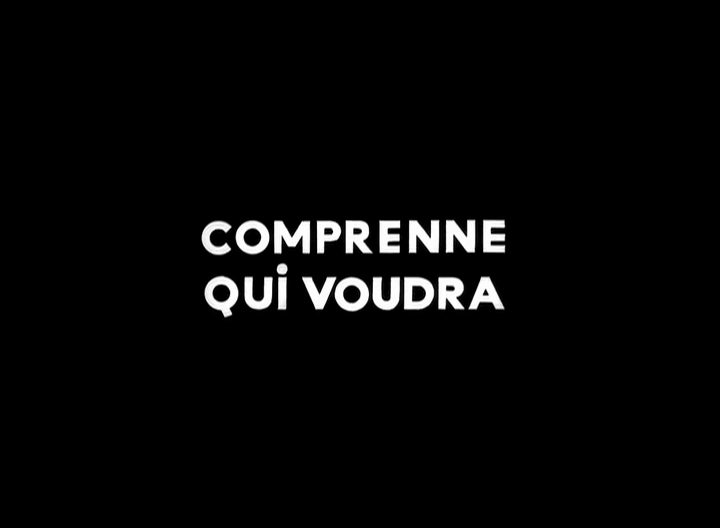
Some of the intertitles are quotations:   
Picture
Paul Eluard, 'Comprenne qui voudra', in Le Rendez-vous allemand (1944)
Picture
Maurice Merleau-Ponty, 'Le Cinéma et la Nouvelle Psychologie', in Sens et Non-Sens (1945)
Picture
Jan Kott, Shakespeare, notre contemporain (1965)
Picture
Shakespeare, A Midsummer Night's Dream (trans. F. Hugo)
The phrase above is from Jean Giraudoux's last play Pour Lucrèce, which the year before Godard had  been planning to film. I don't know the source of the phrase below:
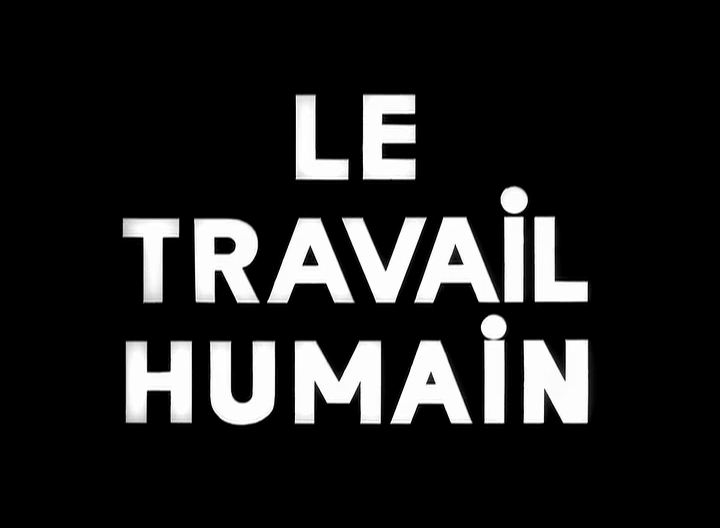
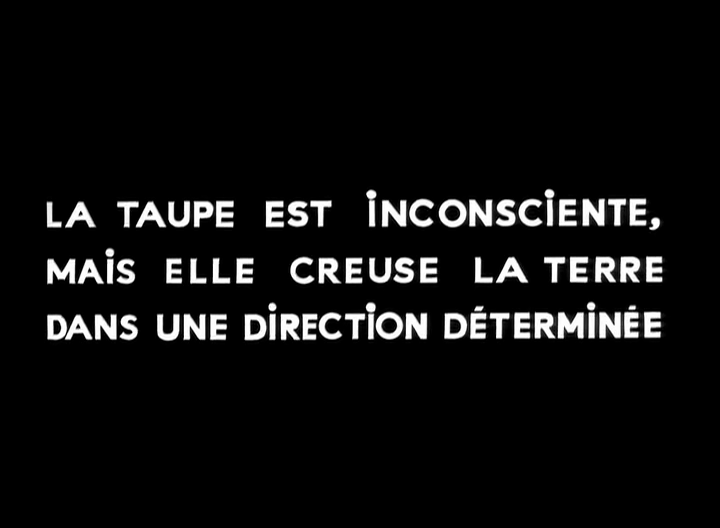
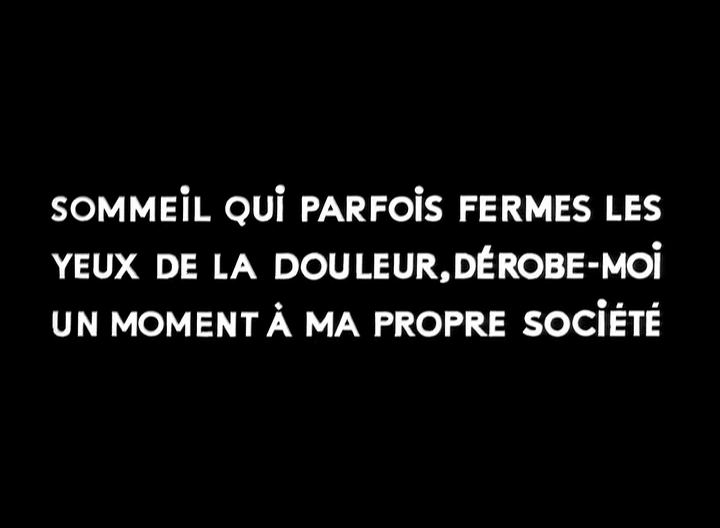
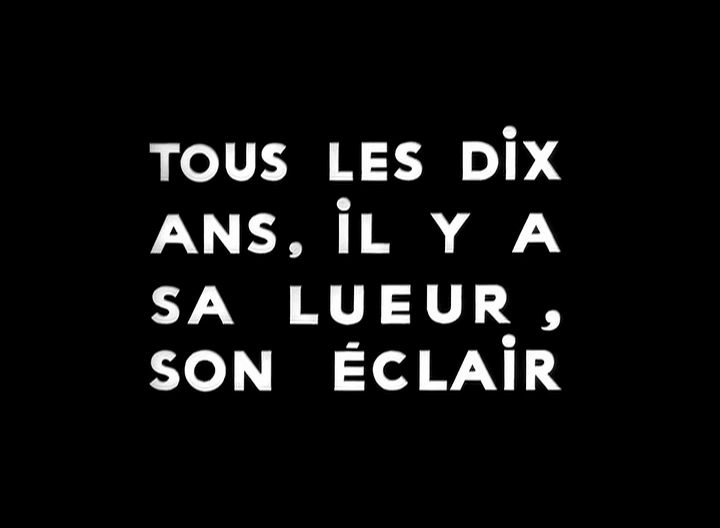
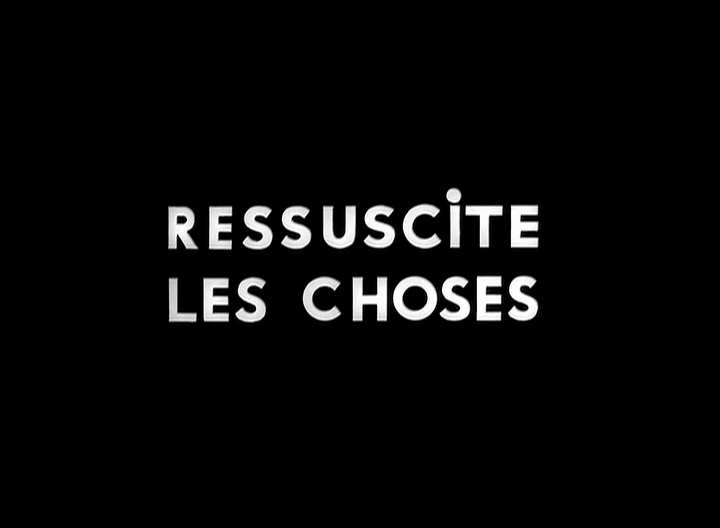
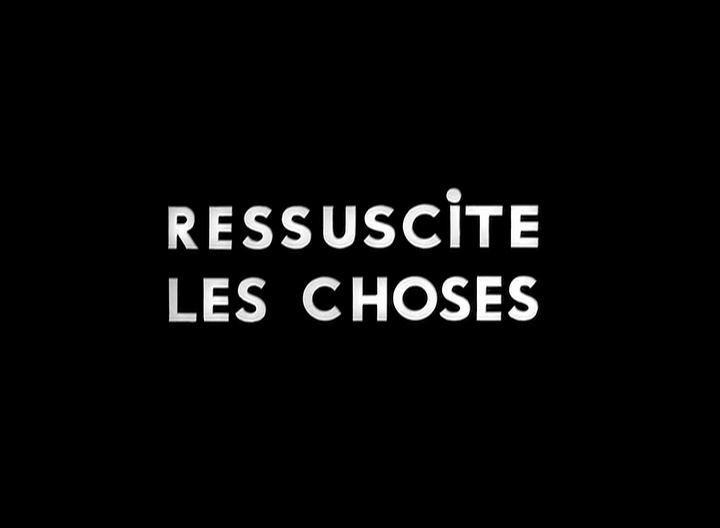
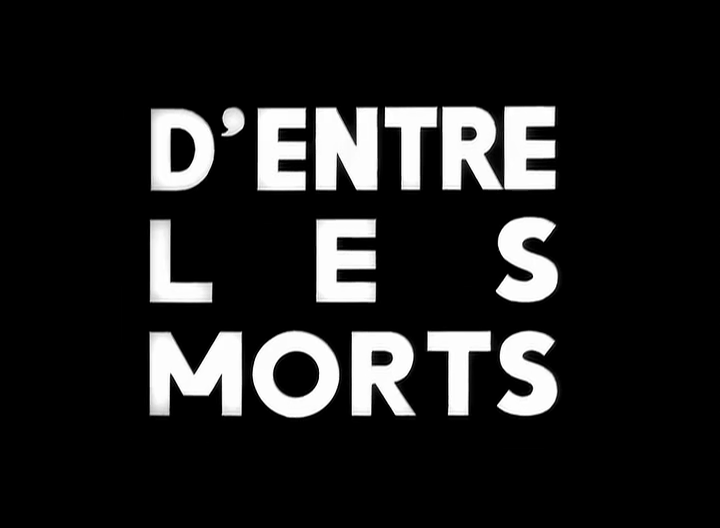
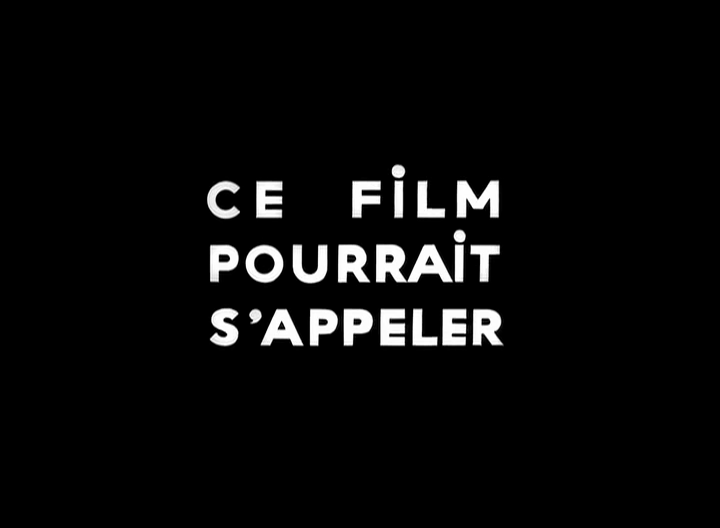
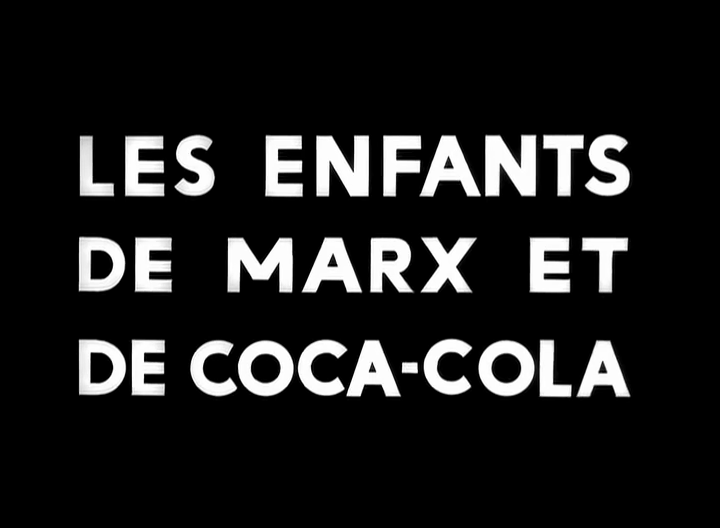
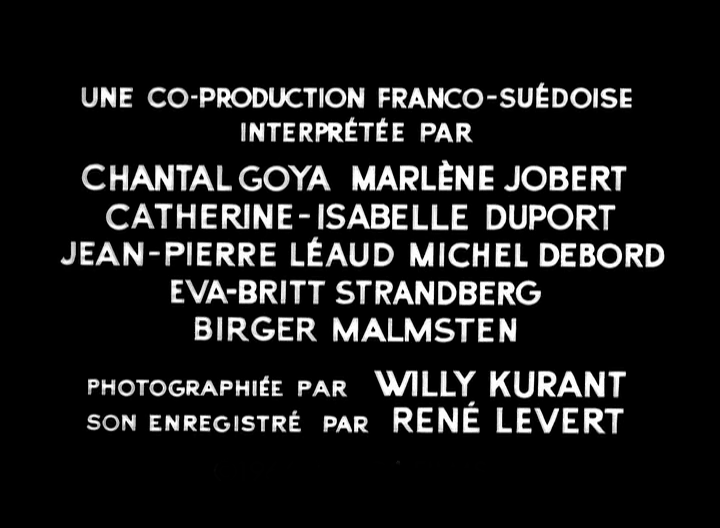
Here are the forty titles that frame and punctuate the film:

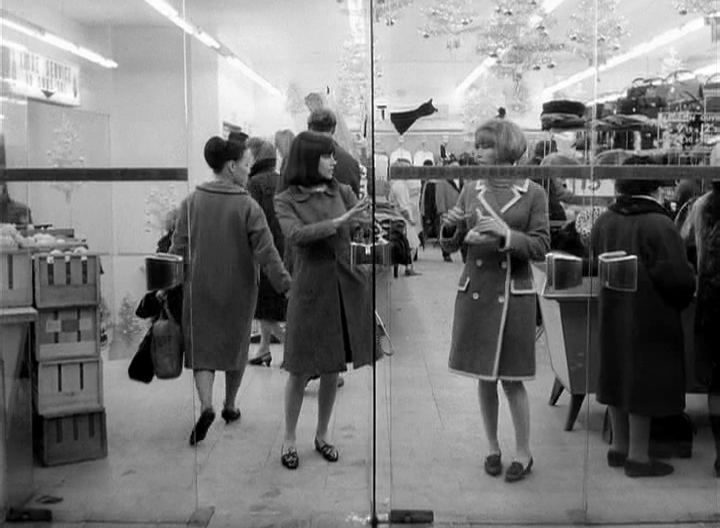
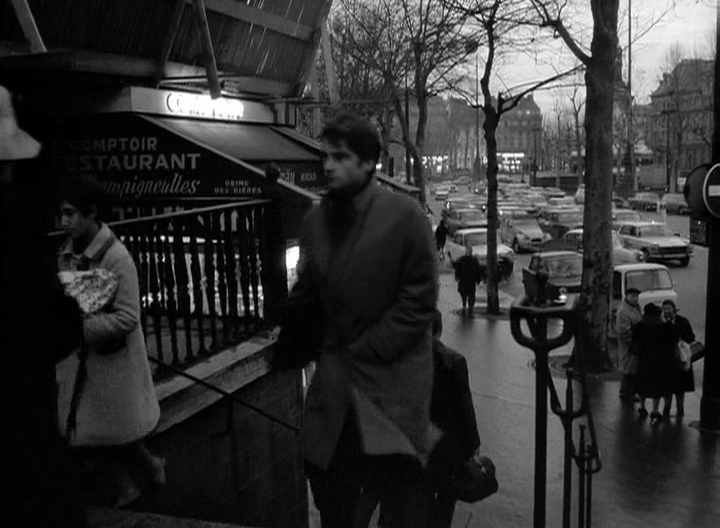
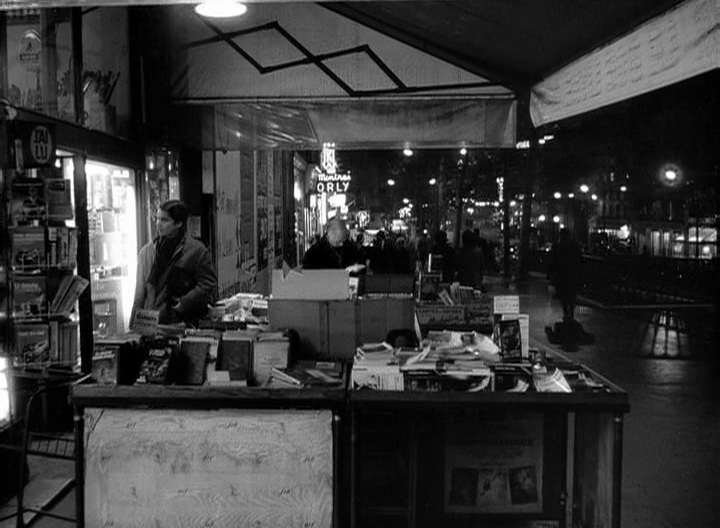
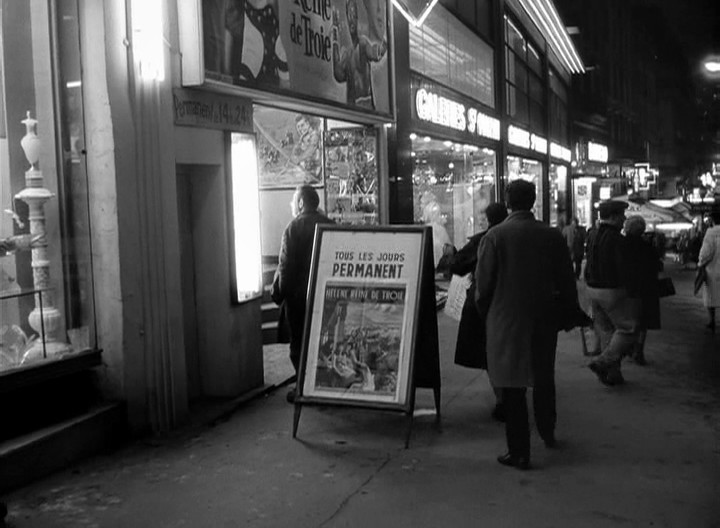
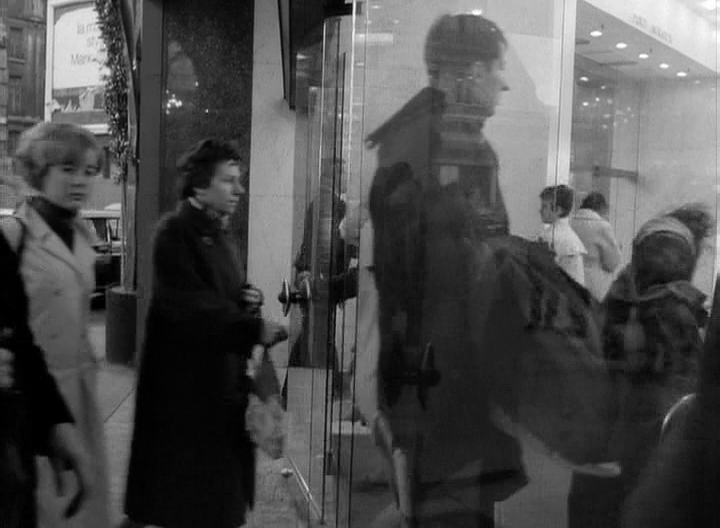
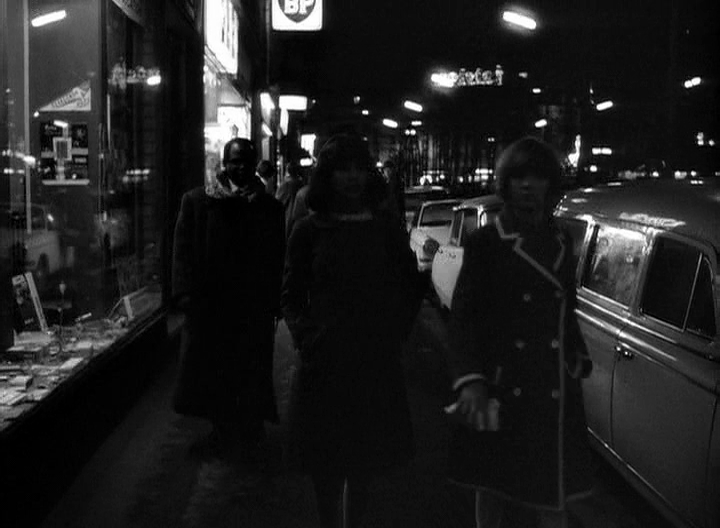
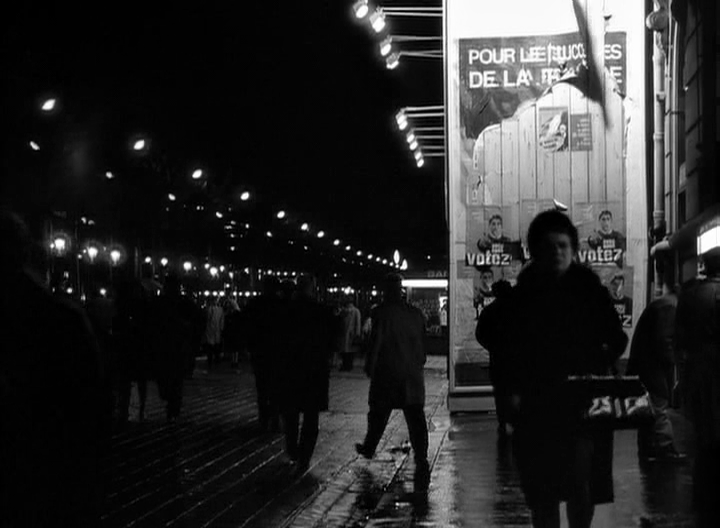
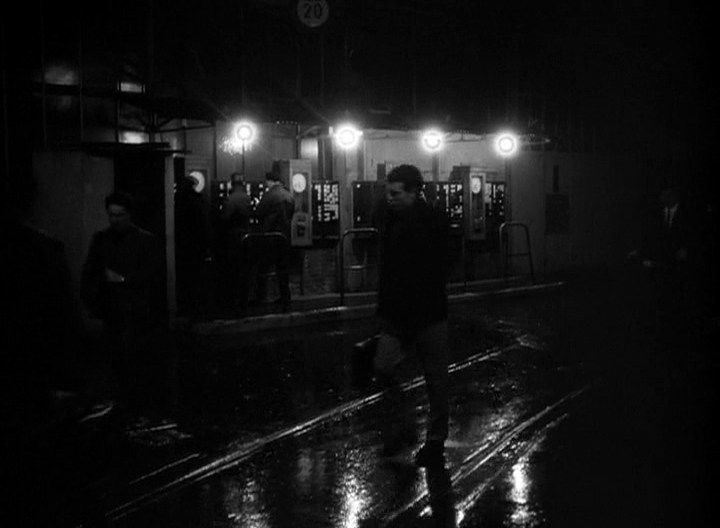
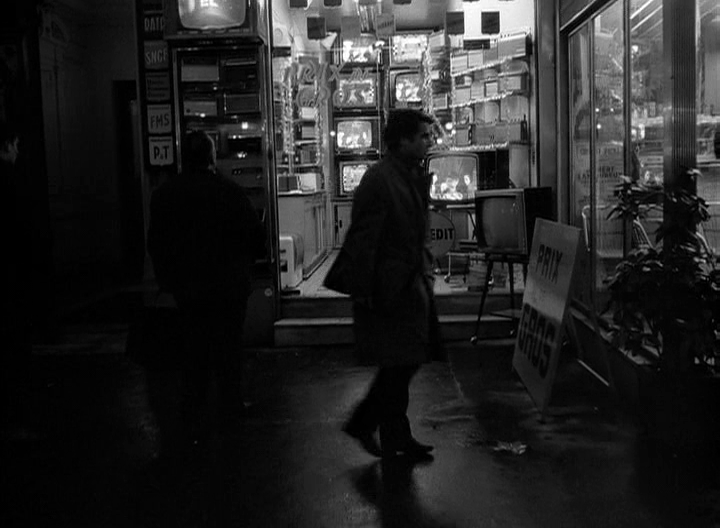
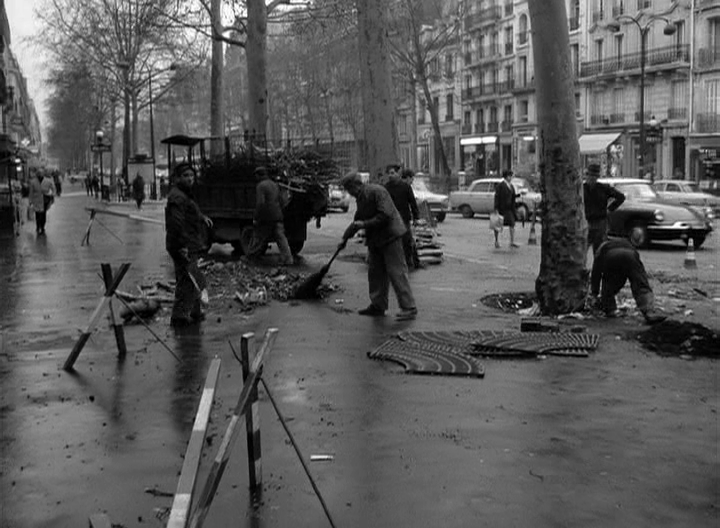
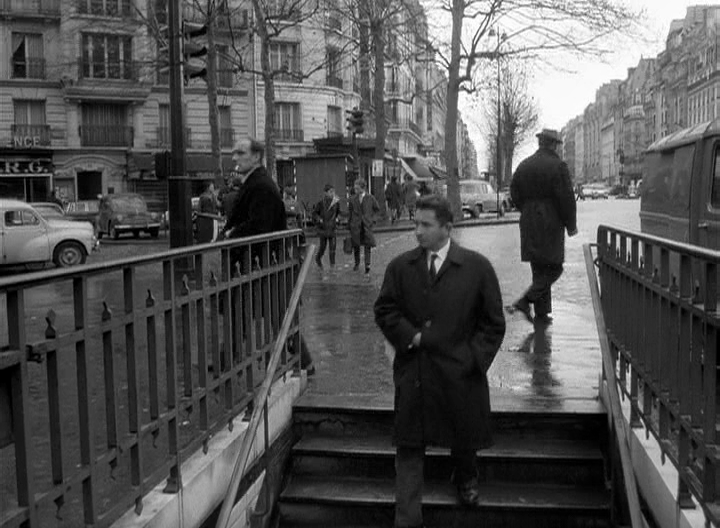
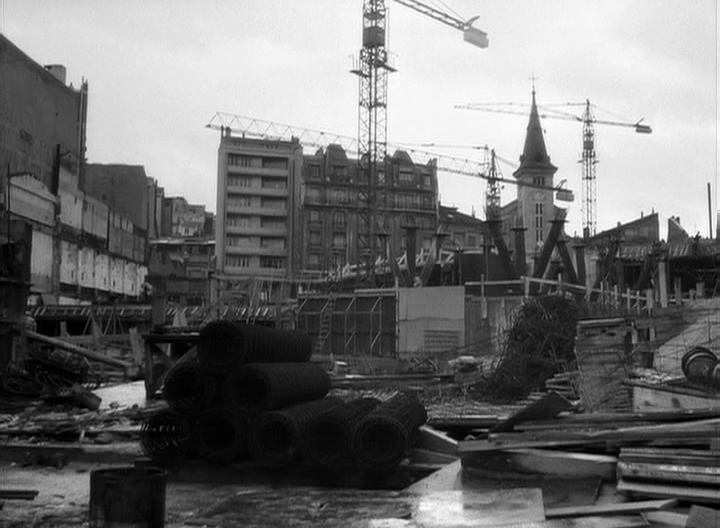
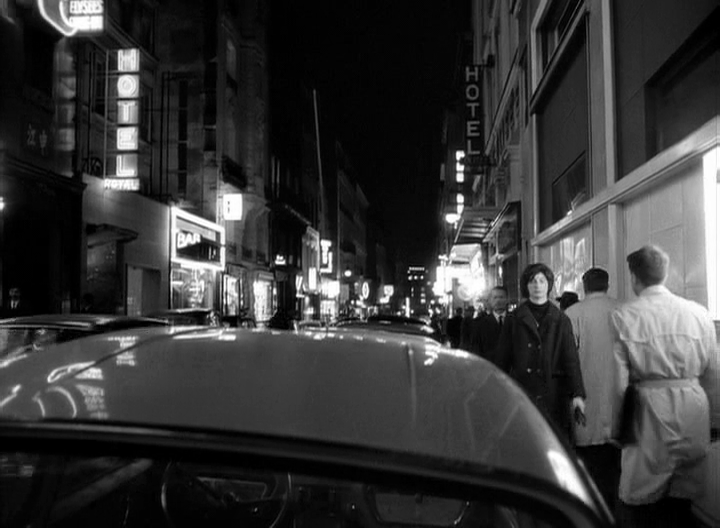
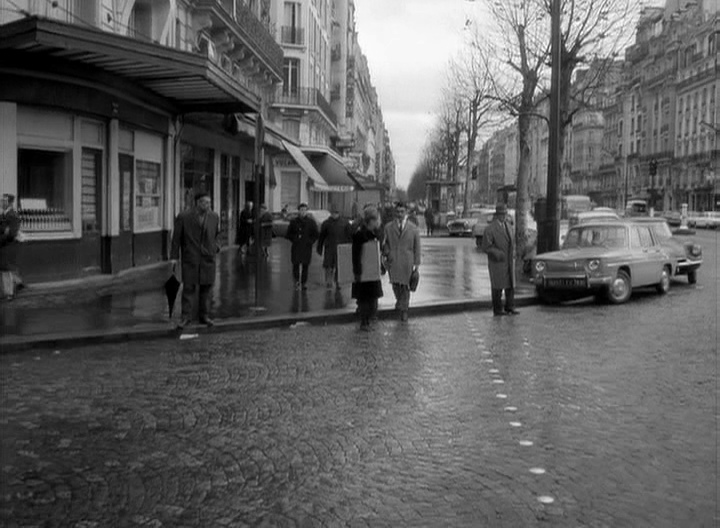
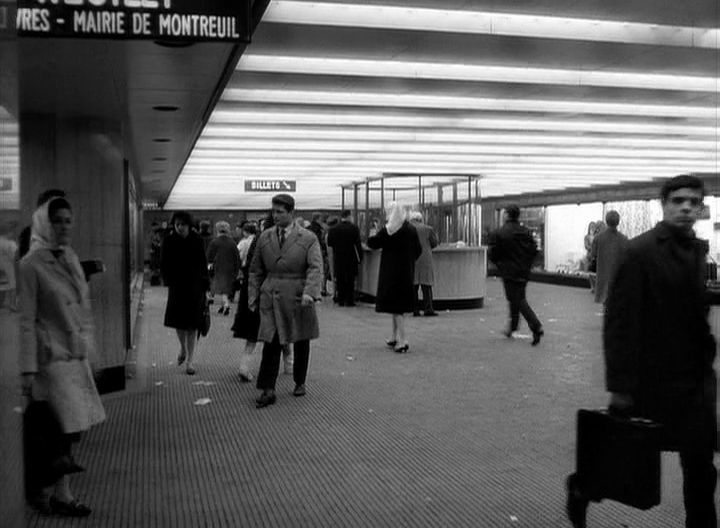
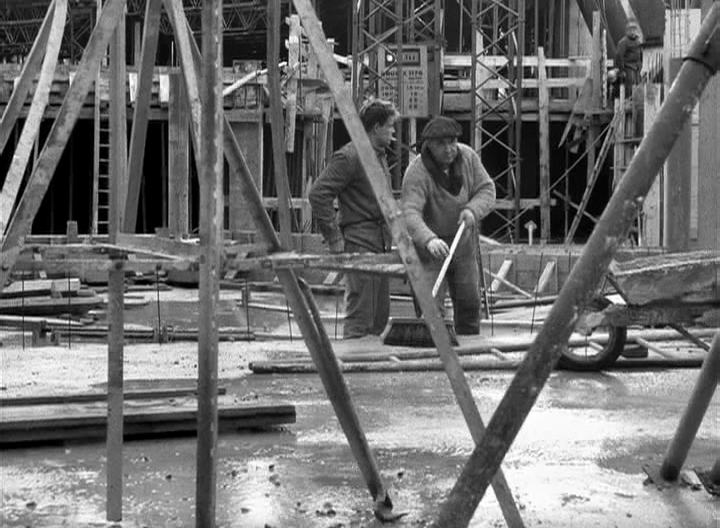
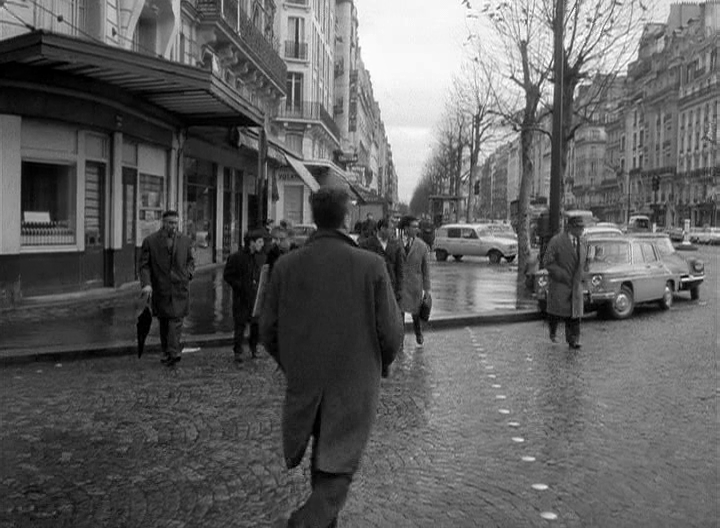
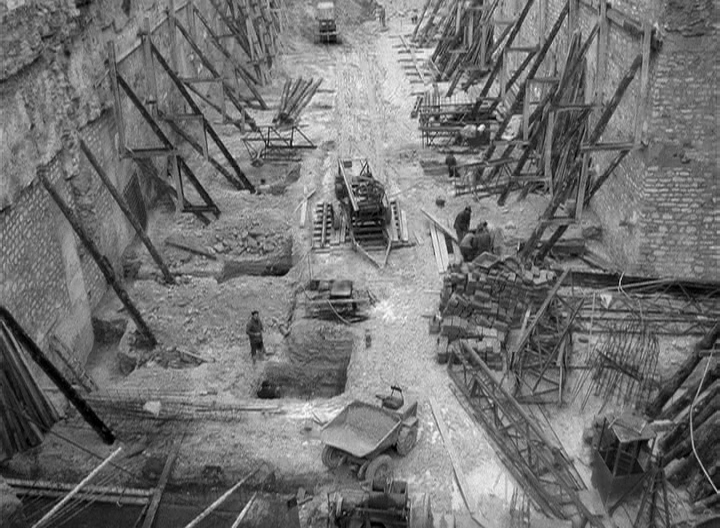
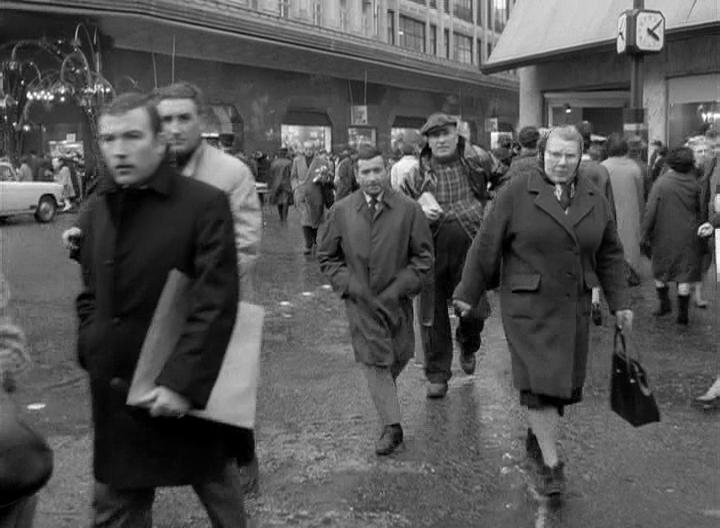
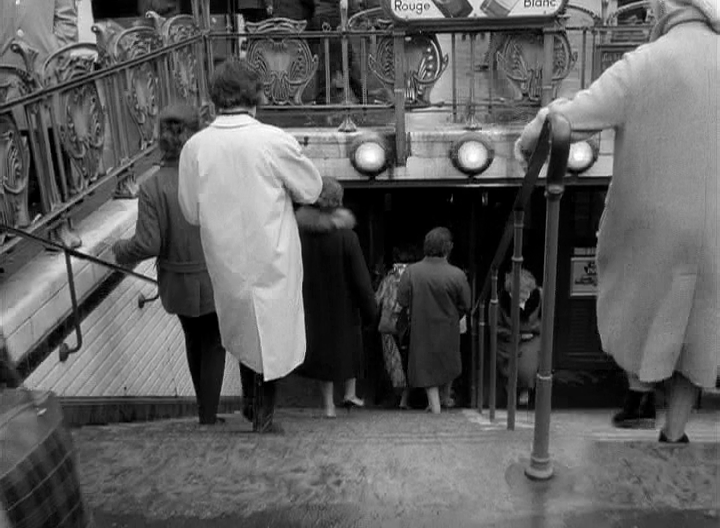
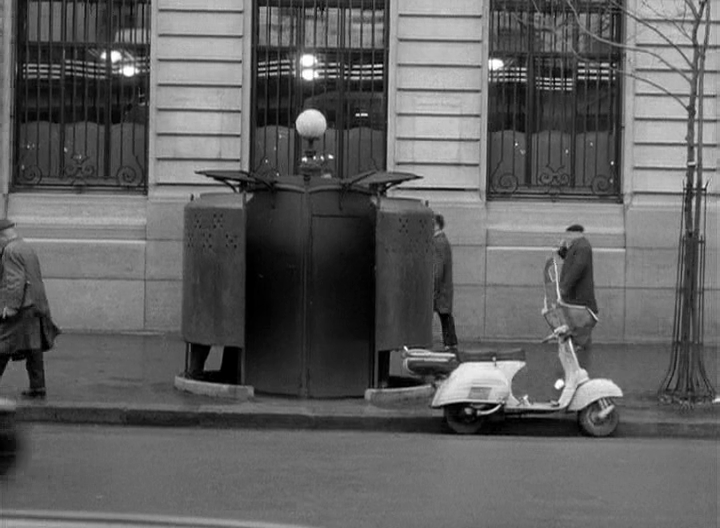
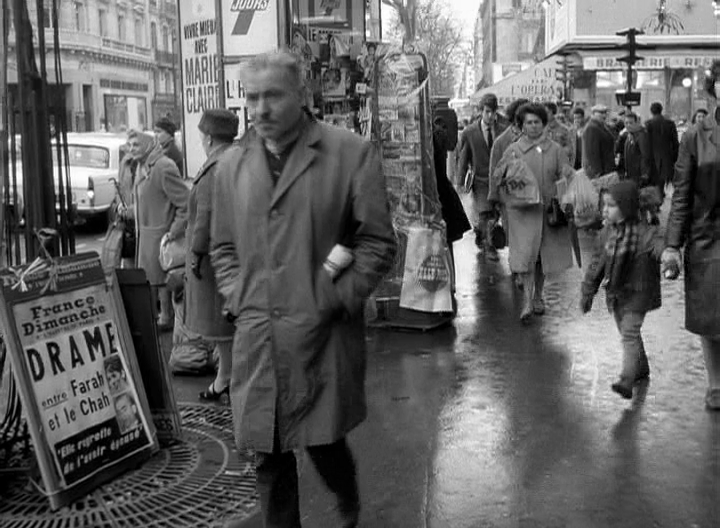
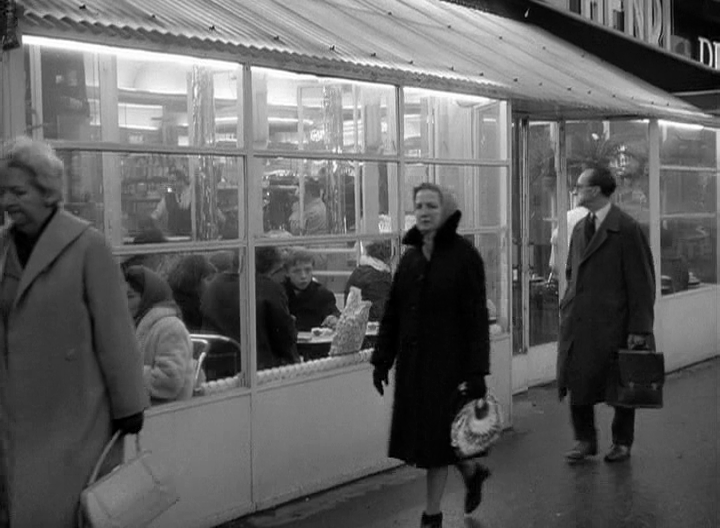
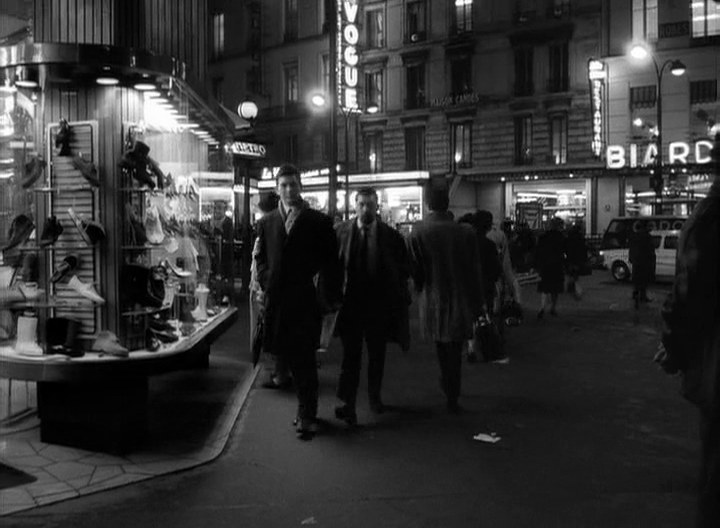
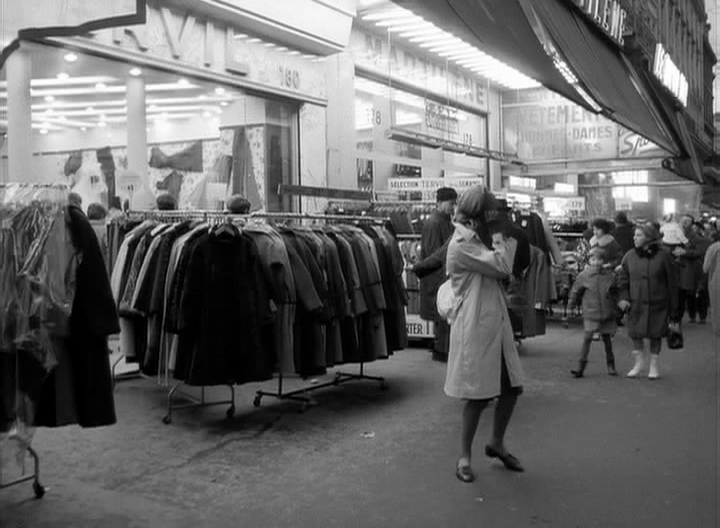
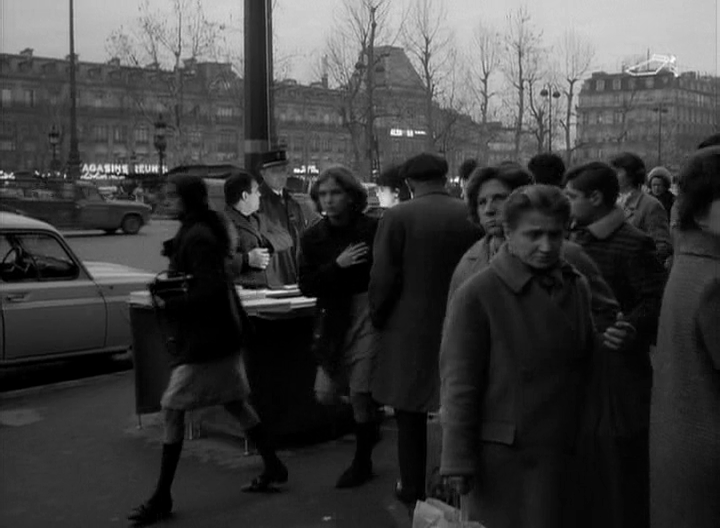
Here are the 50 views of the city inserted in and between sequences. When I have time I'll categorise them and where possible identify the locations: