|
Lux locations |
|
The Lux company operated between 1907 and 1913 from a studio at 94 Boulevard Jourdan, in the Petit Montrouge quartier of the 14th arrondissement, at the southern edge of Paris. There was a laboratory and warehouse at 111 Rue de Montrouge in Gentilly, the other side of the fortifications. The administrative offices were more central, at 32 Rue Louis le Grand, 2e.
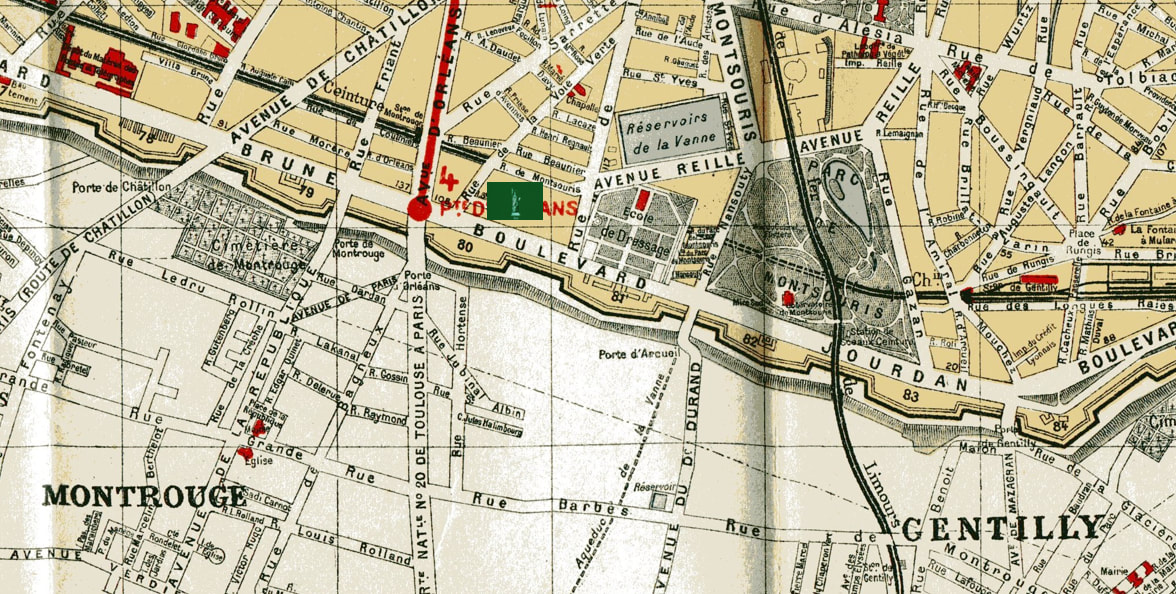
In his 2004 book A la recherché de Jean Durand, Francis Lacassin describes visiting the site of the studio in 1965 with Joë Hamman, the early Western star. Hamman was dismayed at the sight of the modern building that had gone up, which hadn't been there in 1950 when he was last in the area. 'The studio still existed, "you could see its glass roof between the buildings".' It is possible he meant the structure at the right edge of this postcard:
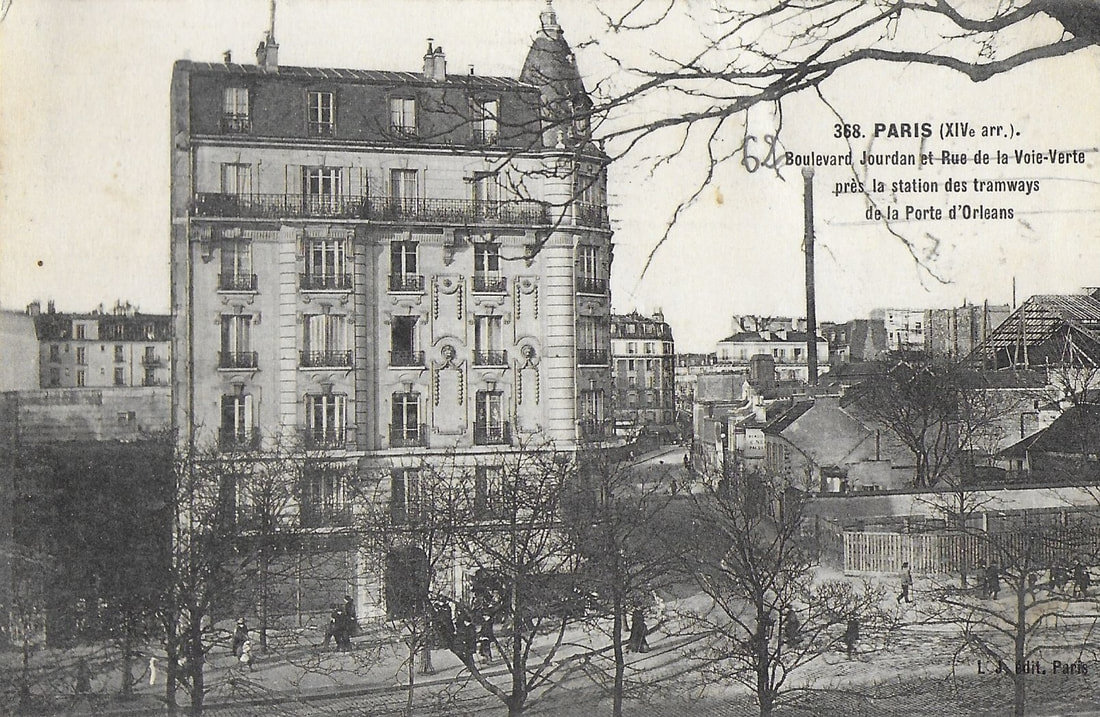
When this postcard was made the corner of the Rue de la Voie Verte and the Boulevard Jourdan had been developed (some time around 1909):
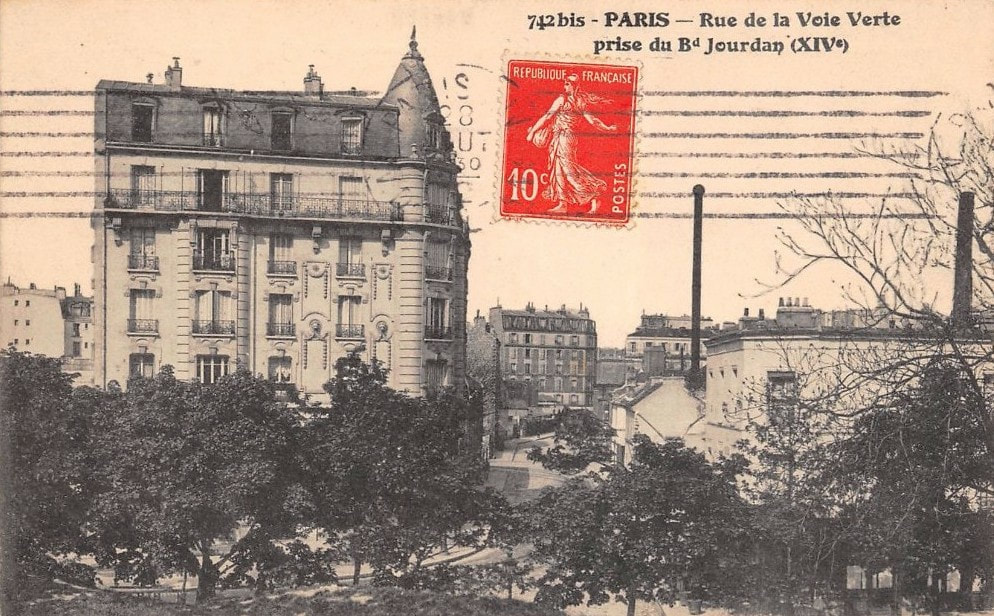
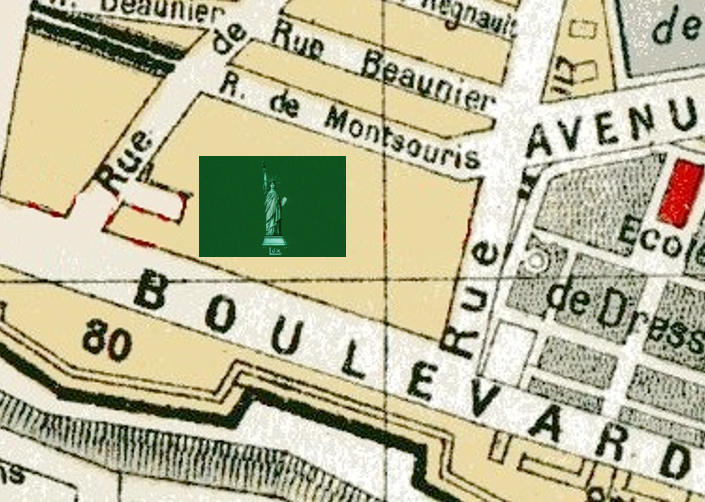
The studio was in the block formed by the Boulevard Jourdan, the Rue de la Voie Verte (now Rue du Père Corentin), the Rue de Montsouris and the Rue de la Tombe Issoire, at the end of the Impasse Saint Alphonse. Below left is the plan parcellaire from the 1890s, before the studio was built in 1907:

|
|
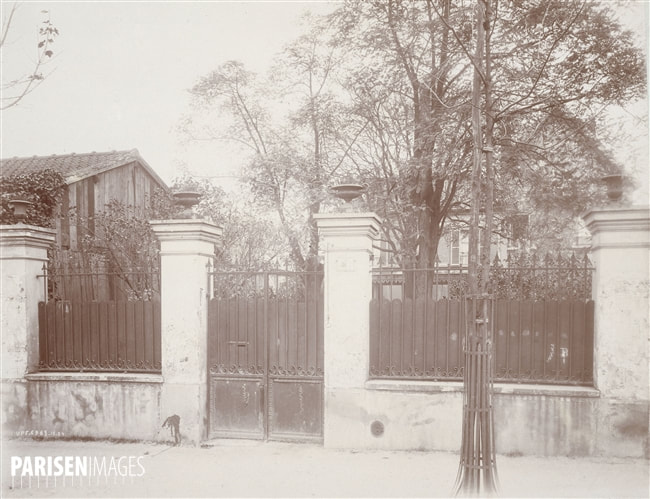
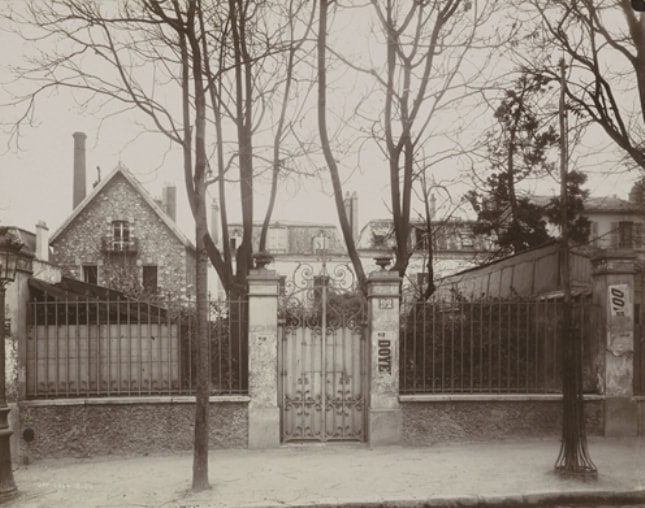
And these are photographs of 96 and 92 Boulevard Jourdan taken in 1904:
|
|
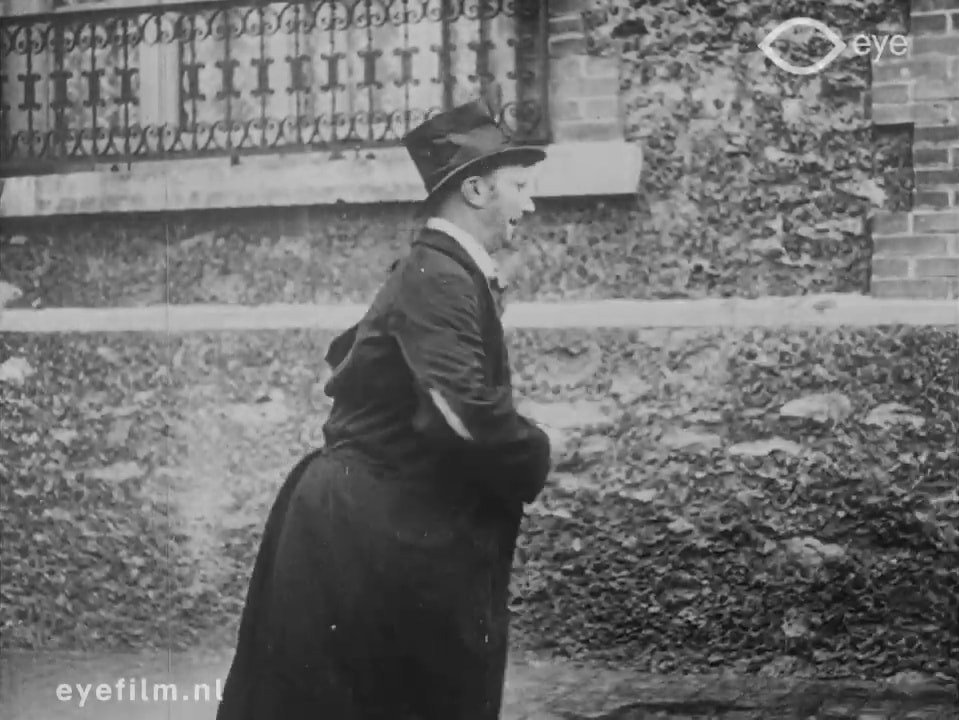
In the 1913 film Cunégonde femme cochère we see an entrance that I think fills the gap between these two - that looks like a number 94 on the wall to the left:
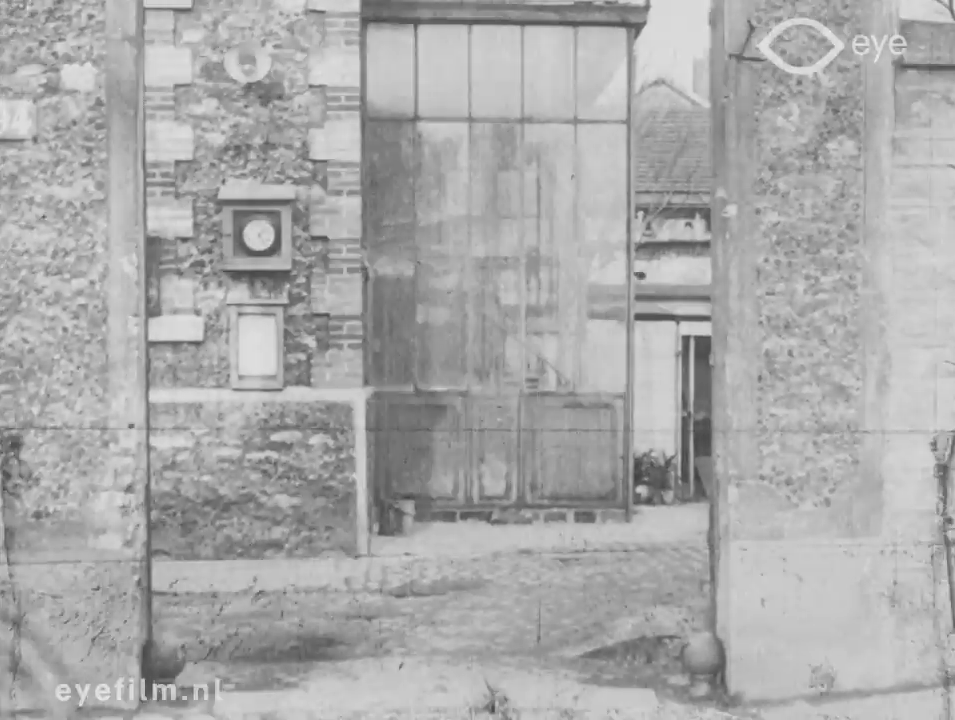
Through the entrance is what looks like the glass of a studio building, and also a brick and stone building that matches a building seen in Cunégonde trop curieuse (1912) and Gratitude obsédante (1912):

|
|
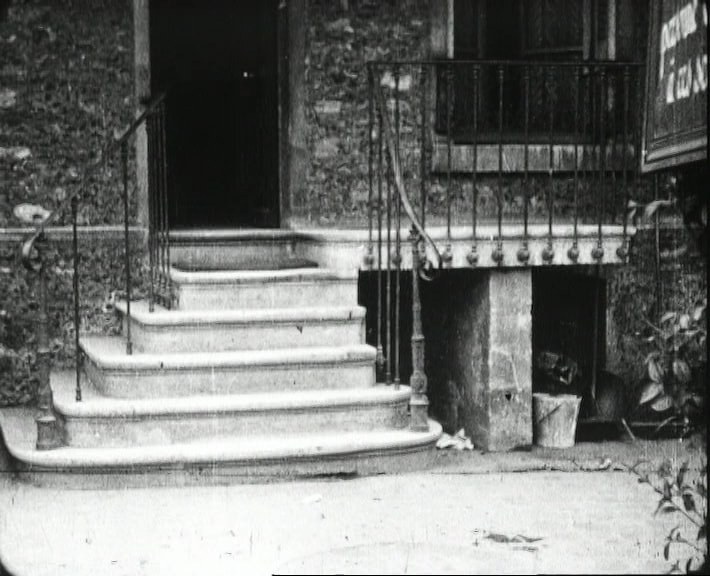
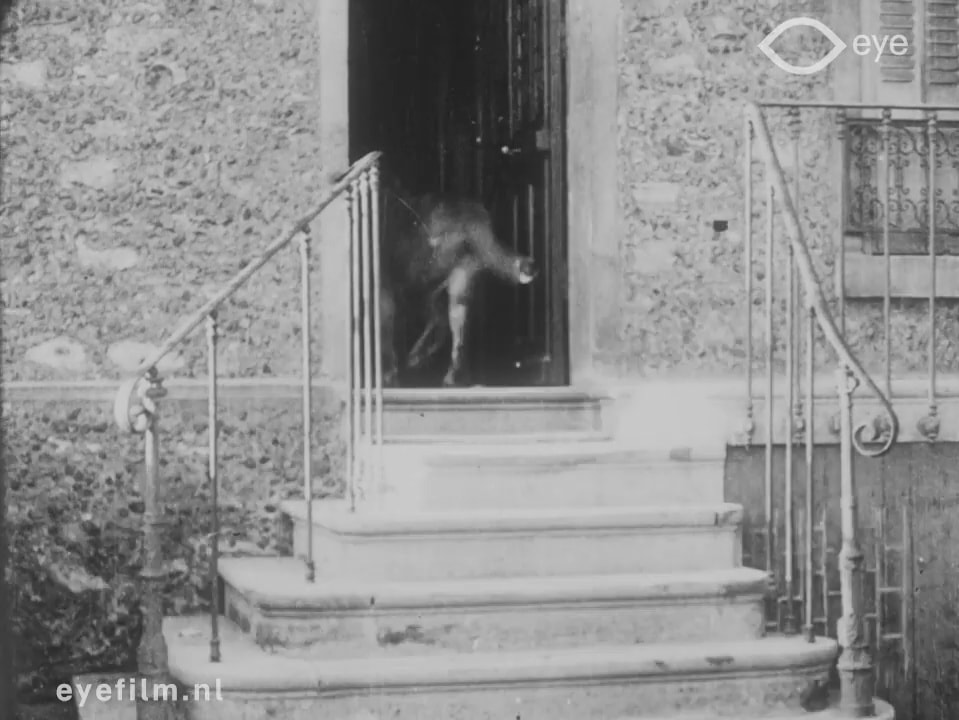
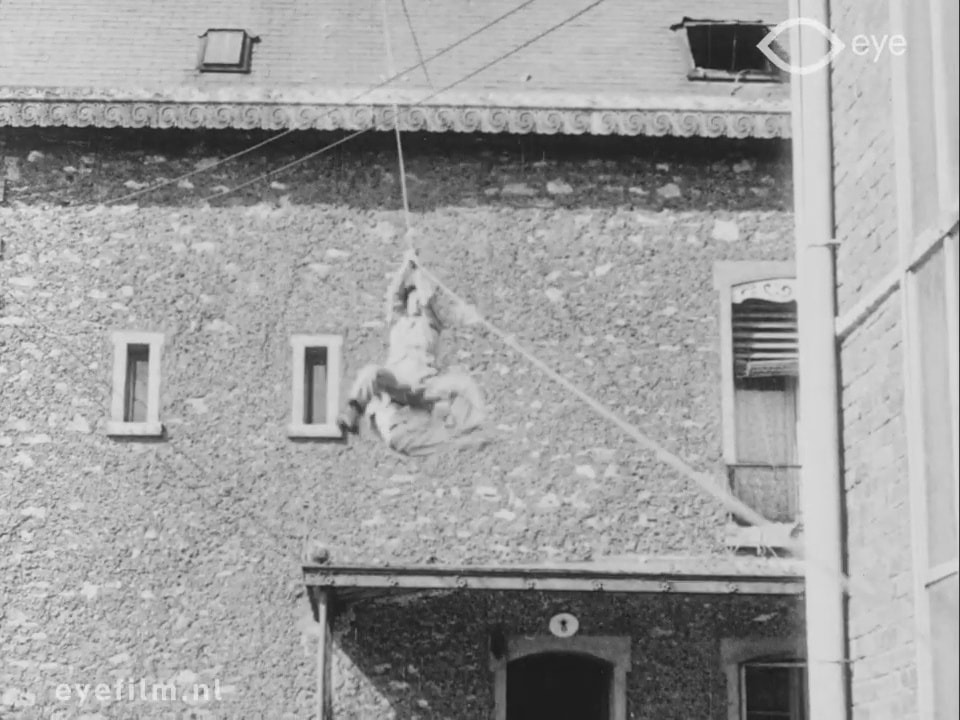
The appearance in three different Lux films of the steps of another building suggests to me that it too was was connected directly to the studio. Here it is in Cunégonde membre de la S.P.A. and Gare! les lions!, both from 1912:
|
|
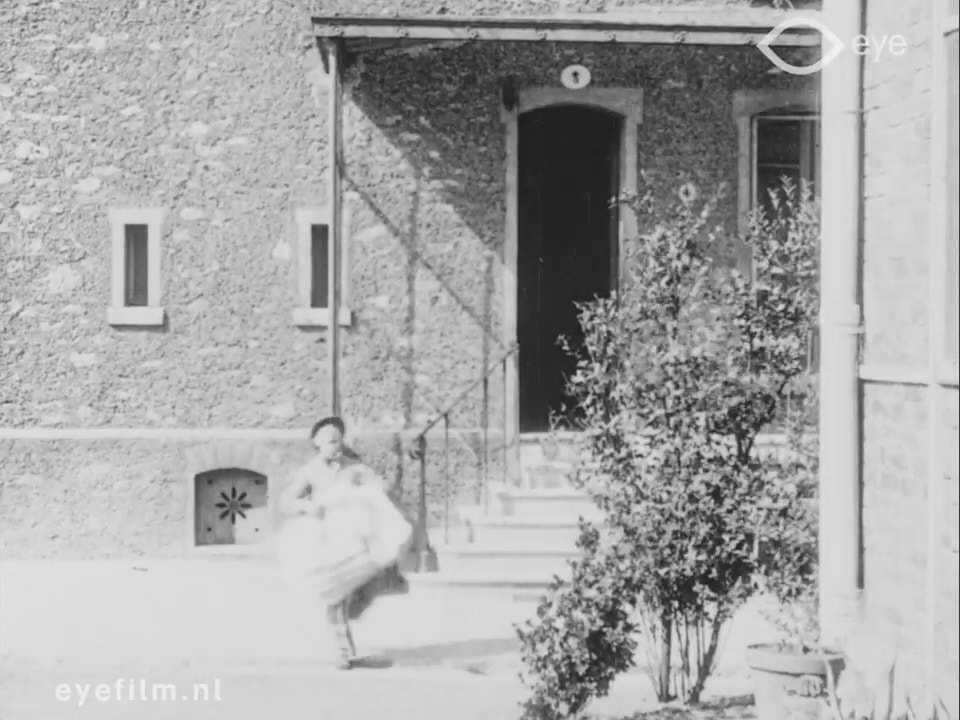
In Patouillard crieur de journaux (1911) we can see the courtyard space in front of these steps and, to the right, what looks like a studio building:
|
|
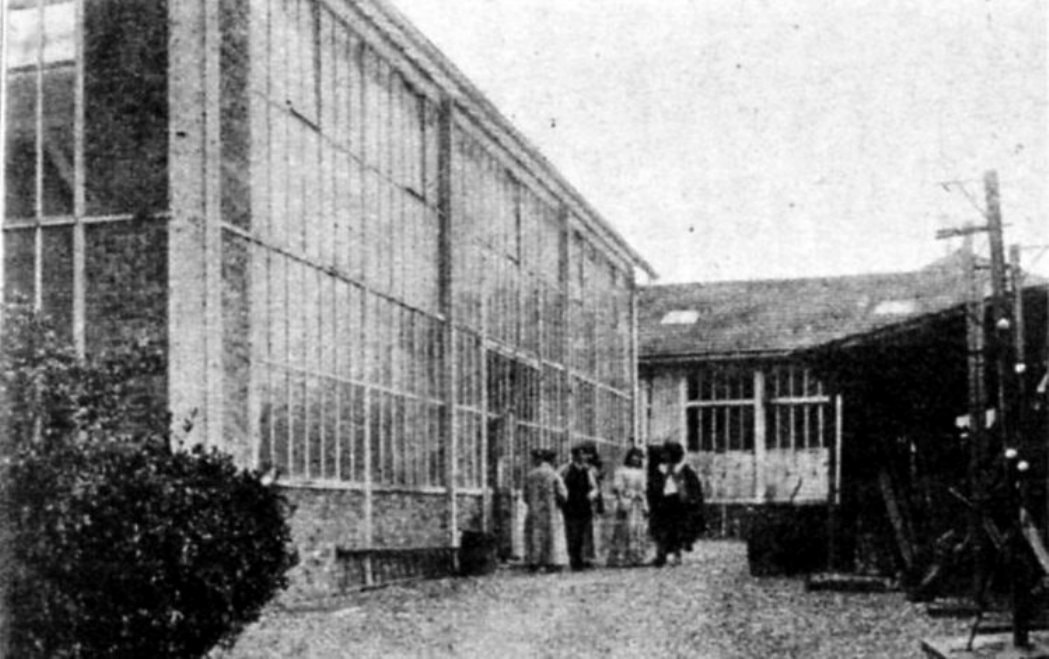
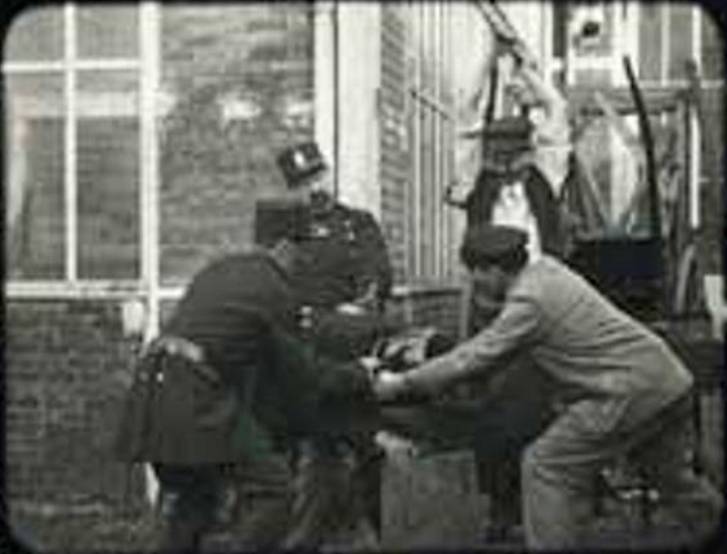
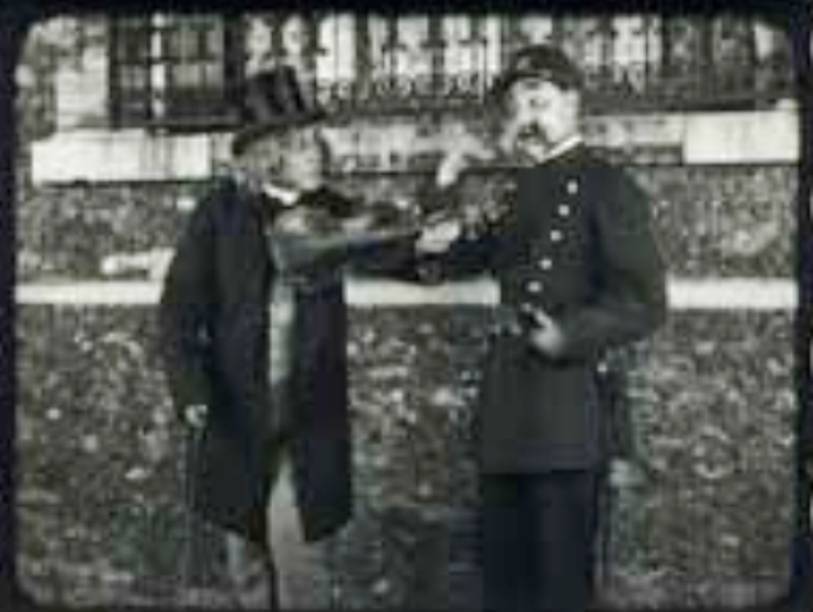
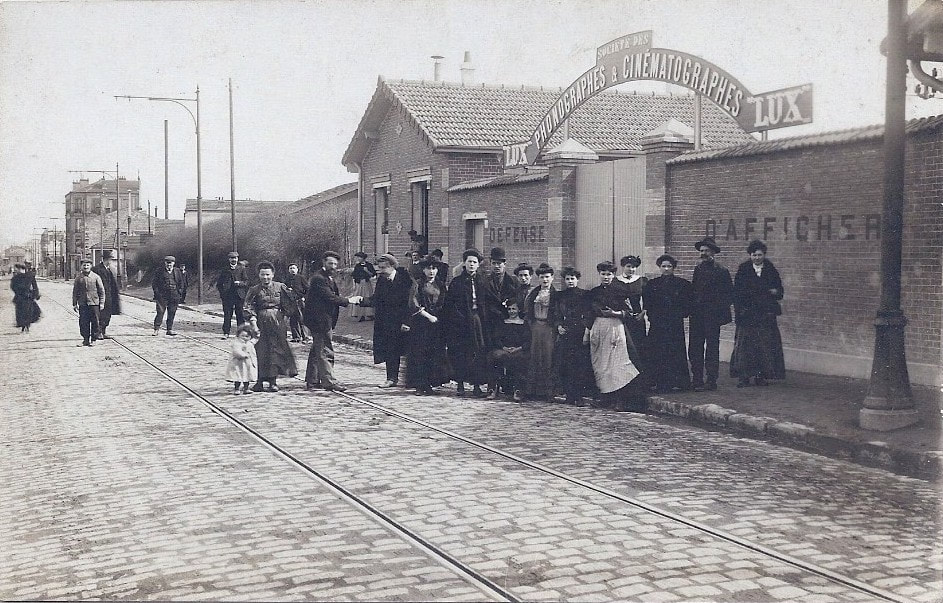
This photo of the Lux studio was reproduced by Laurent Mannoni in his essay on Pathé studios in the Paris region. It and the building seen in Cunégonde femme cochère can be seen again in these clippings from the Turconi collection - the film is, I think, Le Chapeau ensorcelé (1910):
|
|
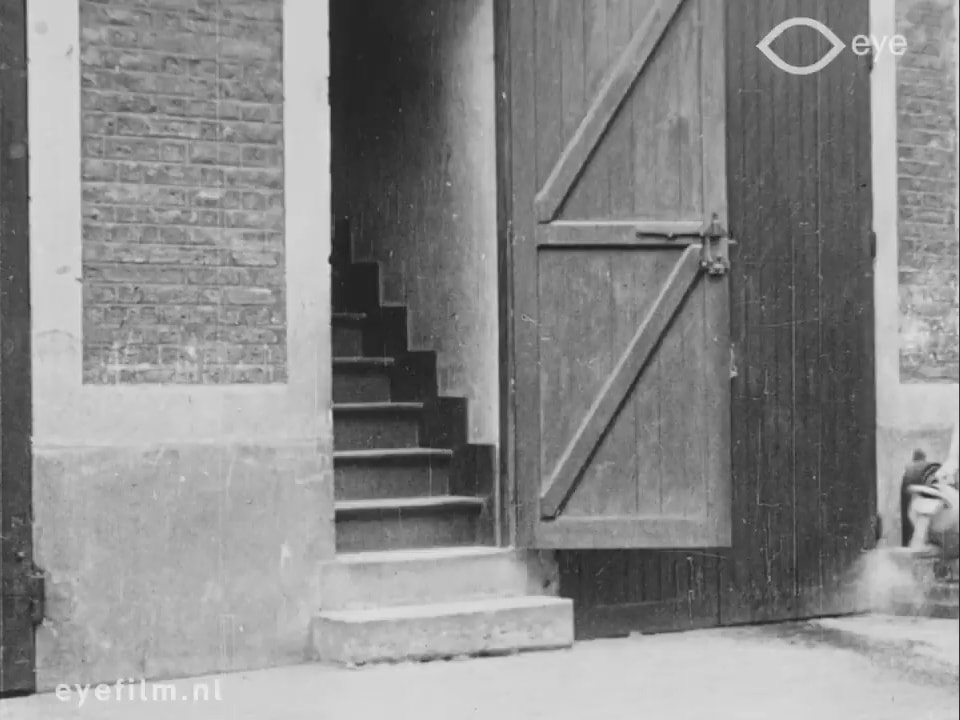
In Ma concierge est trop jolie (1912) is what might also be a studio building:
And in Patouillard et l'ours policier (1911) is a building of the light industrial type that might also be associated with the studio, though it doesn't seem to match any of the buildings above:
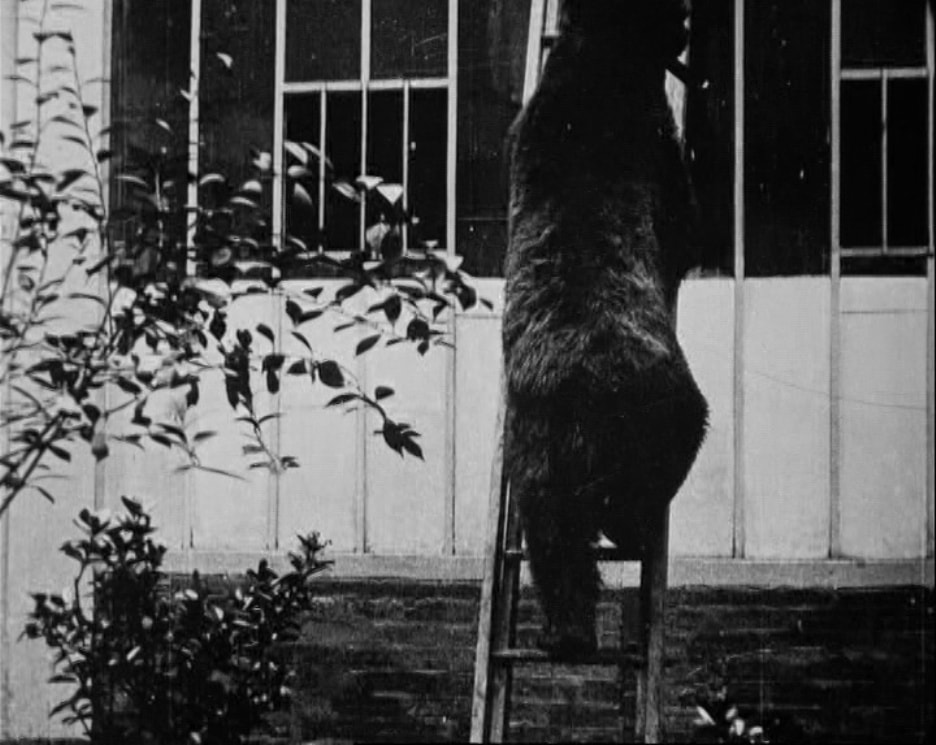
|
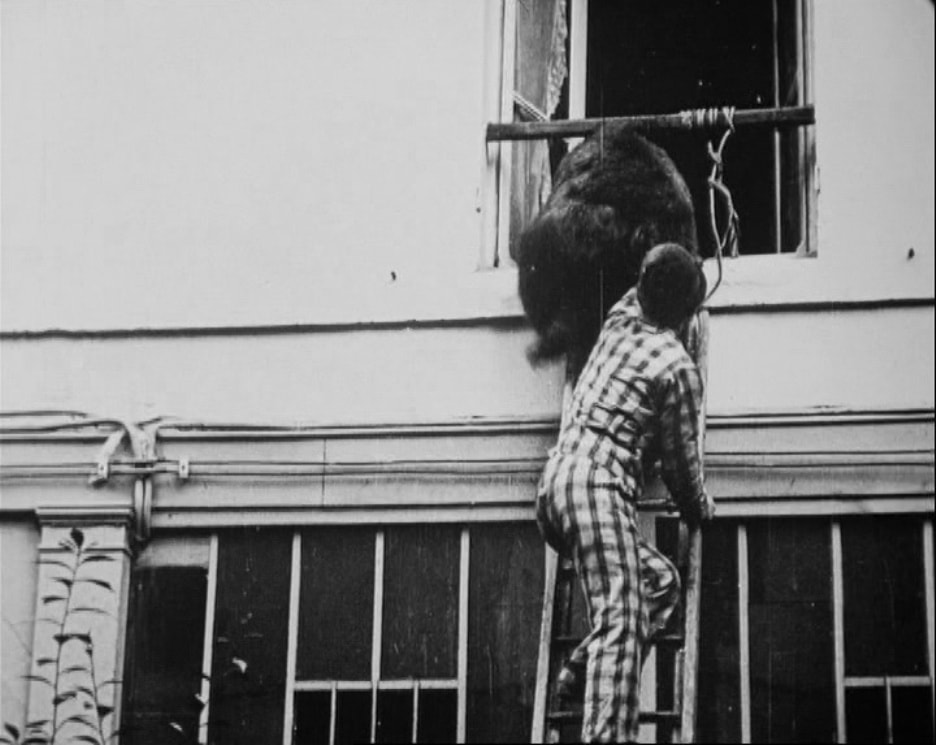
|
Another recurrent set of steps suggests to me, again, that they belong to a house connected to or at least near the studio:
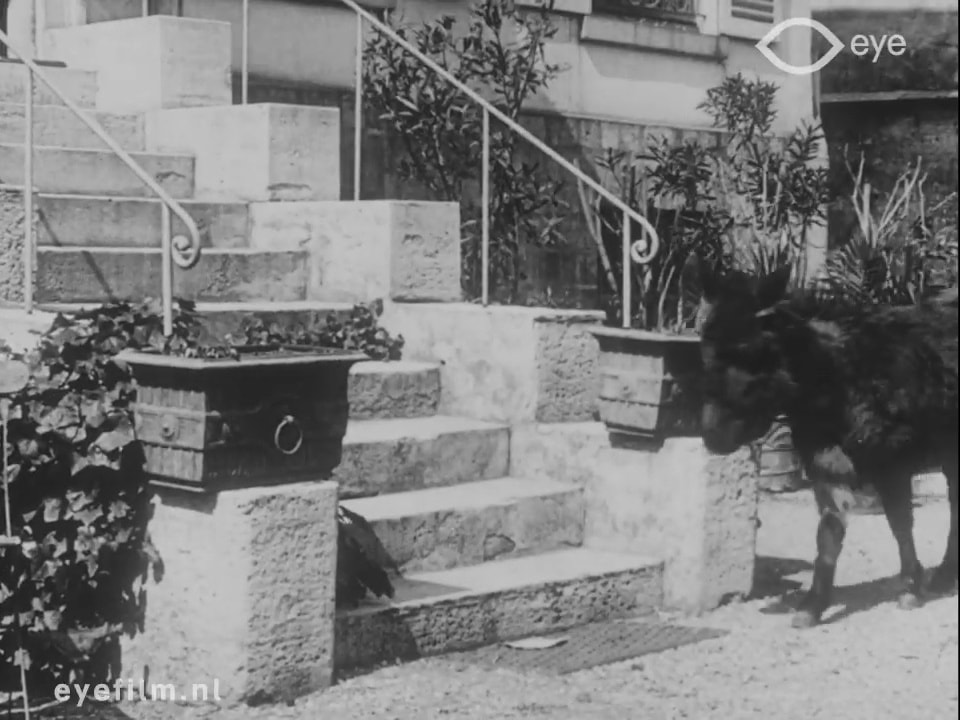
L'Ane domestique (1912)
|
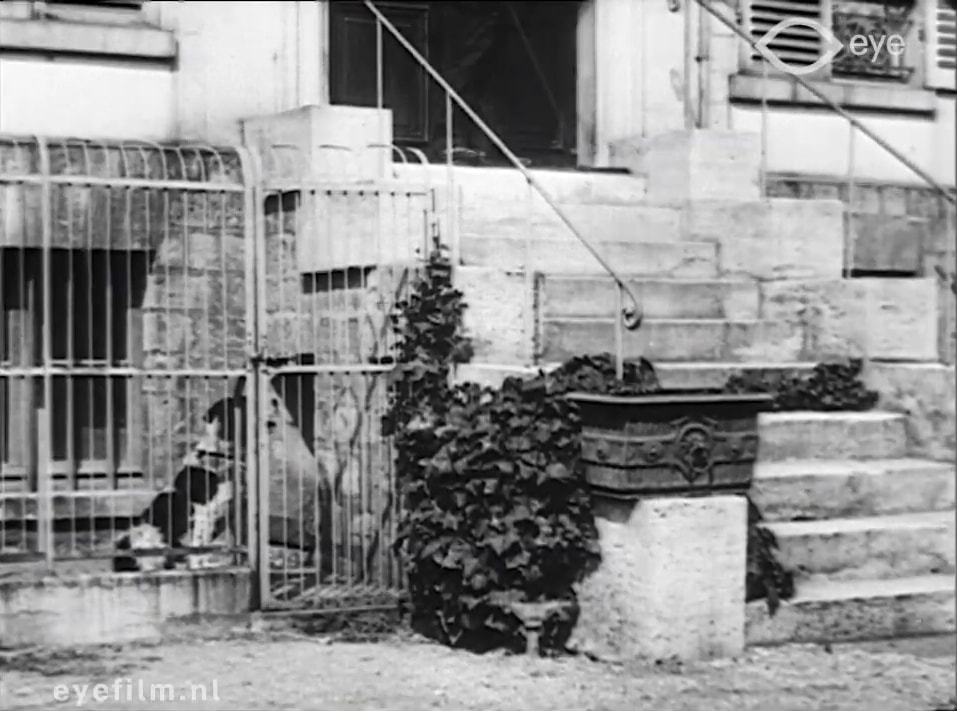
Le Chien insaisissable (1912)
|
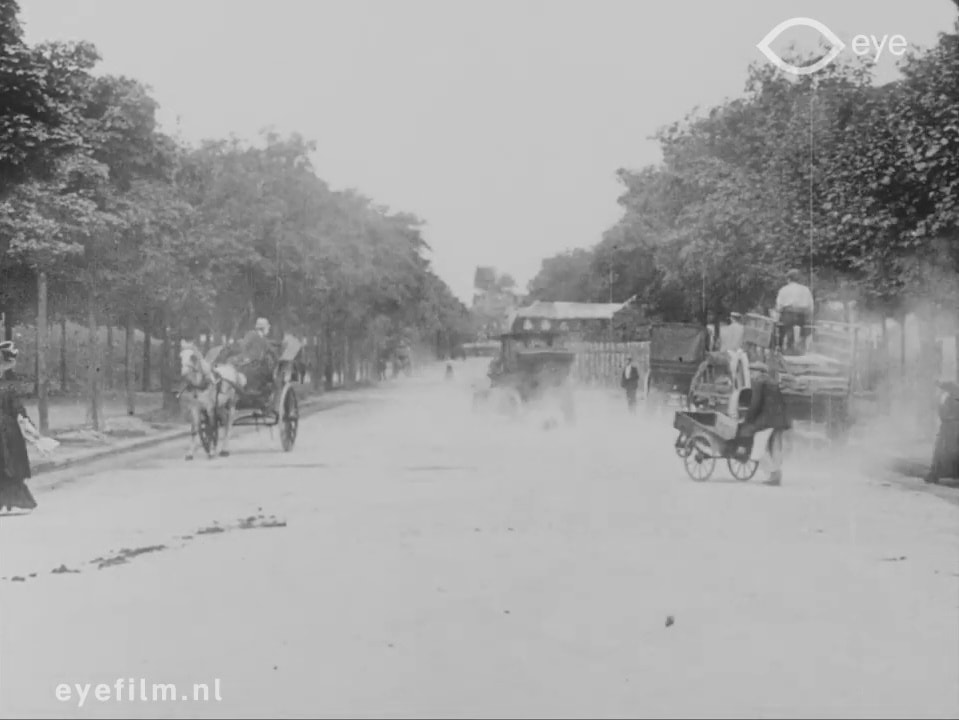
It isn't unusual for a studio to use its own premises as a location, nor is it unusual for its filmmakers to move onto the surrounding streets. Here, from Patouillard fait du Sandow (1911), is a view up the Rue de la Voie Verte:
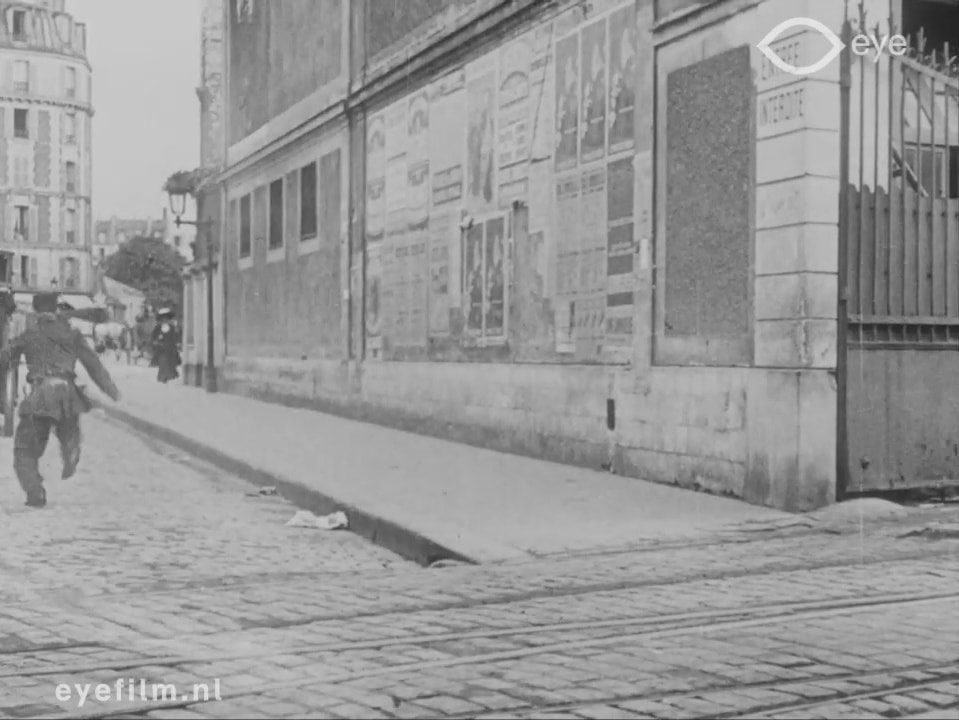
|
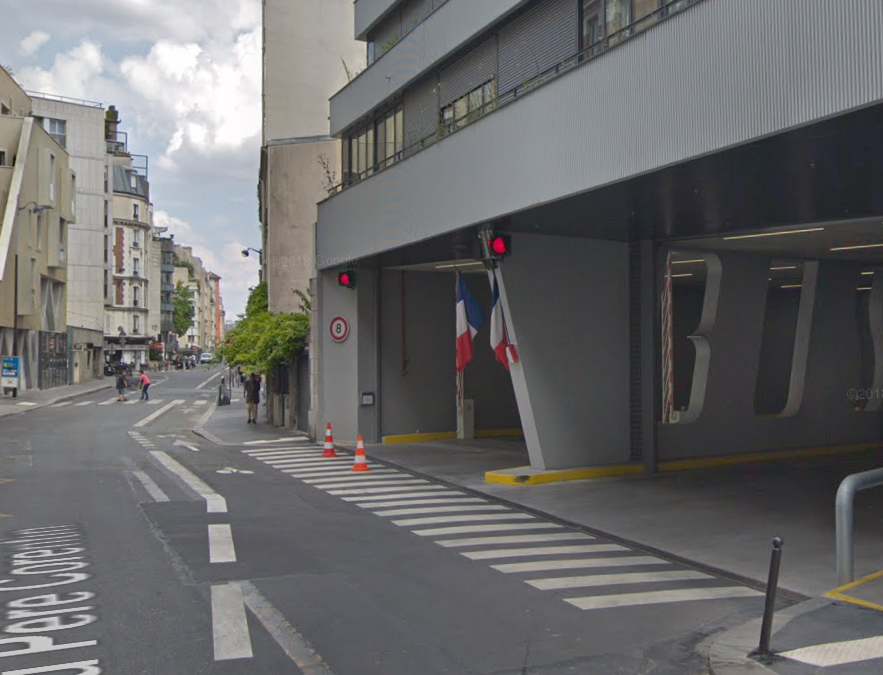
|
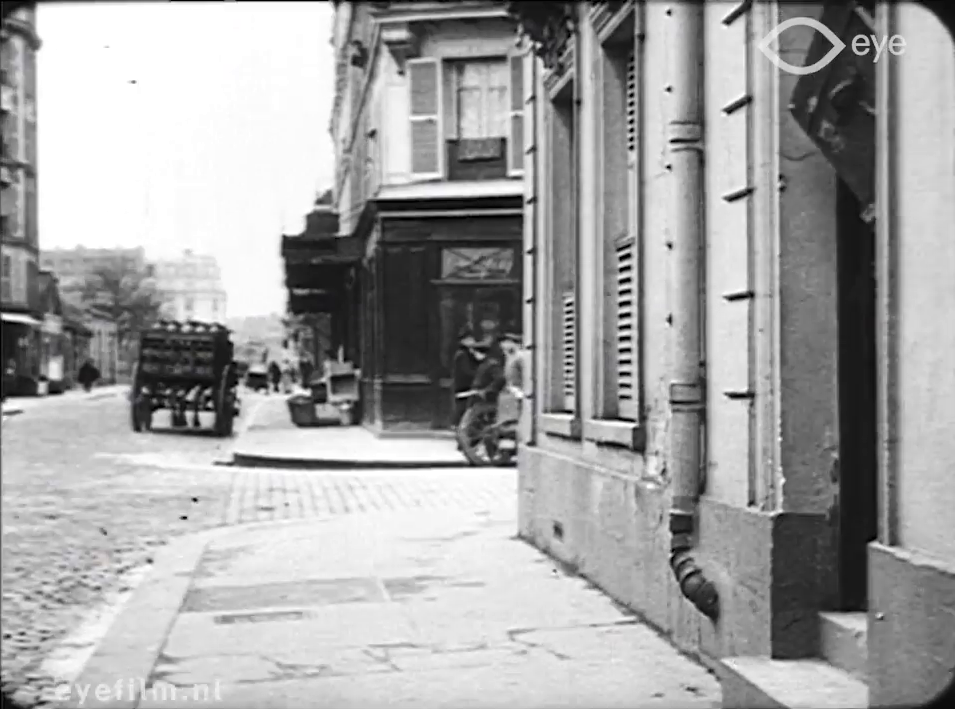
These, from Cunégonde femme crampon (1912), are view from a little further up the street. The house in the foreground, right, is no.65:
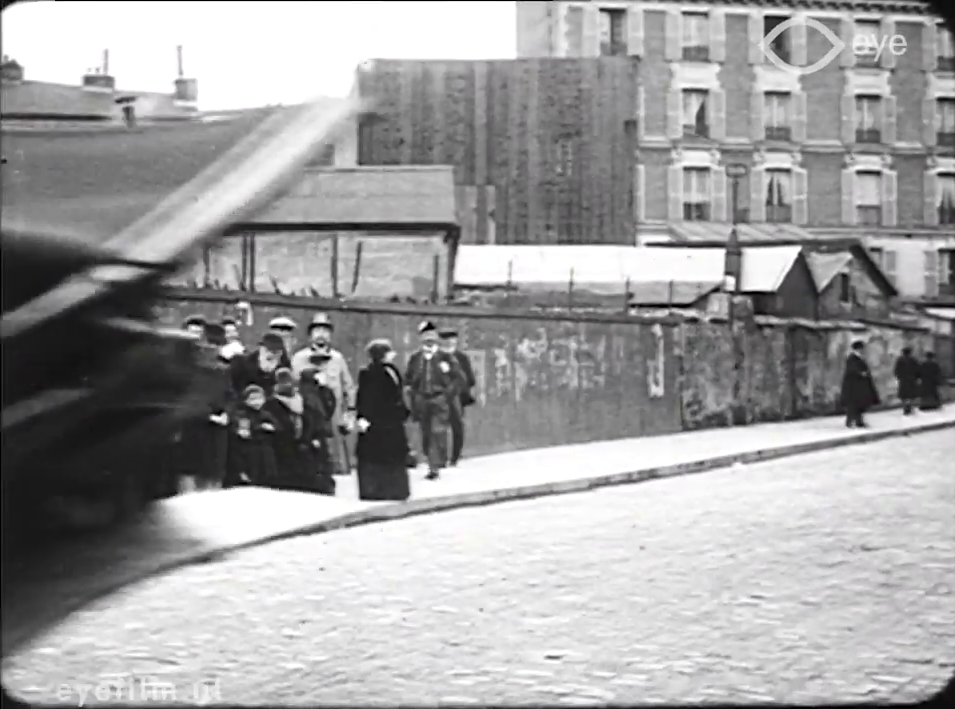
|
|
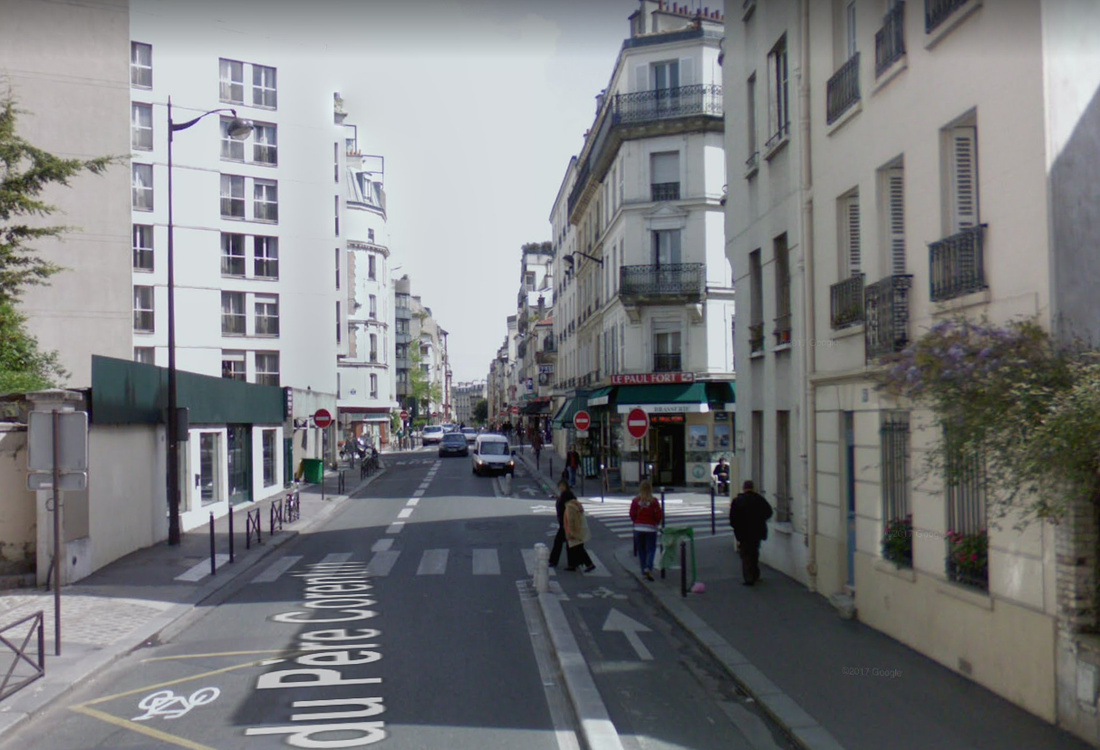
Rue du Père Corentin, 14e, Google Street View May 2008
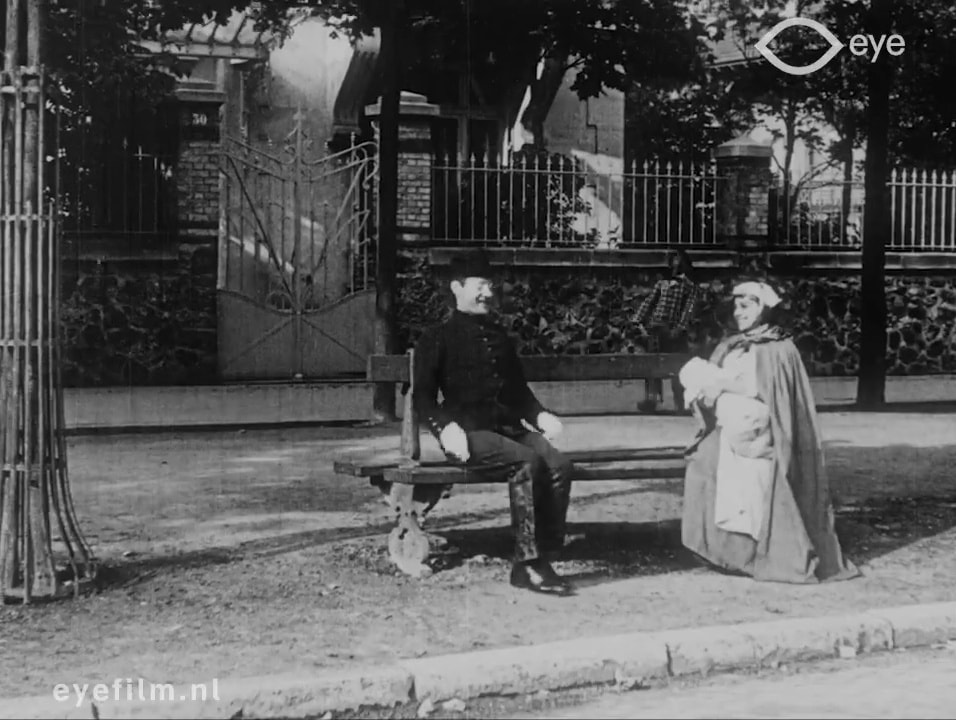
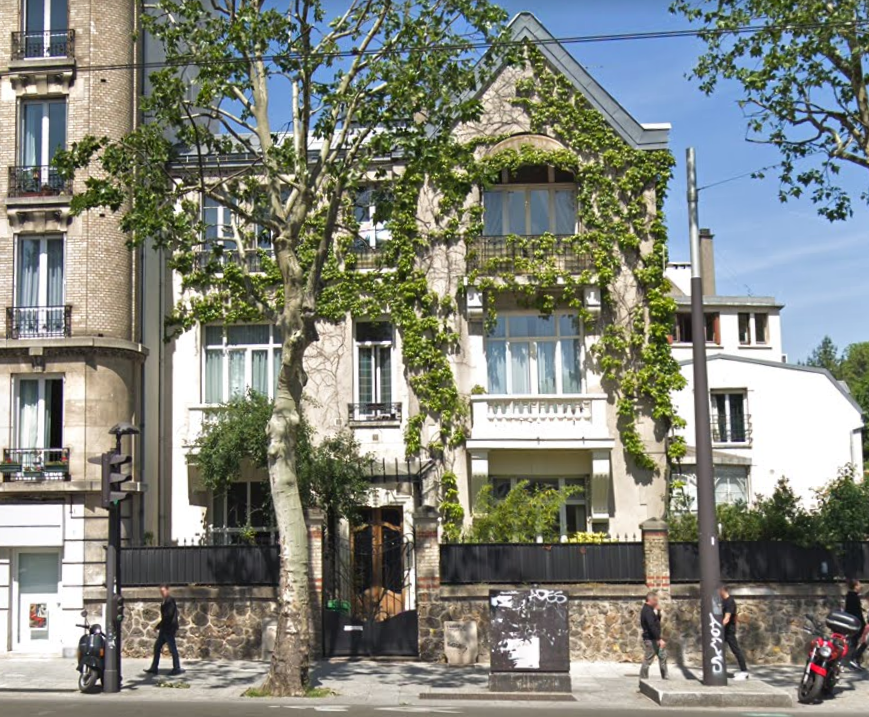
Here, from Patouillard a mangé du homard (1911), is a house at 30 Boulevard Jourdan:
|
|
This is the only survivor of the several individual villas that lined this side of the Boulevard Jourdan. In L'Ane domestique and Le Chien insaisisable (both 1912) are two views of a villa that I suspect was also on this boulevard:
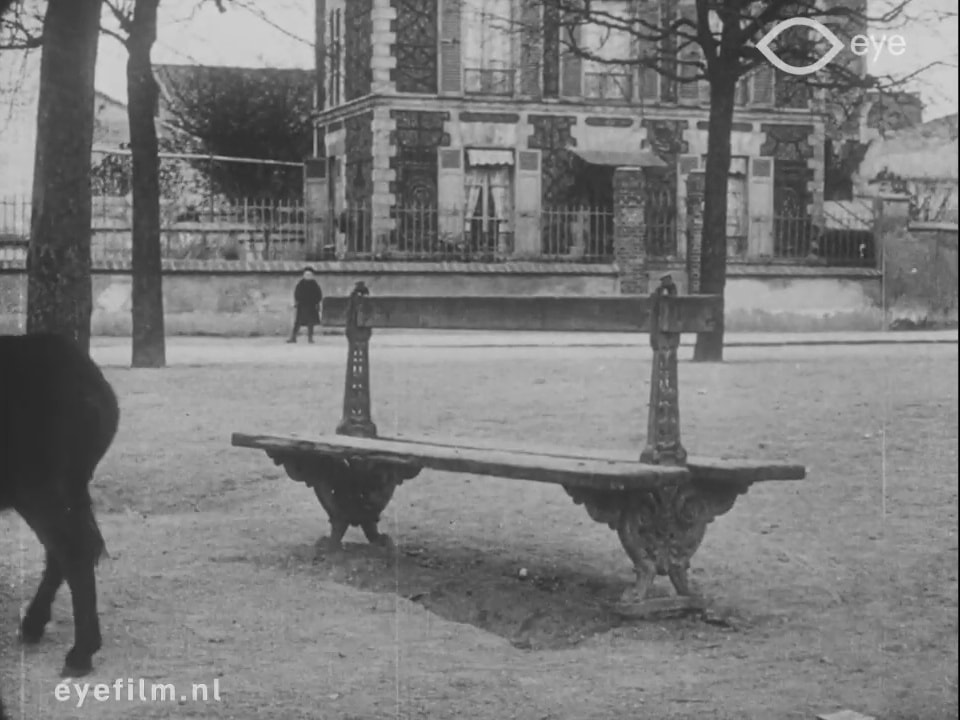
|
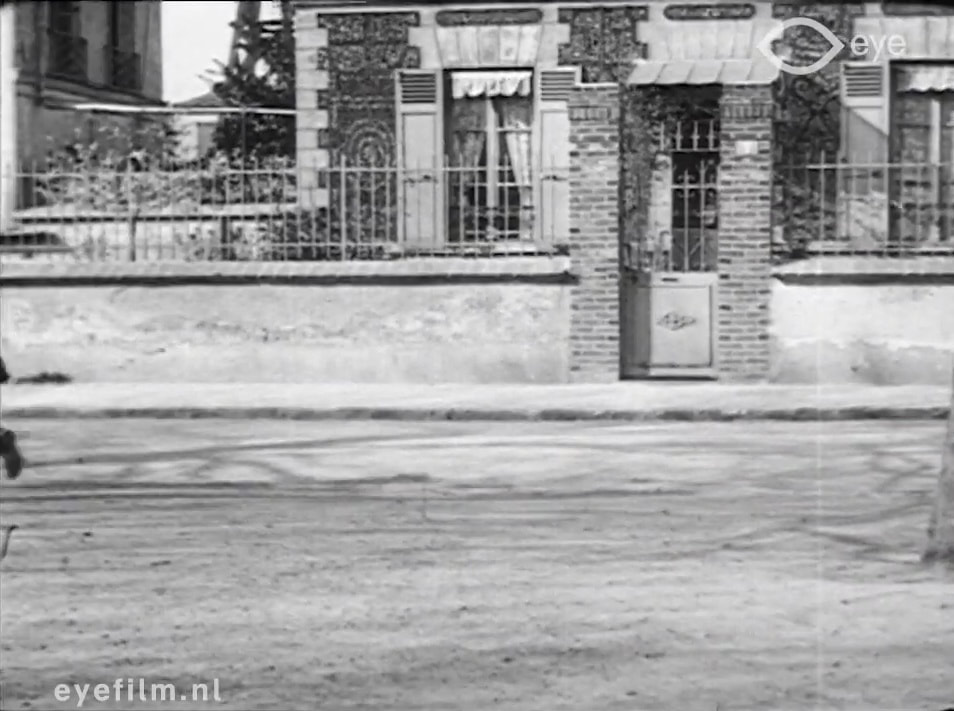
|
The tree-lined Boulevard Jourdan had wide pavements on which it would have been easy to film without complication, and there are more views in Lux films that look to me like they were shot on this boulevard, or on its continuation the Boulevard Brune, even if there is little possibility of matching the contiguous buildings:

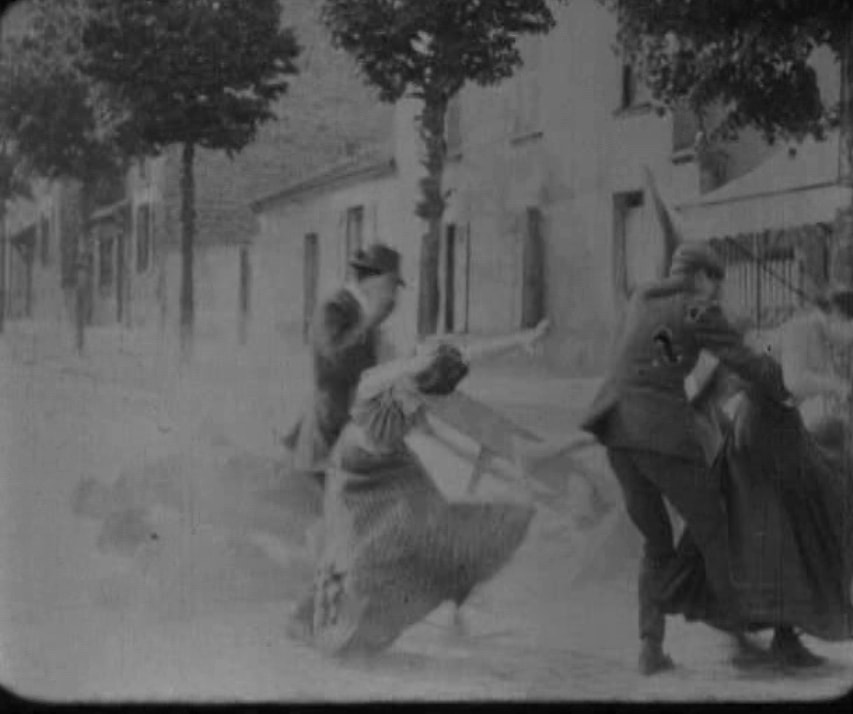
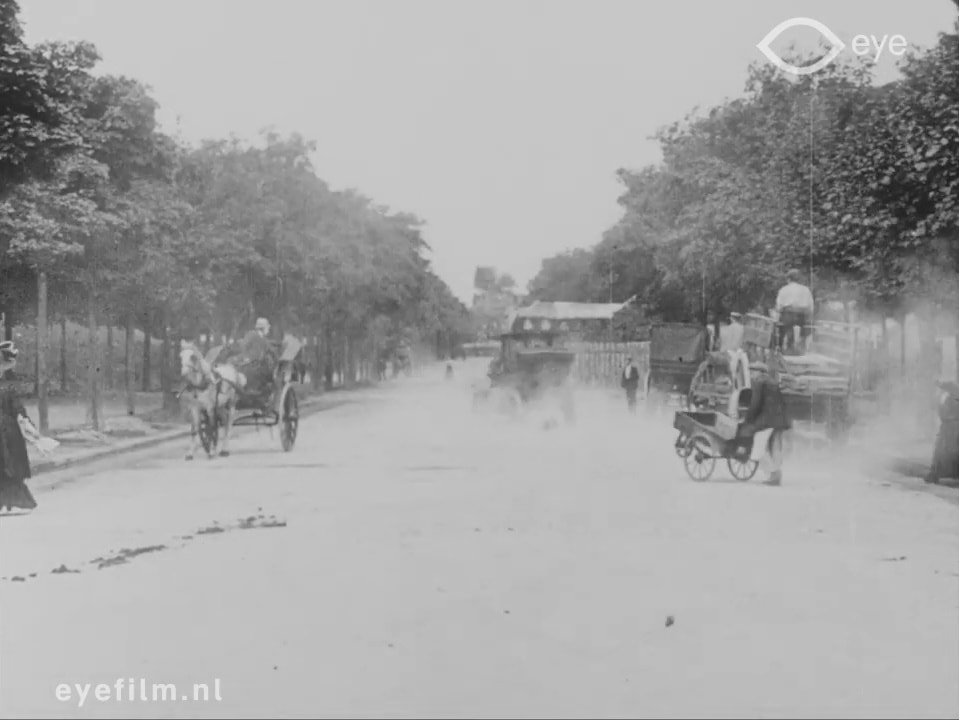
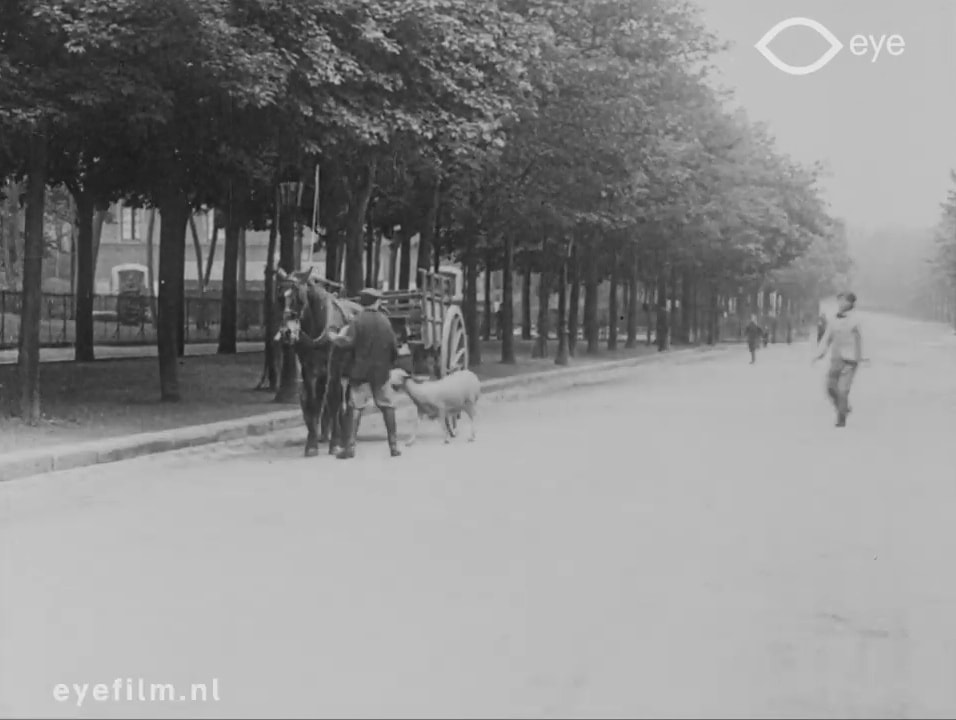
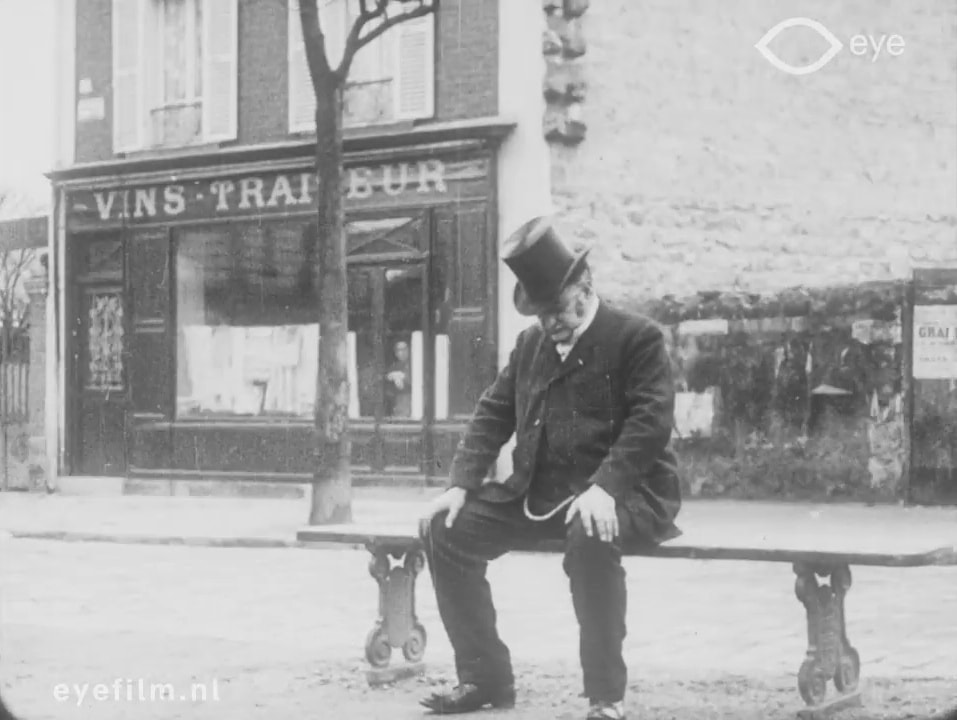
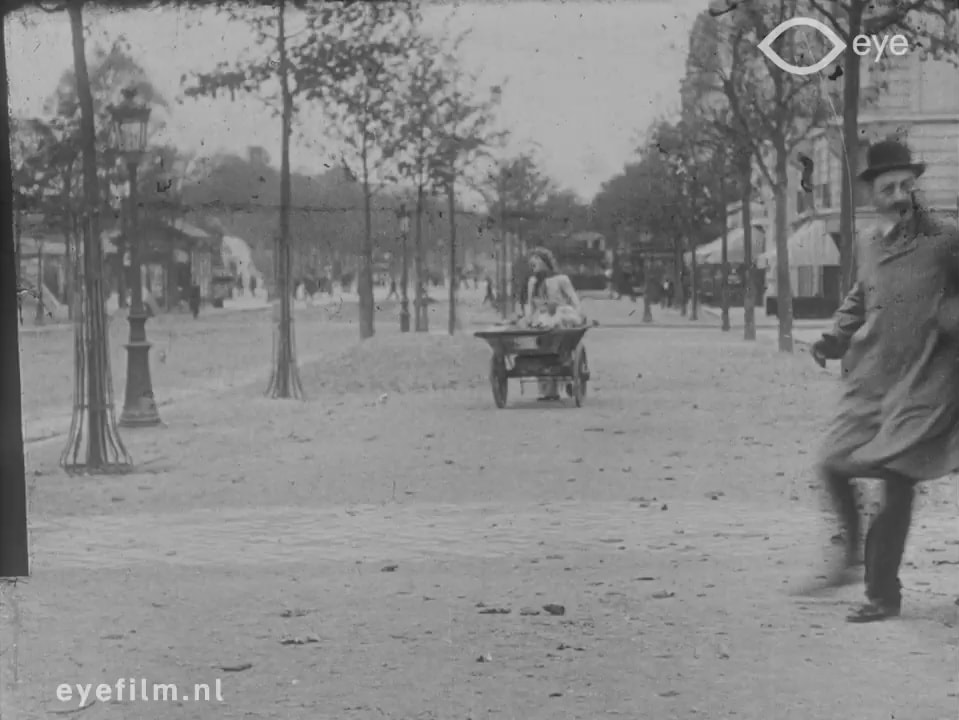
These are from La Mouche (1908), Les Tribulations d'un charcutier (1909), Patouillard fait du Sandow (1911), Patouillard a mange du homard (1911), Le Chien voleur (1912) and Gratitude obsédante (1912).
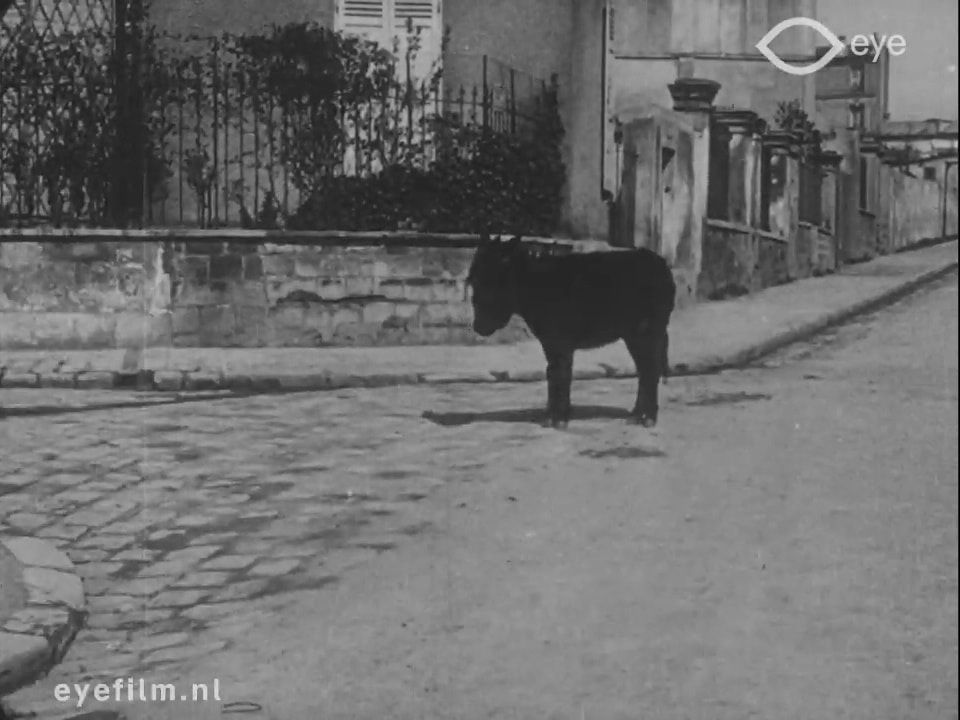
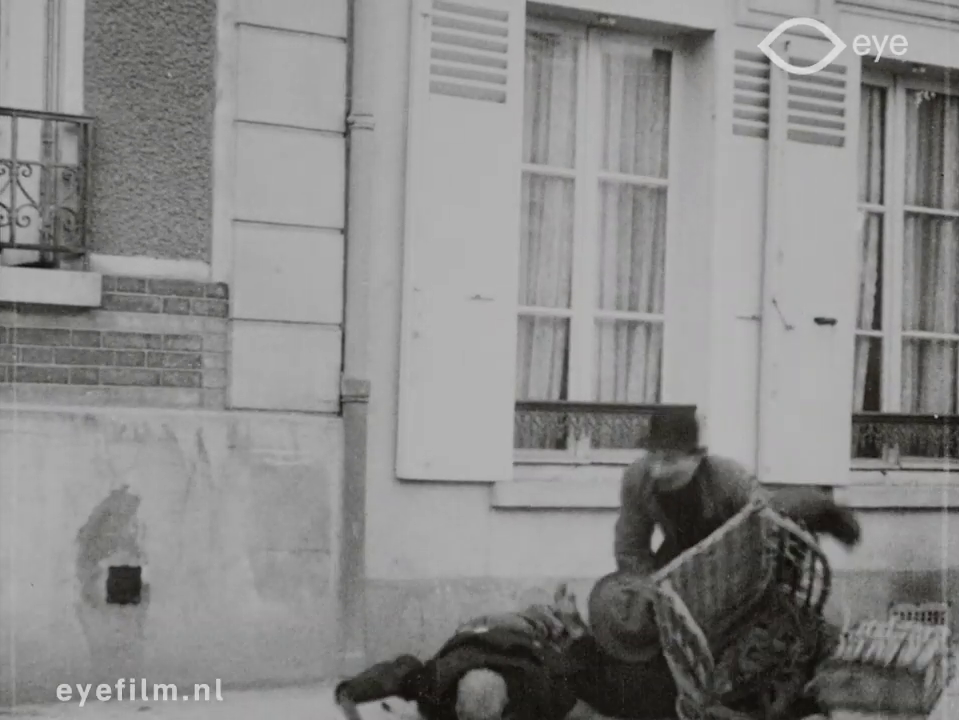
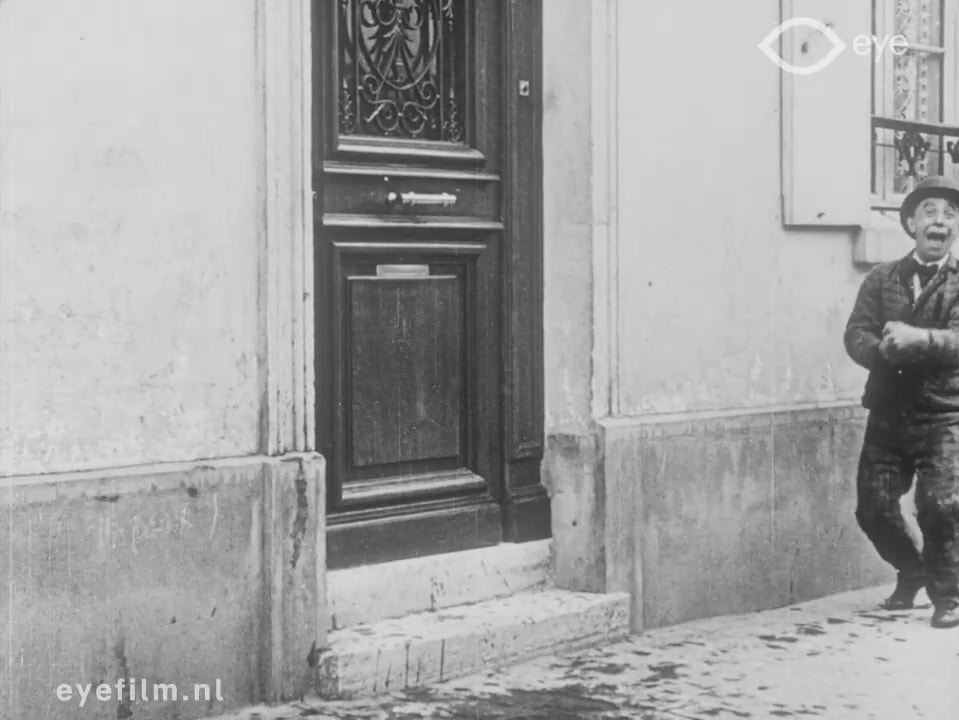
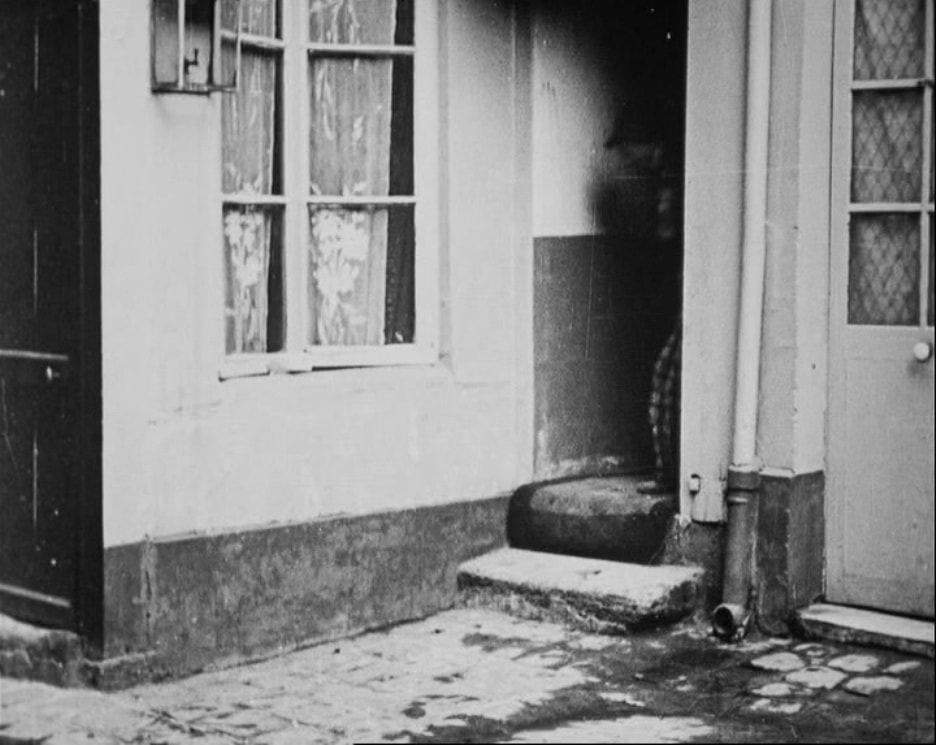
It is difficult to be as confident about less distinctive generic locales, such as the many narrower streets used as settings. These views all show lower-class buildings of a kind unlikely to have survived development in the area, and which don't appear to have been photographed by postcard publishers:
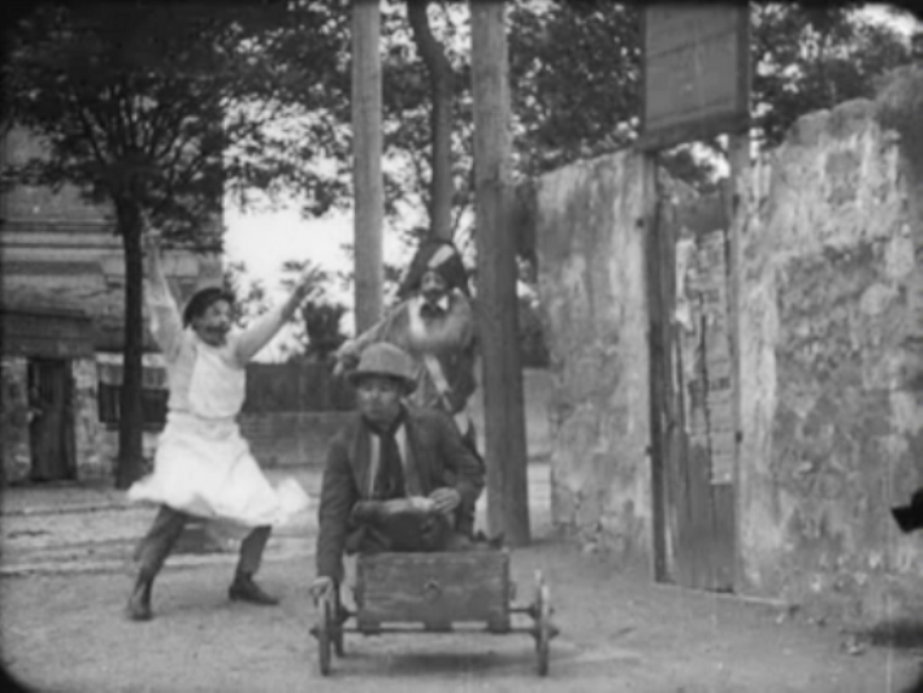

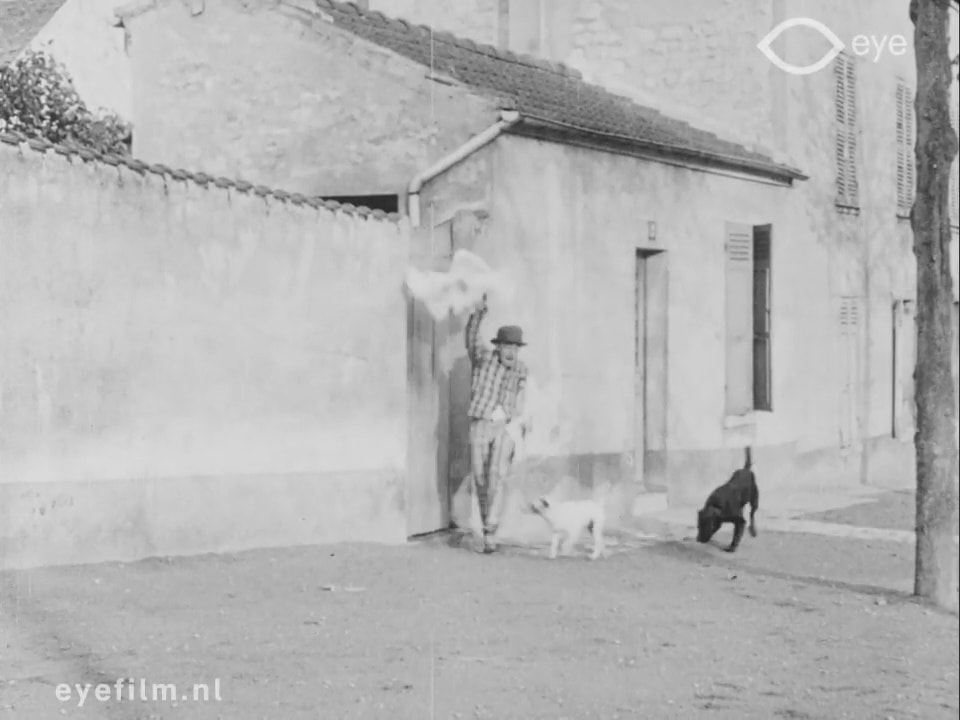
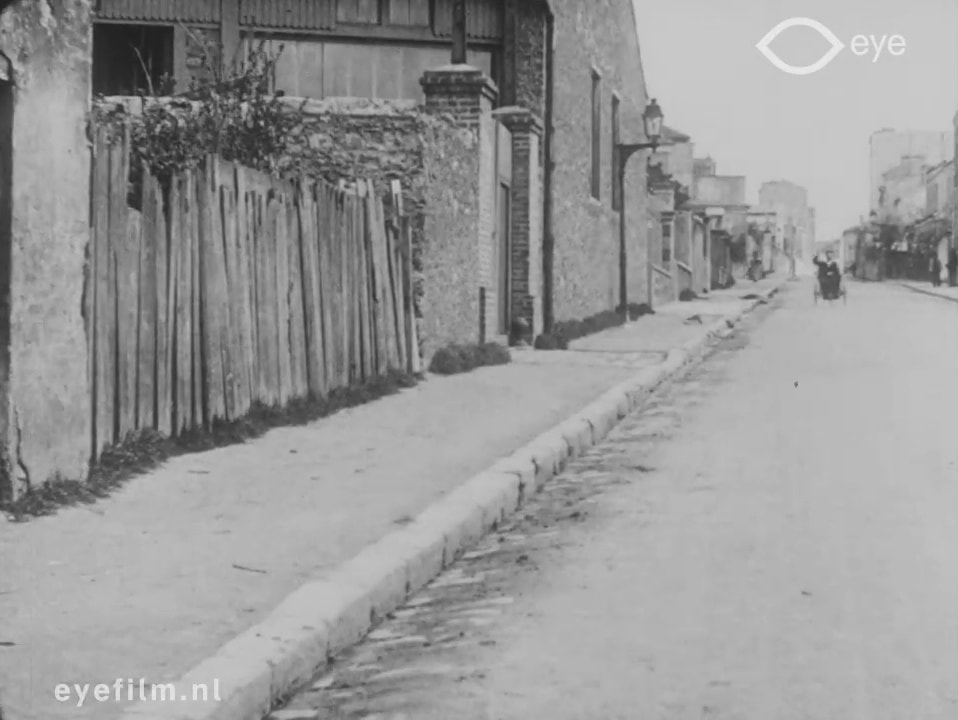
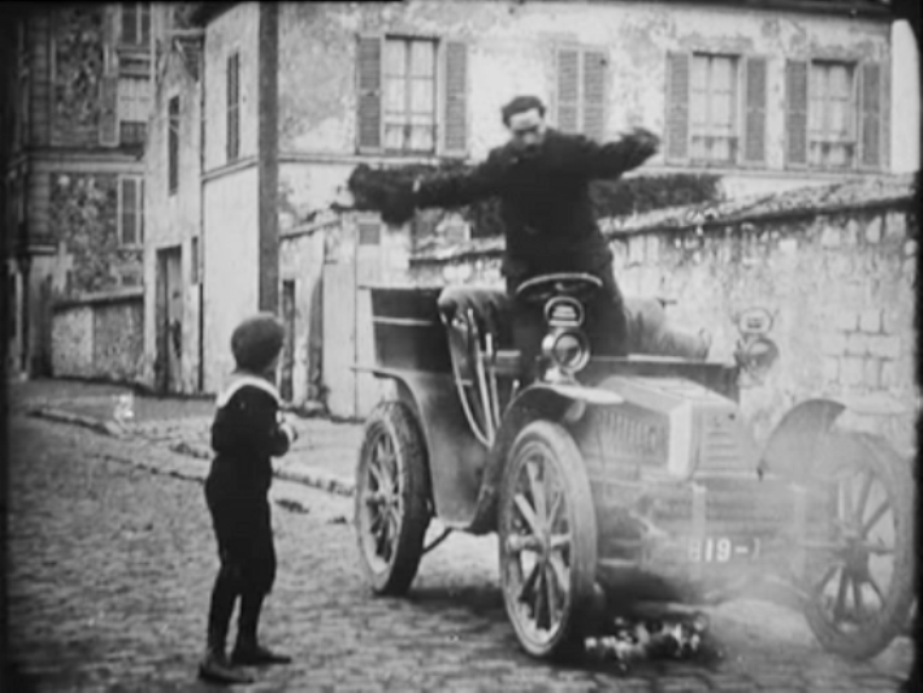
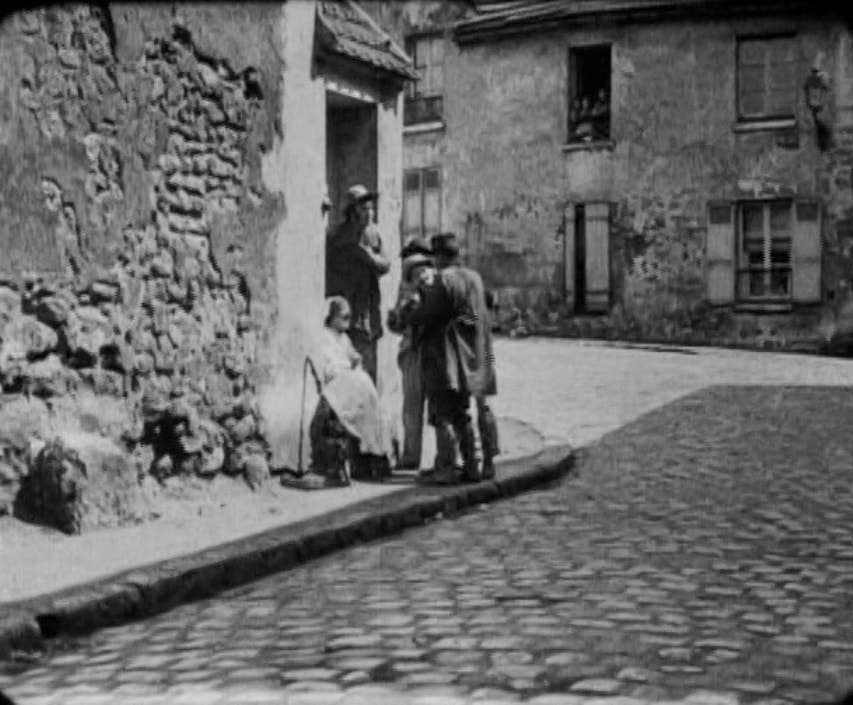

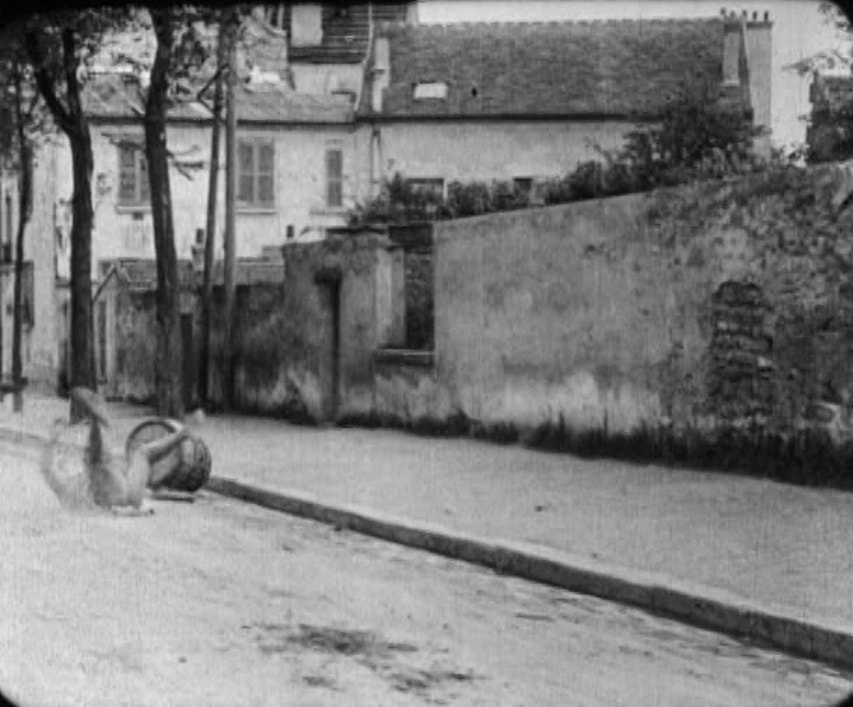
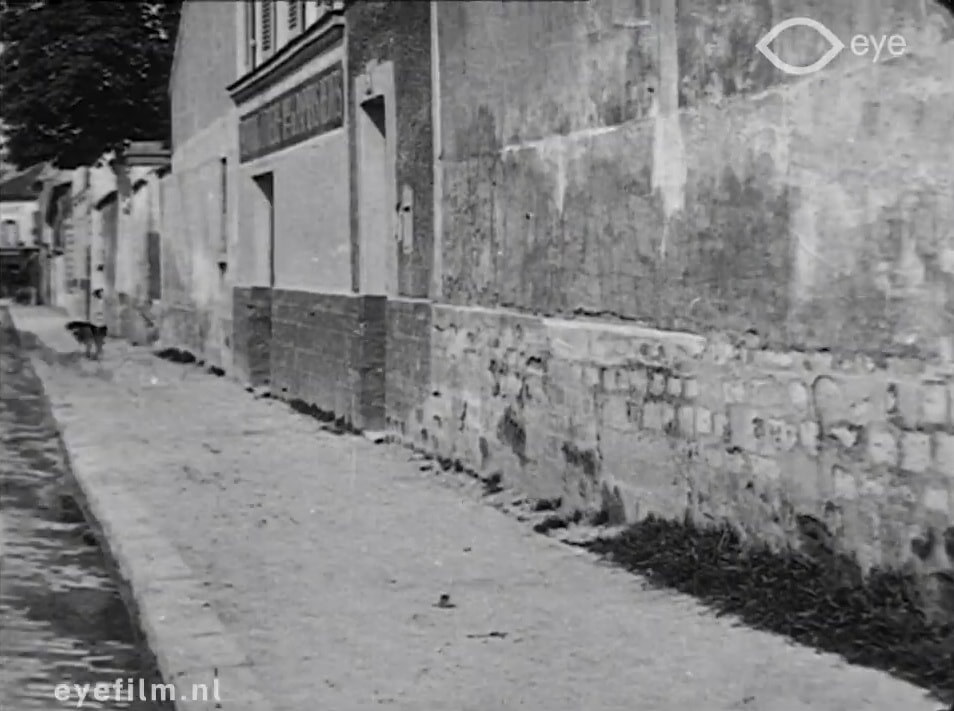
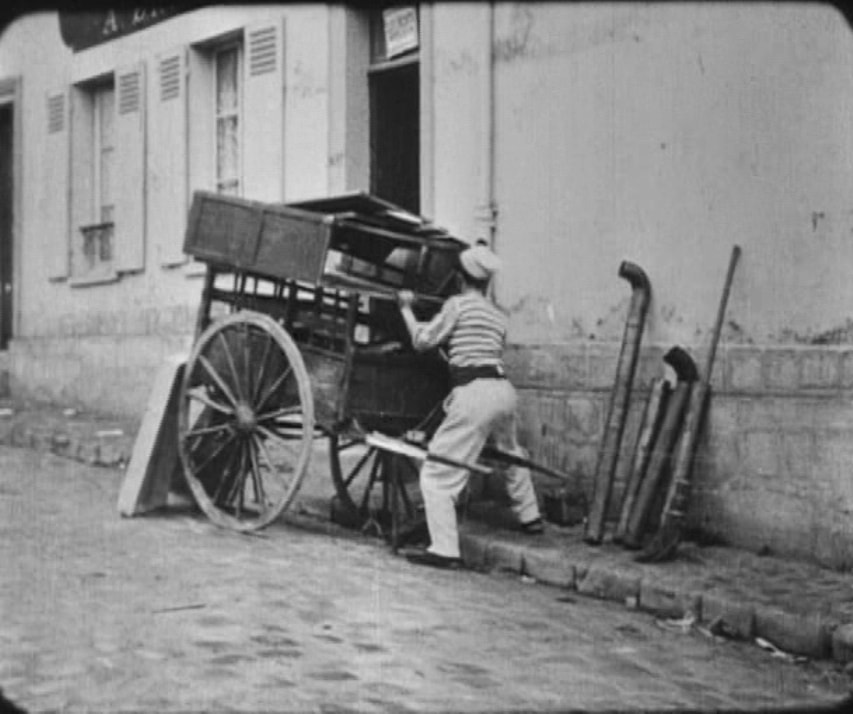
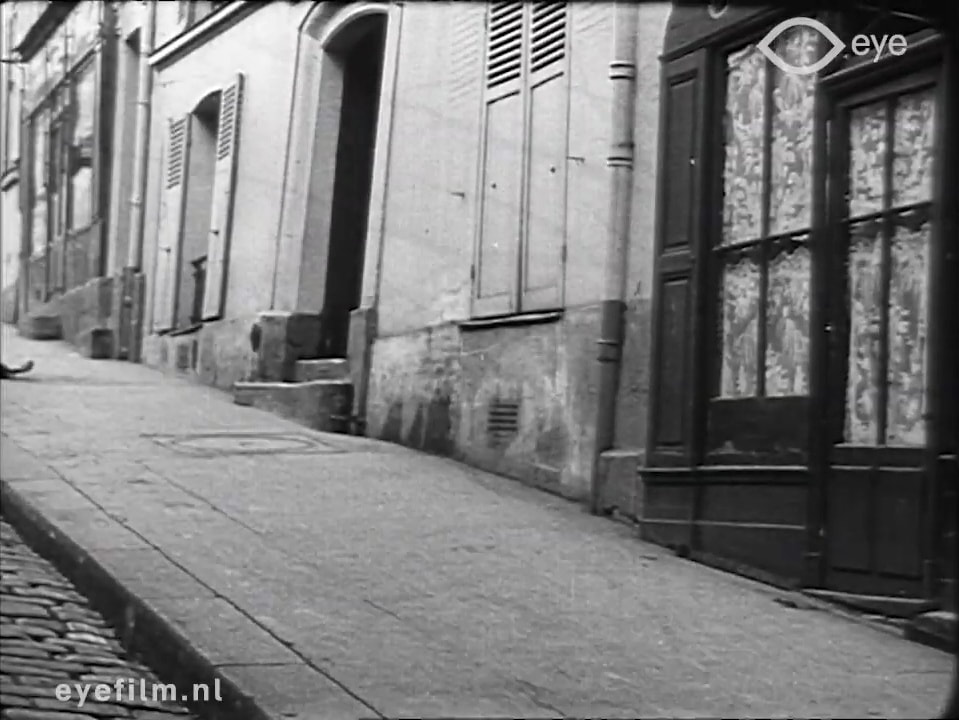
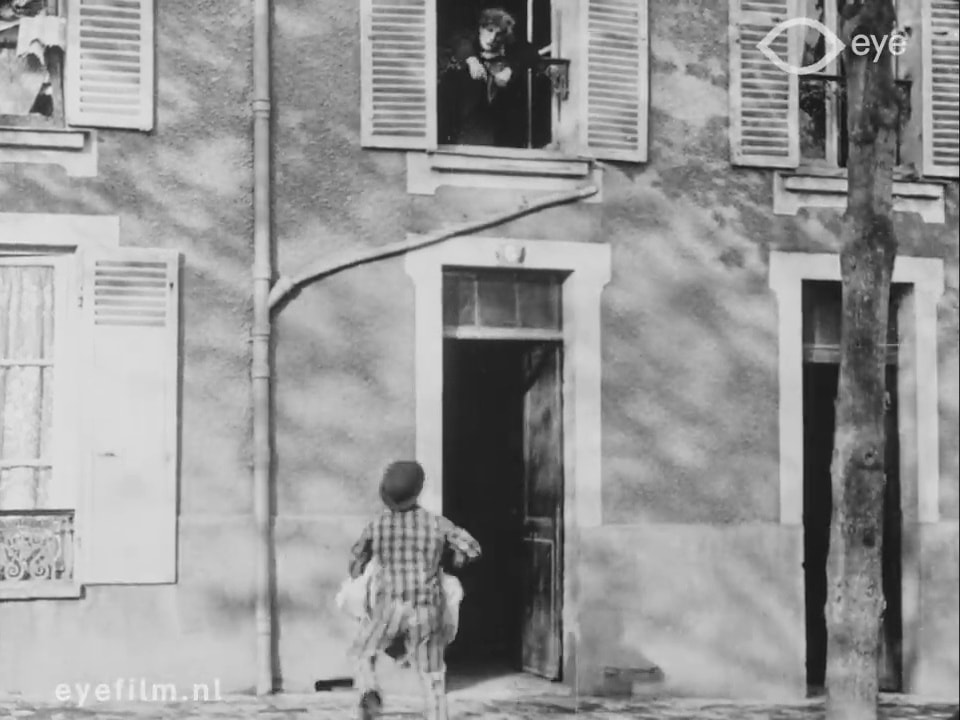
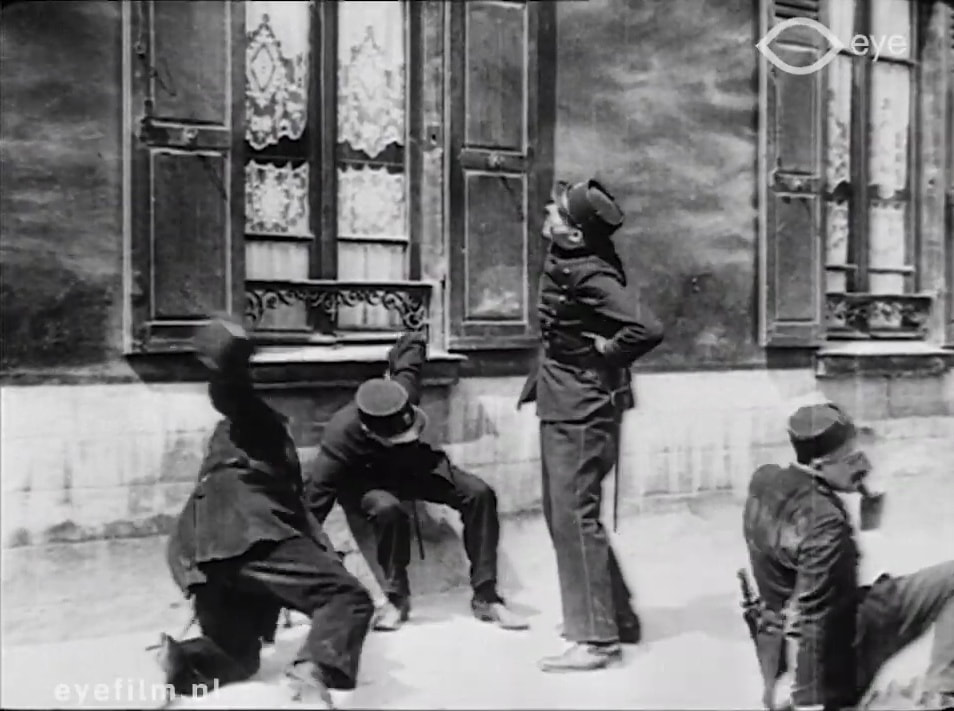
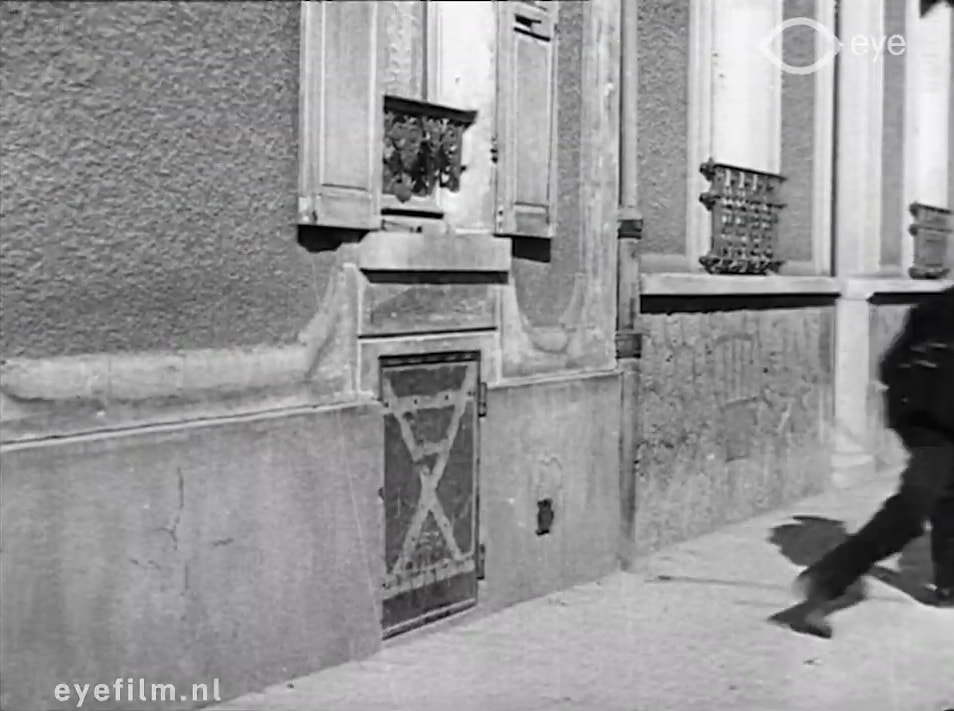
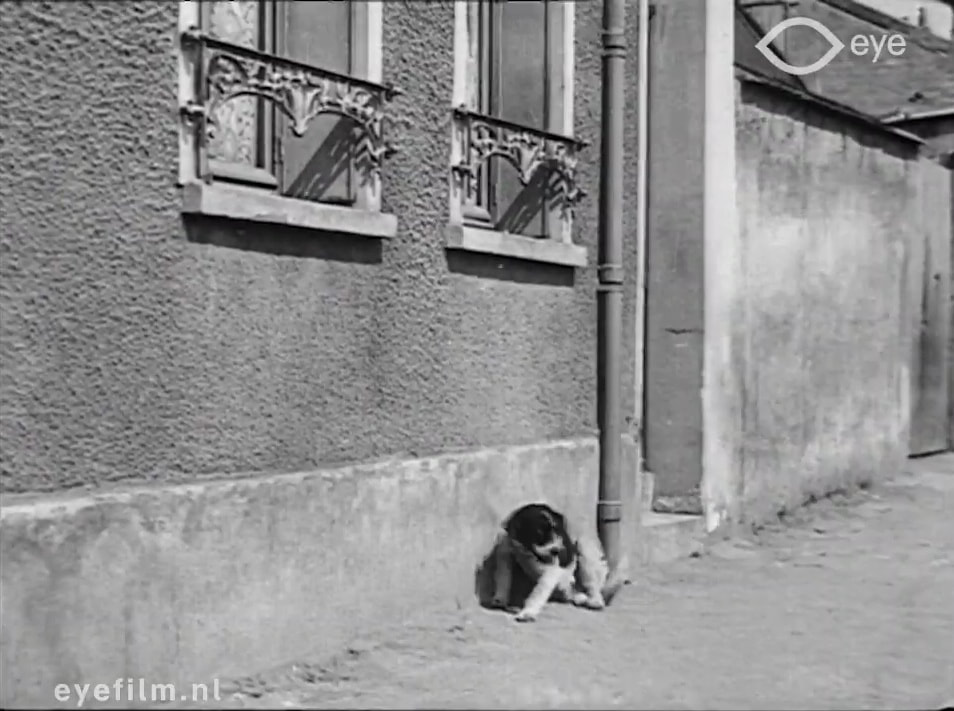
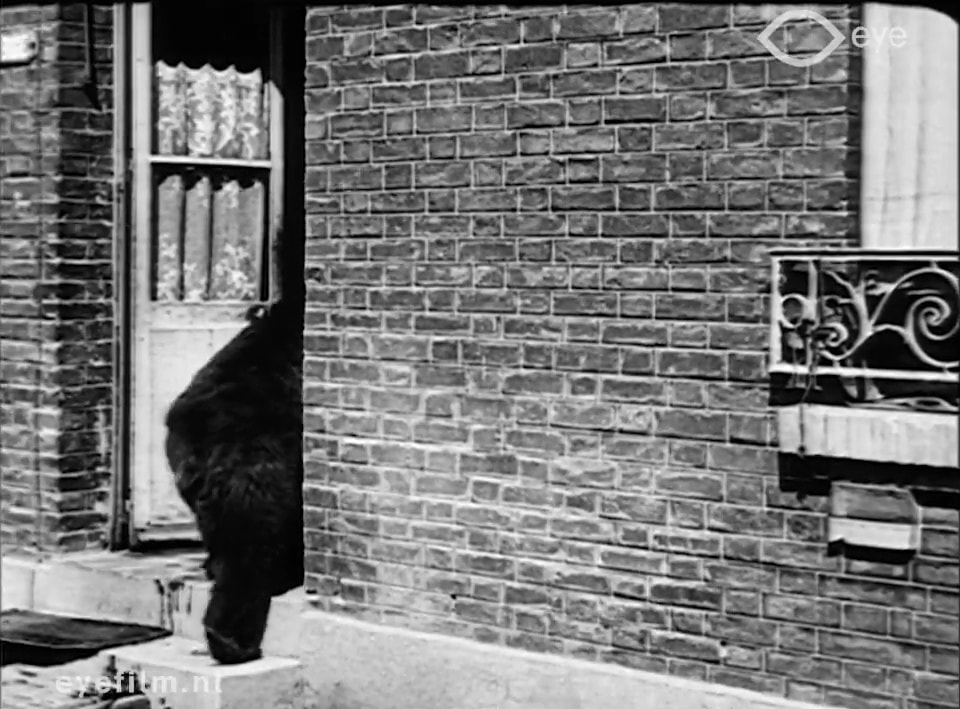
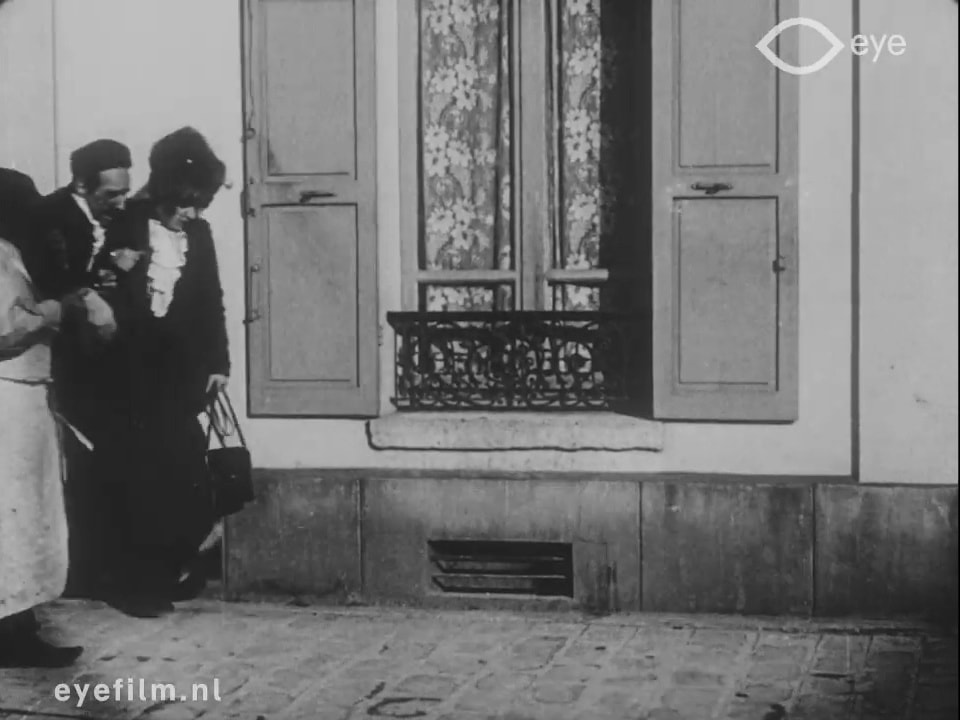

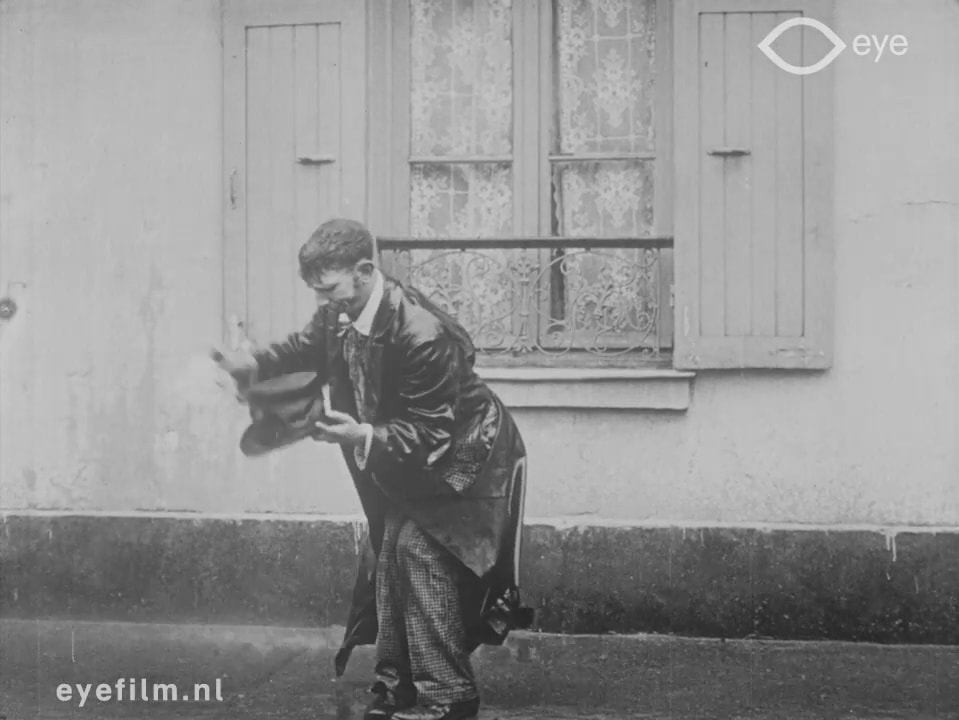

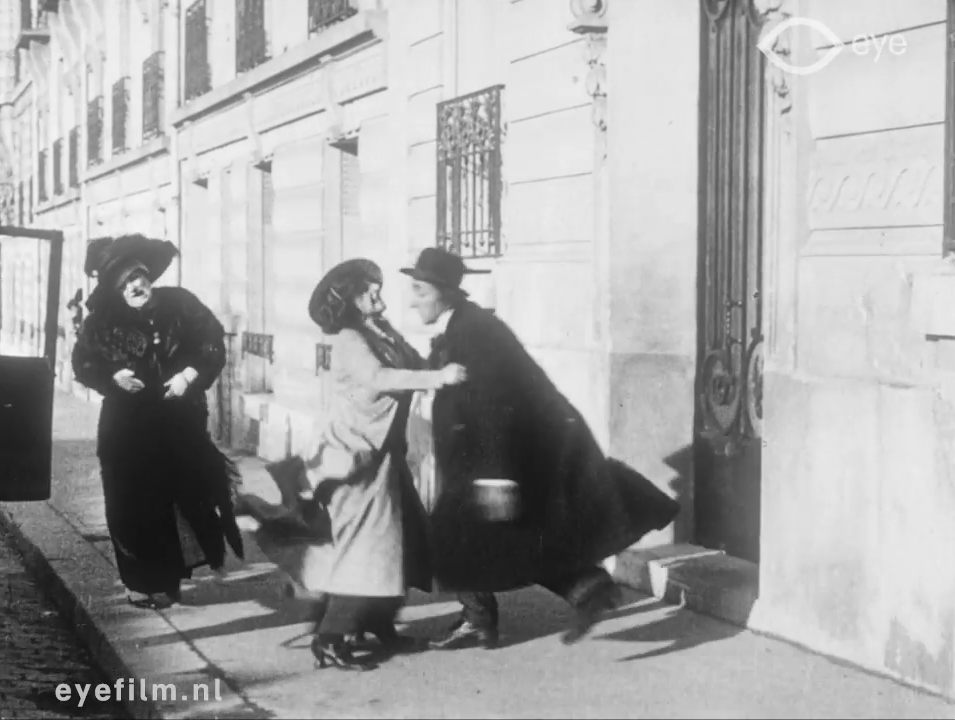
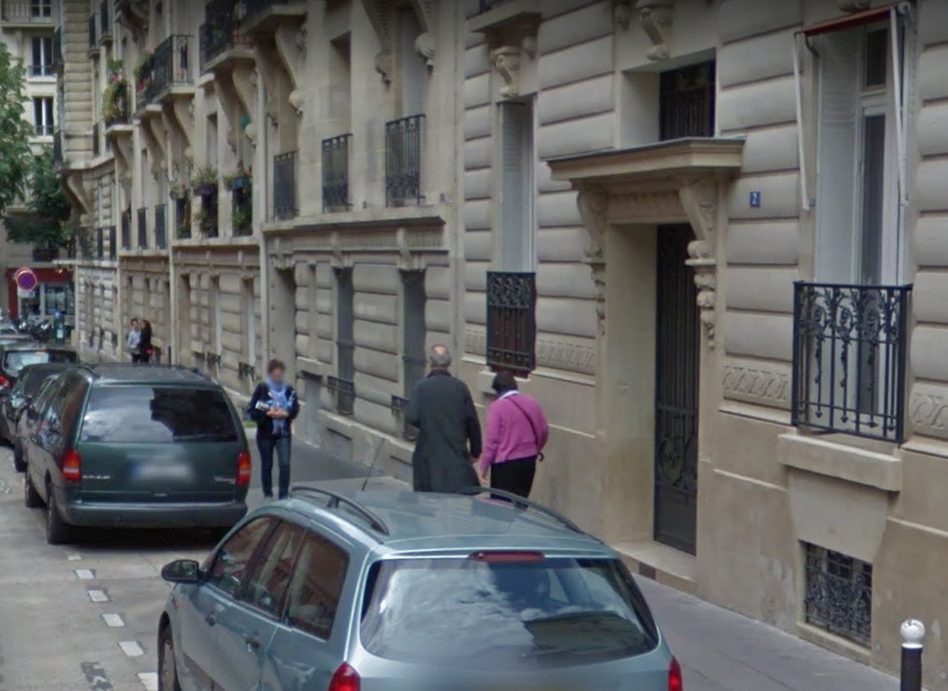
Bourgeois dwellings are more likely to have survived. The building below left is in Cunégonde jalouse (1912), on the corner of the Rue de la Voie Verte and the Rue Marie Rose, no. 2 - Lenin and Krupskaia were living in the building next door at the time:
|
|
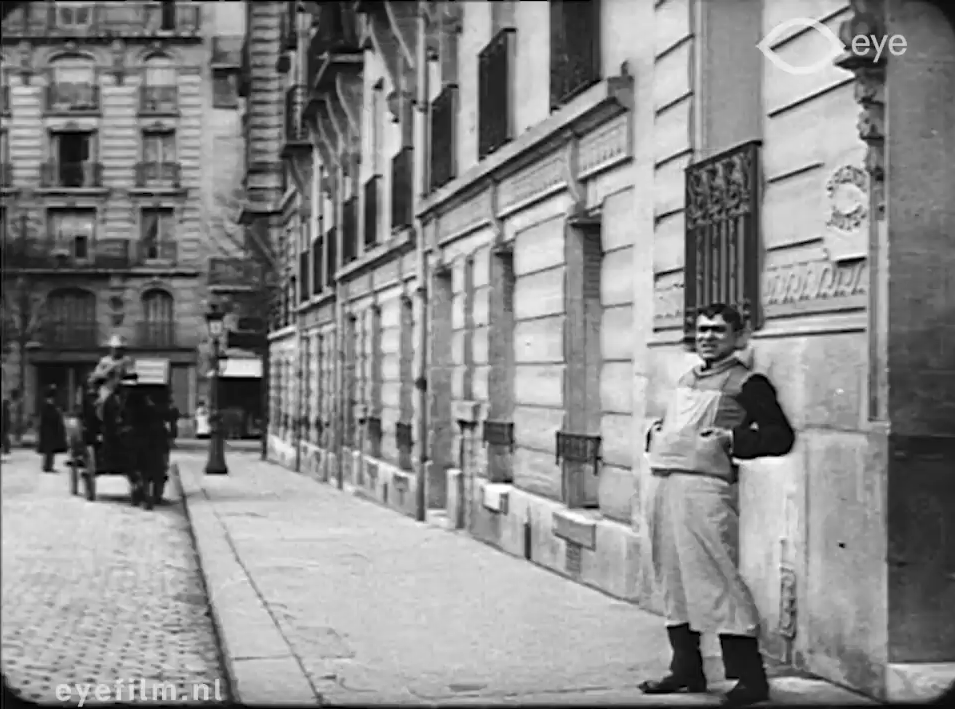
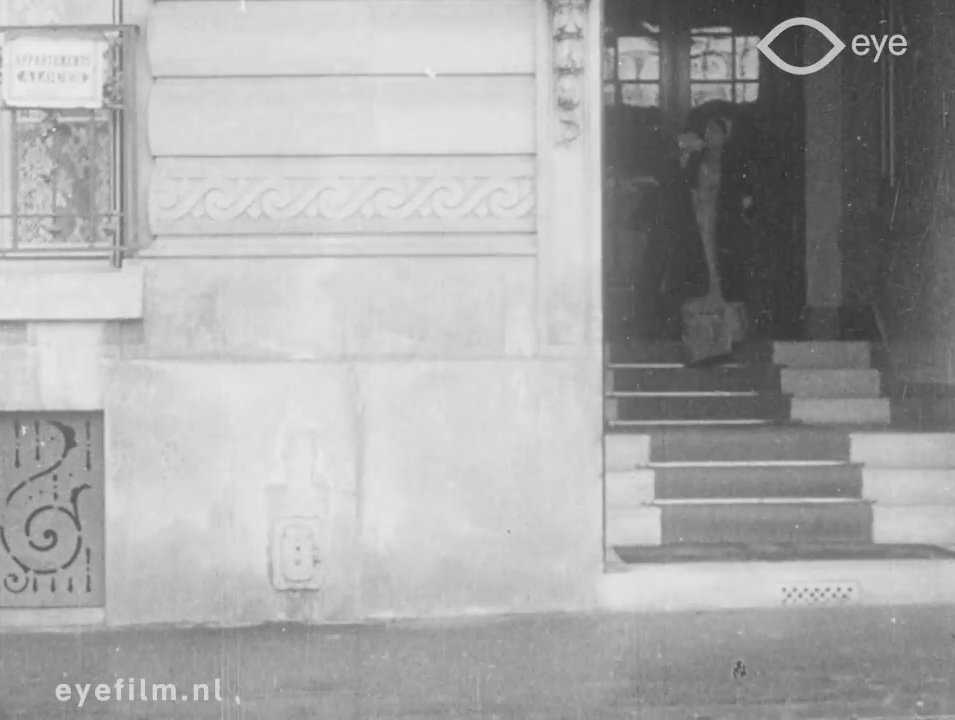
The building is used again in Cunégonde femme crampon and Cunégonde femme du monde (both 1912), suggesting that someone connected with Lux lived there:
|
|
I have still been unable to find matches to these views in the vicinity of the Lux studio:
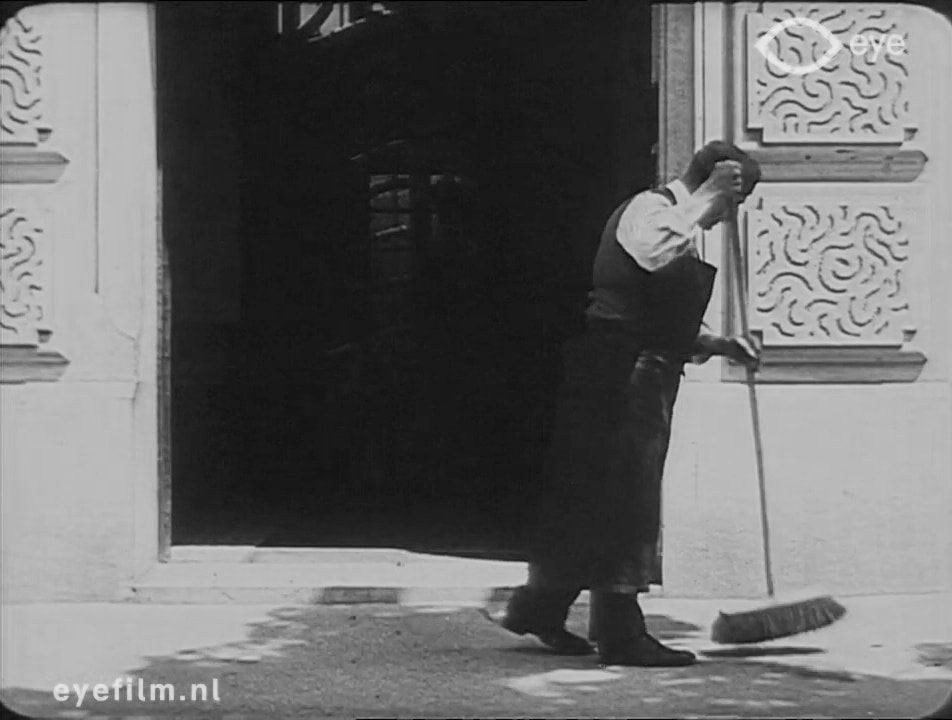

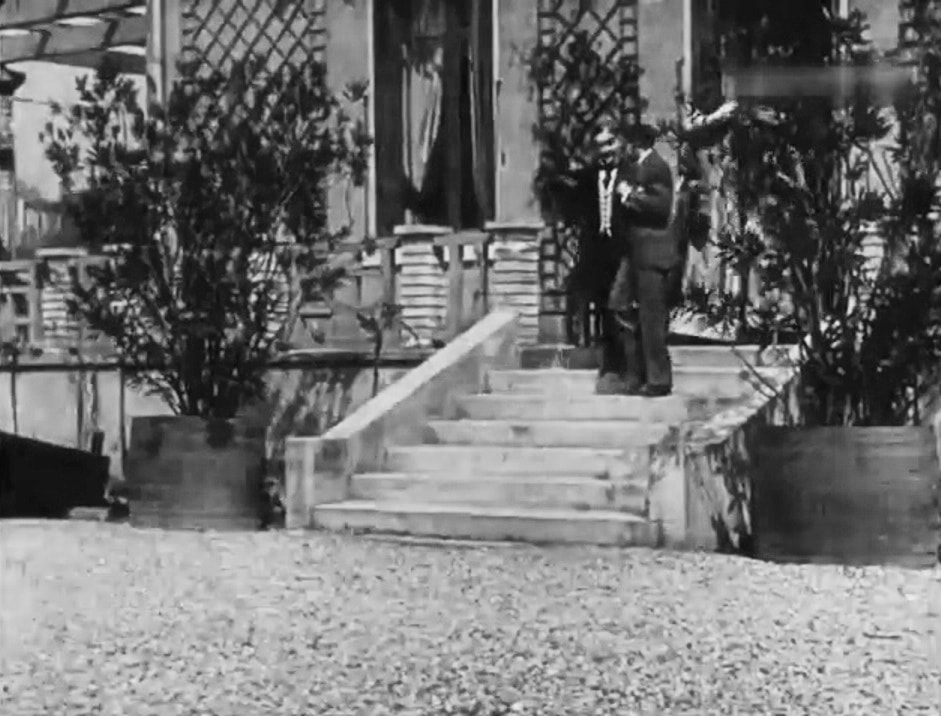

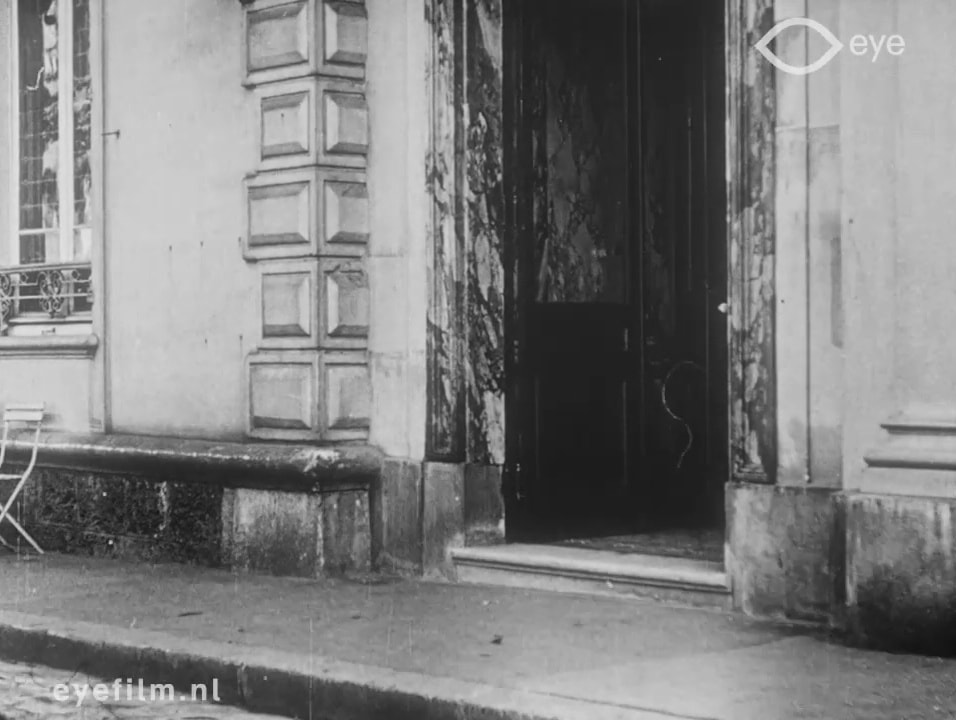
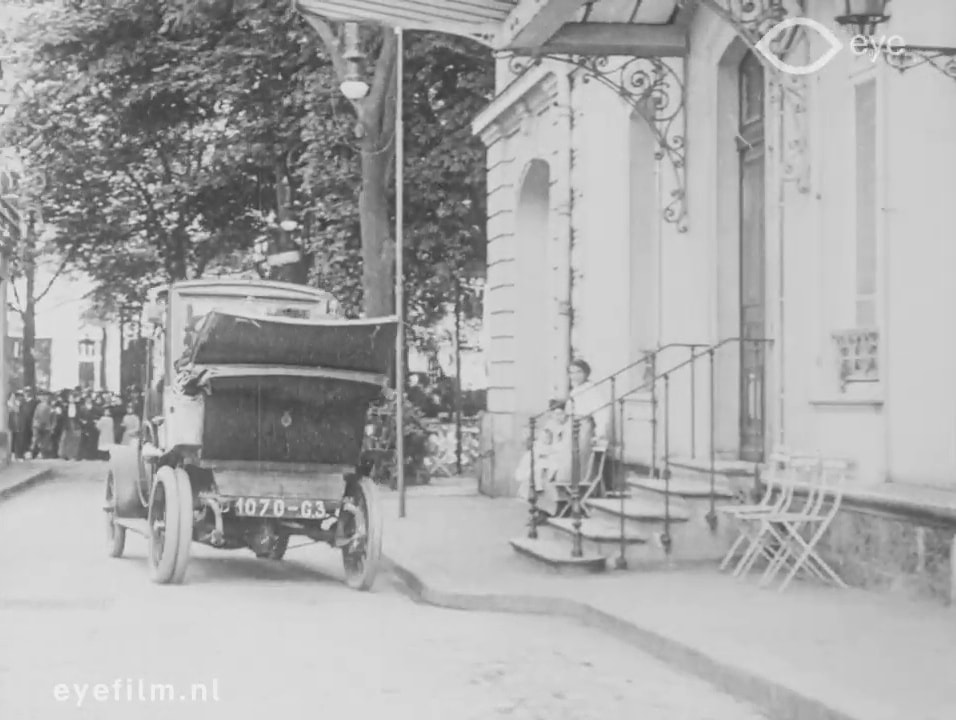
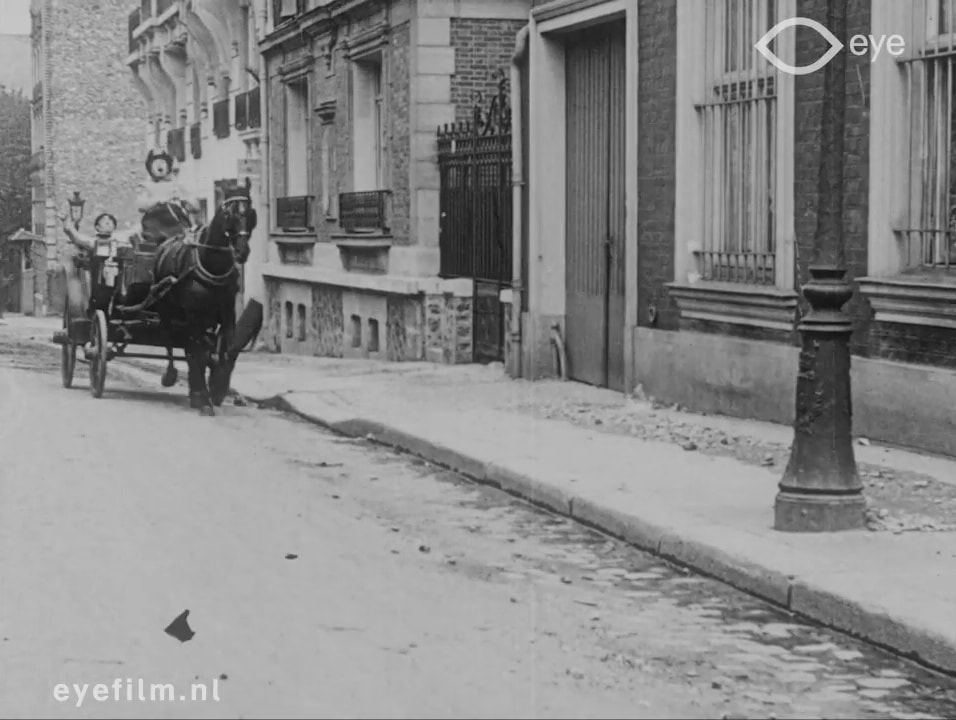
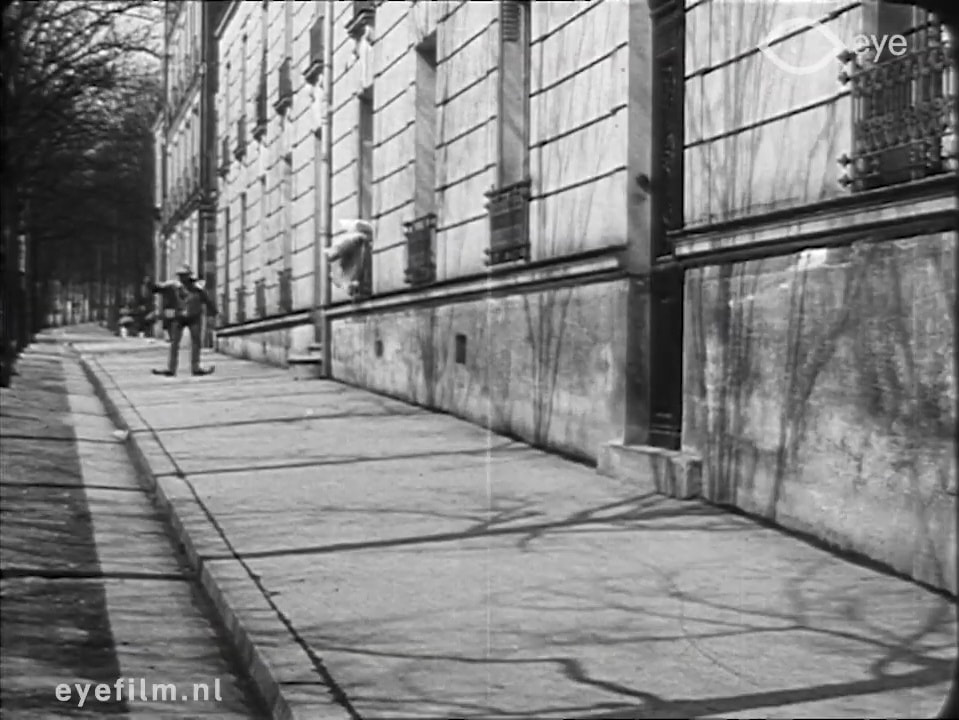
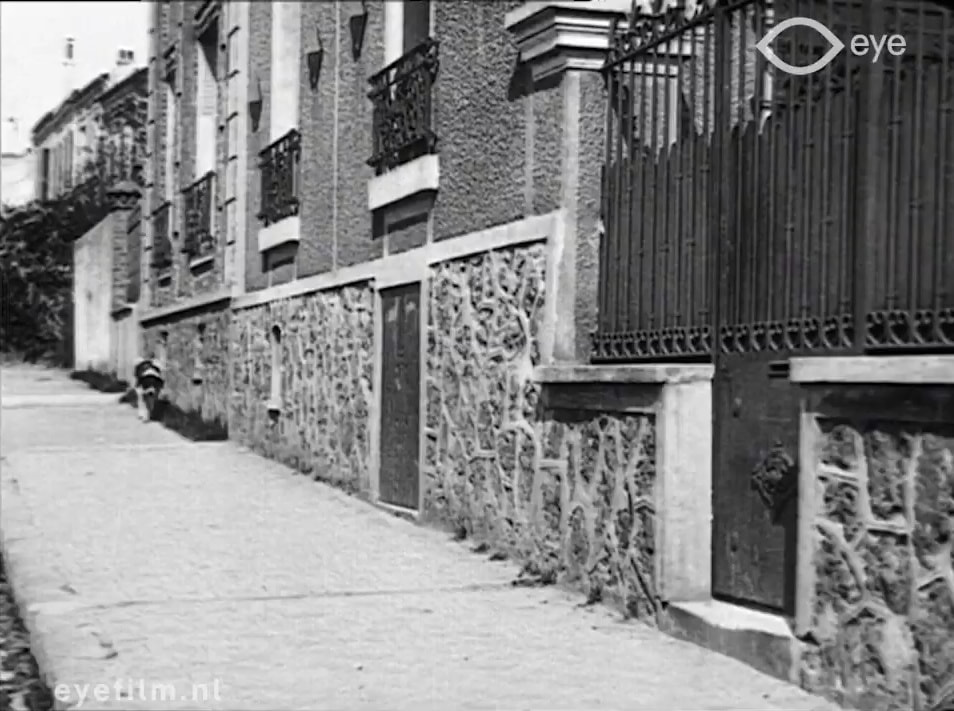
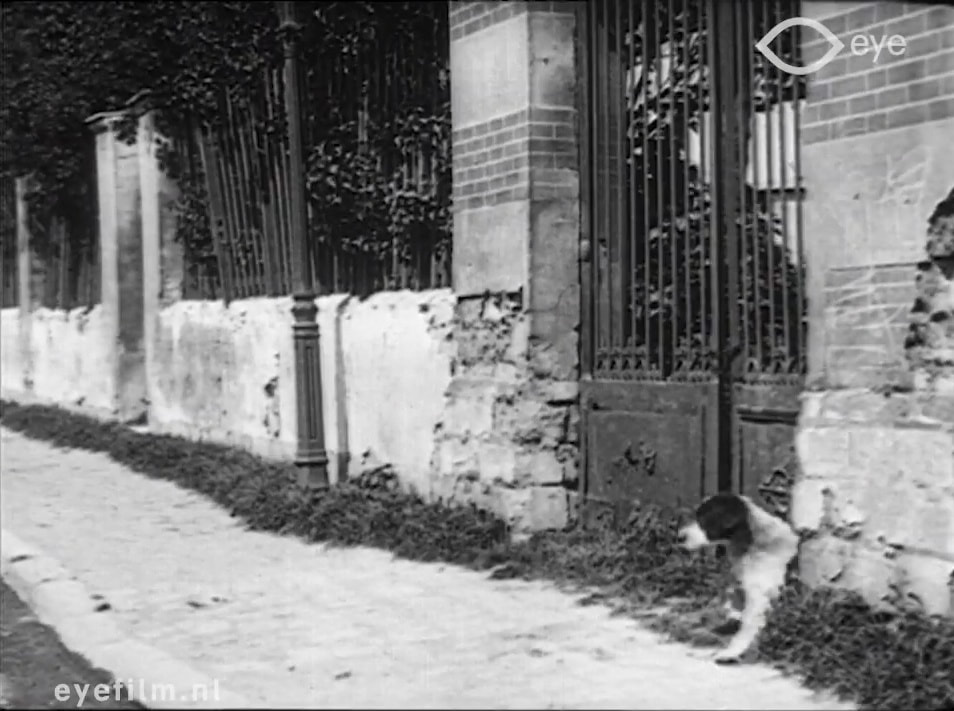
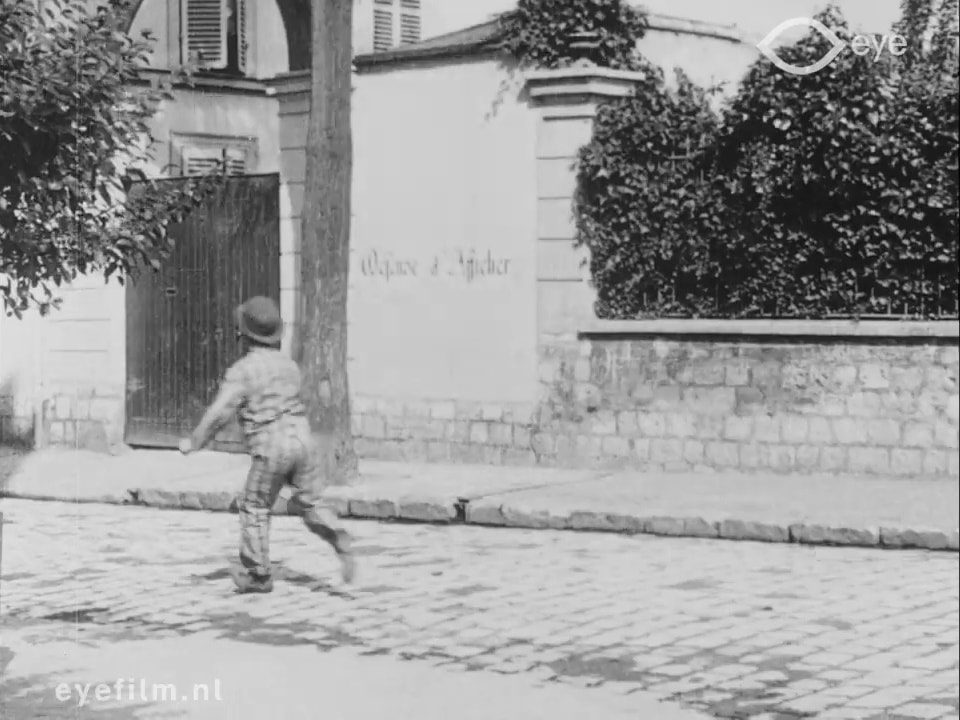

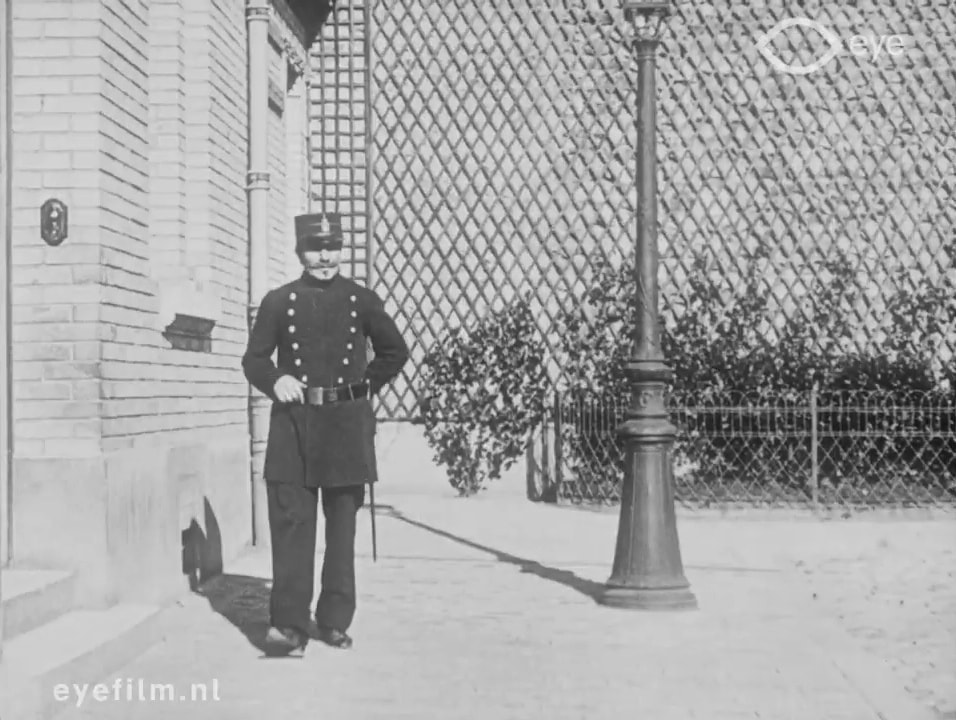

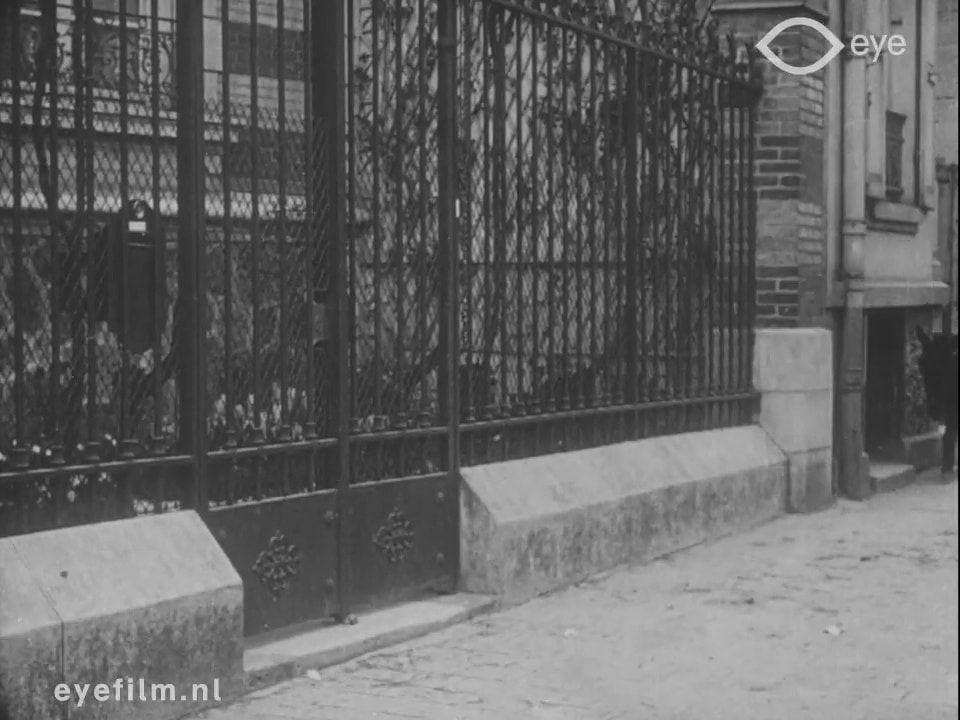
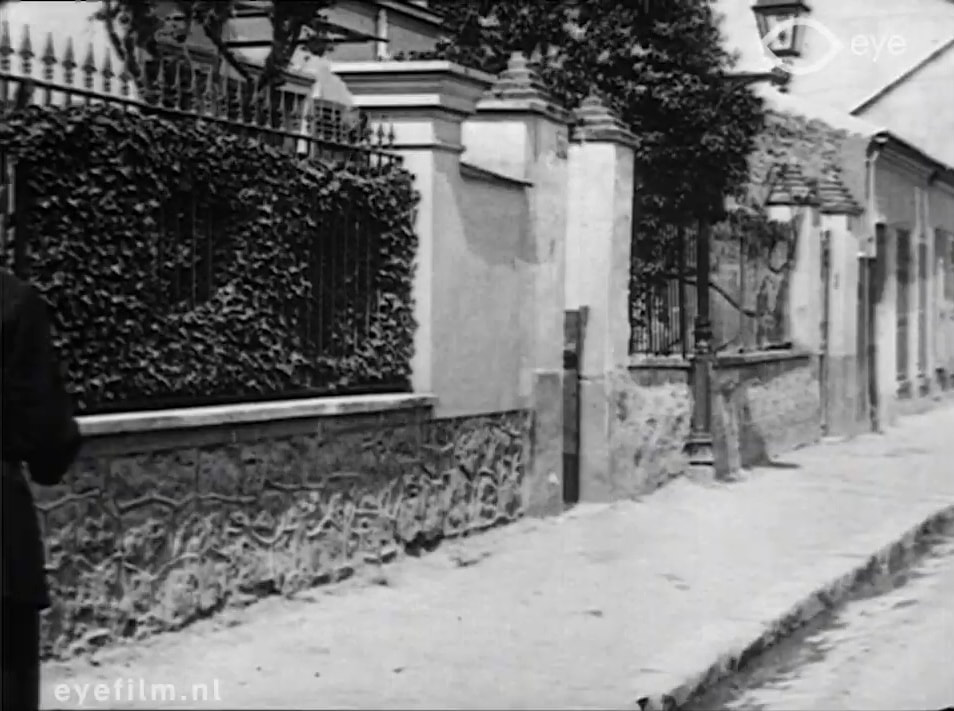
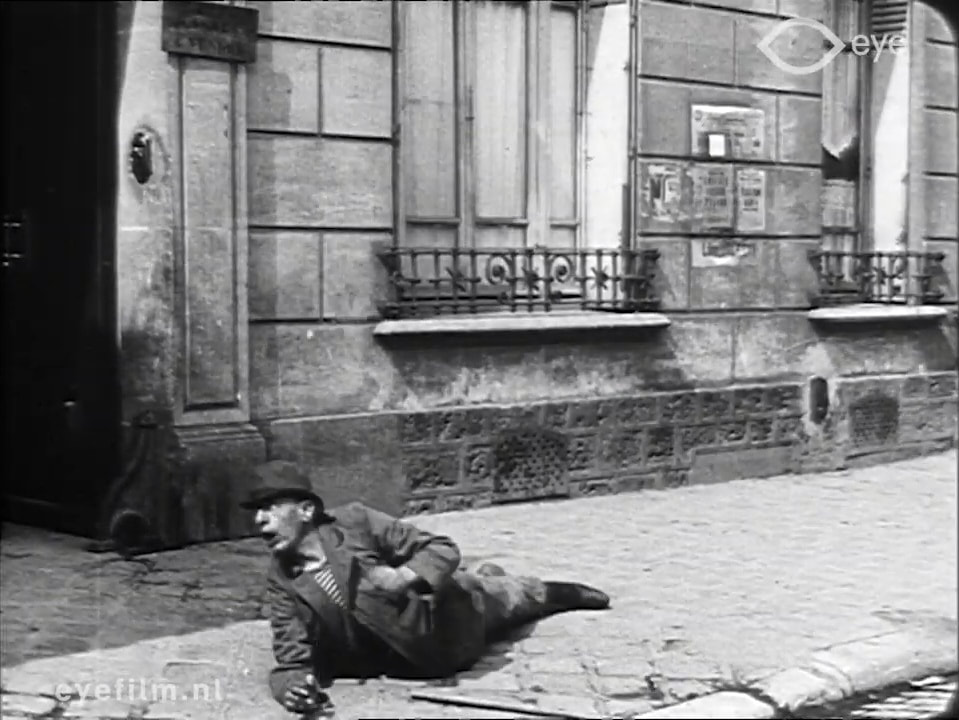
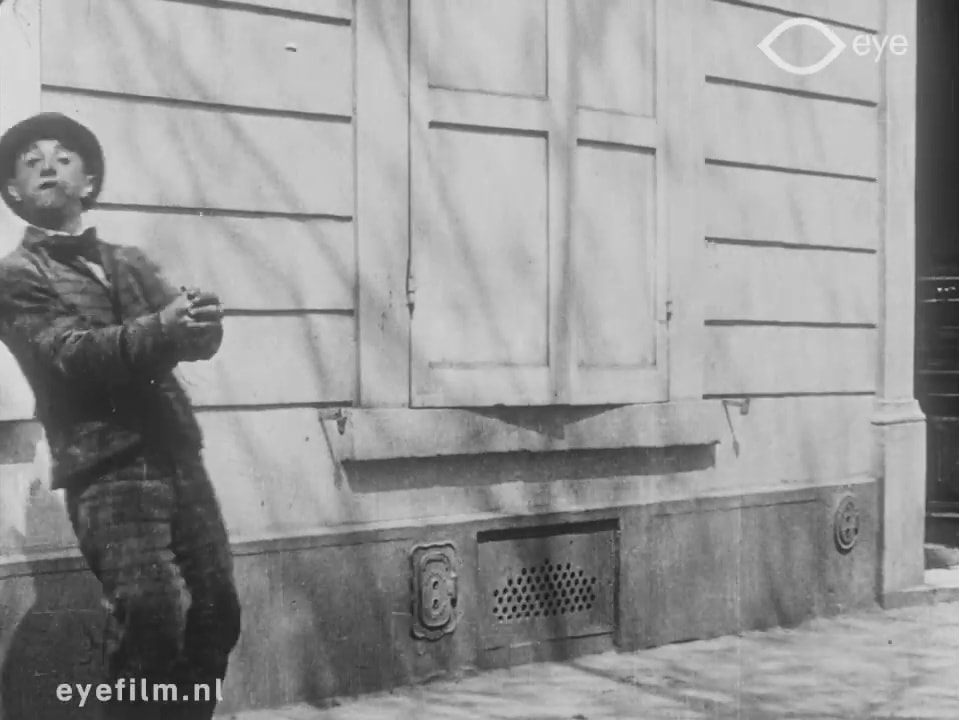
The first two images above are of the same place in different films, a recurrence that implies proximity to the studio. For the rest, they could all be in places further afield. It is only convenience that keeps the filmmakers close to home, and there are examples of unconstrained Lux productions combining local views with views taken all around Paris. The last view above is from La Bouteille de Patouillard (1911), a film that features among its twelve locations several that are in other parts of Paris, including Les Halles, Temple, Porte Saint Martin, Gare de l'Est and Montmartre:
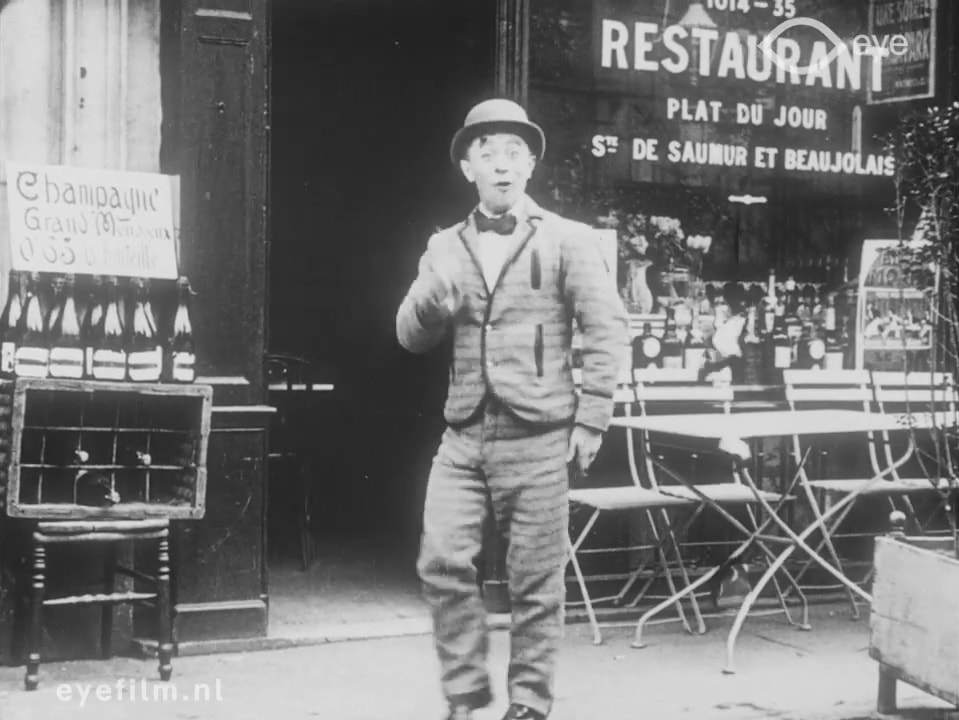
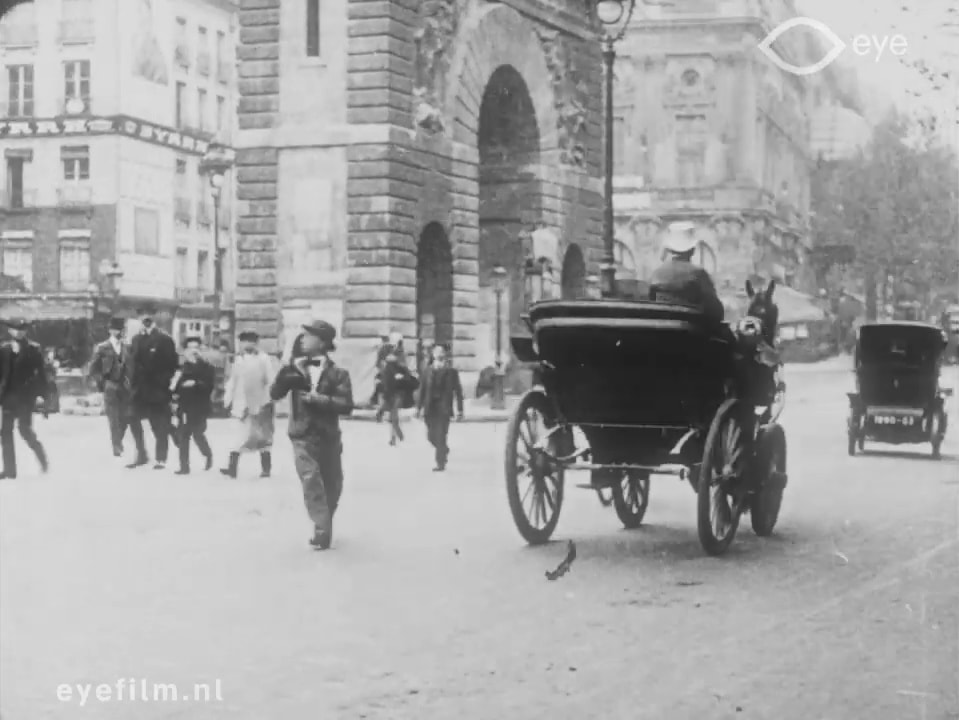
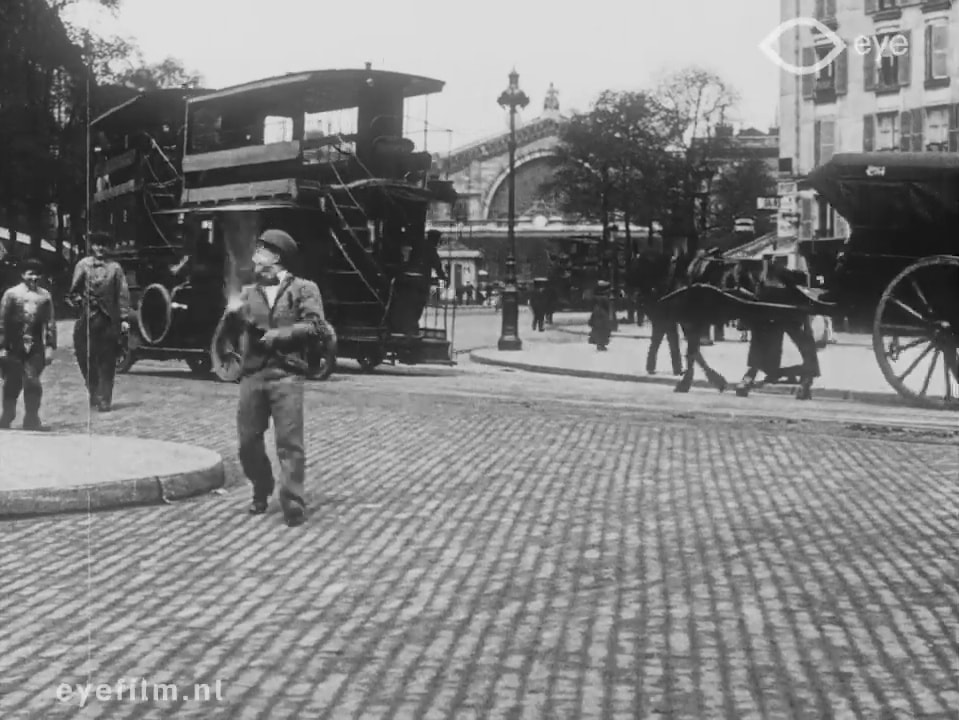
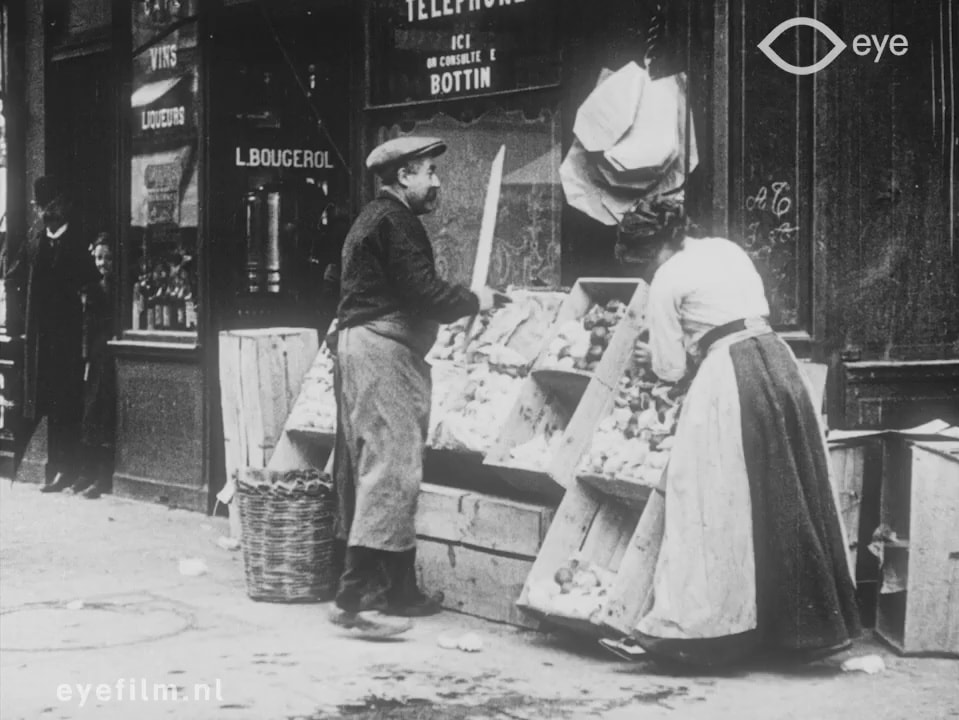

As landmarks the Porte Saint Martin and the Gare de l'Est serve to situate Patouillard's peregrinations firmly in Paris, but equivalents of the restaurant and wine shop in the first and fourth views could easily have been found in the Petit Montrouge area, and though Montmartre is an obvious place to go for a falling-down-stairs gag, there were - as we shall see - stairs that could serve that purpose nearer the studios.
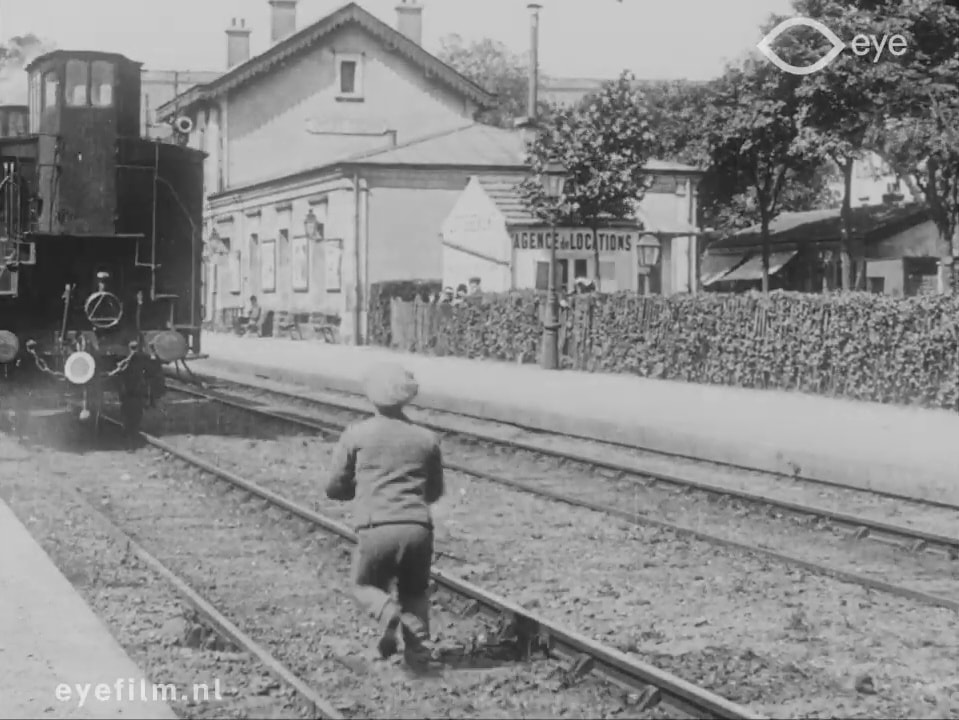
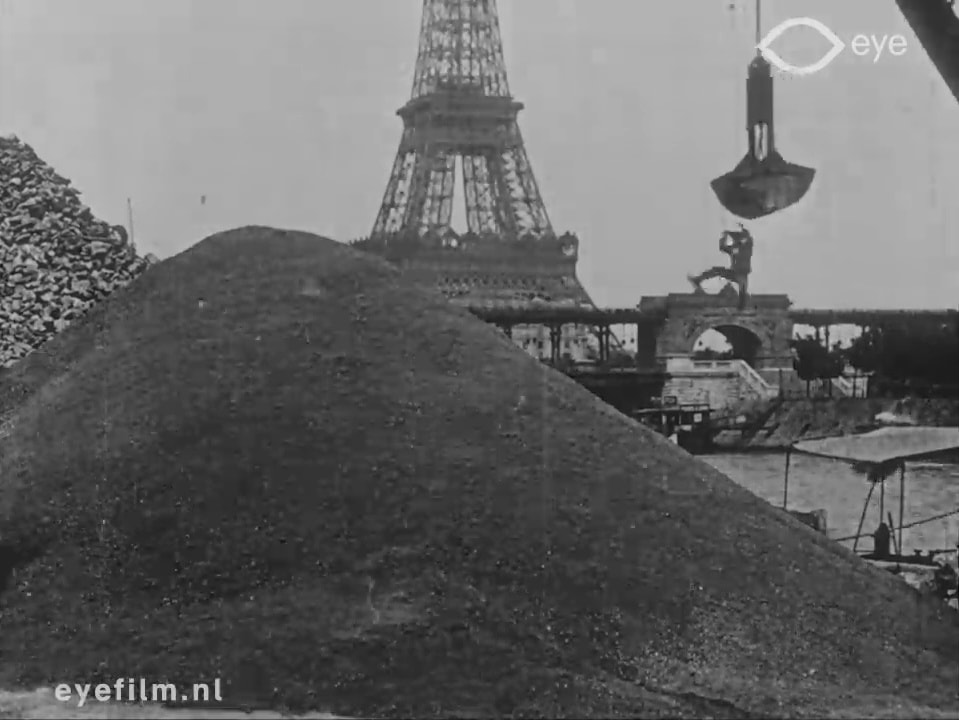
The first exterior of Patouillard fait du Sandow (1911) is a sports shop on the Avenue de la Grande Armée, near the Arc de Triomphe; the last shows gravel being unloaded in the shadow of the Eiffel Tower. Between these the film is in the vicinity of the studio - Rue de la Voie verte, Avenue d'Orléans, Boulevard Jourdan (probably) and the railway at Cachan-Arcueil:
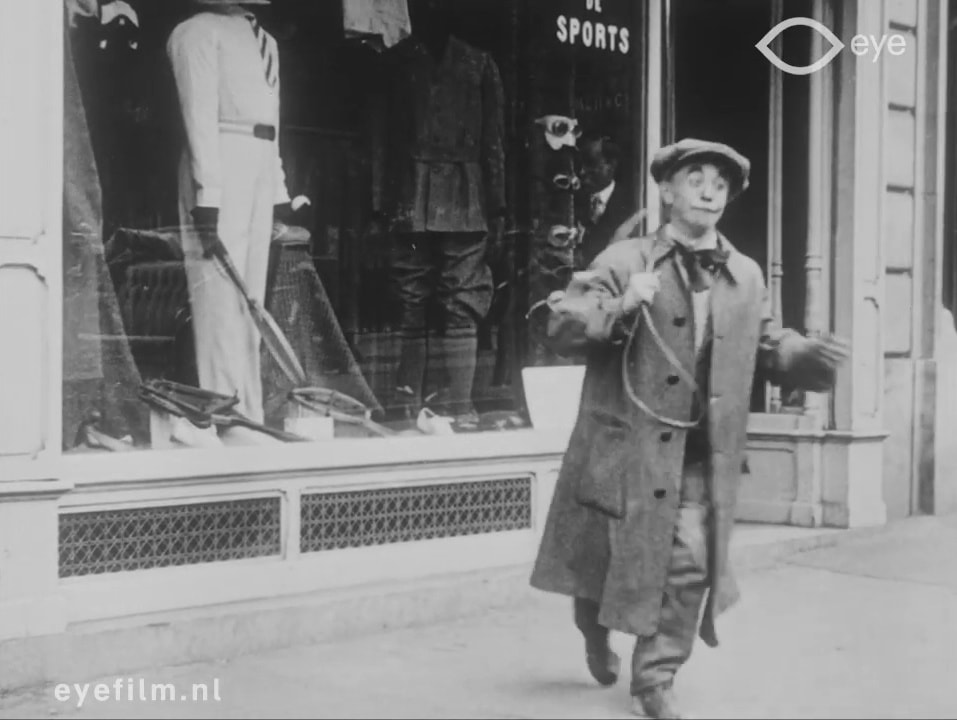
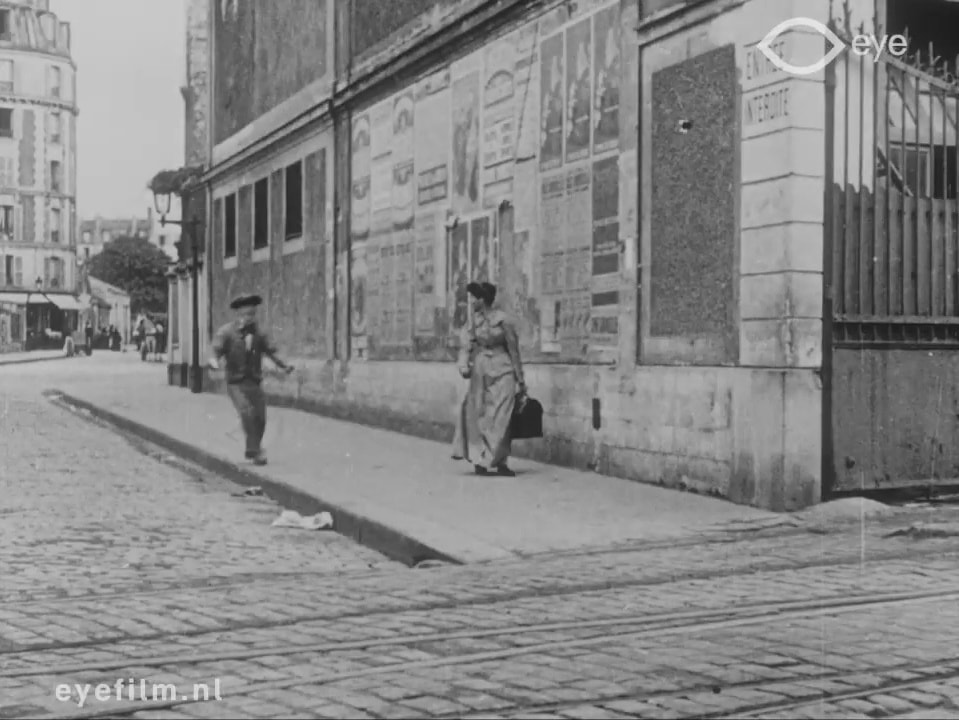
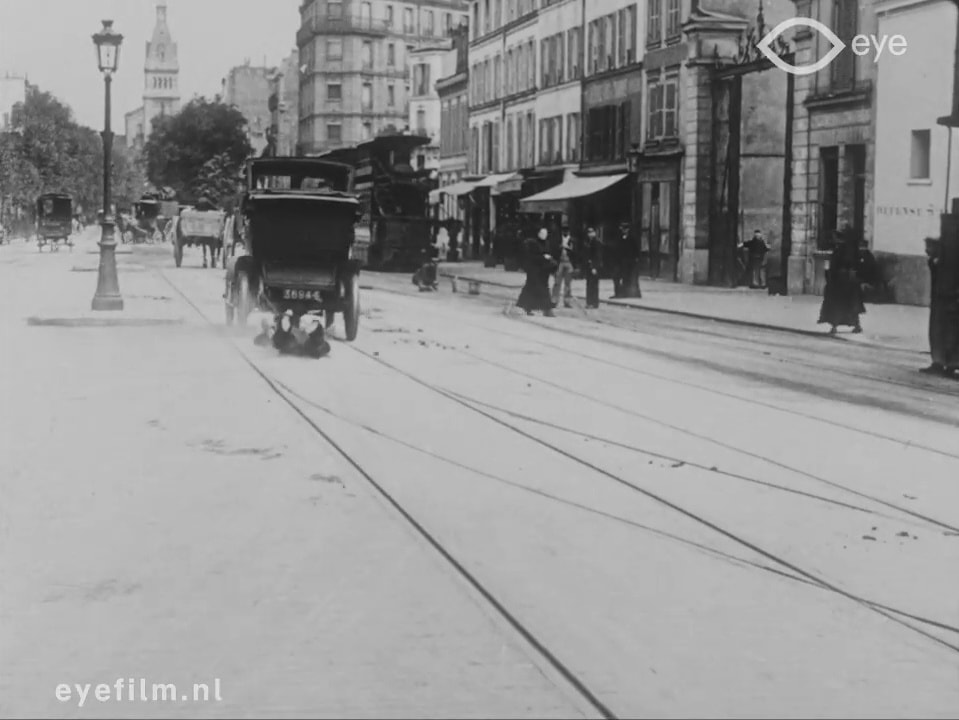
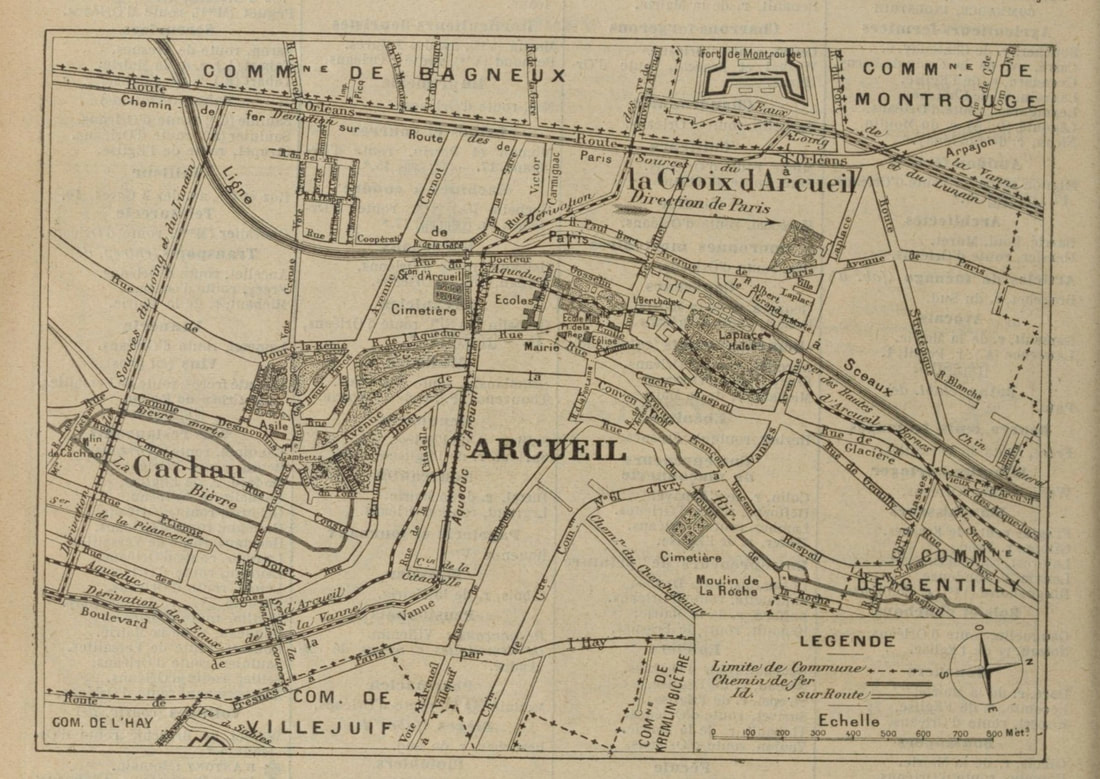
The map of the studio's vicinity points to distinctive features that we might expect to turn up in the films:
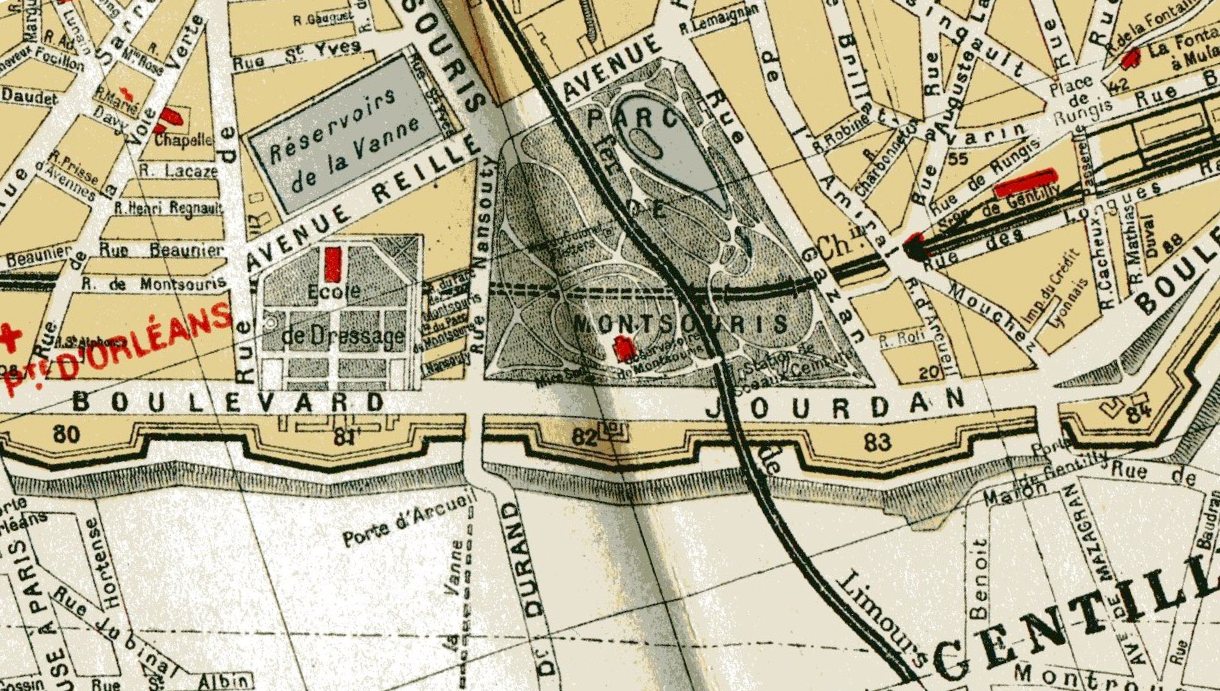
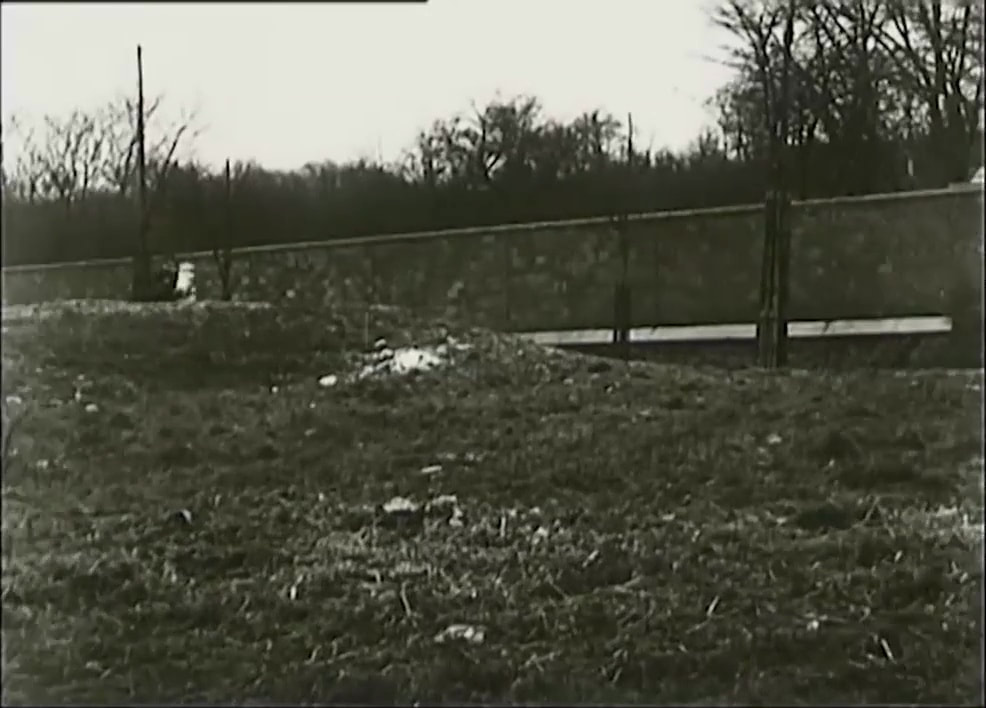
I haven't seen anything of the Ecole de Dressage, where horses were trained for the military, but the Réservoirs de la Vanne can be seen in the 1908 film Le Costume blanc. Two views show the wall around the reservoir, at the junction of Rue de la Tombe Issoire and Avenue Reille:
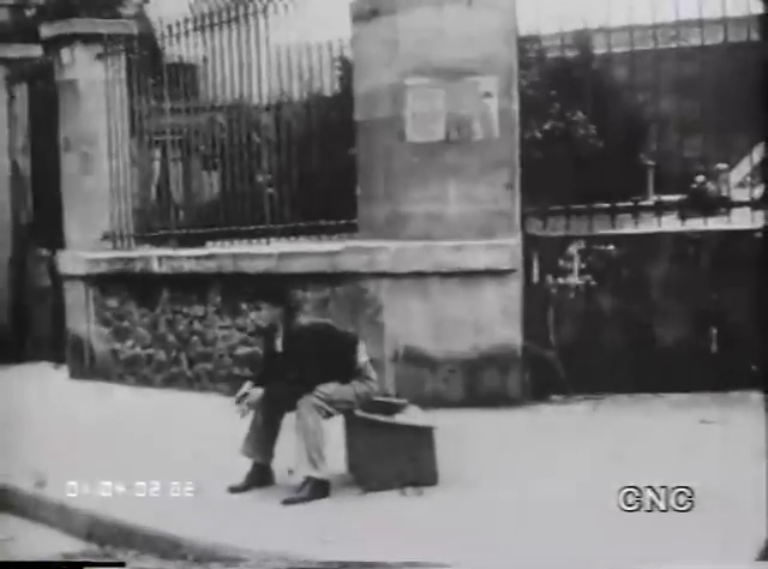
|
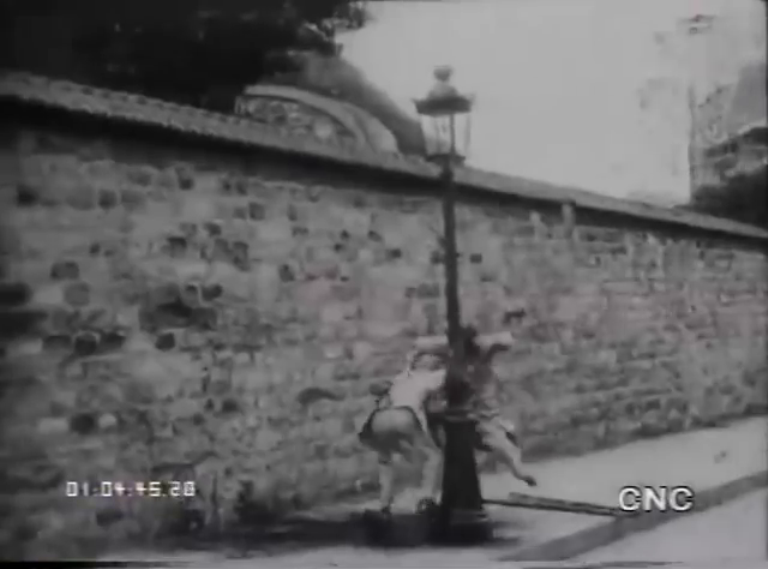
|
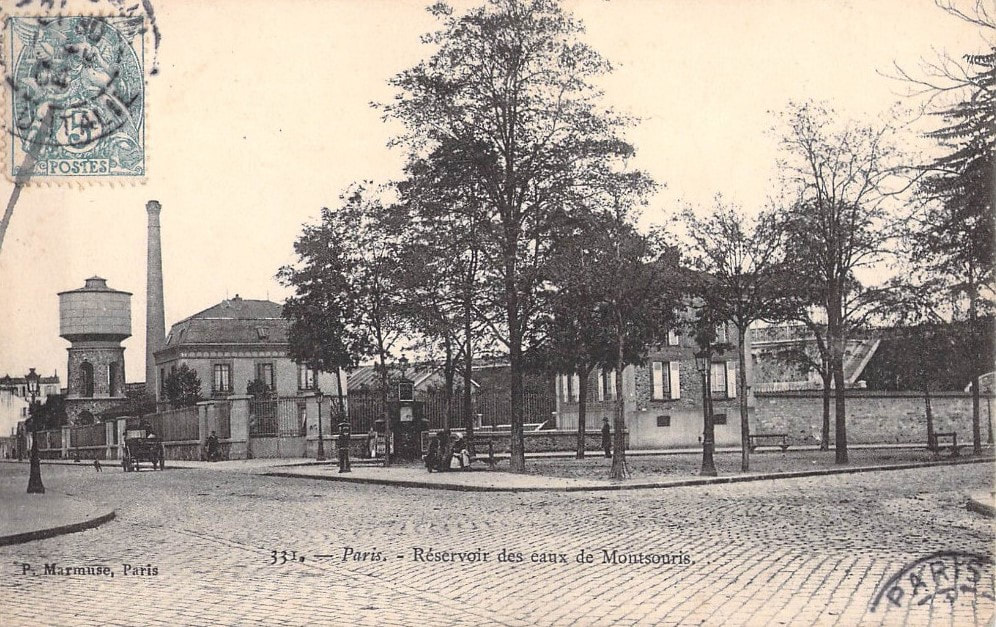
The reservoir can be seen again in Cunégonde jalouse (1912):
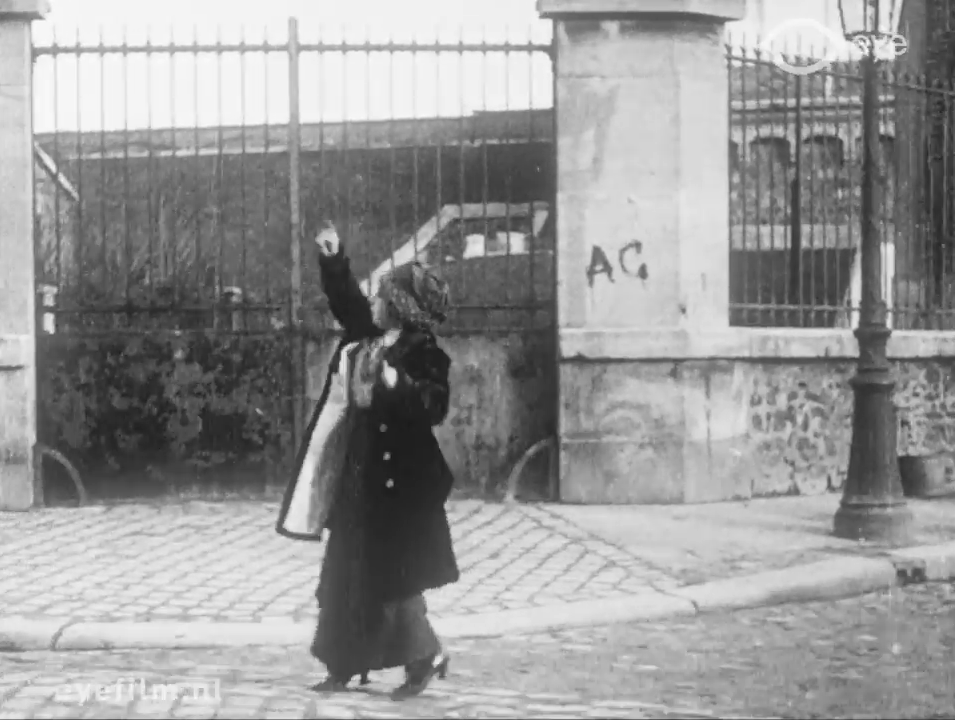
The Parc Montsouris would seem to be an obvious resource to be exploited by the studio's location hunters, but so far I have only found two definite traces of it, a view of the entrance in the bottom right-hand corner of the park, from Patouillard a mangé du homard (1911):
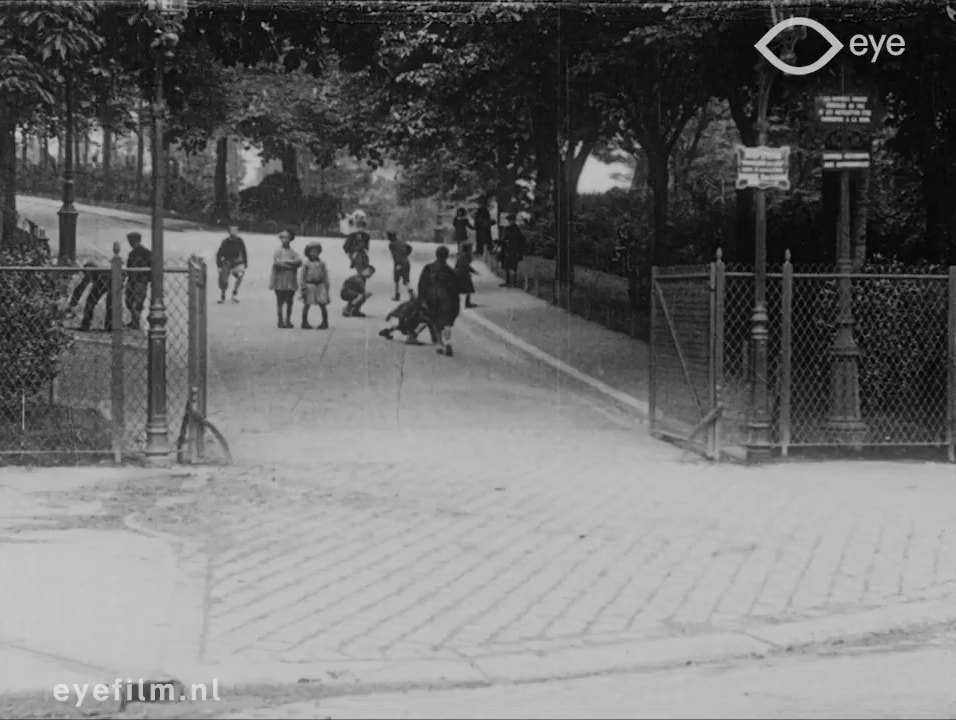
|
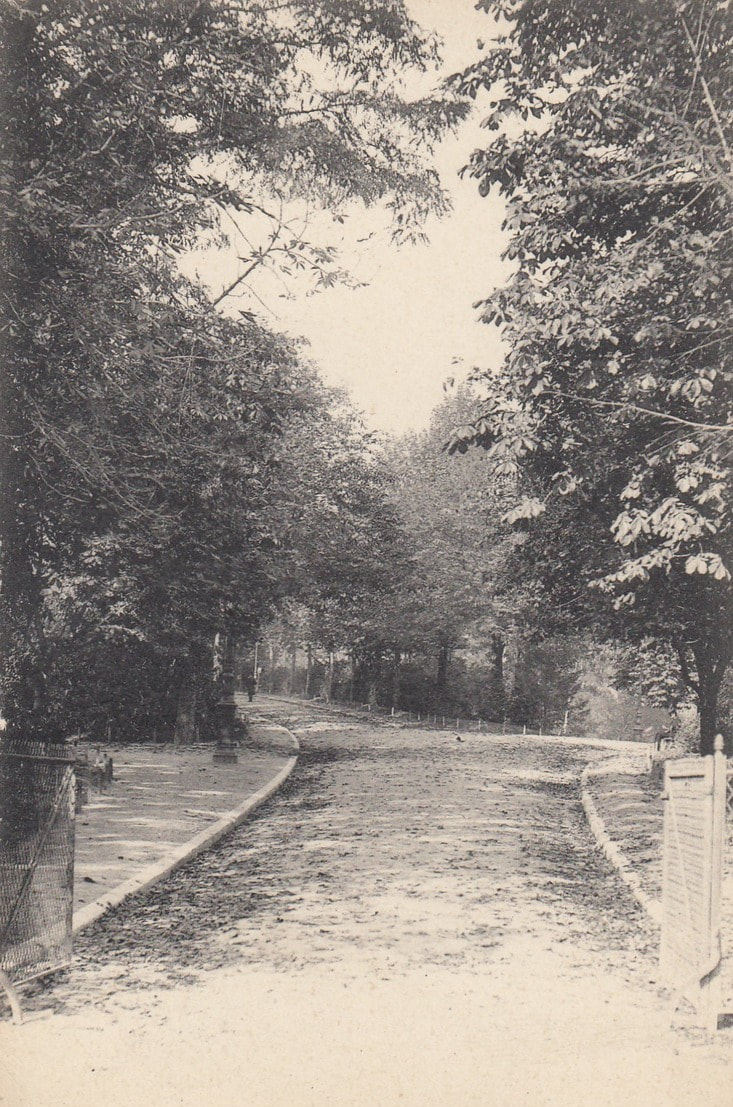
|
This is the entrance at the bottom left-hand corner of the park, from Cunégonde femme du monde (1912):
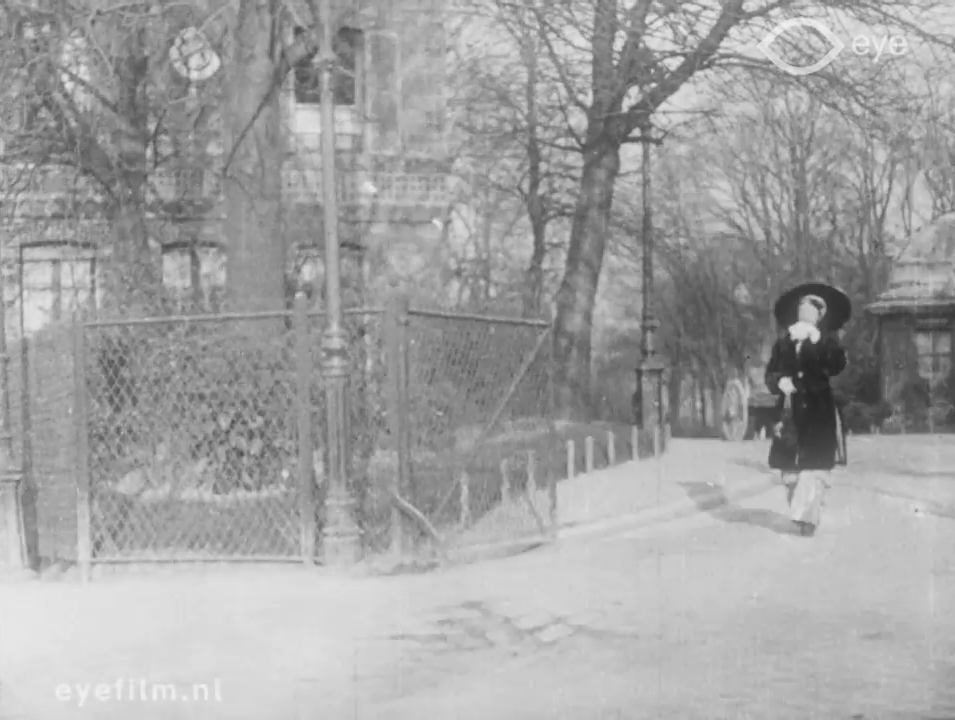
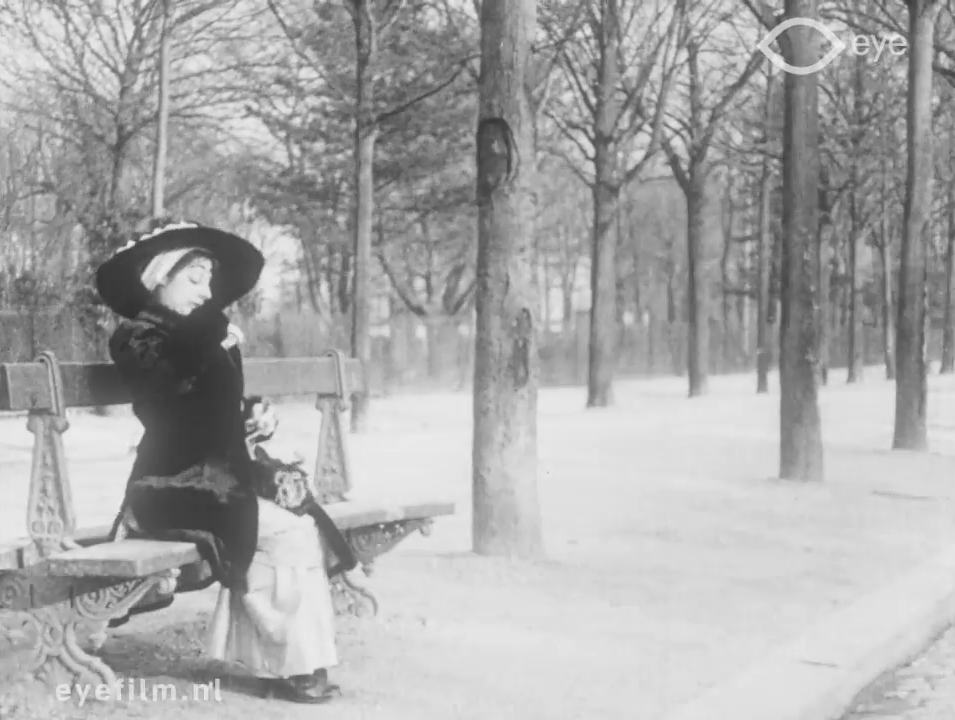
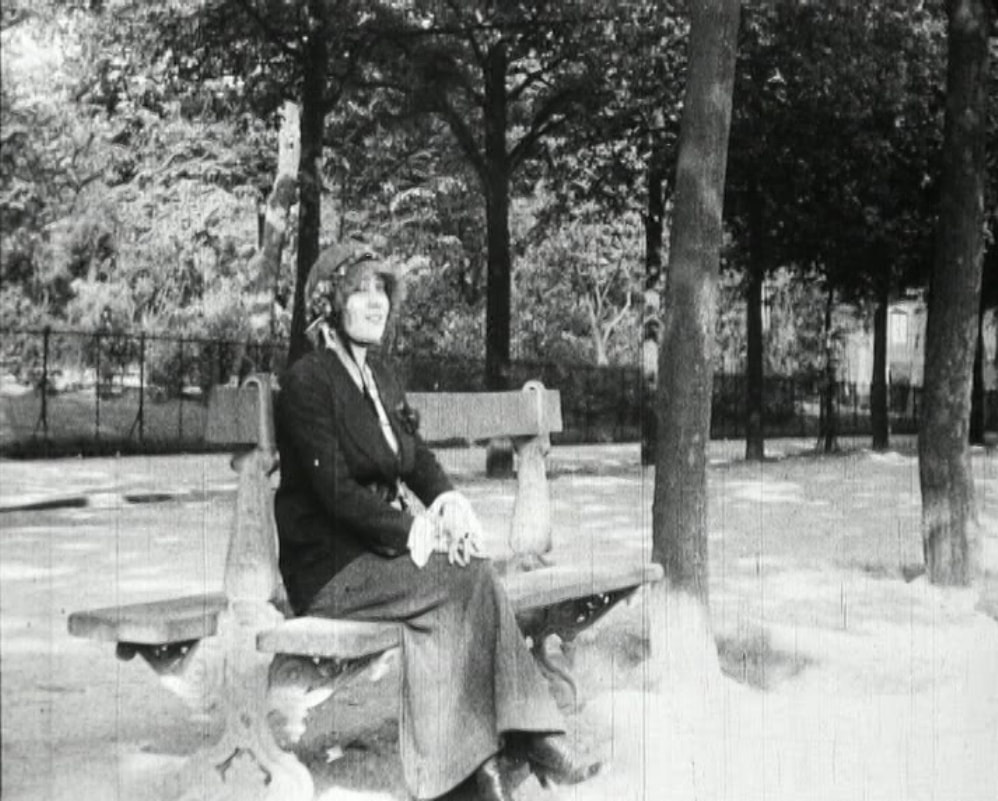
And these are, I think, views of the Boulevard Jourdan with the park behind, from Cunégonde femme du monde and Zizi fait des courses (1913):
|
|
My guess would be that the one exterior of Le Nain détective (1909) shows the Parc Montsouris:
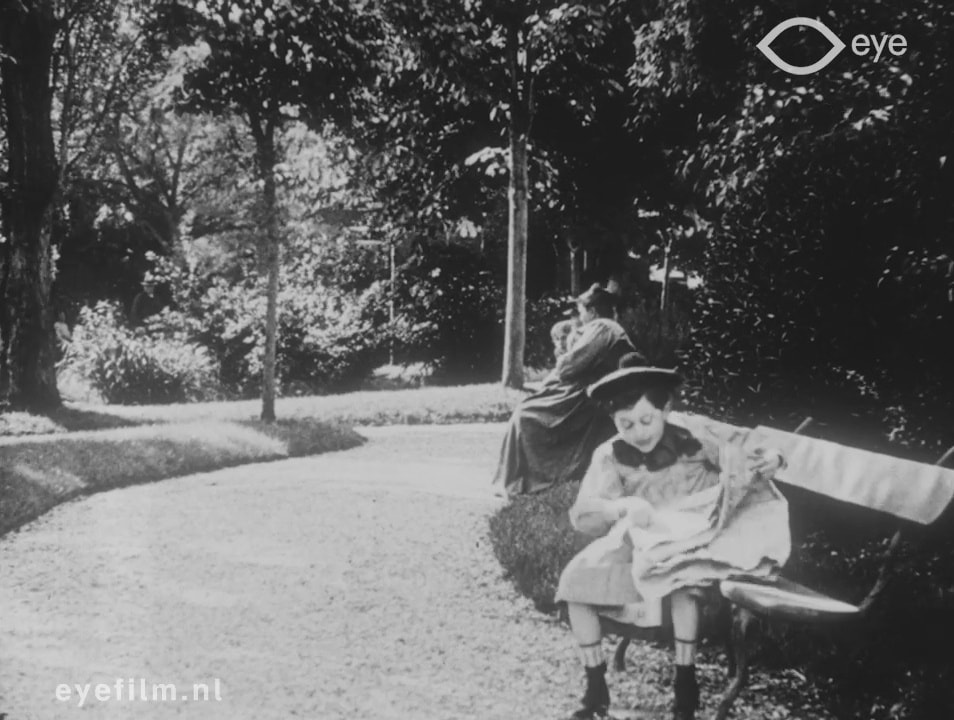
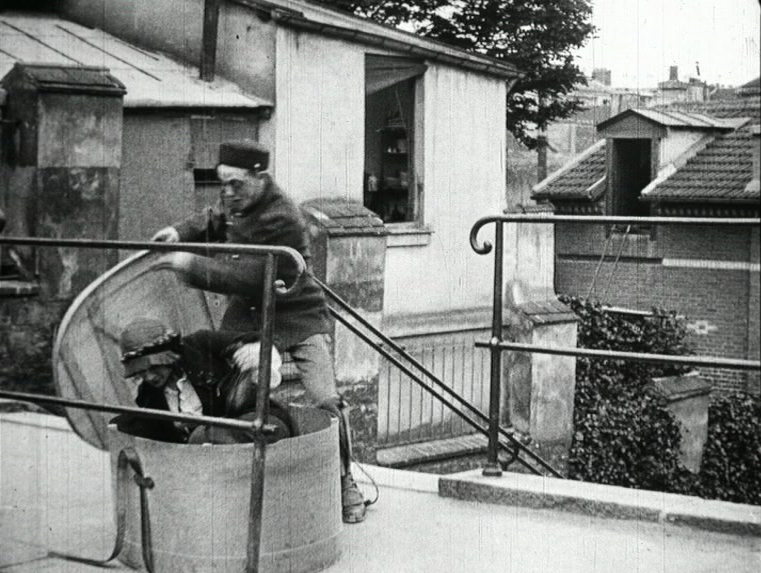
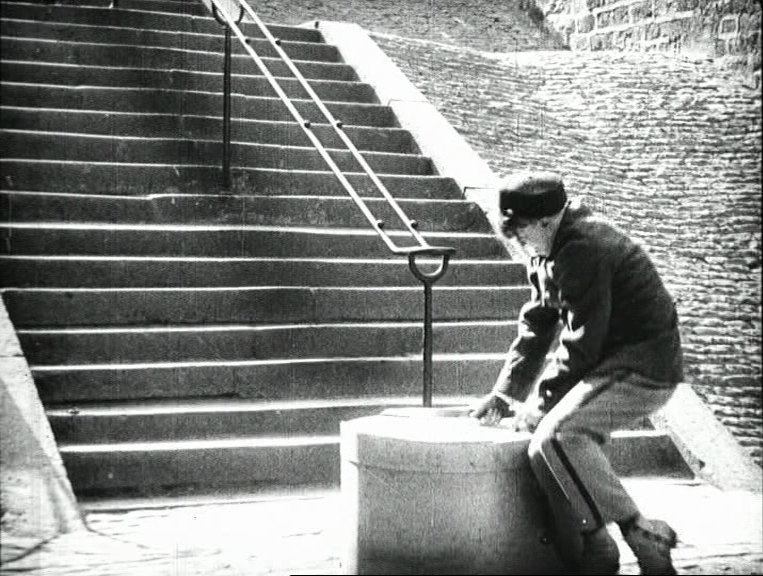
Though it isn't indicated on the map, there is a staircase in the street at the top right-hand corner of the Parc Montsouris that could have spared Patouillard the trip to Montmartre I mentioned earlier. Zizi fait des courses shows the top and bottom of this staircase in the rue Lemaignan:
|
|
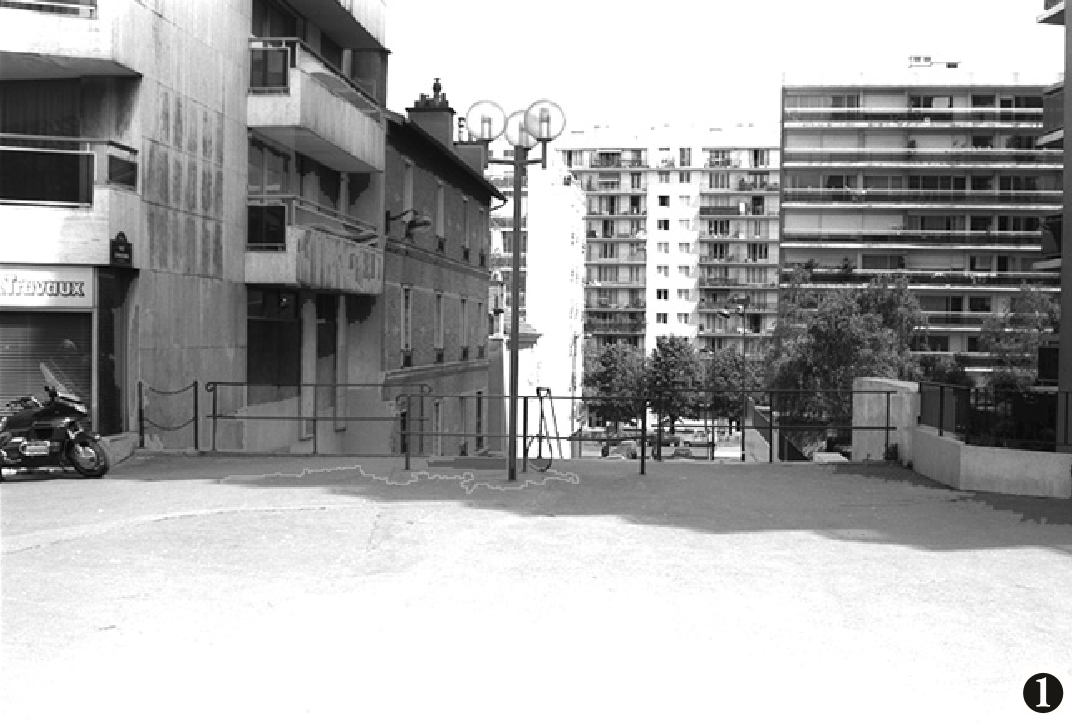
|
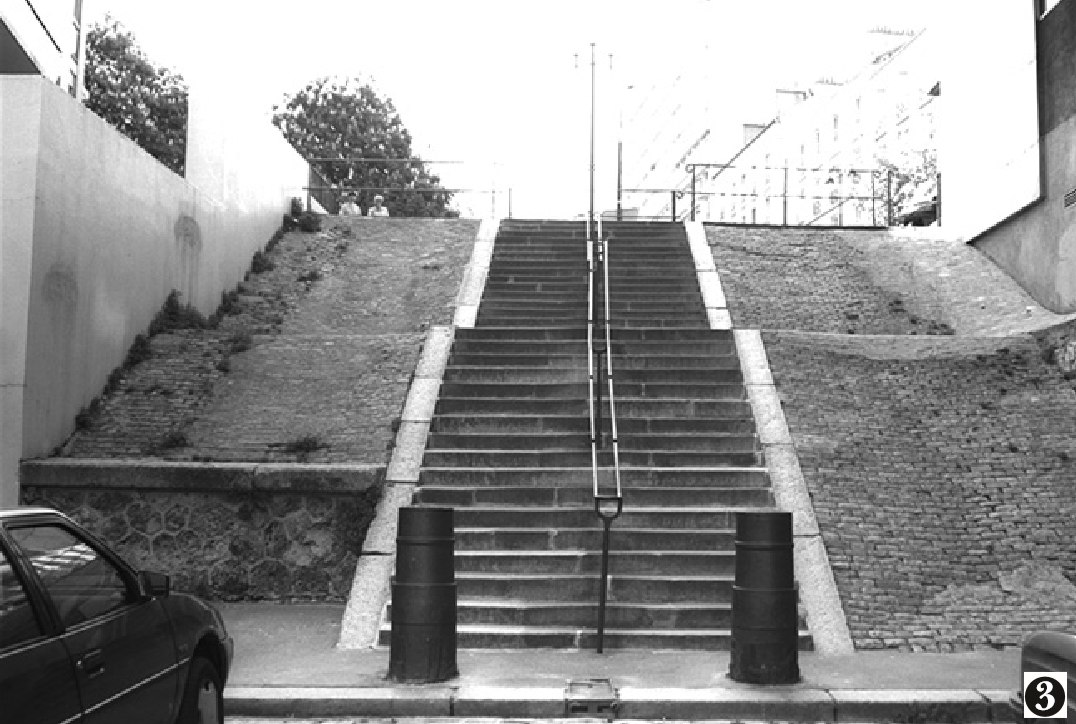
François Le Henaff, Les Escaliers de Paris
|
Later we see Zizi being ejected via a window from the building beside the stairs:
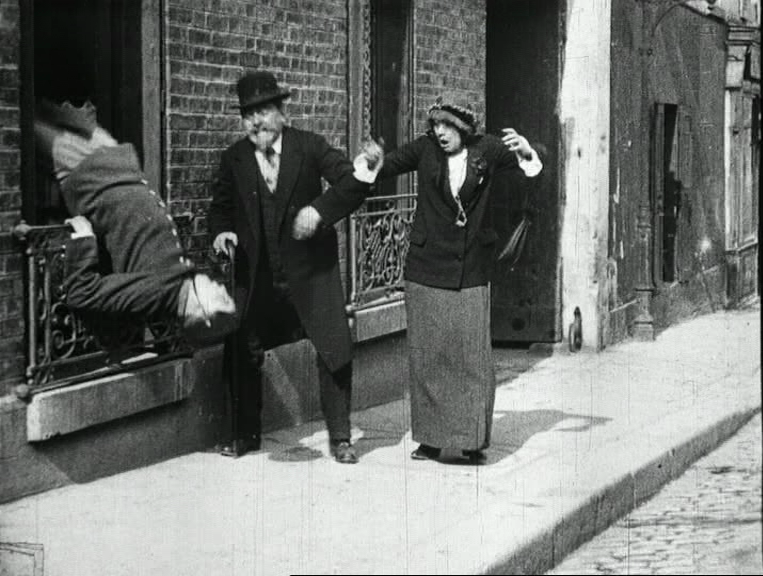
|
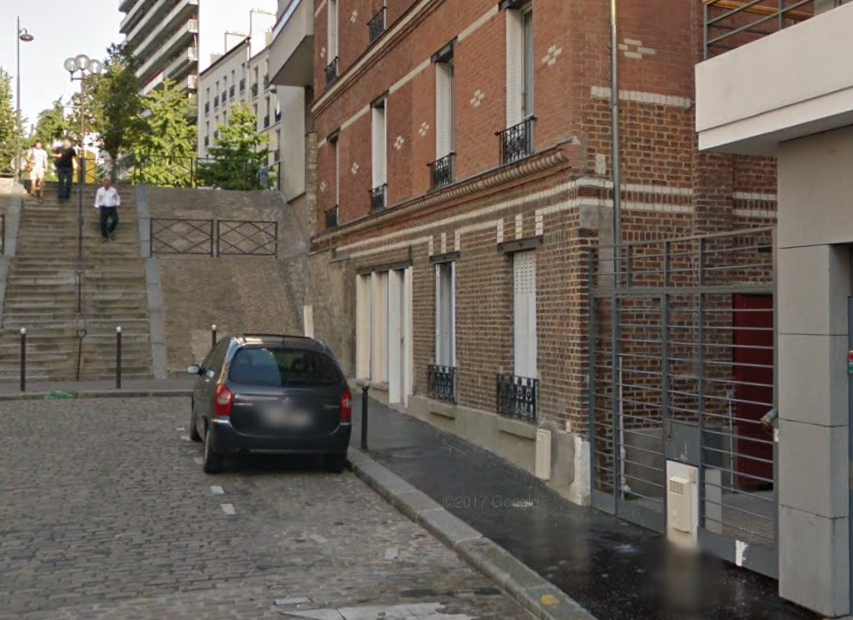
Google Street View July 2014
|
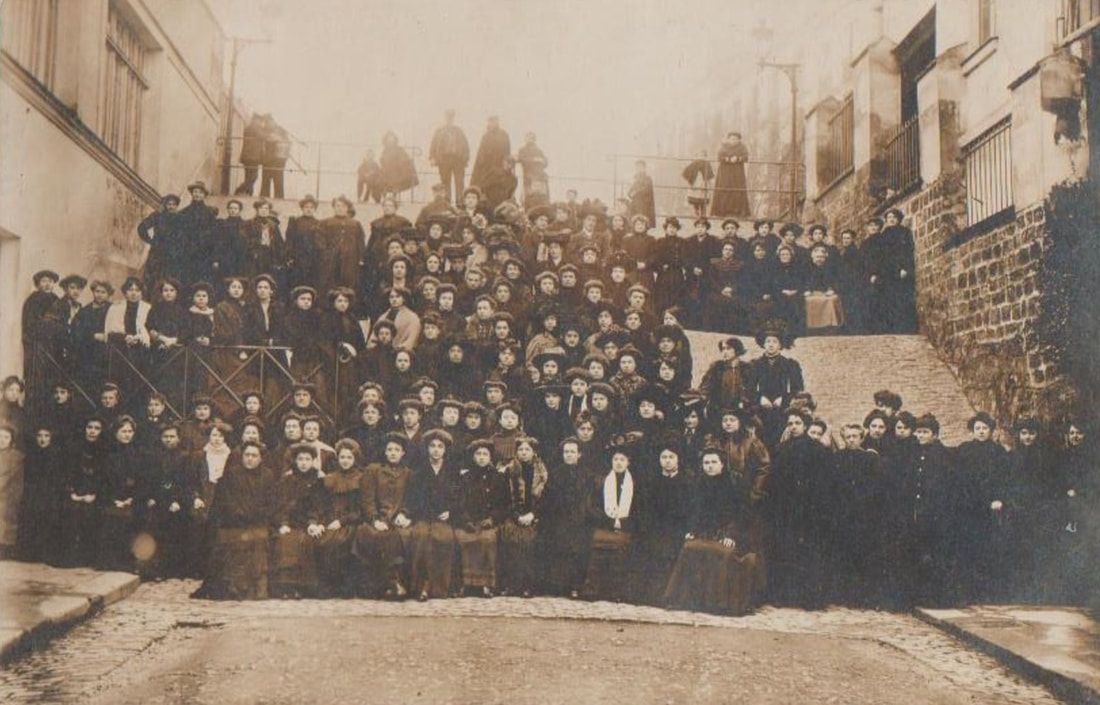
The only contemporary photograph of these stairs I have found is this, also featuring the staff of the nearby 'Petit Echo de la Mode' company:
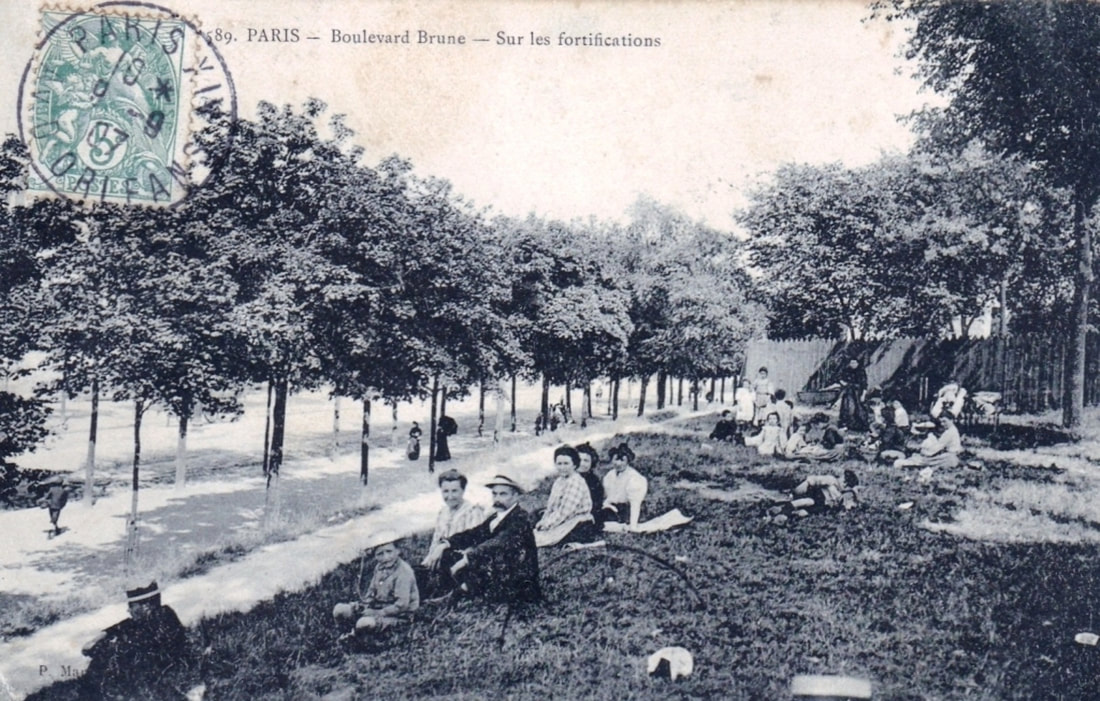
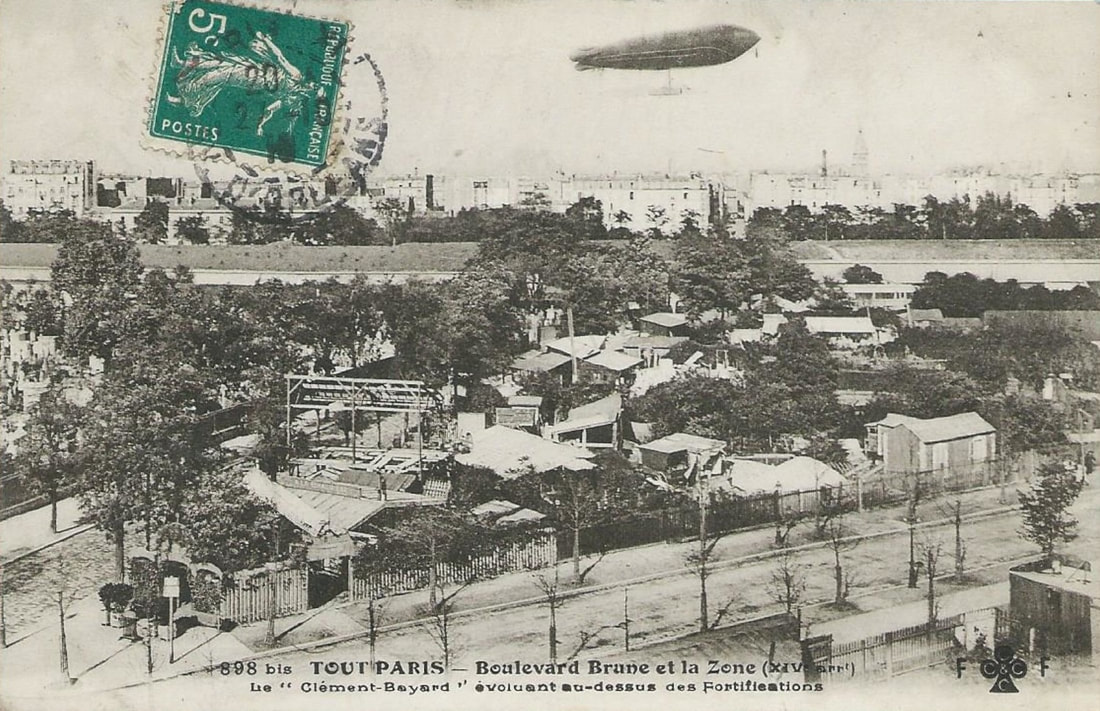
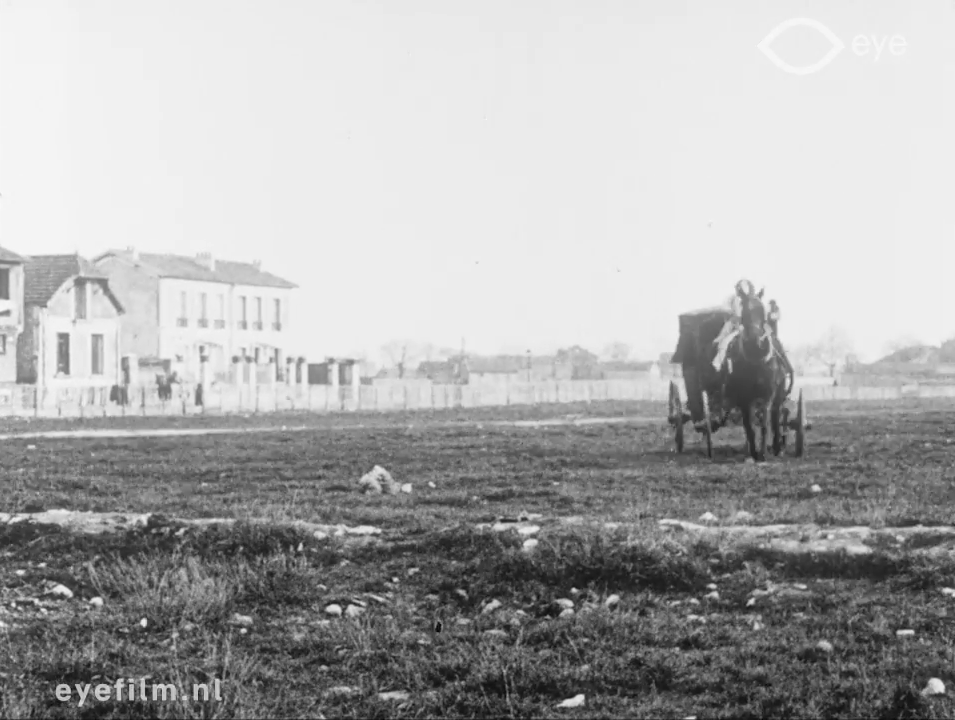
The largest local feature on the map, immediately across the boulevard from the studio, are the fortifications and surrounding open ground, with the 'Zone' beyond. These postcards of the Boulevard Brune give a good idea of the area's aspect:
|
|
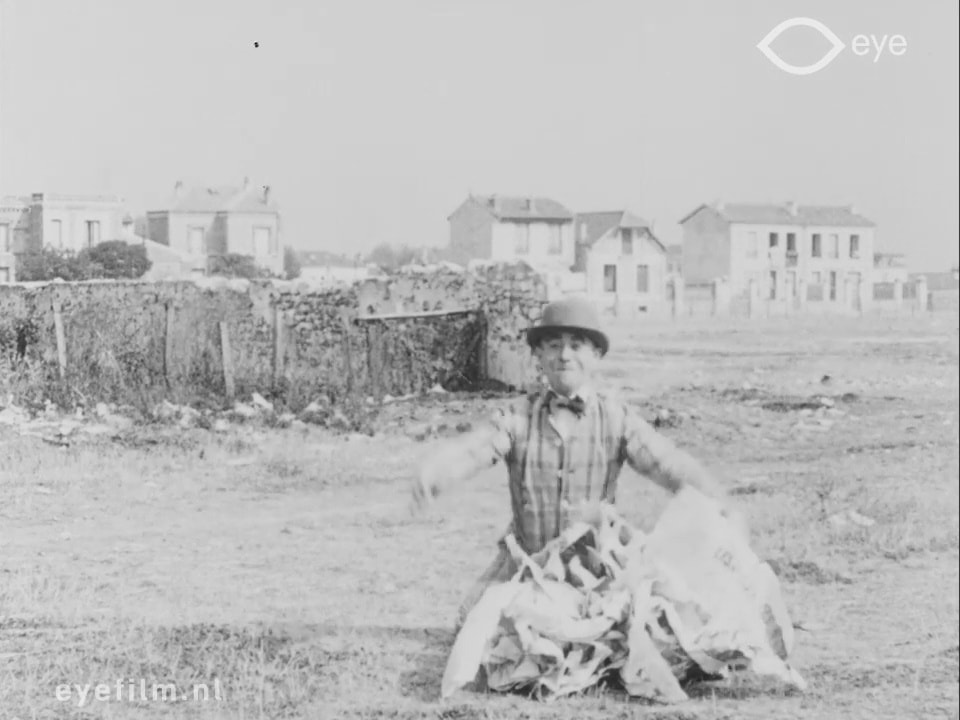
A few Lux films make use of this local resource. The recurrence of this open space in Patouillard crieur de journaux and Cunégonde jalouse suggests it is near the studio:
|
|
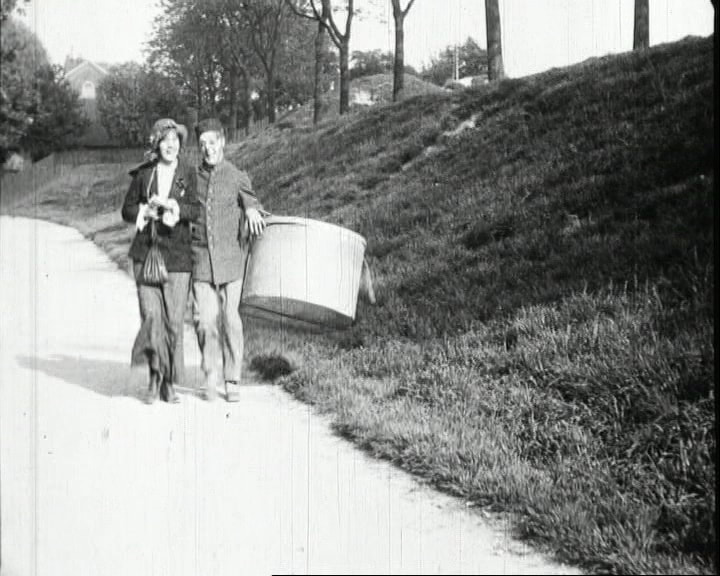

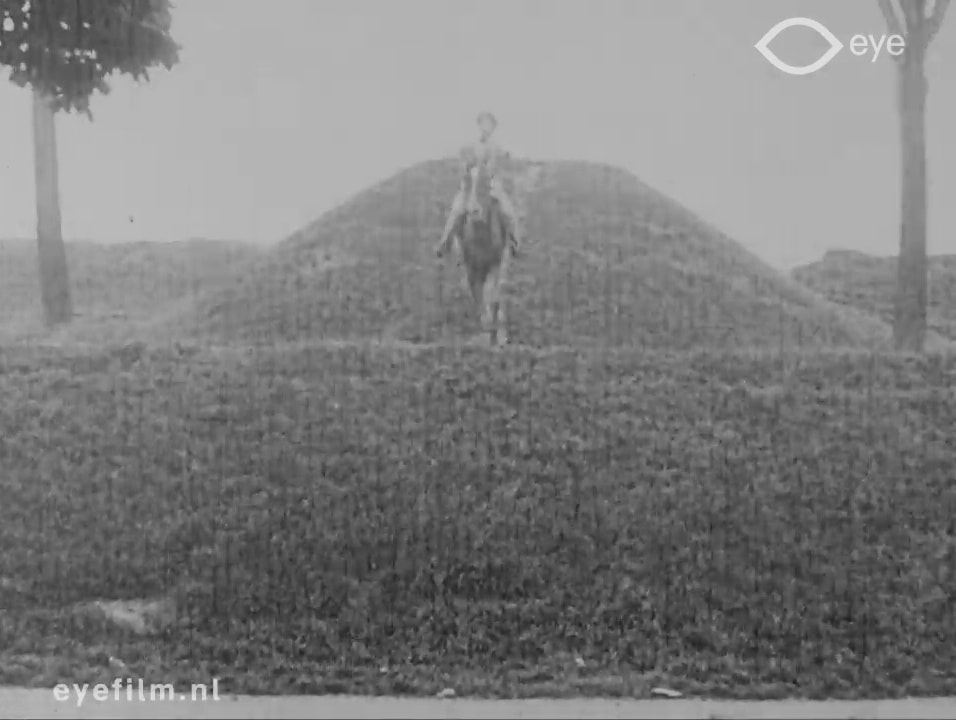
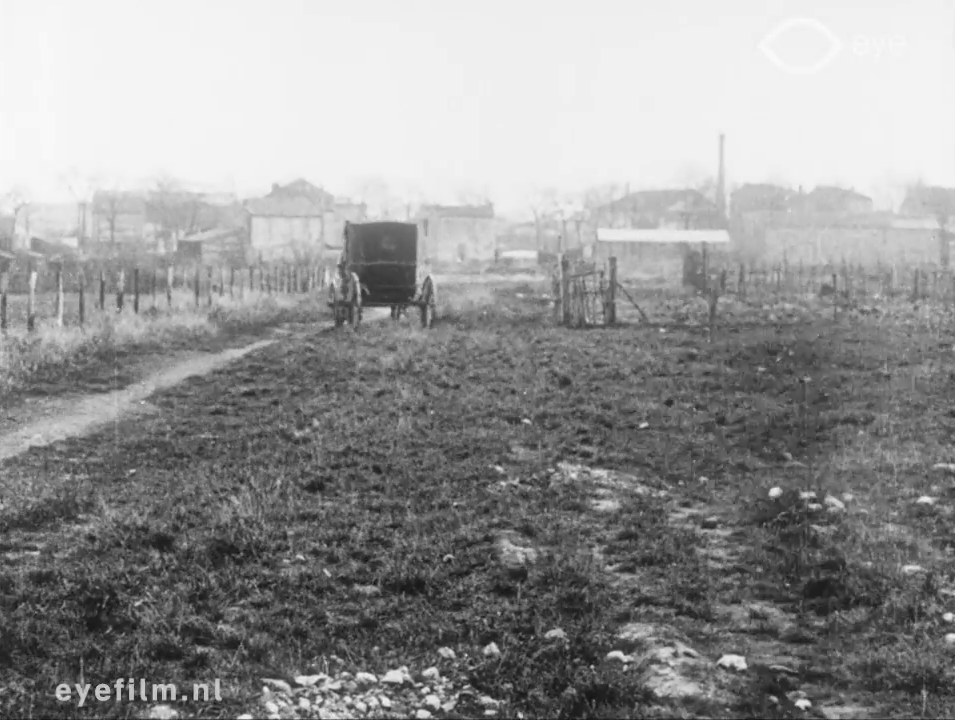
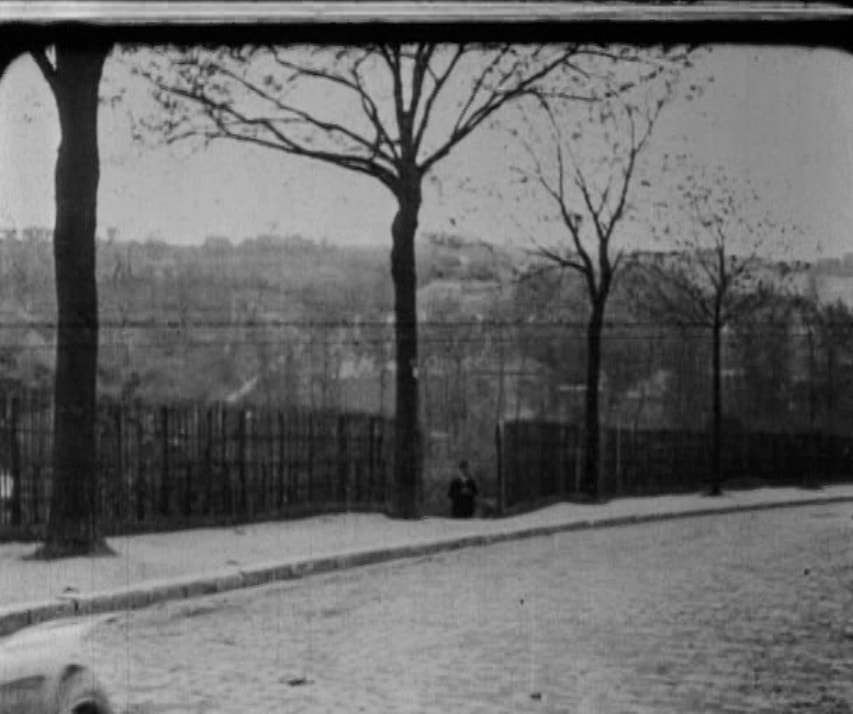
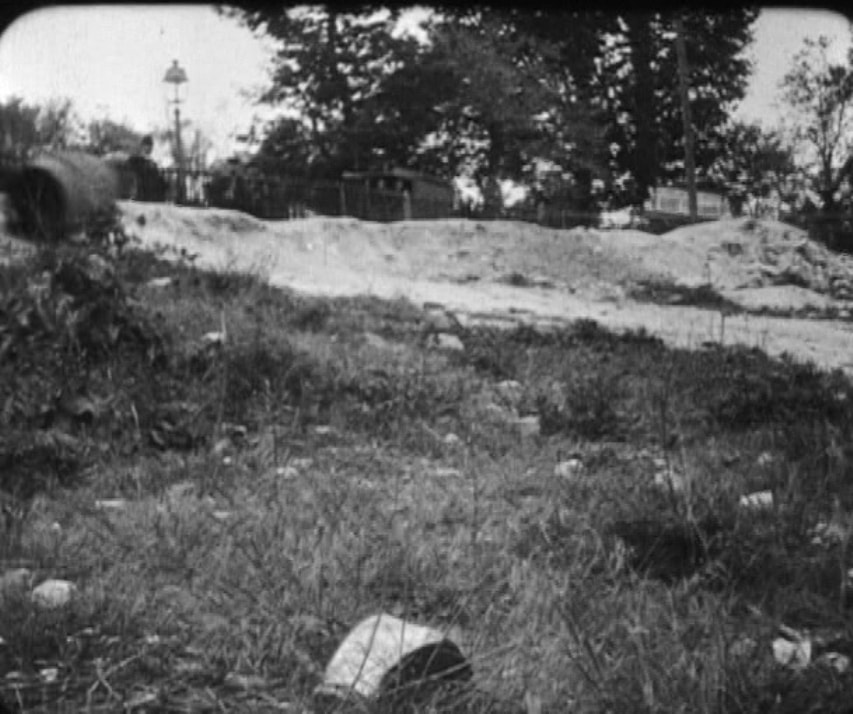
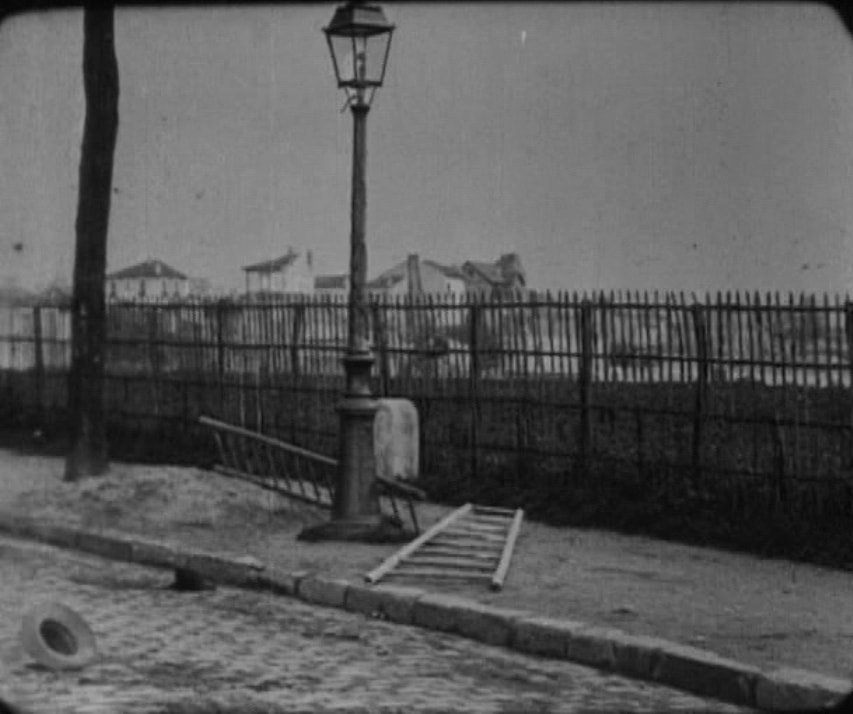
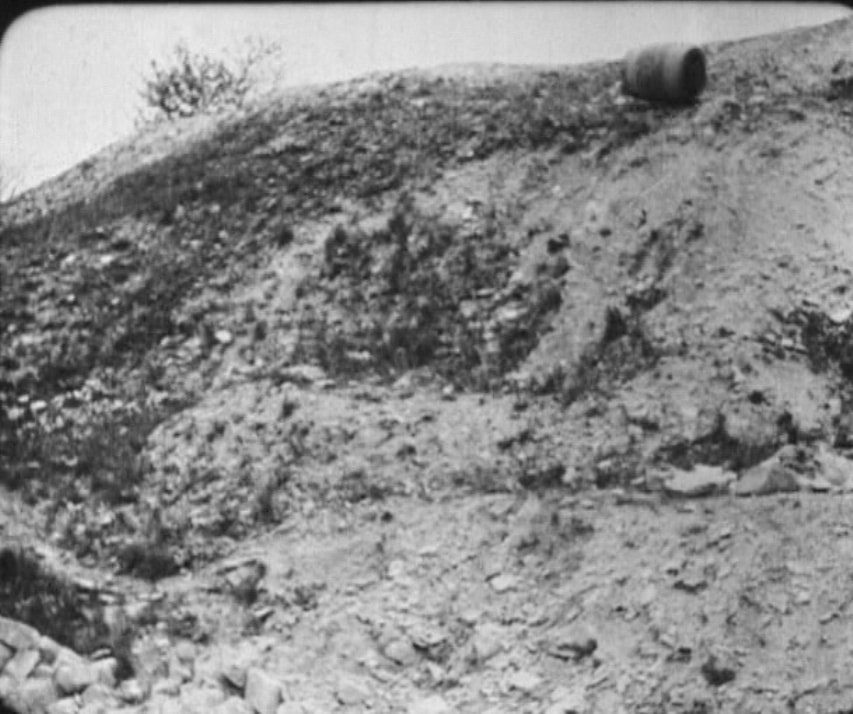
The first image above is from Zizi fait des courses, the second and third are from Patouillard a mangé du homard, and the fourth is from Cunégonde jalouse. The last four are all from Les Tribulations d'un charcutier (1909), a film with fourteen exterior locations, none of which have I been able to locate in the vicinity of the studio. Here are the other ten locations of that film:
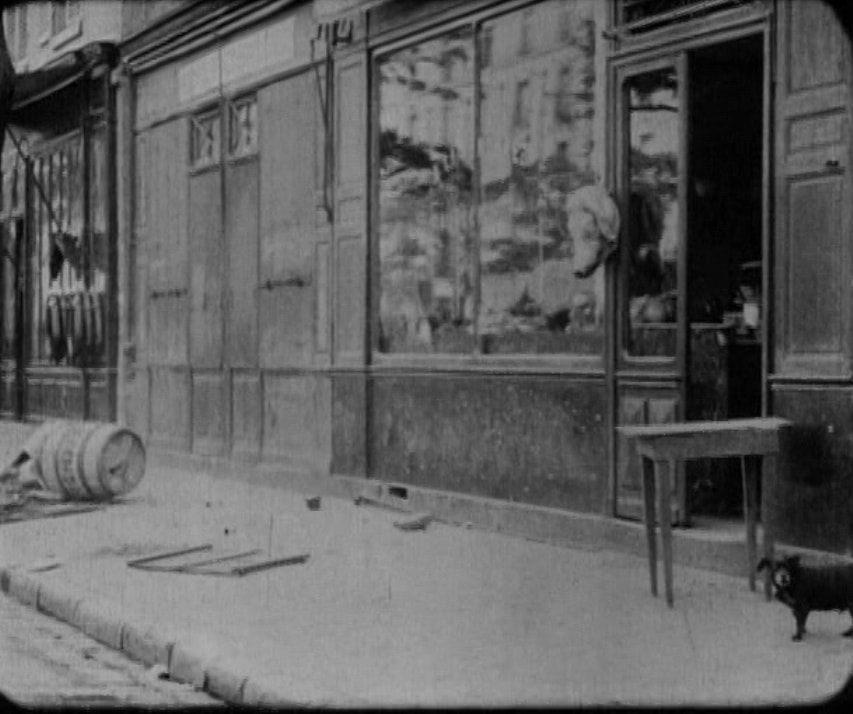
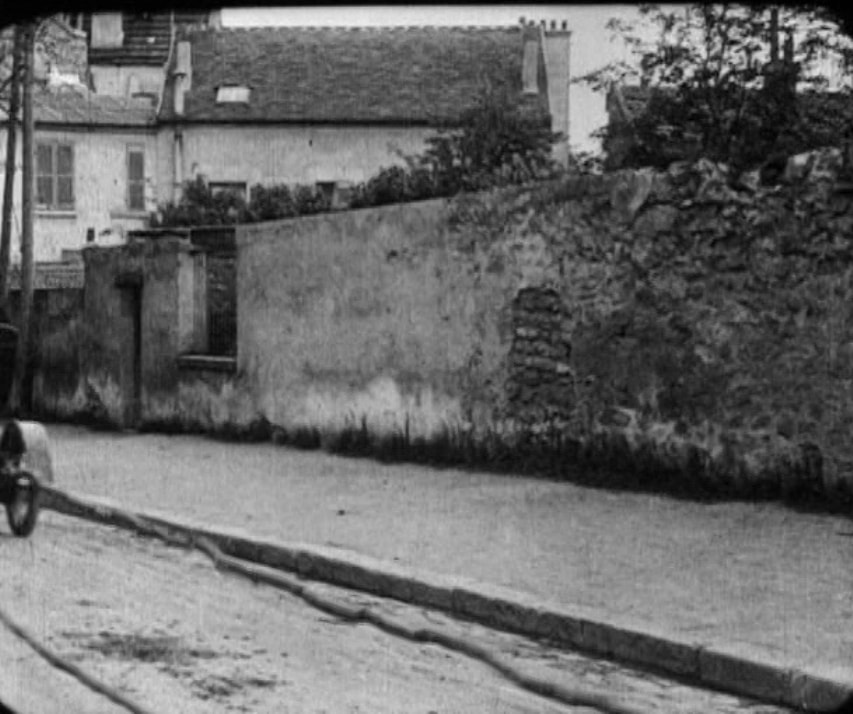
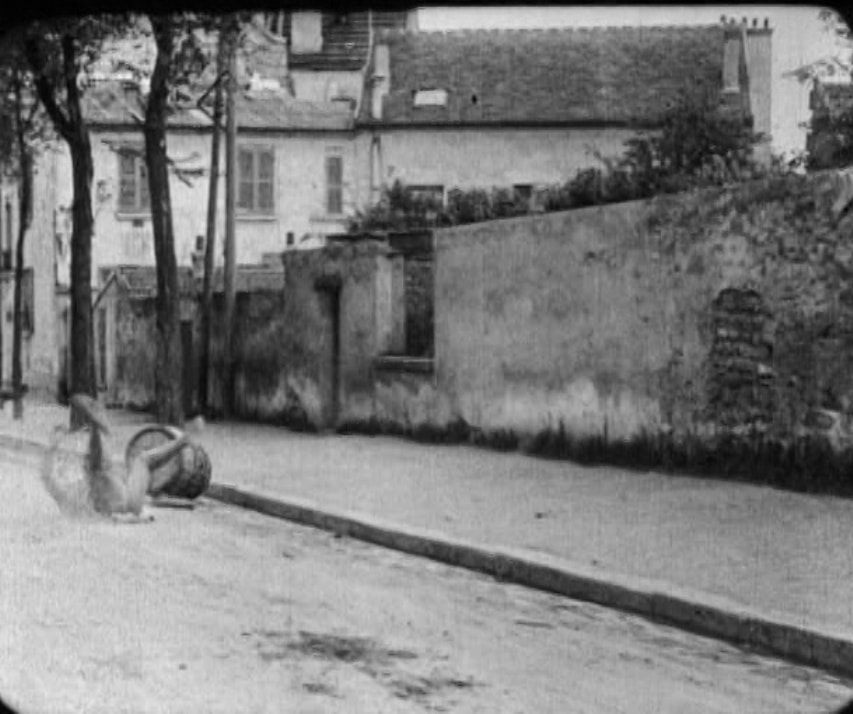
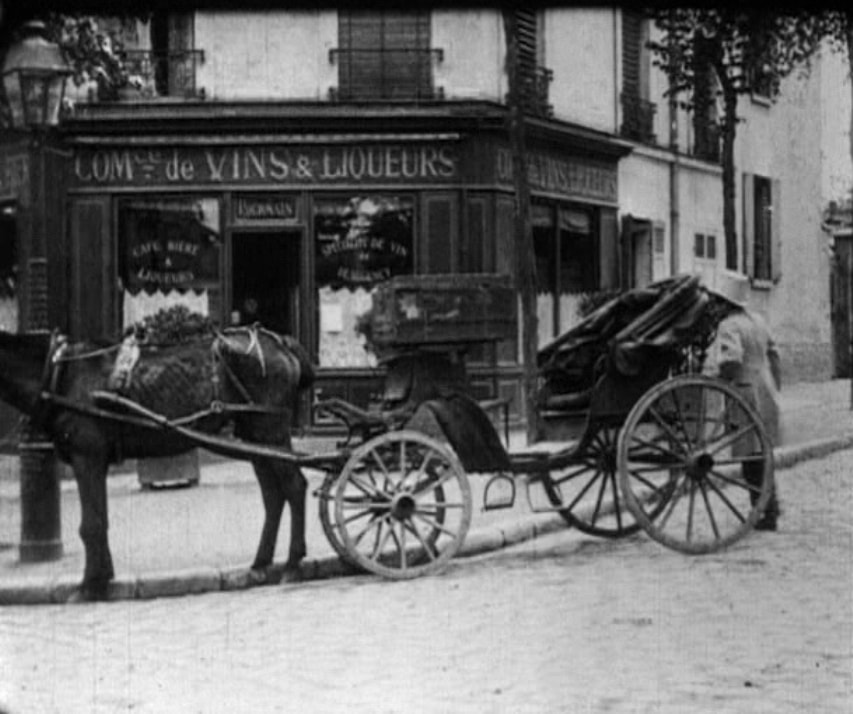
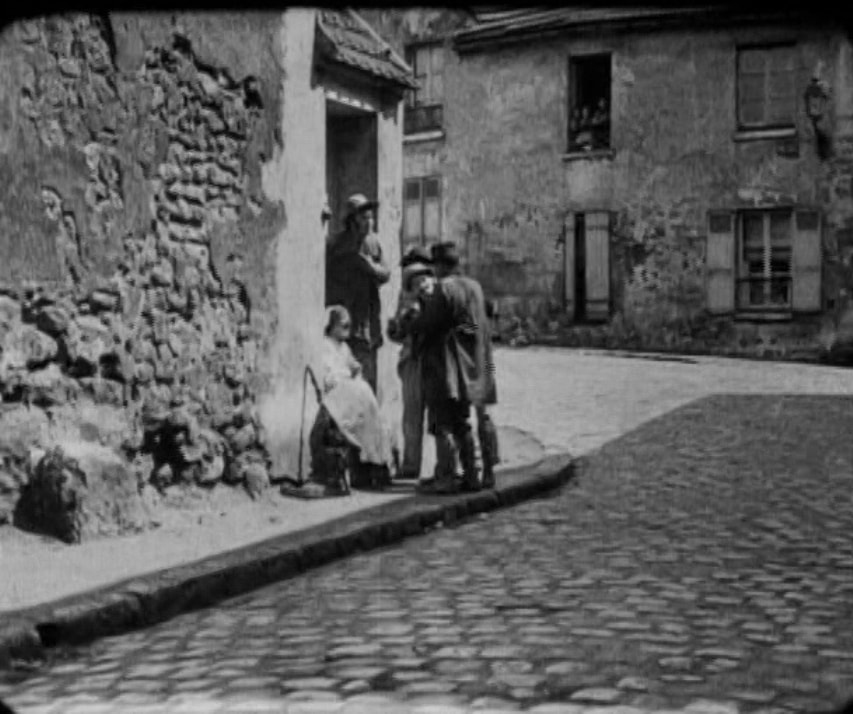
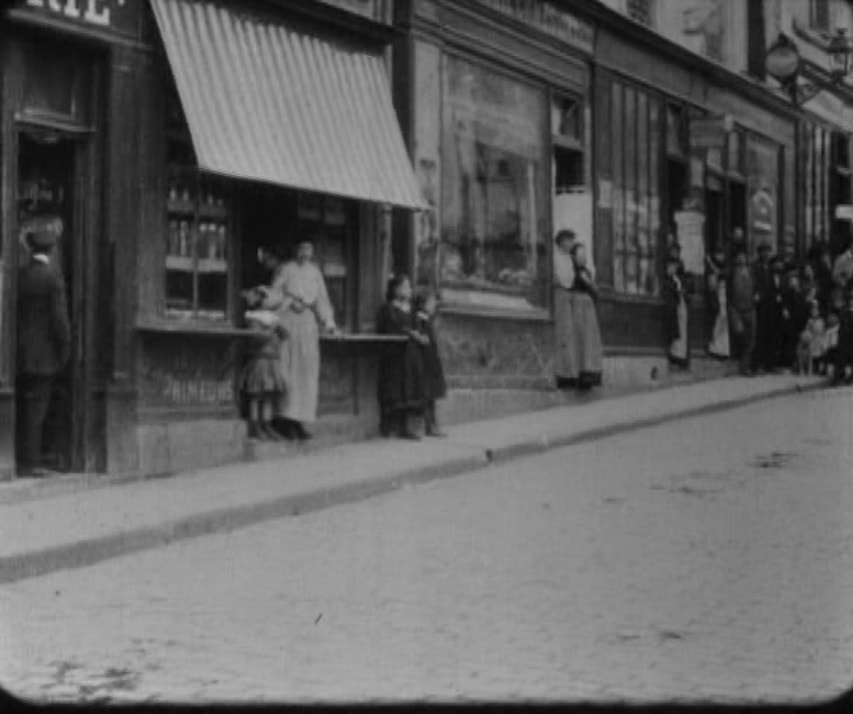
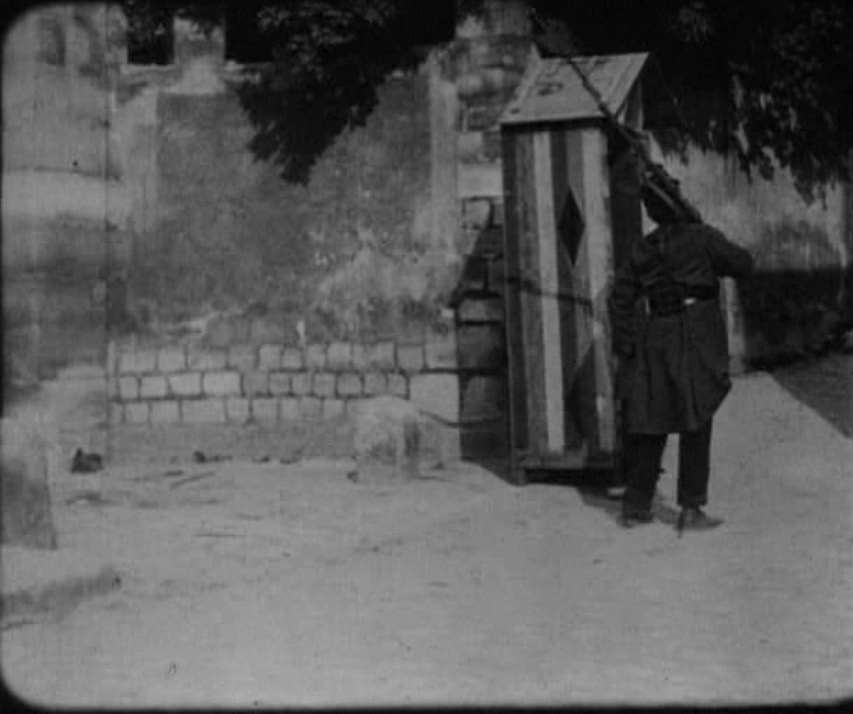
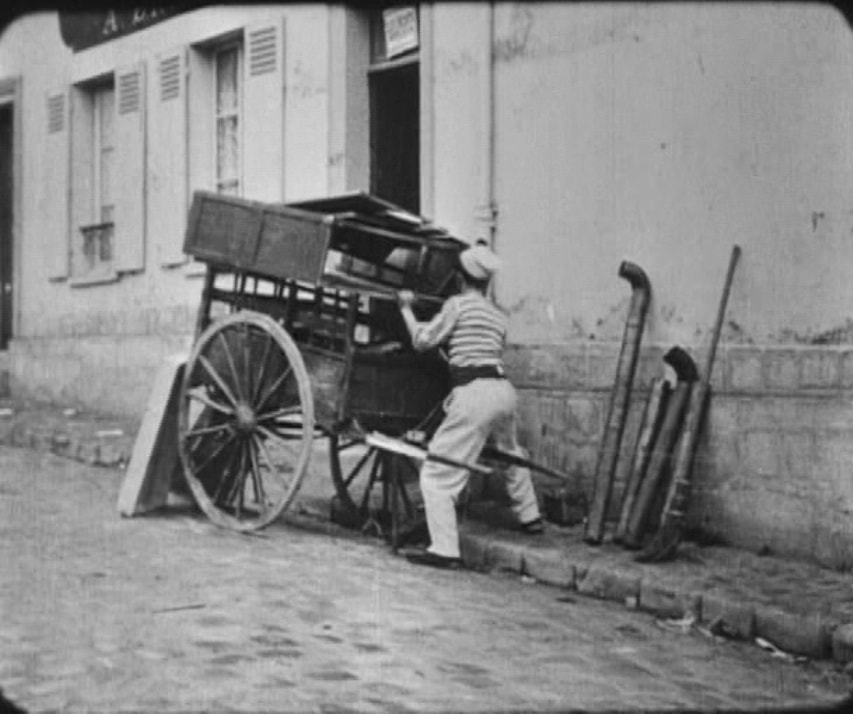
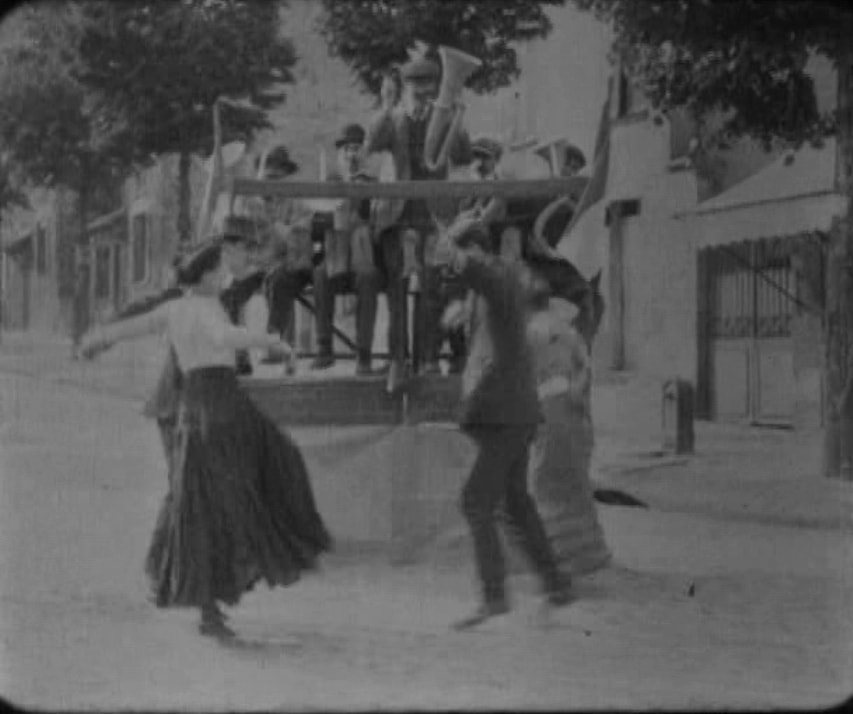
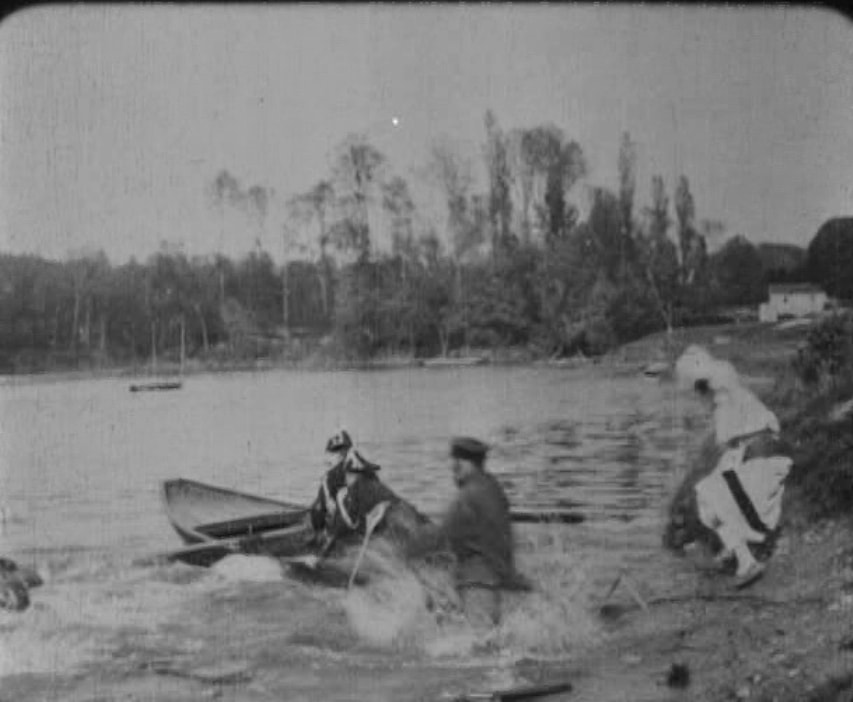
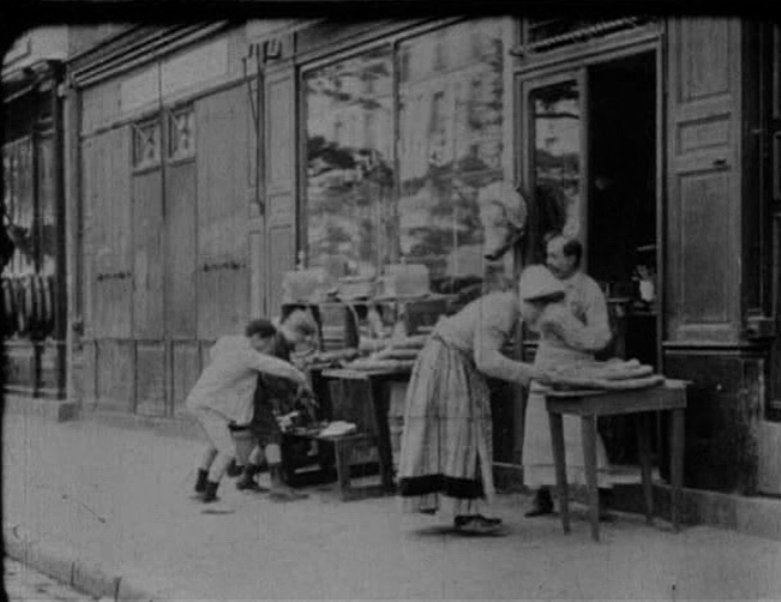
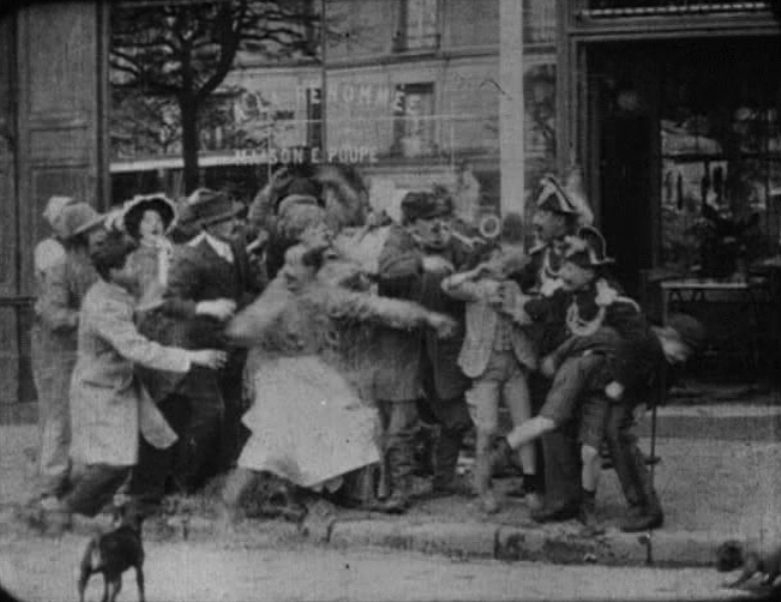
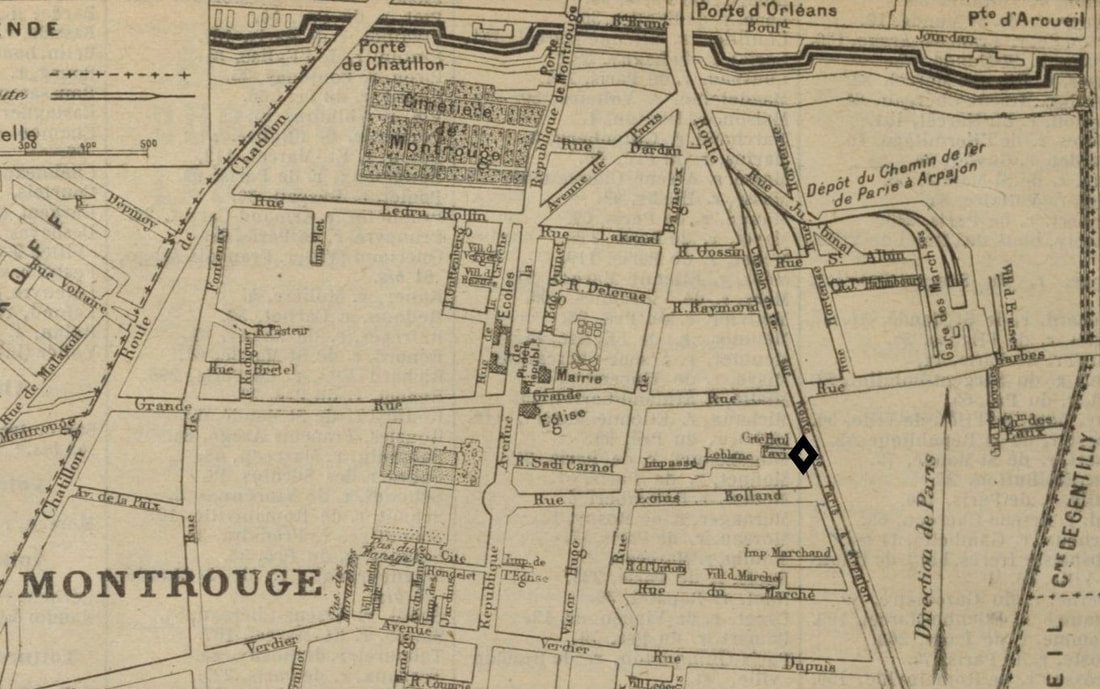
One of these I can locate in Montrouge, the suburb immediately across from Paris's Petit Montrouge quartier, separated from the studio by the exterior boulevard, the fortifications and the Zone. The titular pork butcher's shop is seen in the opening and closing scenes:
|
|
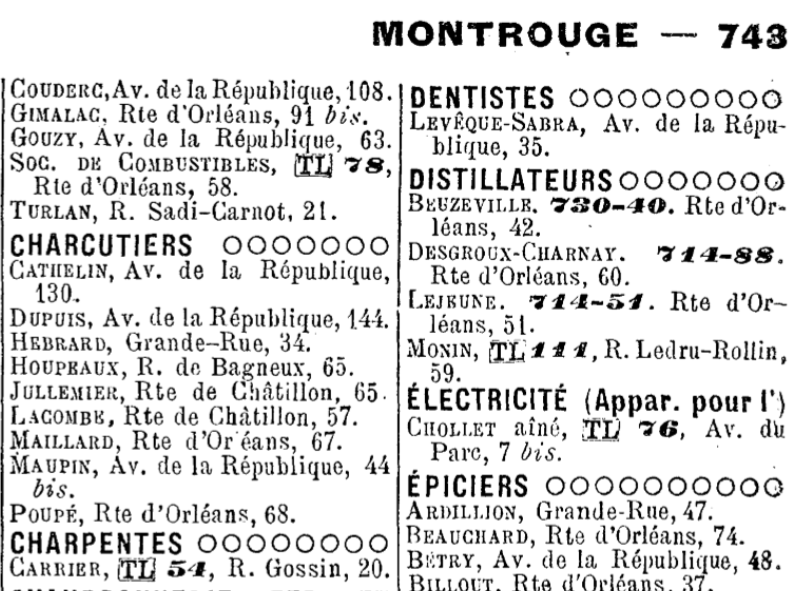
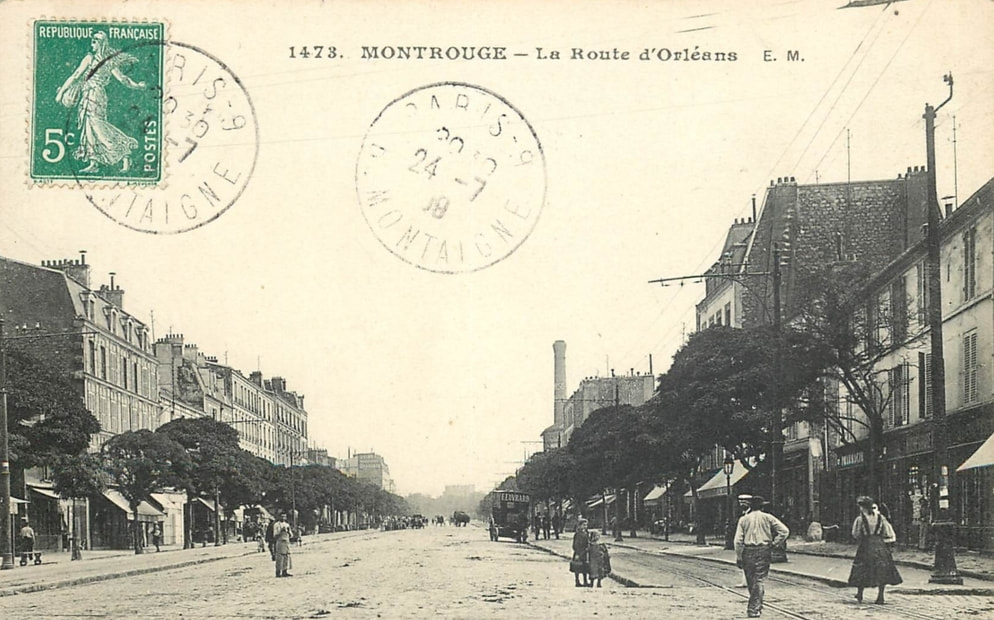
A name can be made out on the window, 'Maison E. Poupé'. I think this is the charcutier listed below in the 1910 Hachette directory. The location is marked on the map. The Avenue d'Orléans leads directly to the Porte d'Orléans in Paris, next to the studio:
|
|
Another view of the same charcuterie appears in the 1911 Lux film Ski à roulettes:
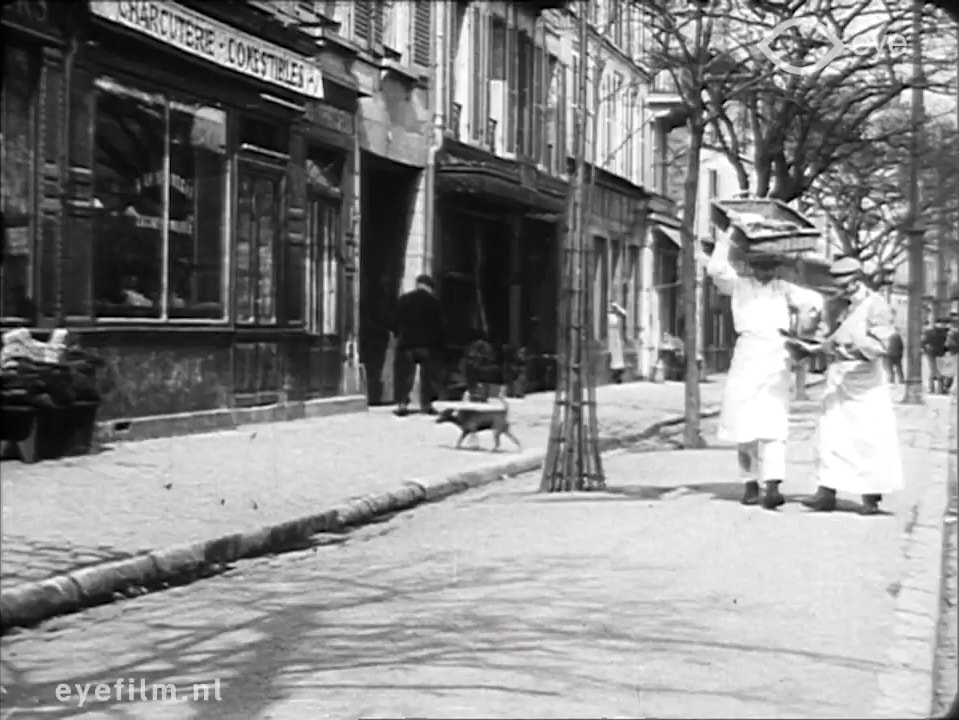
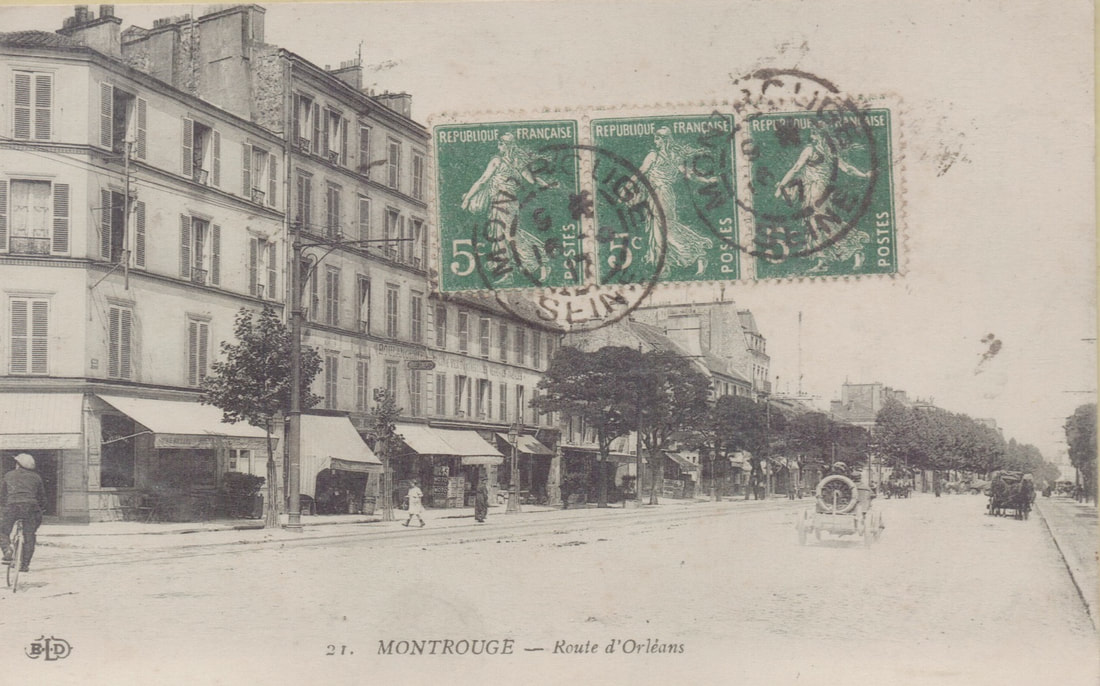
These two postcards look towards this parade of shops, from the south and the north. The detail isn't sufficient to match exactly with the film images:
|
|
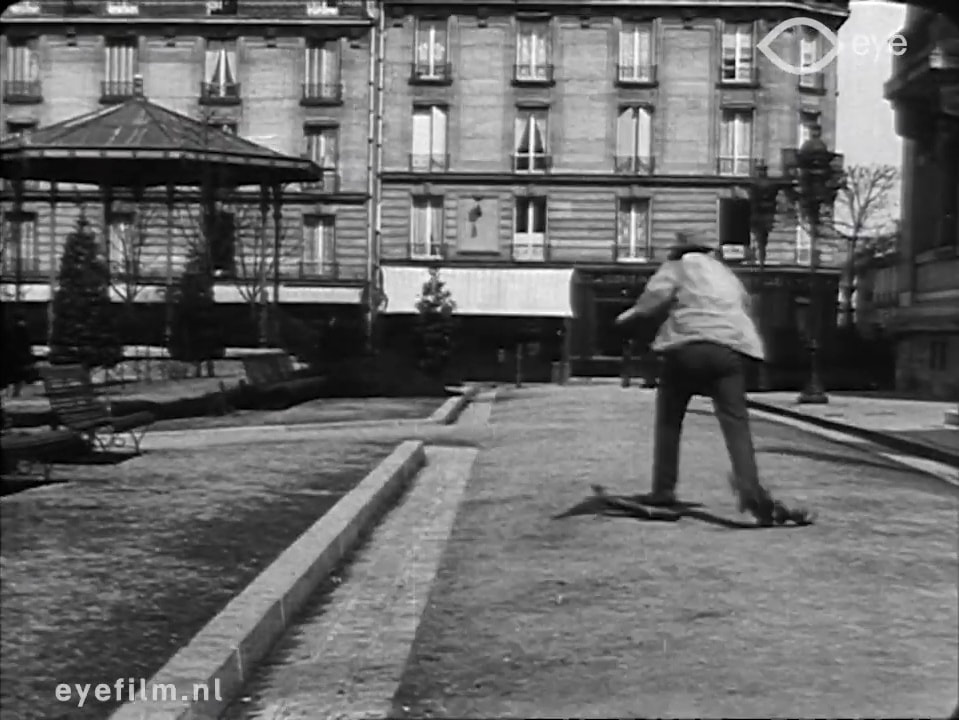
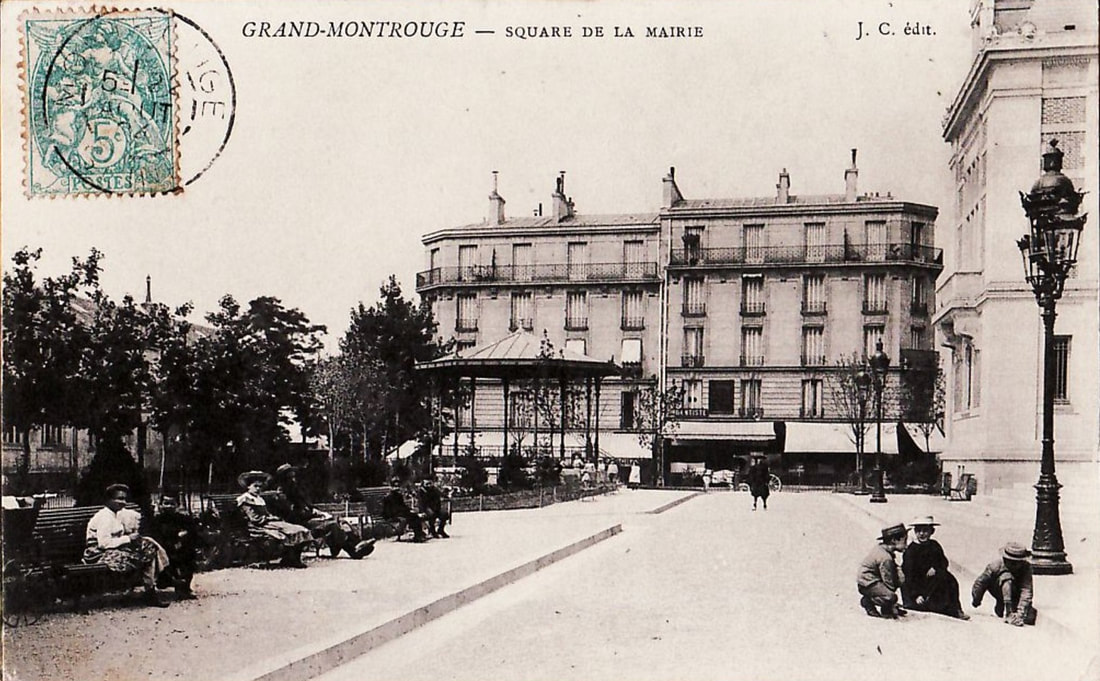
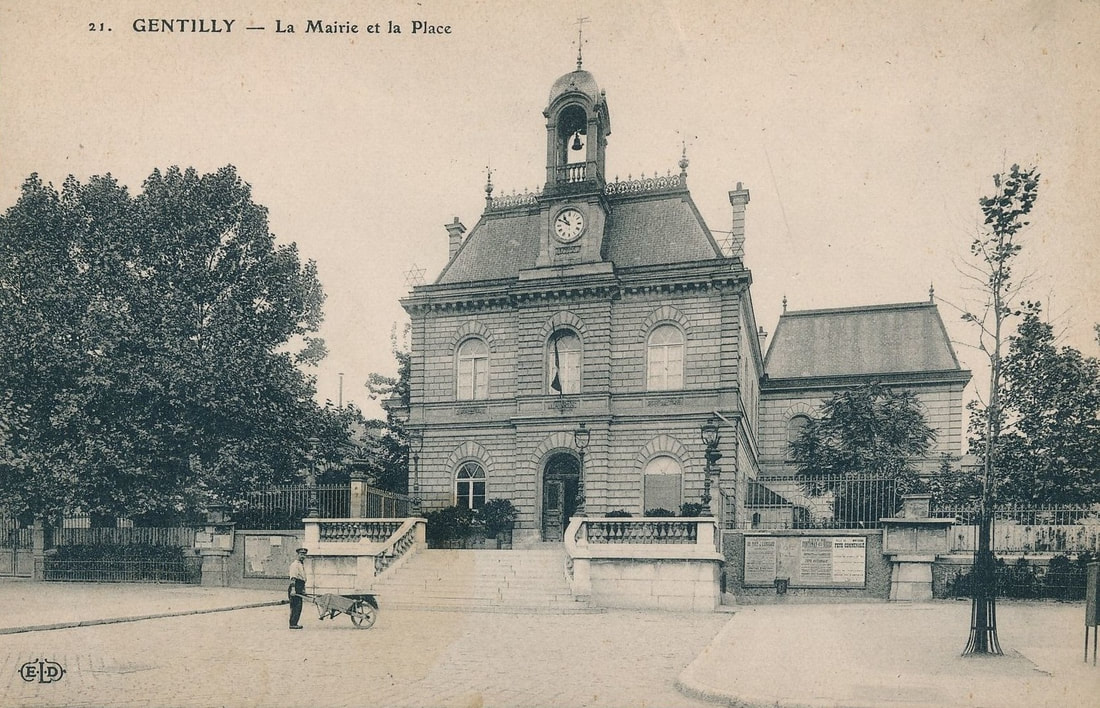
Ski à roulette features other parts of Montrouge. Here is the square in front of the mairie:
|
|
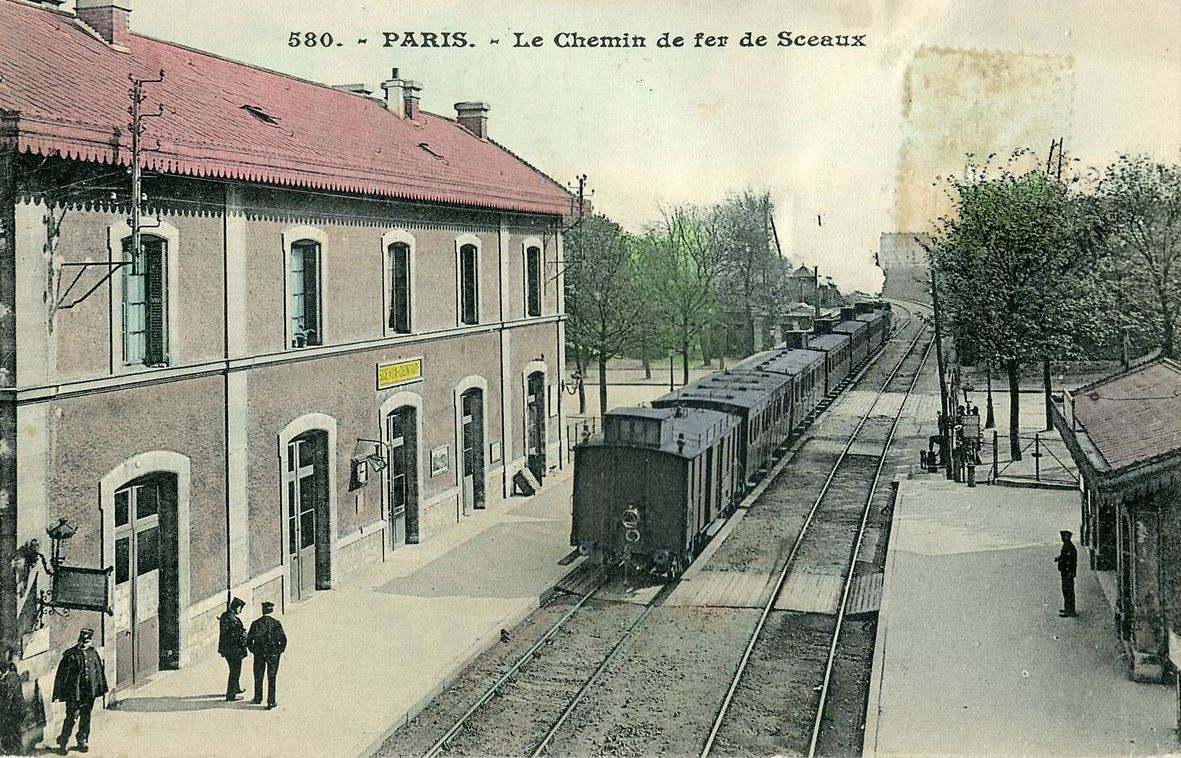
It shouldn't be surprising to find Lux filmmaking in nearby suburbs, and I have found a few more matches in Gentilly and Arcueil, suburbs that border on Montrouge. Particularly satisfying is the sequence along the railway line in Patouillard fait du Sandow. We can envisage the filmmakers boarding a Ligne de Sceaux train at Sceaux-Ceinture station, on the Boulevard Jourdan, passing Gentilly and Laplace before arriving at Arcueil-Cachan for the shoot:
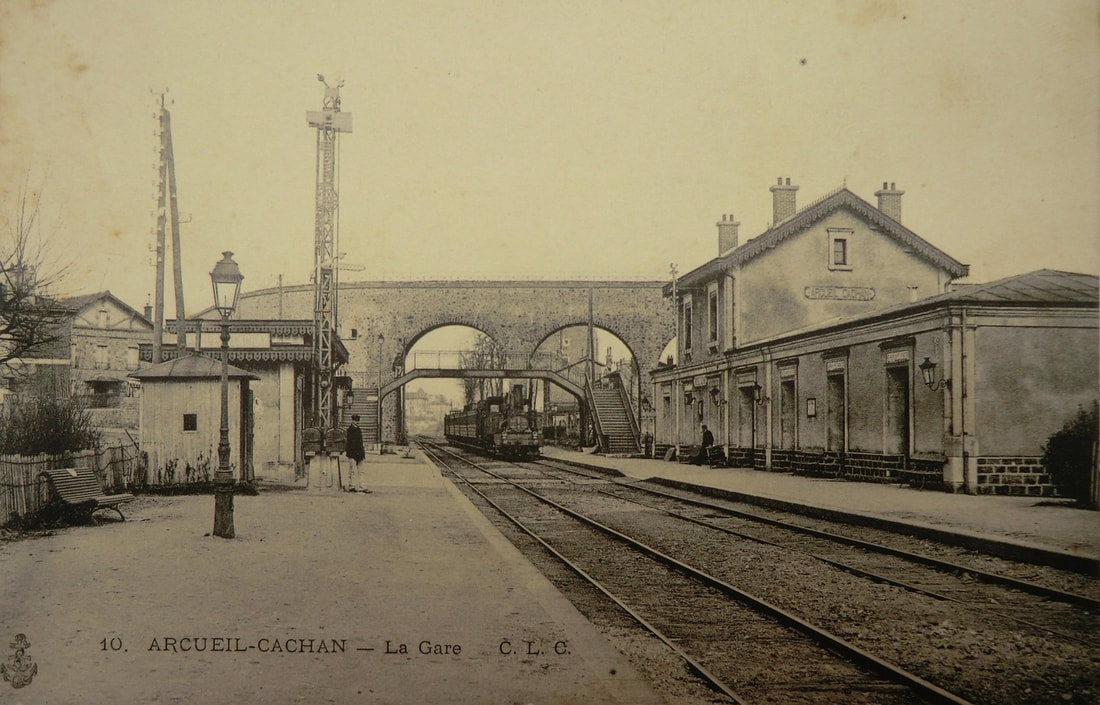
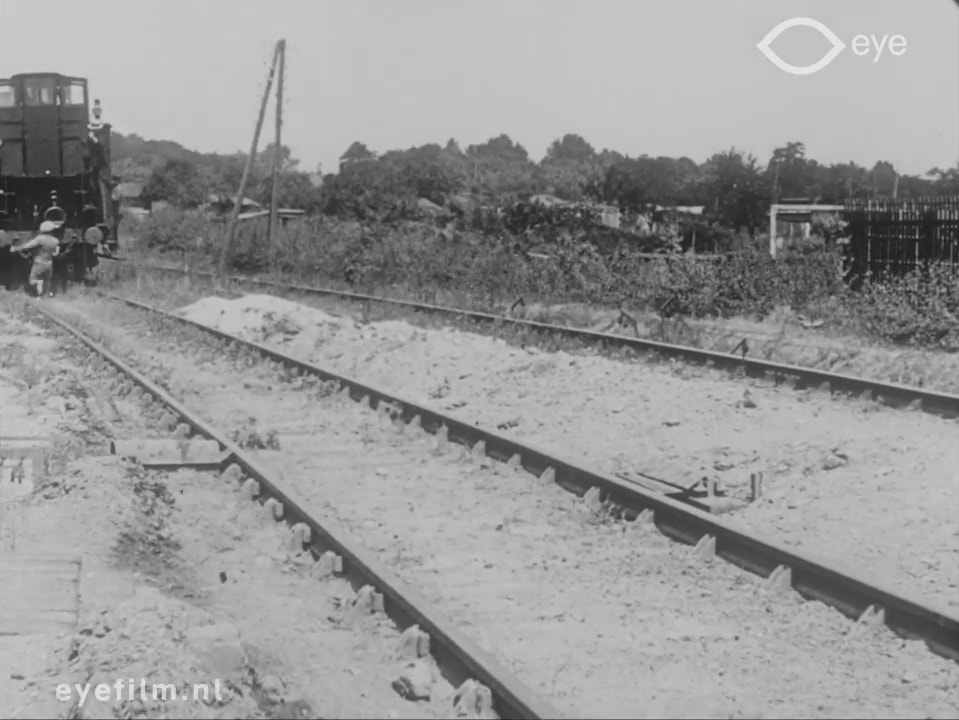
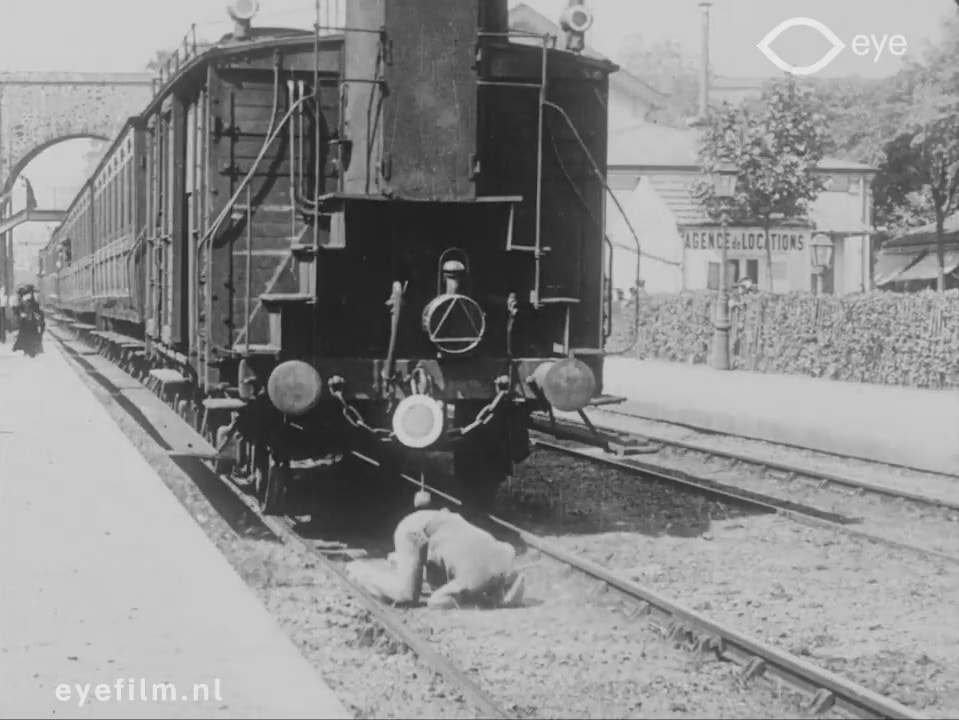
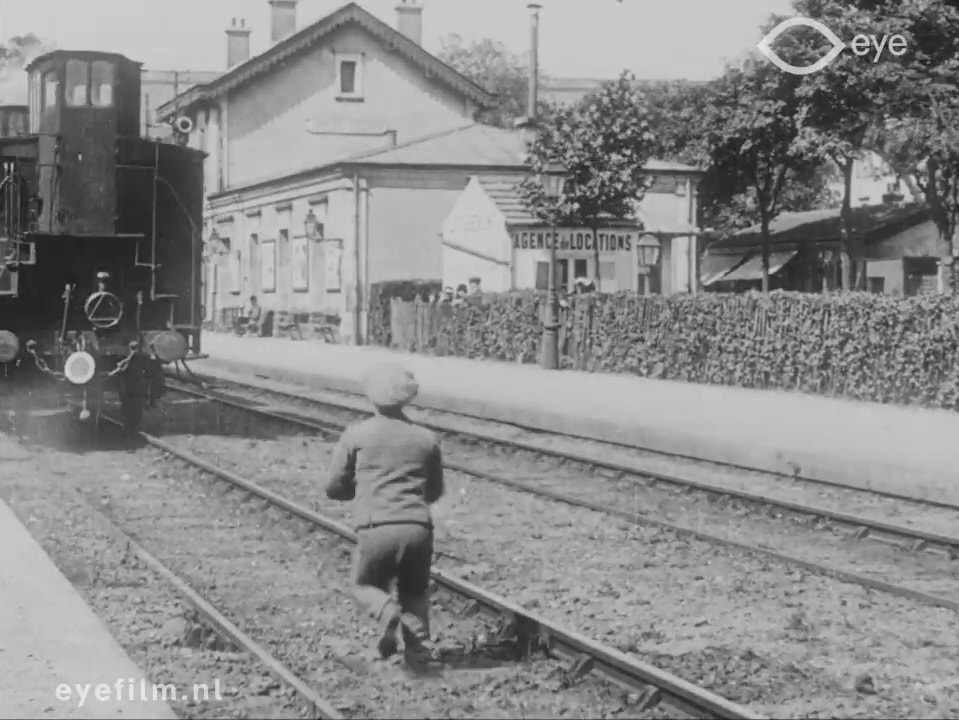
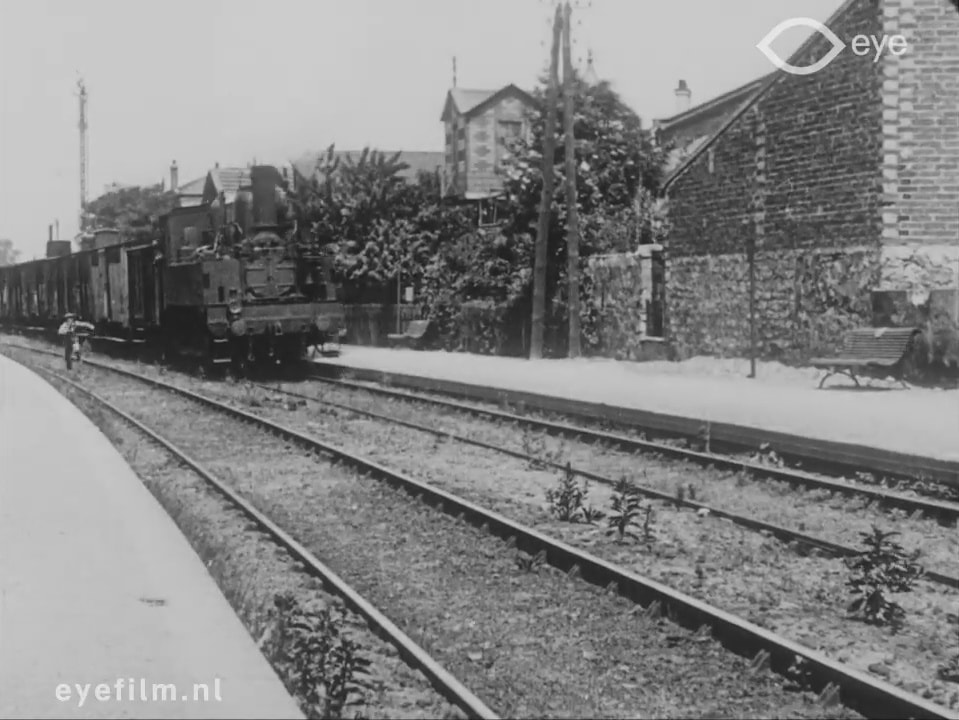
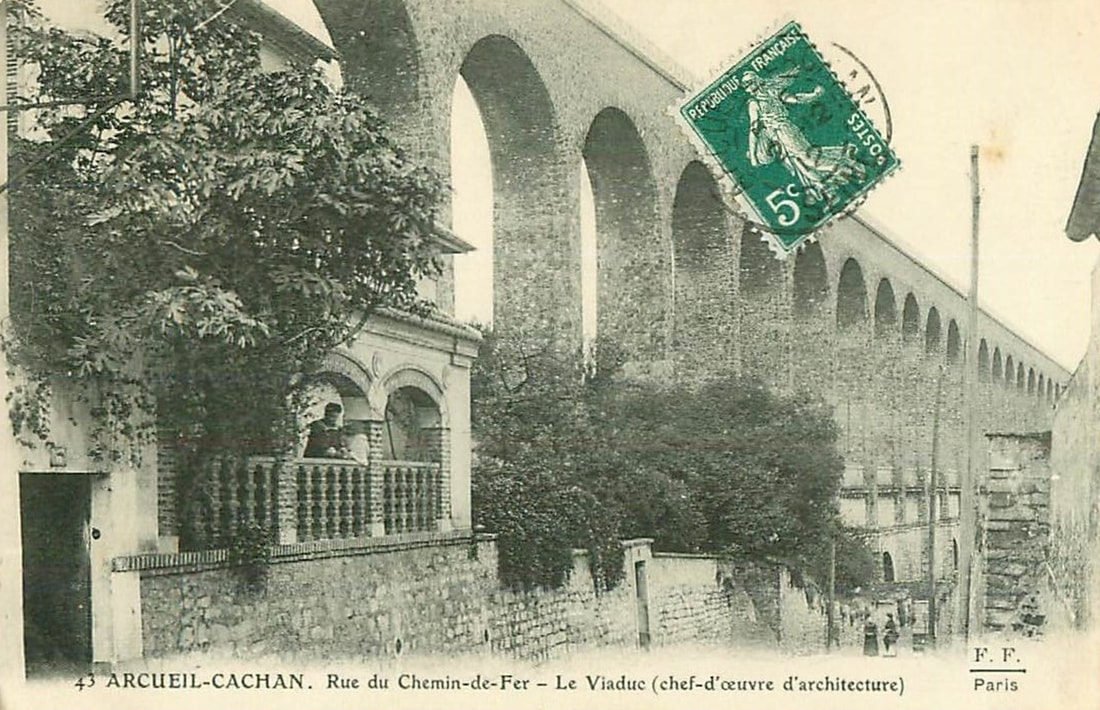
The railway at Arcueil also features in La Bouteille de Patouillard. A train passes as the protagonist walks on the Rue du Dr Gosselin (now Rue du 8 Mai 1945), alongside the Gare des Marchandises with the viaduct behind:
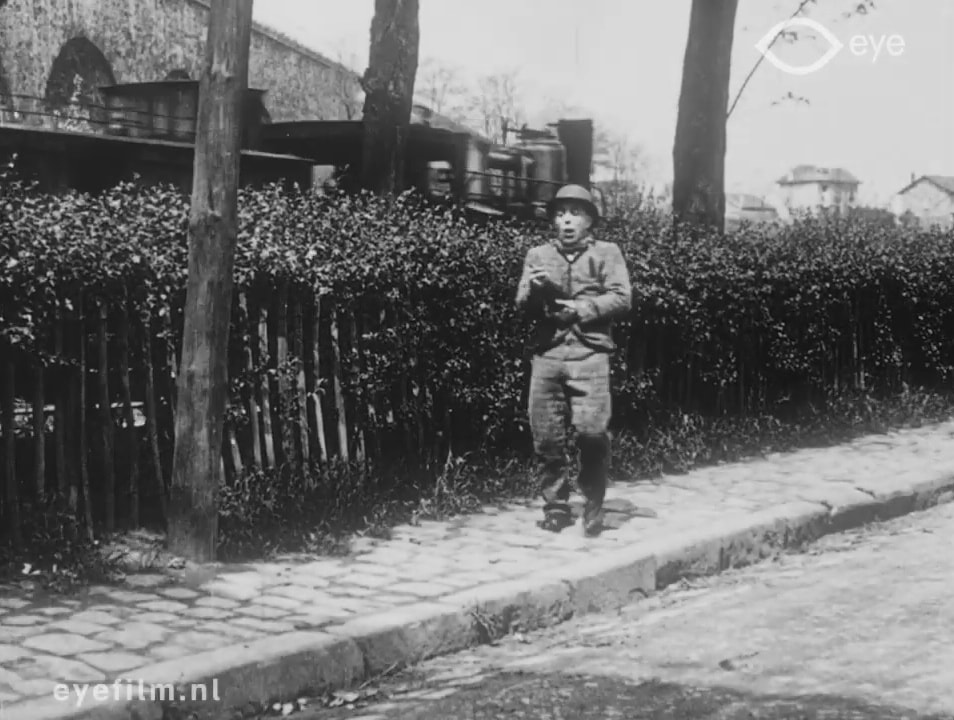
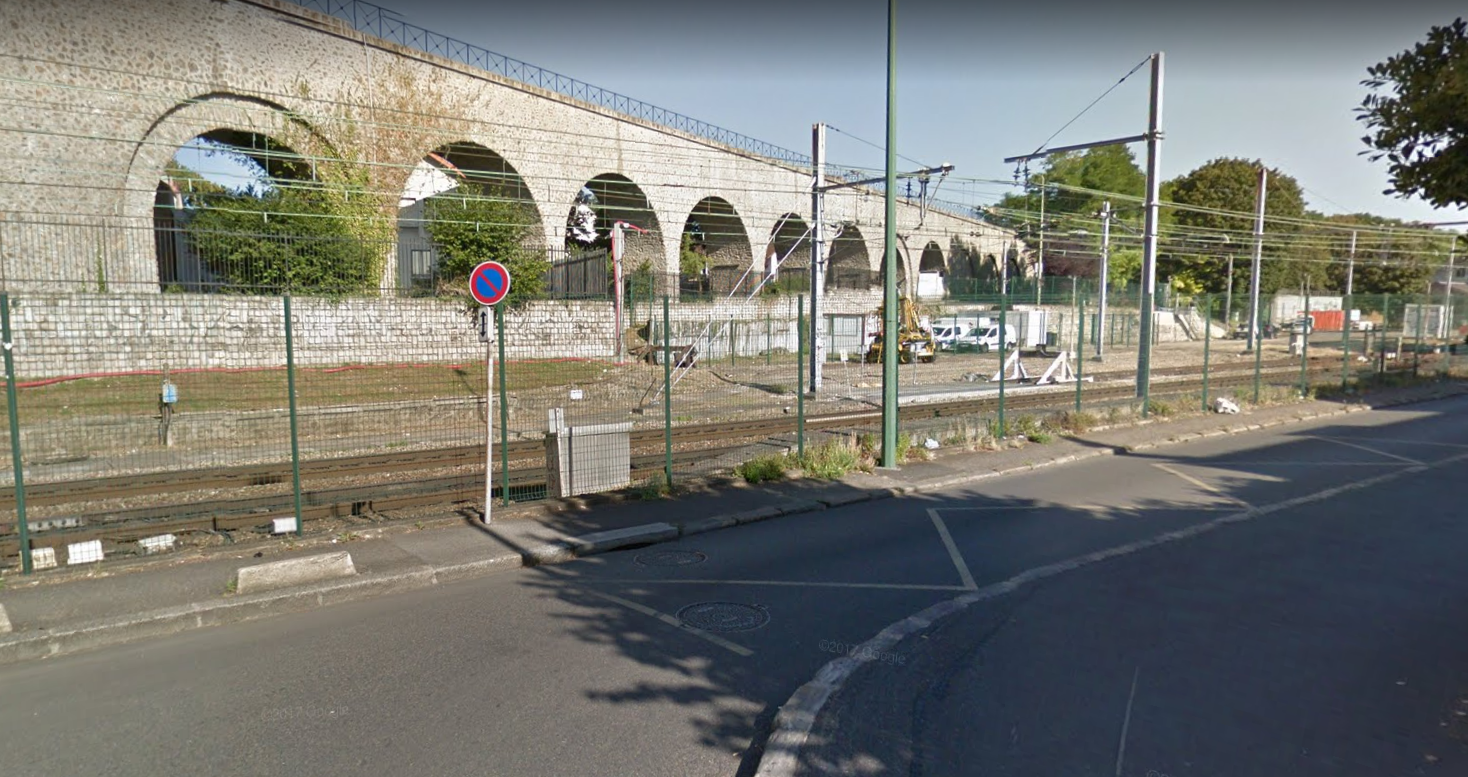
Google Street View
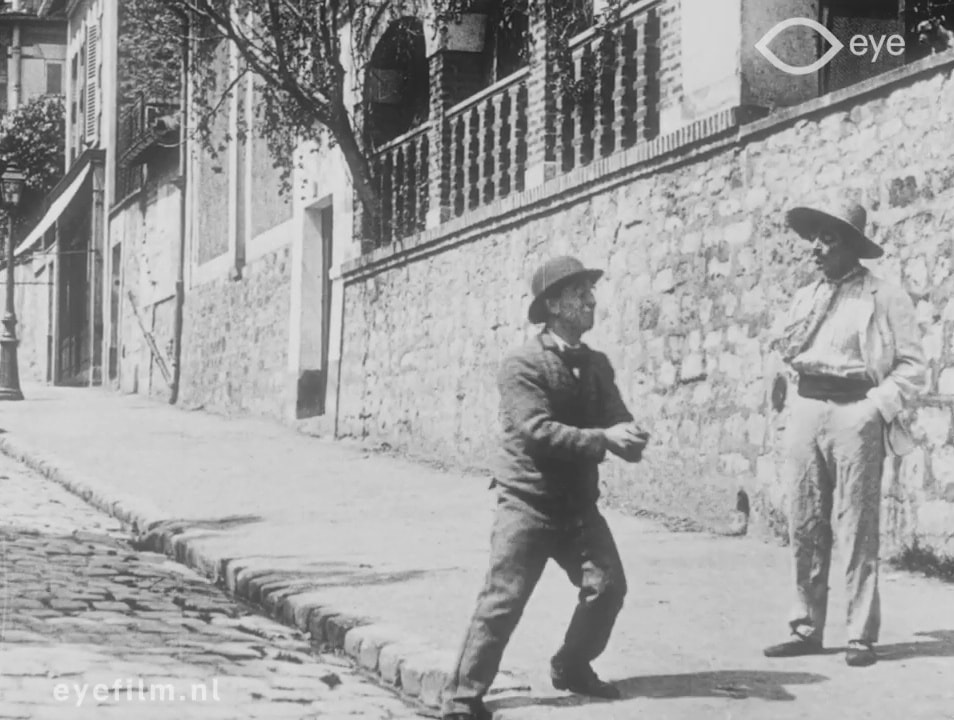
Later in the film Patouillard is on the Rue du Chemin de Fer in Arcueil:
|
|
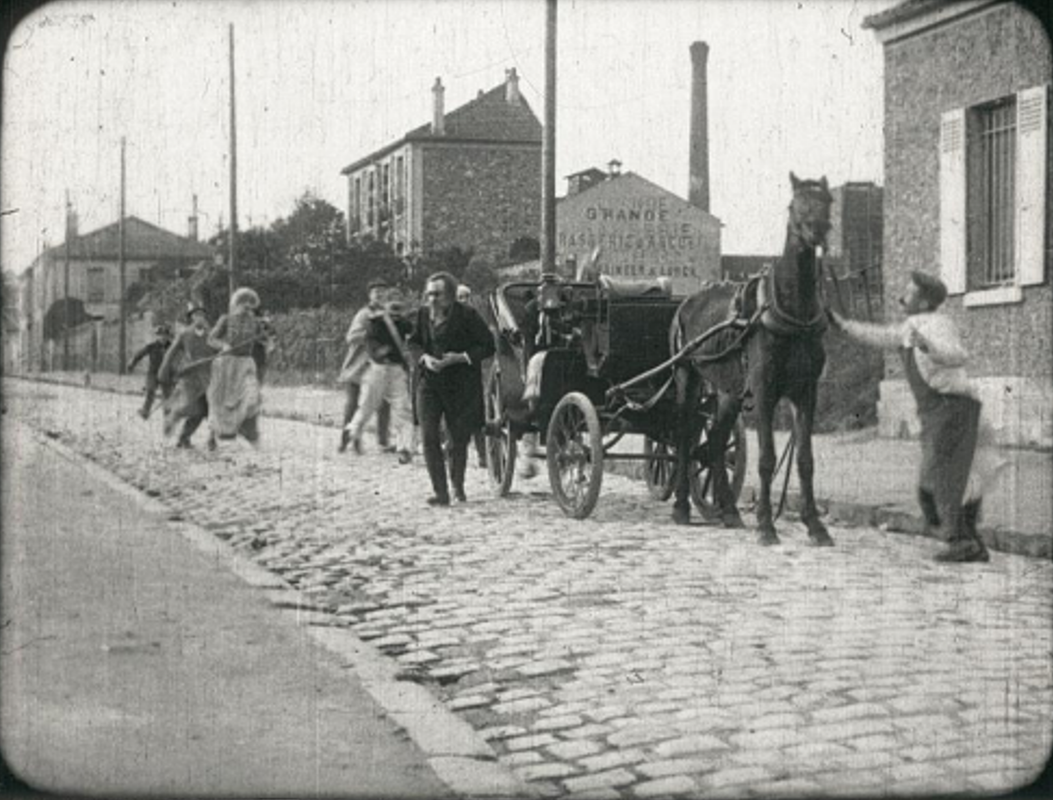
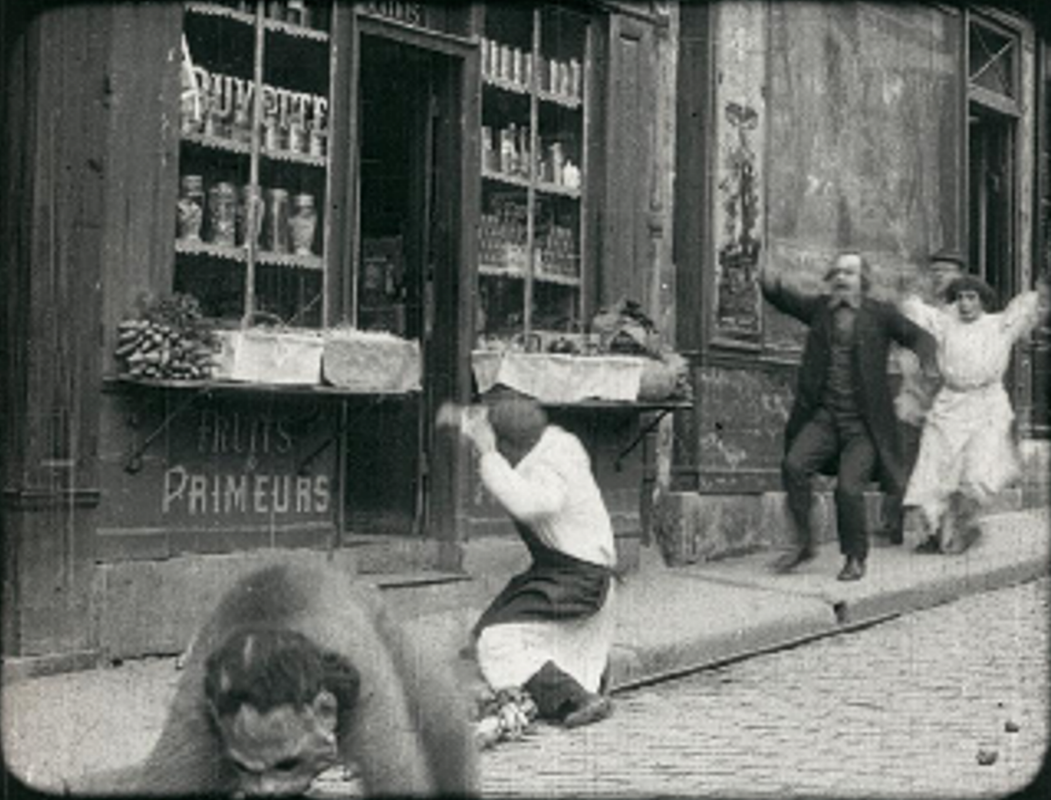
Two streets in Arcueil appear in Le Singe du docteur (1909):
|
|
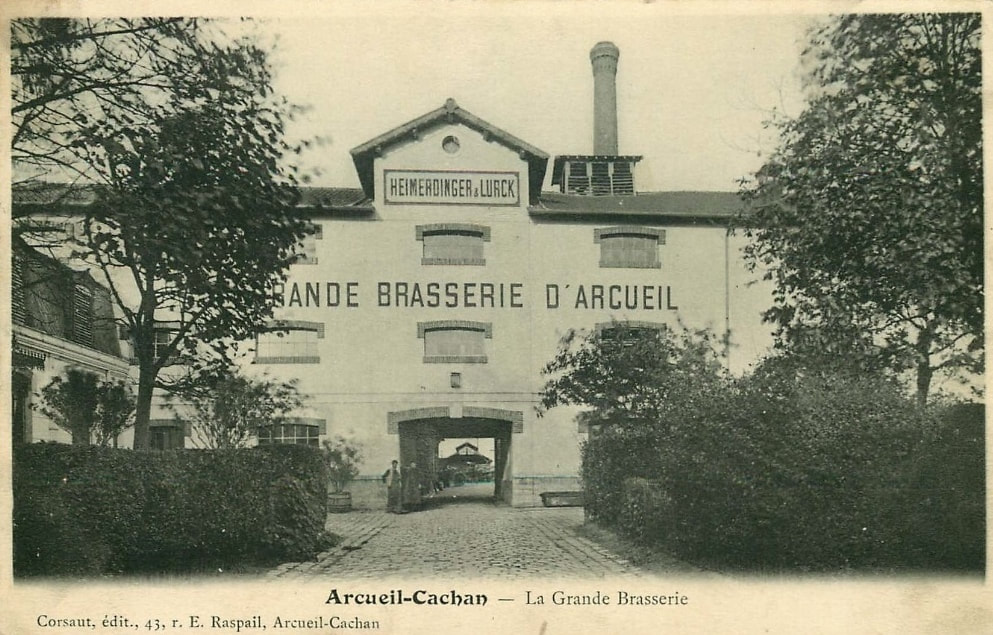
The building with the chimney in the first image is the Heimerdinger and Lurck brewery, which was on the Rue Berthollet, 28-30. The shop in the second image was at 43 Rue Emile Raspail:
|
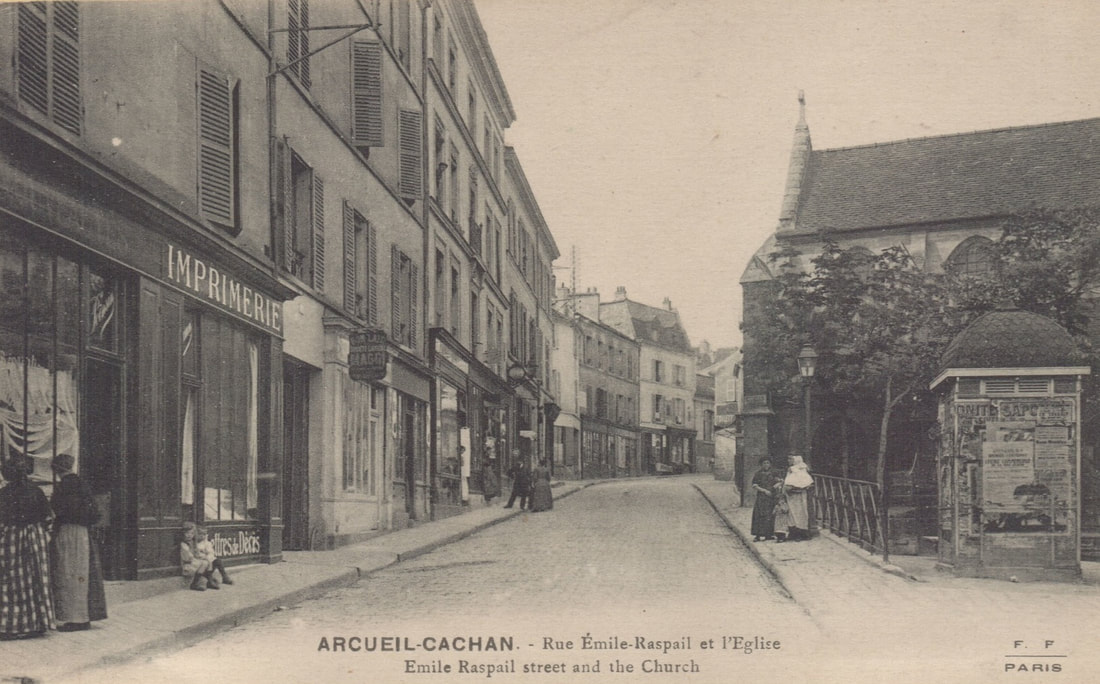
|
This part of the Rue Emile Raspail was also seen in Les Tribulations d'un charcutier (1909). Some sandwich men advertising Lux films collapse on the street in front of the same shop as in Le Singe du docteur:
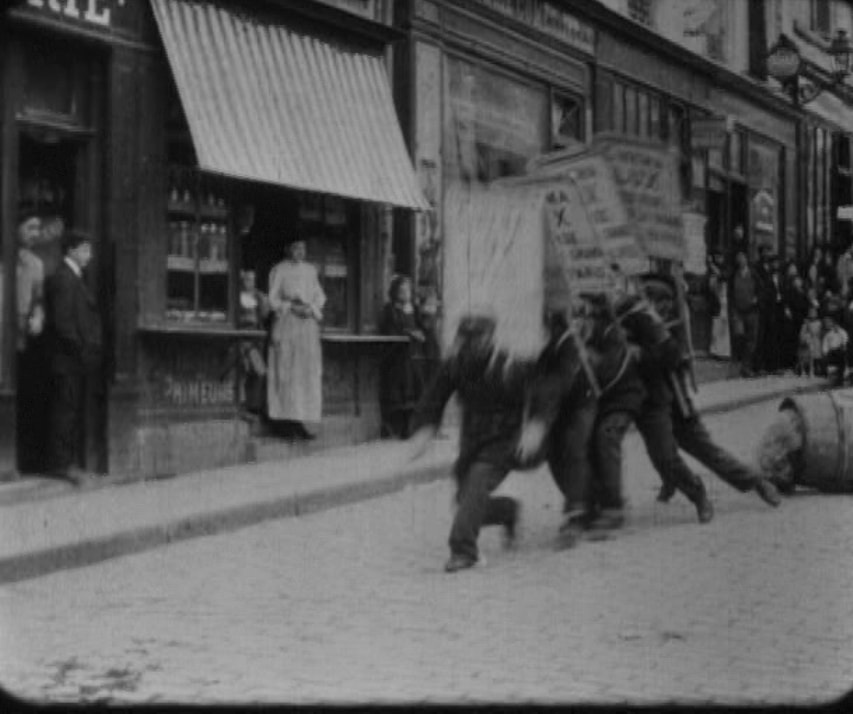
There is a view of the church in Arcueil in Ski à roulettes (1911):
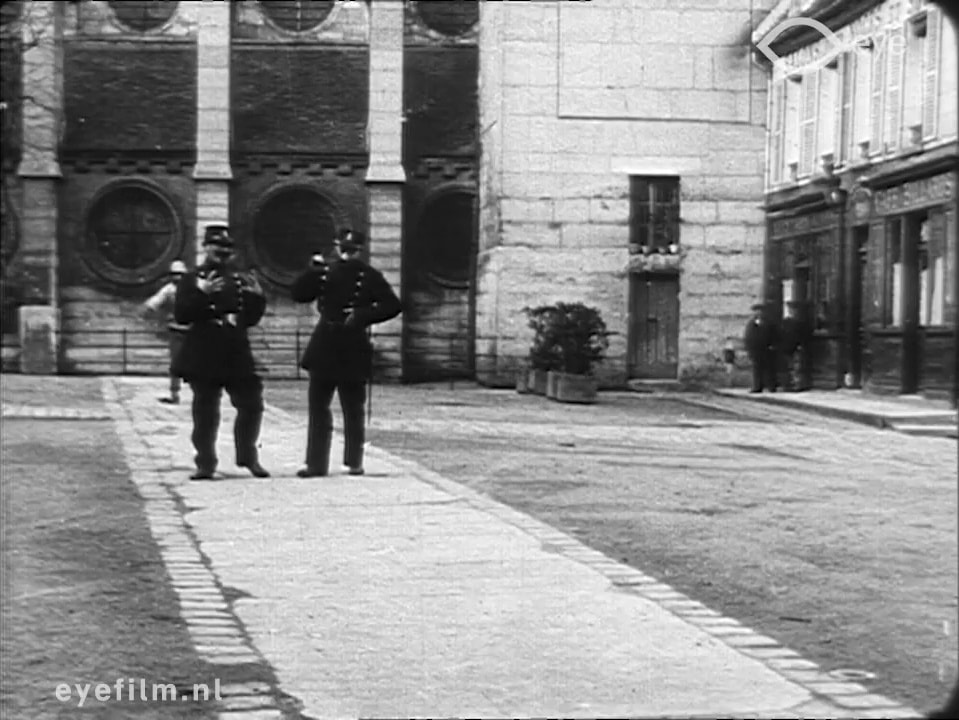
|
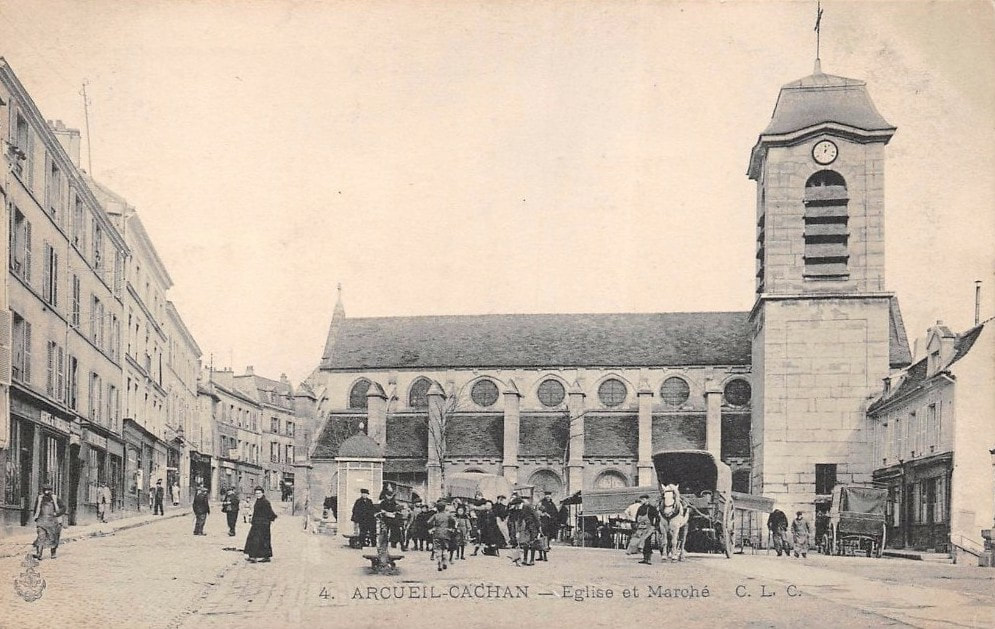
|
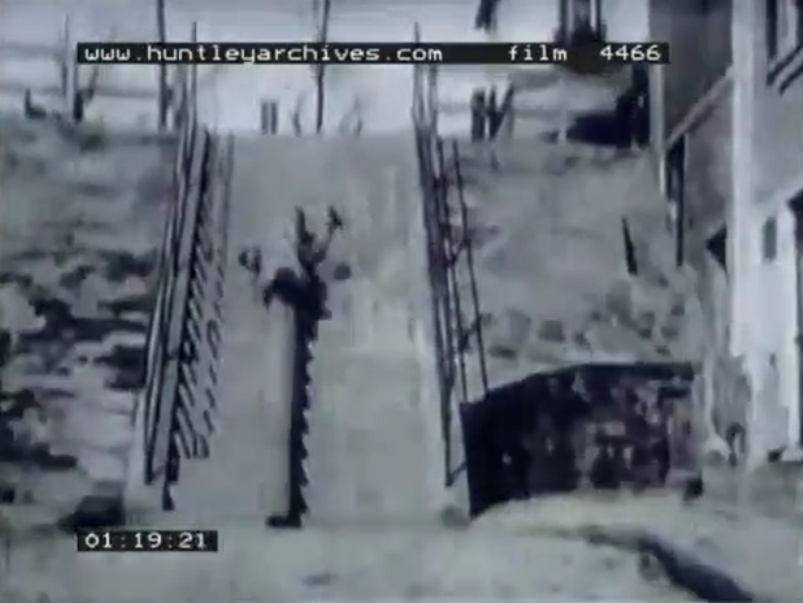
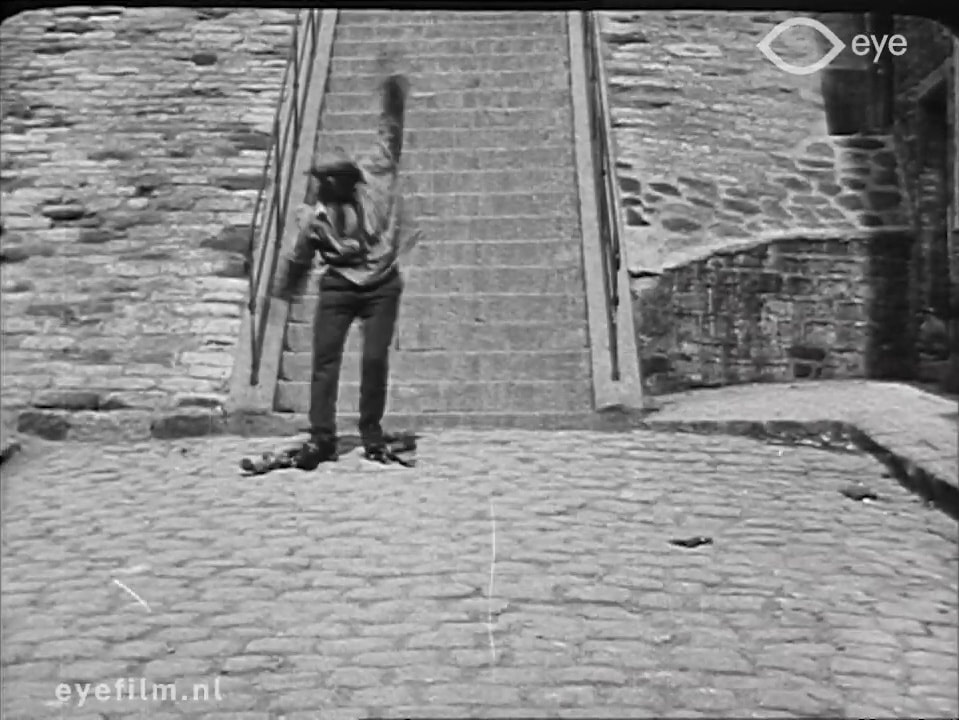
In neighbouring Gentilly, where the company had a factory, I have found two locations in Patouillard, représentant en mât de cocagne (1911), a film I have only seen in a very poor copy on the Huntley Archive website, film 4466. (It is not identified there by title; in the U.S. it was released as Bill and the Greasy Pole.) Both scenes feature staircases:
|
|
|
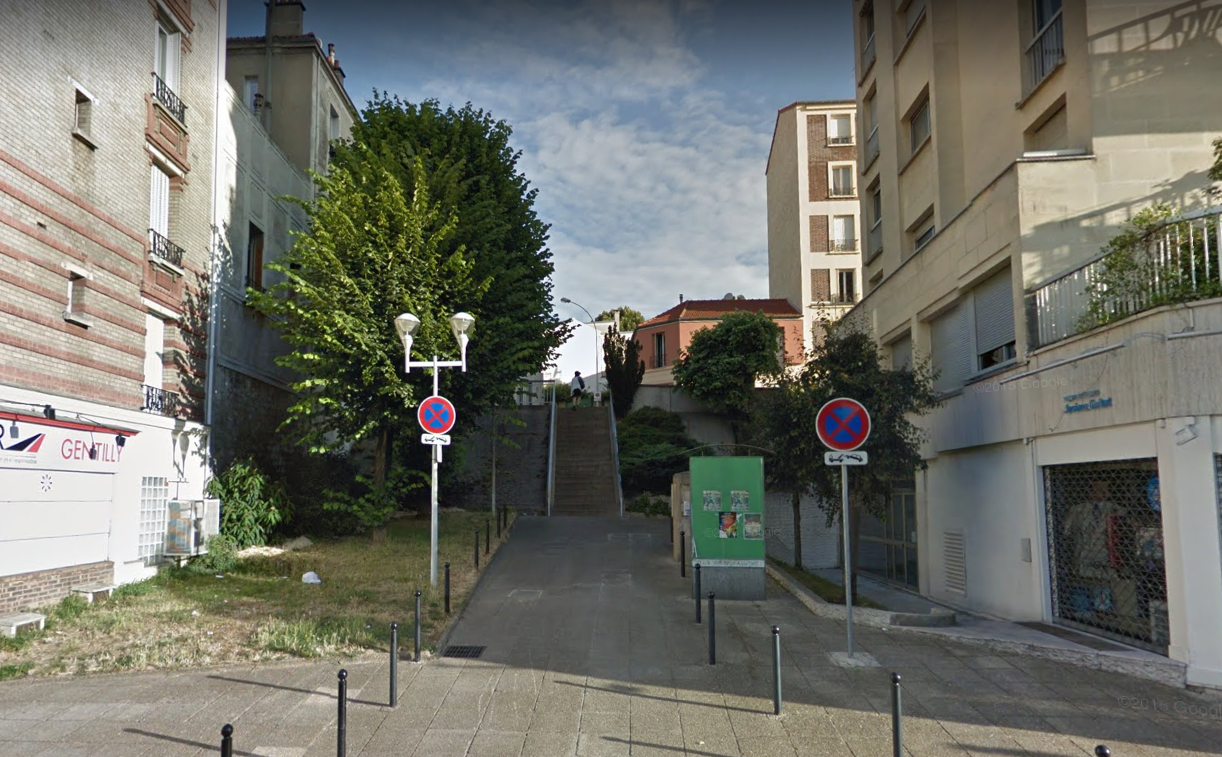
Rue de la Poste, Google Street View June 2015
|
I am fairly sure of the second identification here. These same stairs also appear in Ski à roulettes:
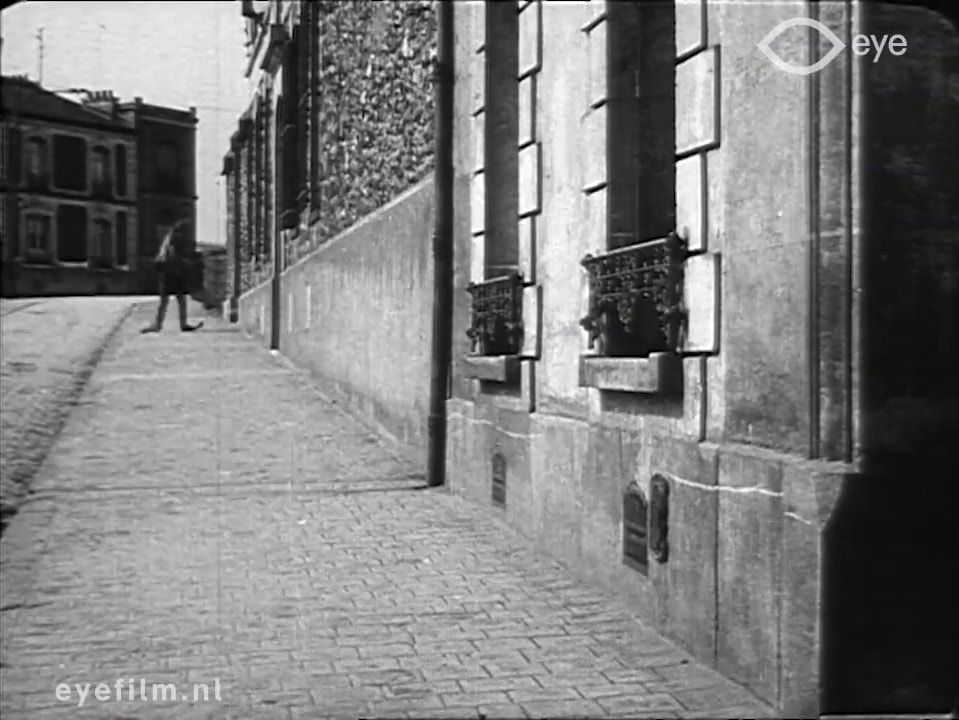
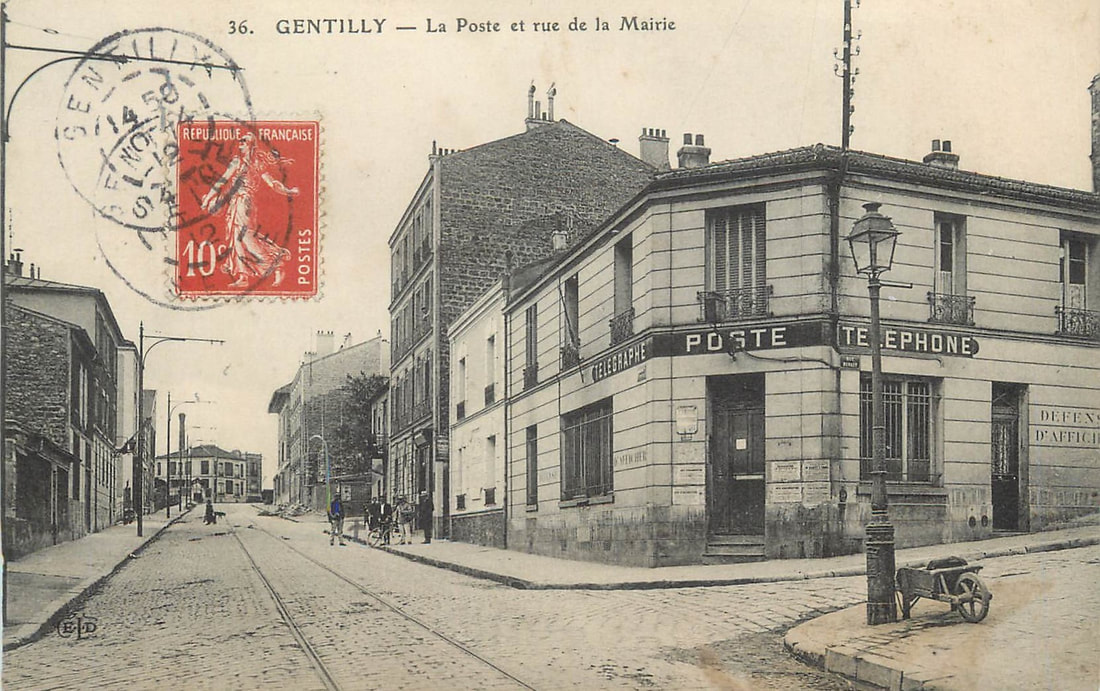
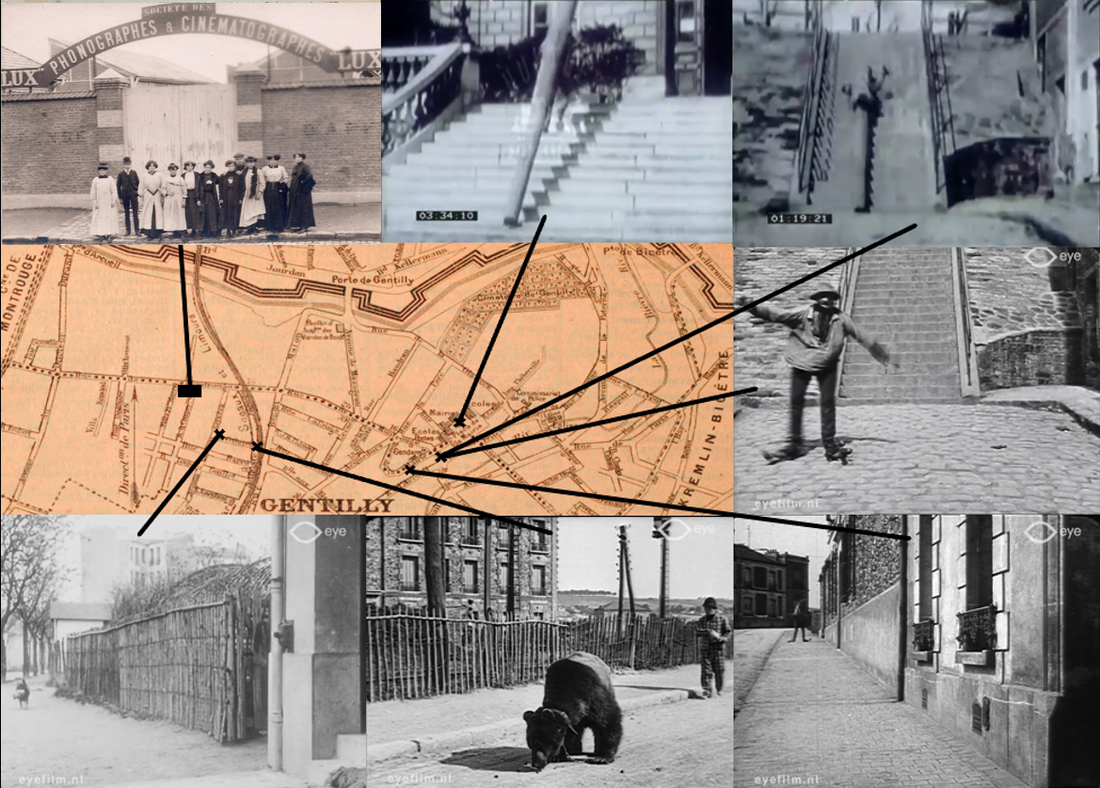
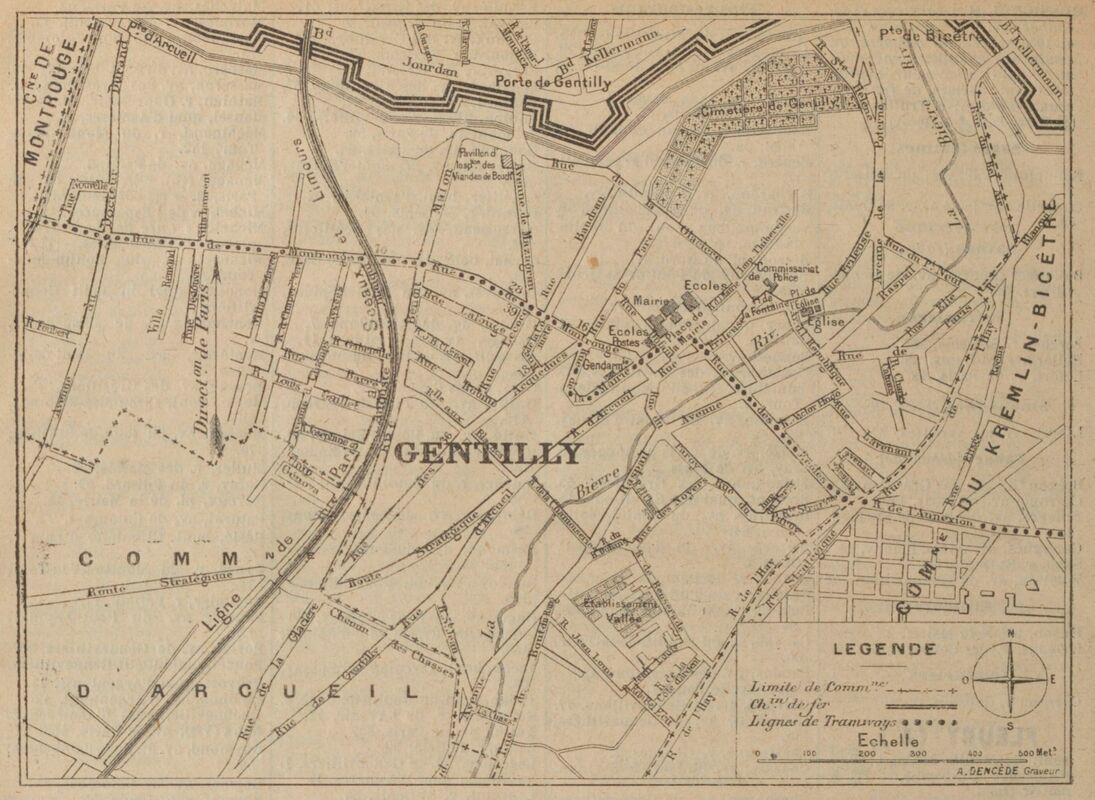
Here are three more Gentilly locations, the Rue de la Mairie in Skis à roulettes, the Rue des Champs Elysées in Le Chien voleur (1912) and in Patouillard paie ses dettes (1912) the Rue Auguste Blanqui, where Patouillard meets a bear:

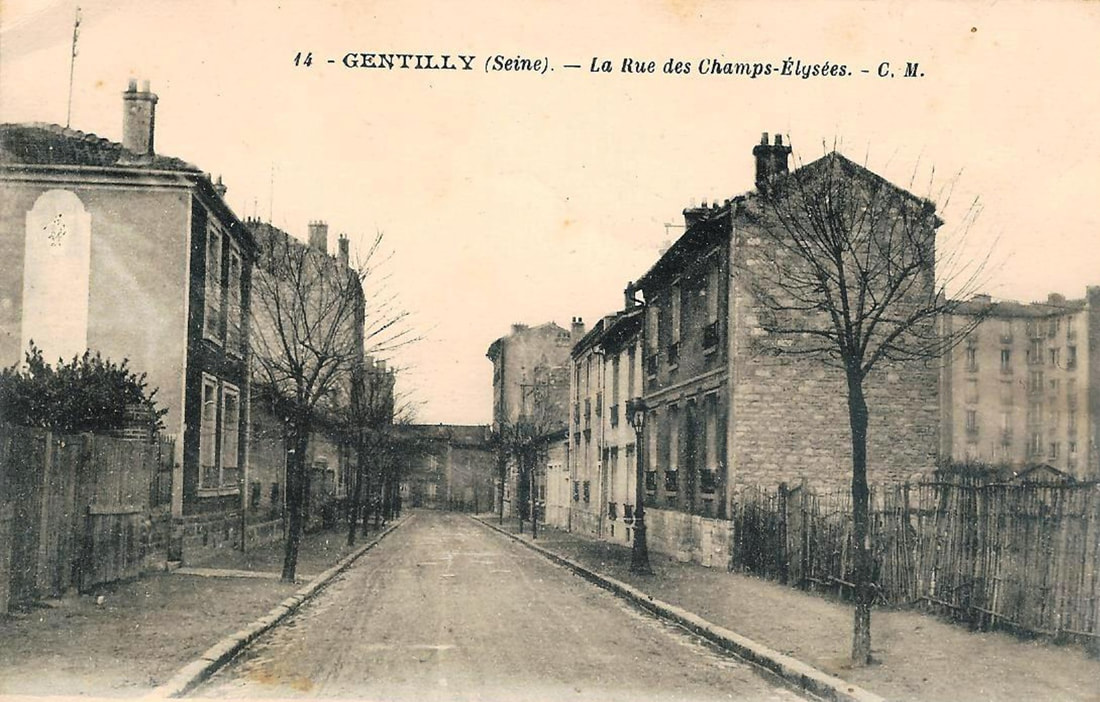
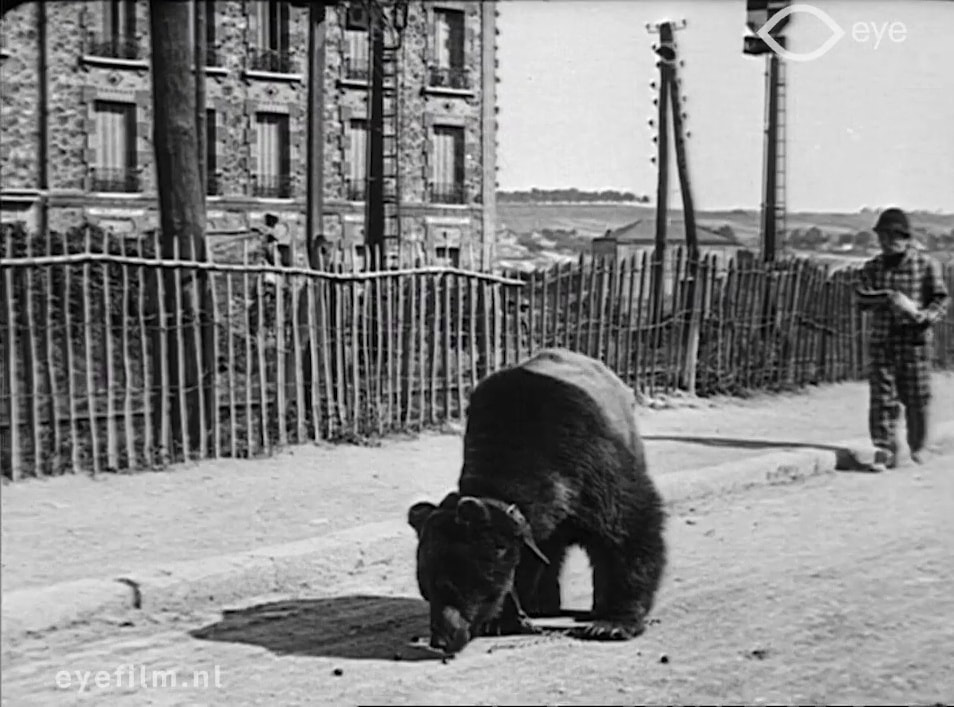
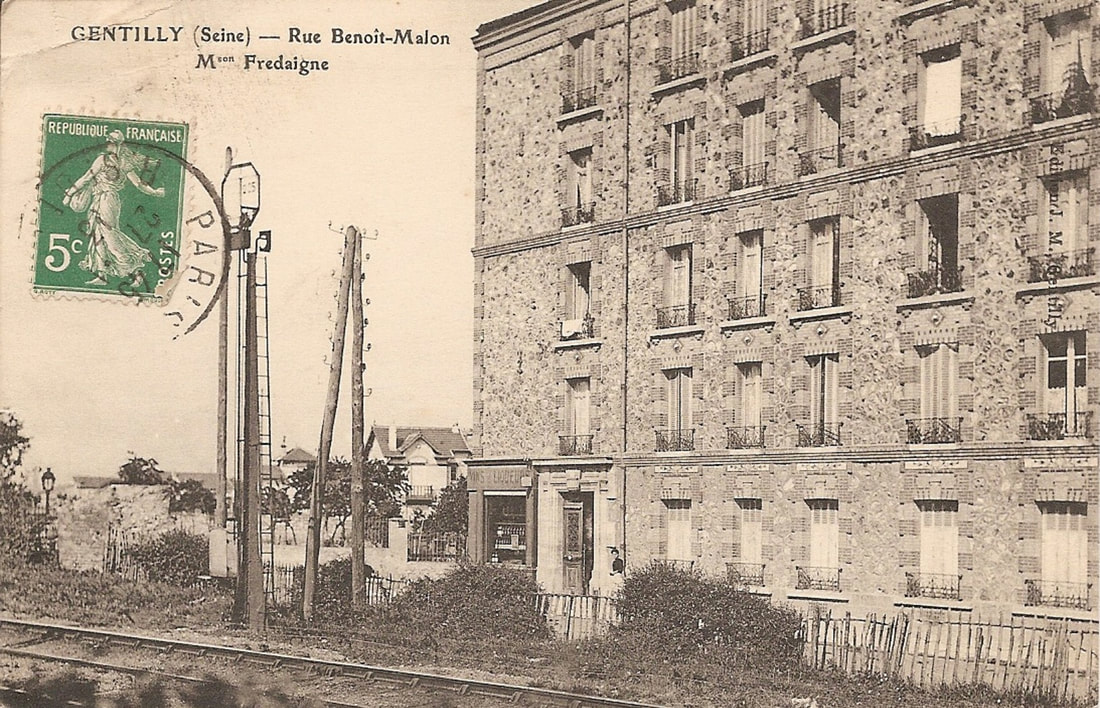
None of these is streets is very far from the Lux factory at 111 Rue de Montrouge:
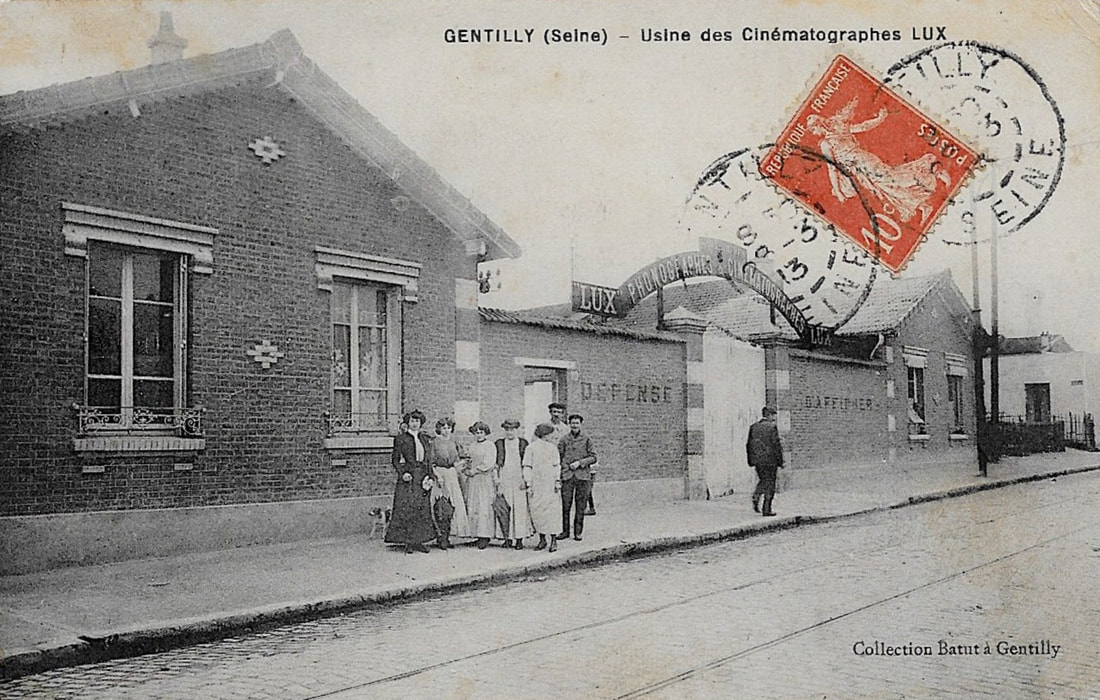
|
|
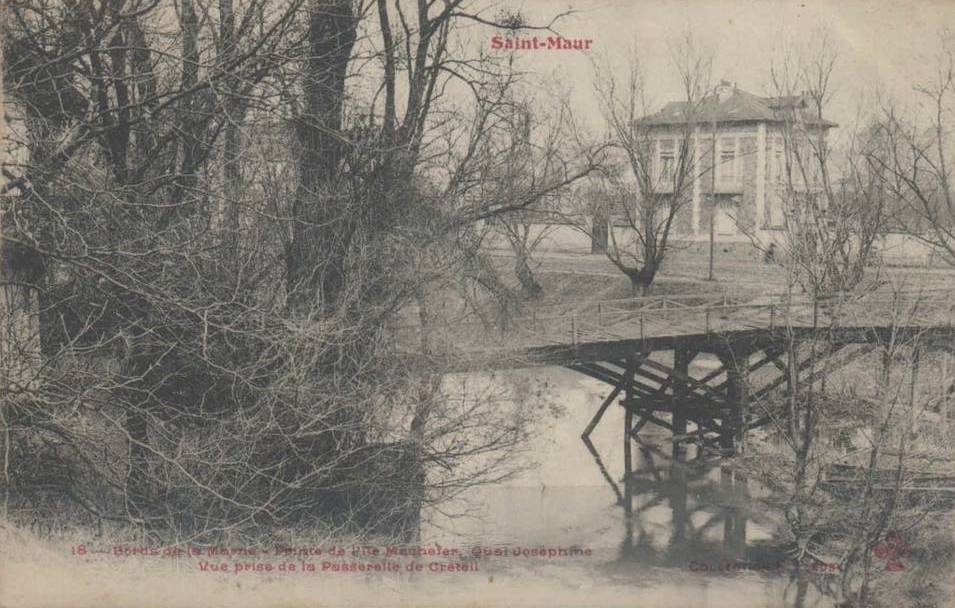
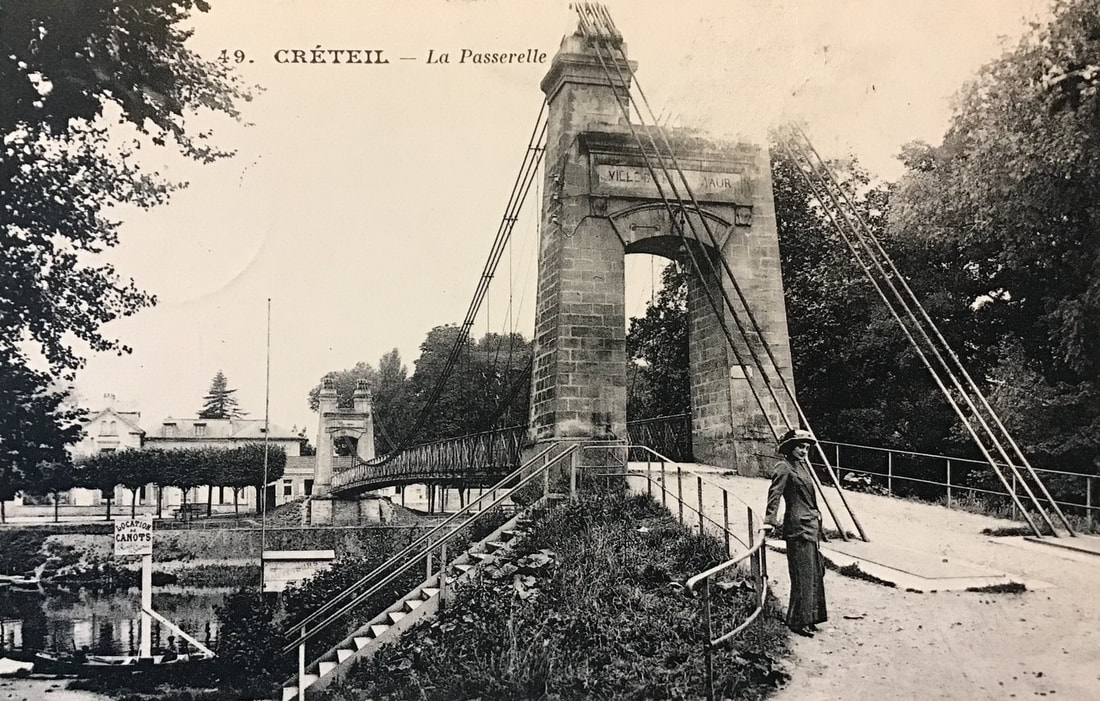
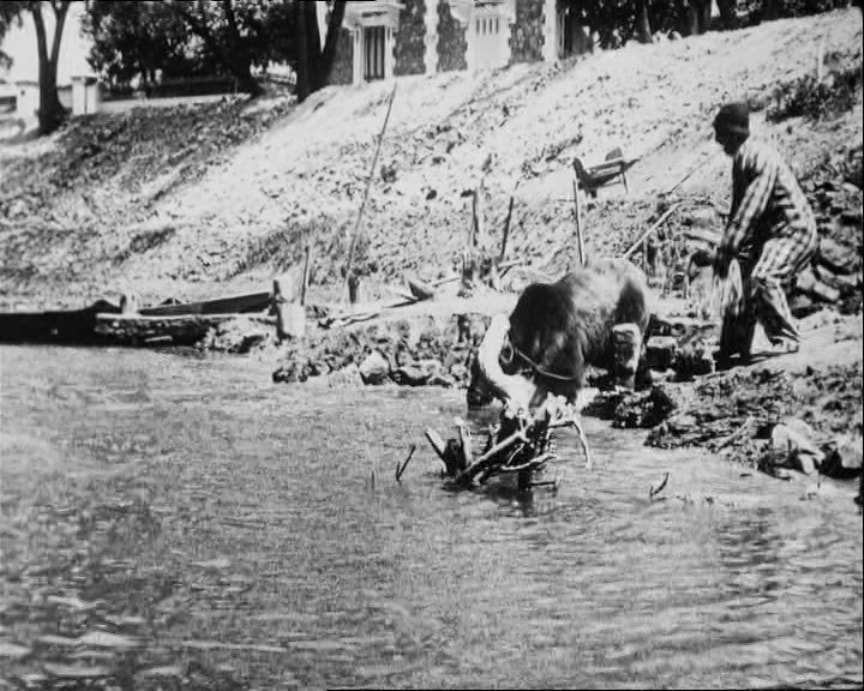
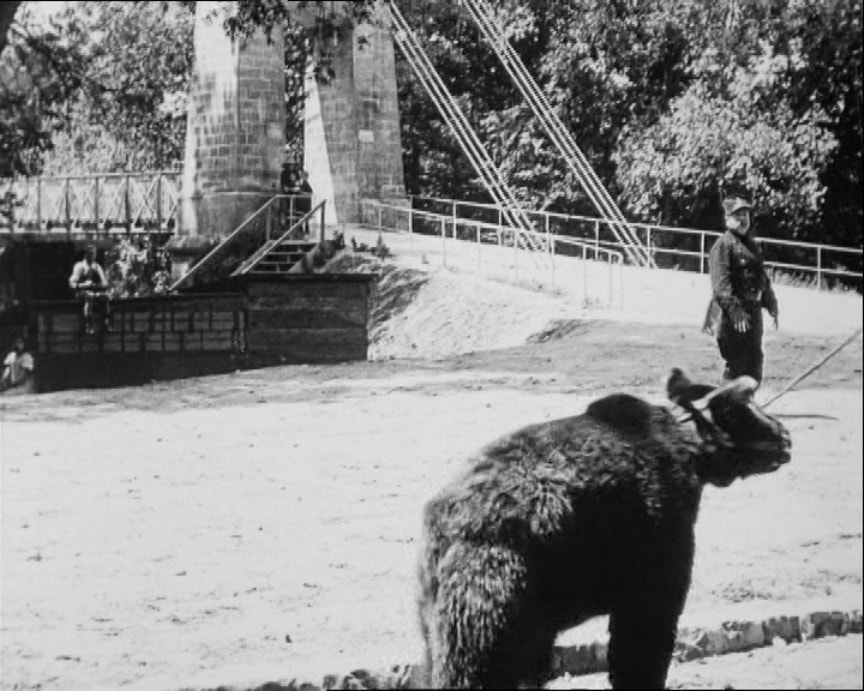
Just as Lux's filmmakers were not confined to the one district of Paris near the studio, so they were not confined to only nearby suburbs. For the river scene in Patouillard et l'ours policier they went to Saint-Maur, near the passerelle de Creteil:
|
|
|
|
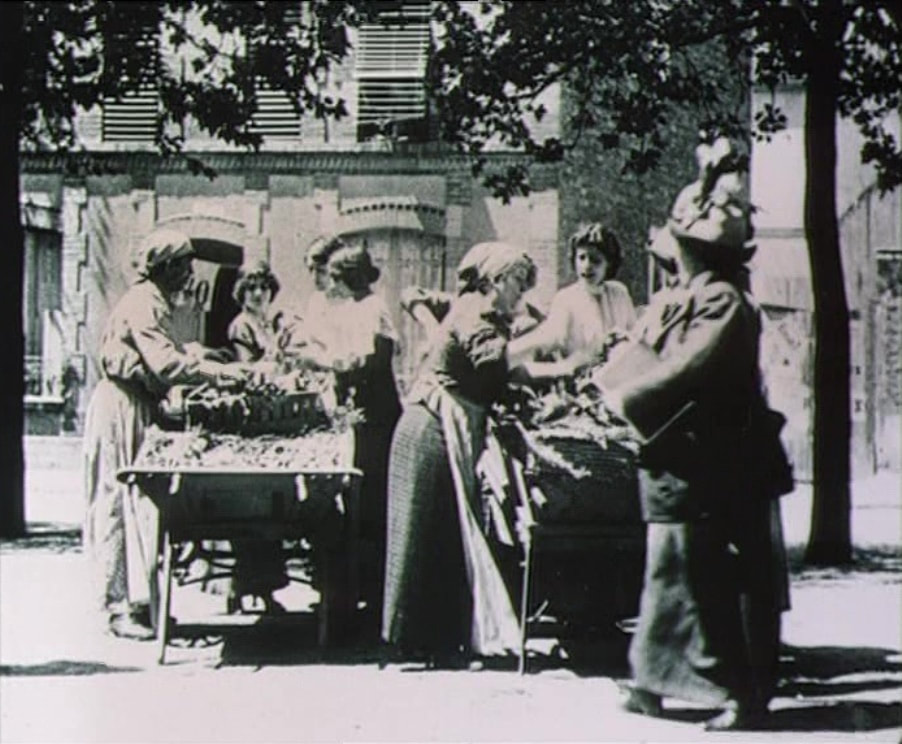
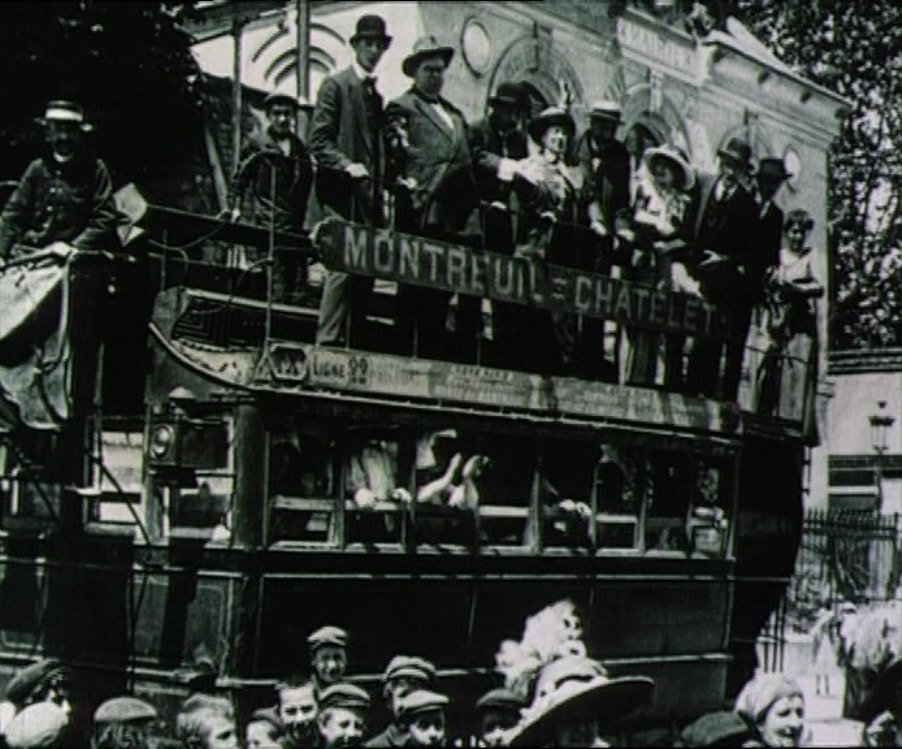
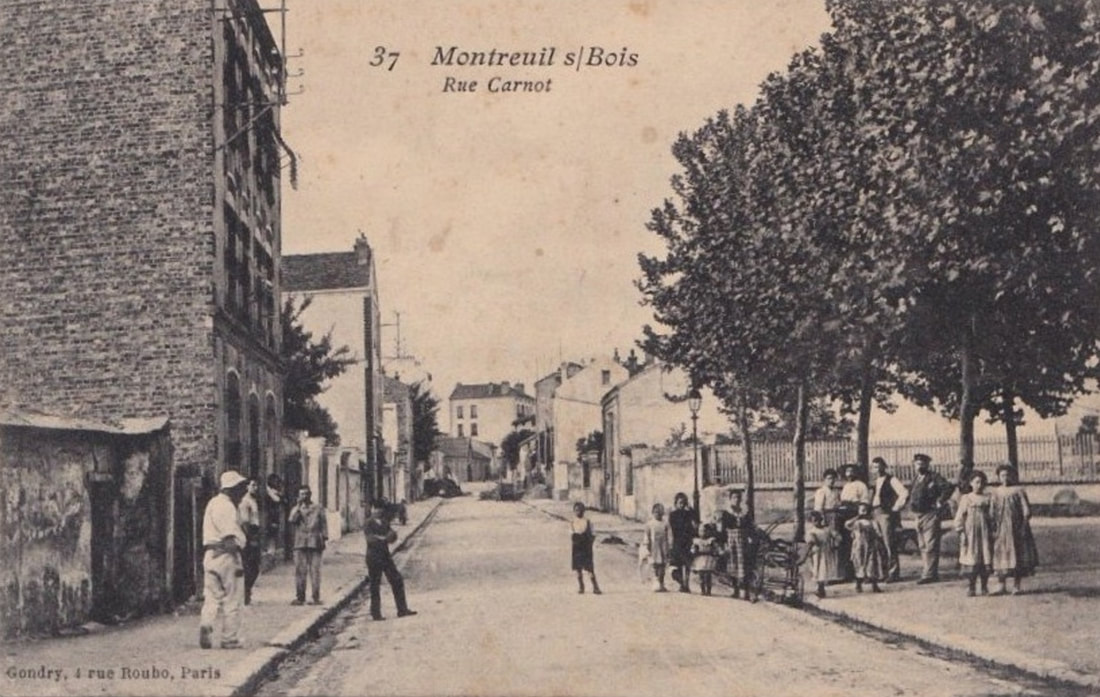
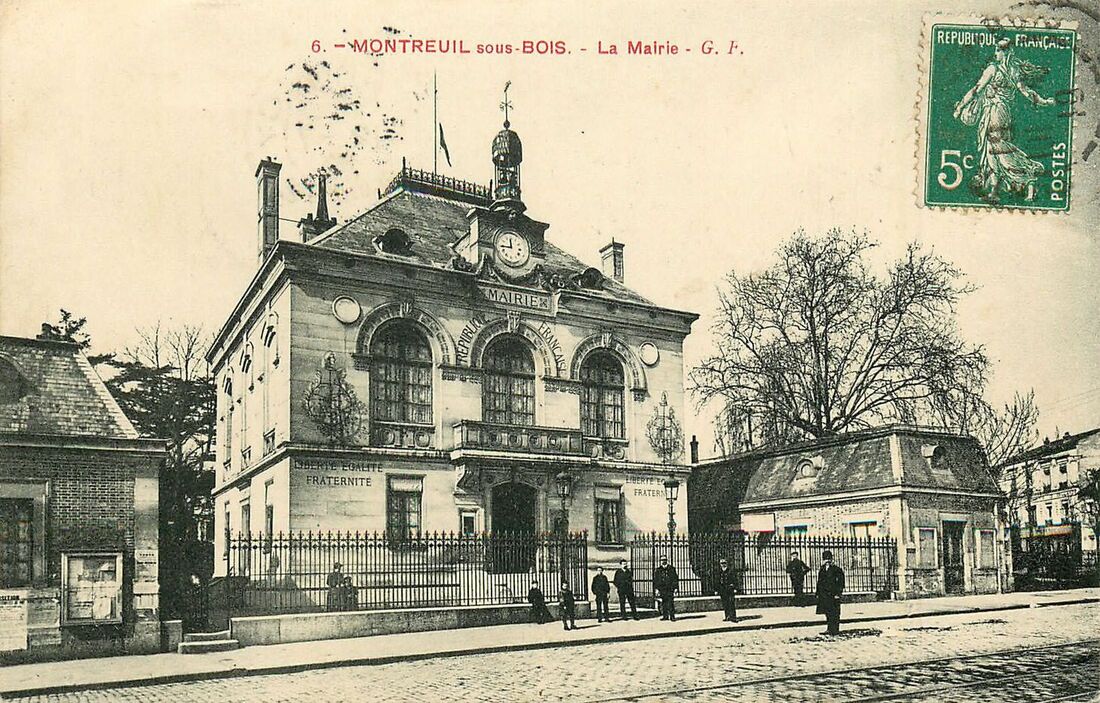
For Les Femmes députés (1912) they filmed at least two scenes in Montreuil:
|
|
|
|
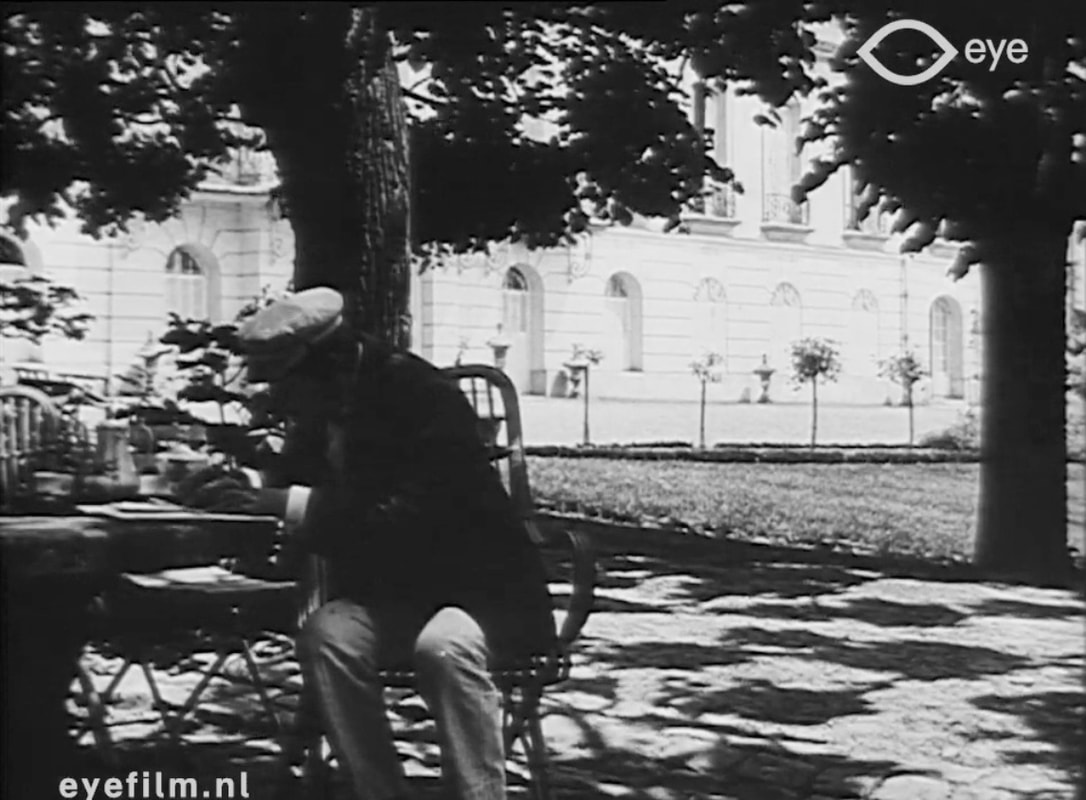
Two Lux films use the same as-yet-unlocated château as a setting. My guess is that it was somewhere in one of Paris's more salubrious suburbs:
Dans les airs (1910)
|
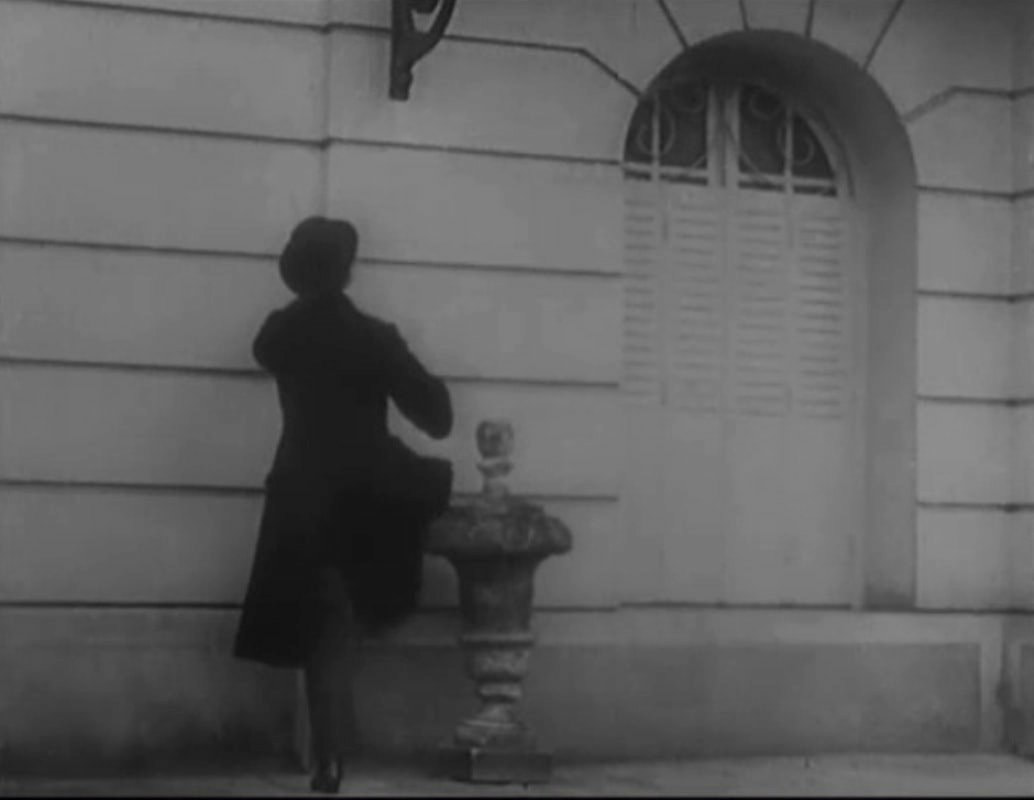
La Maison blanche (1912)
|
Two departures from the topographical norms outlined above are Patouillard a une femme jalouse (1911) and Patouillard a une femme qui veut suivre la mode (1912), both shot in Nice:
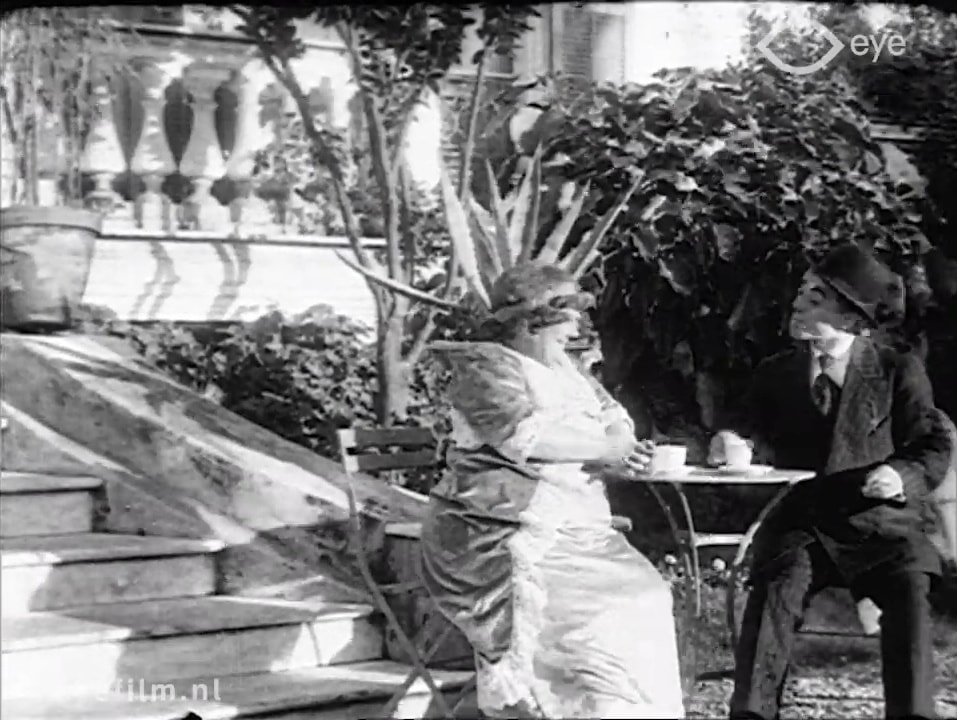

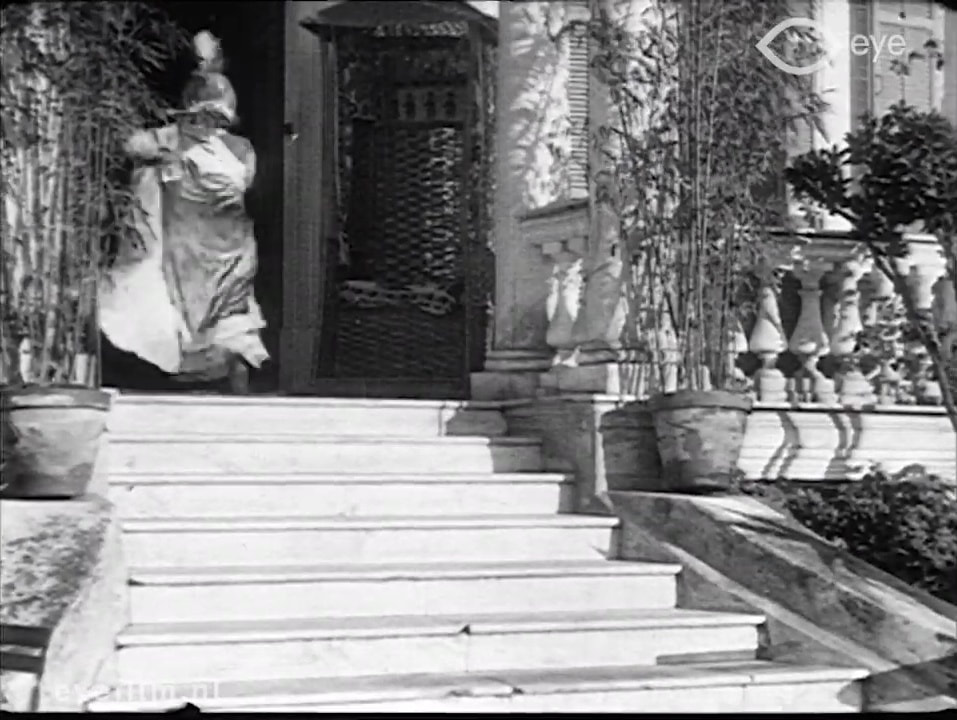
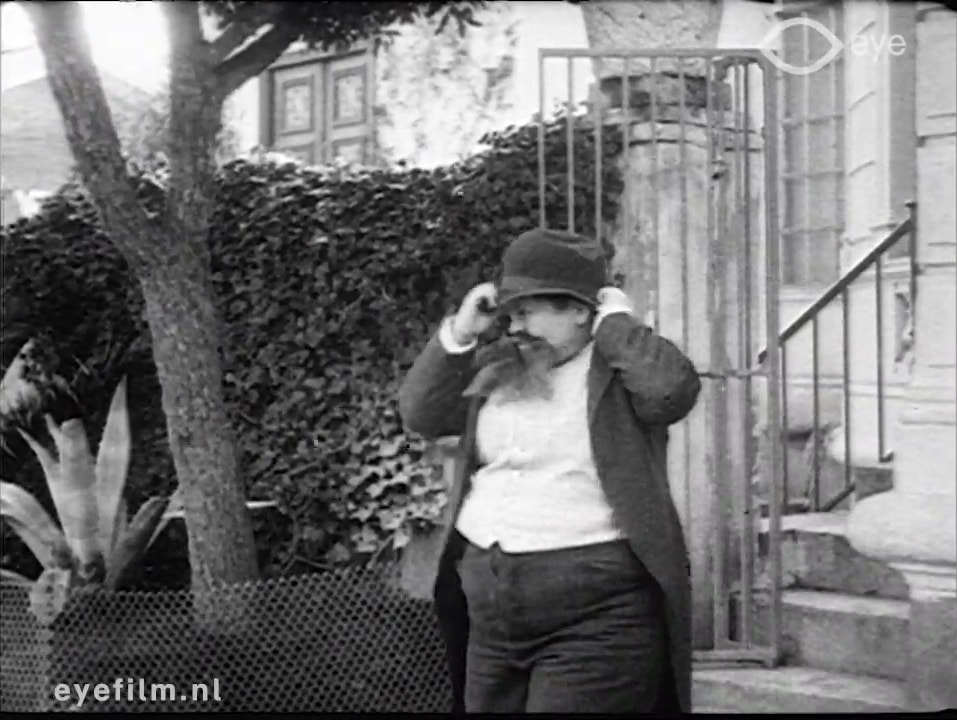

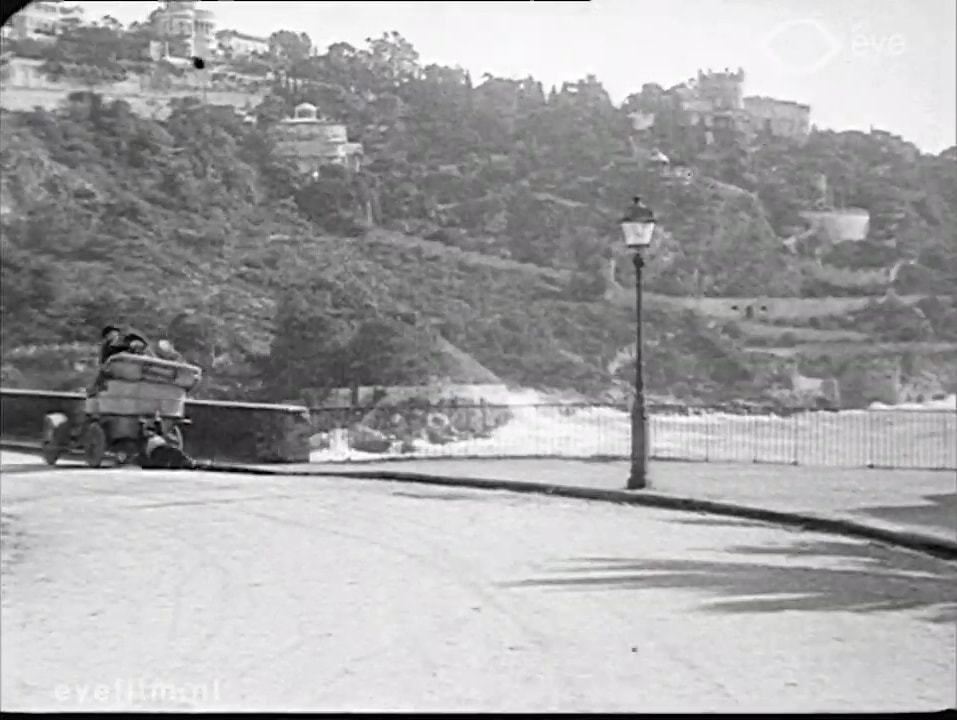
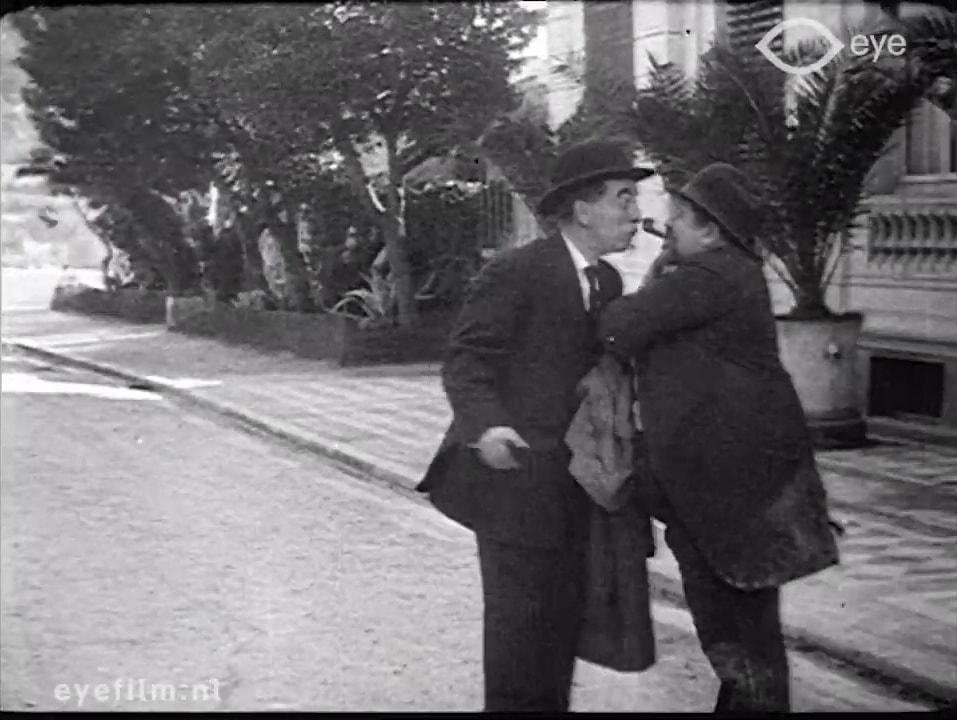
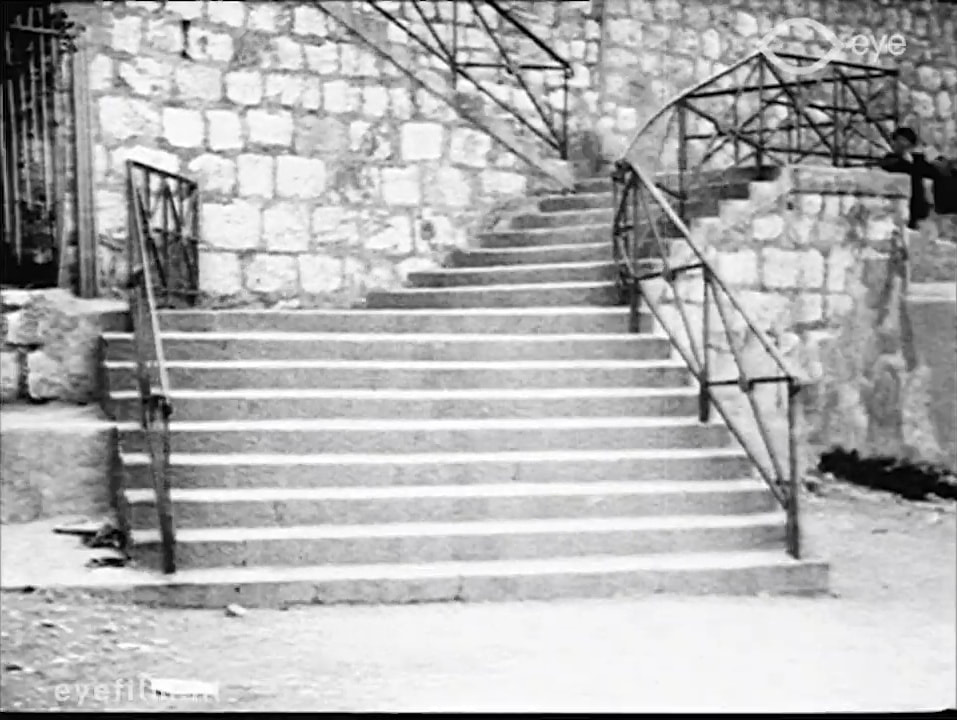
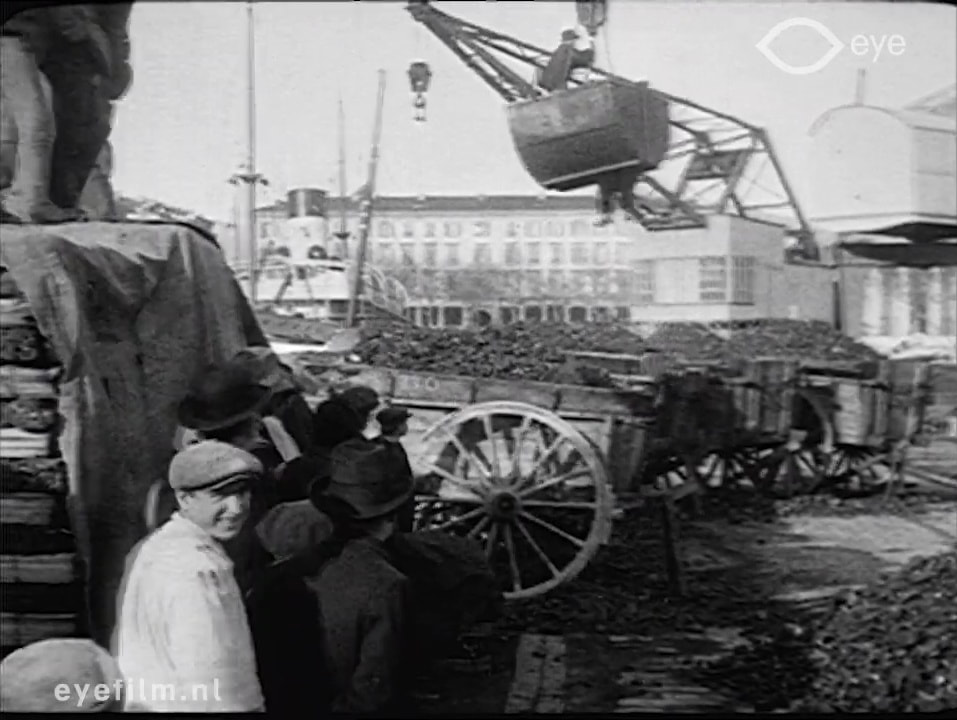
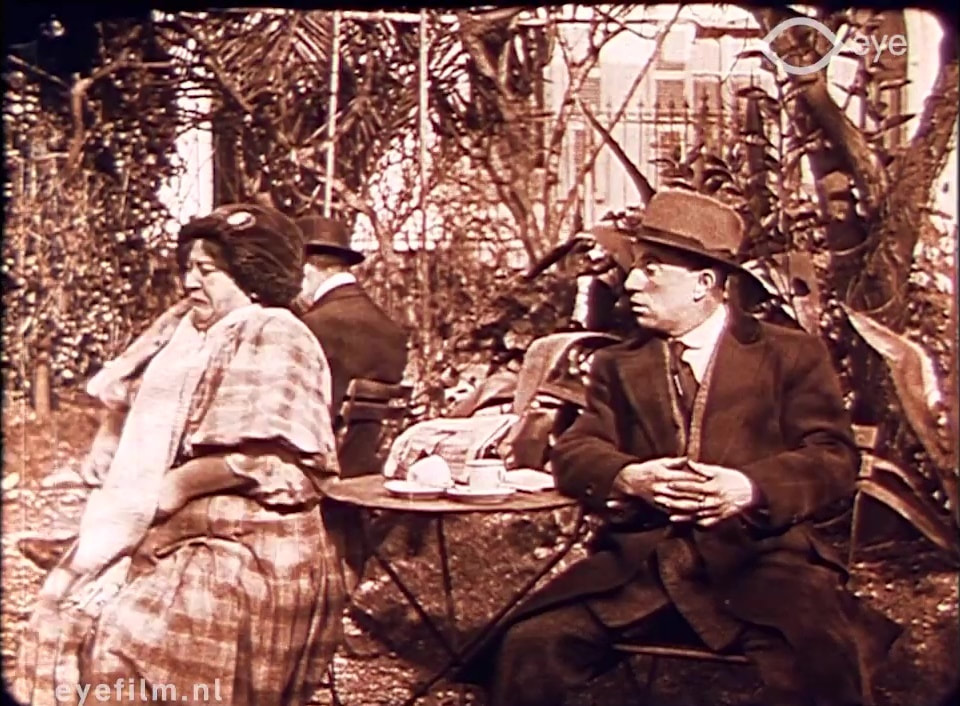
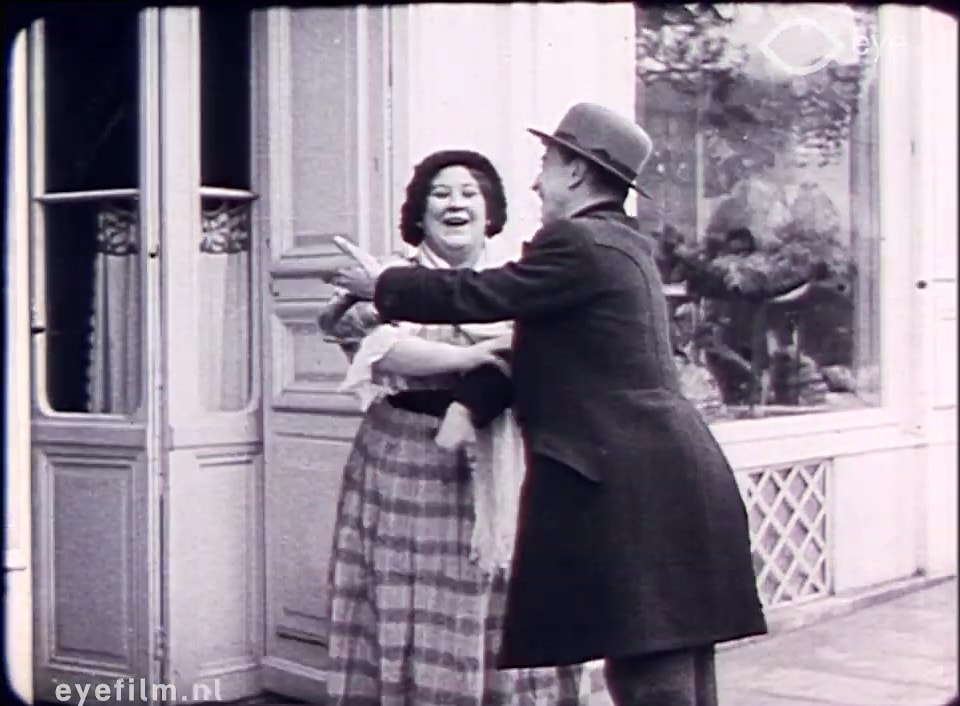
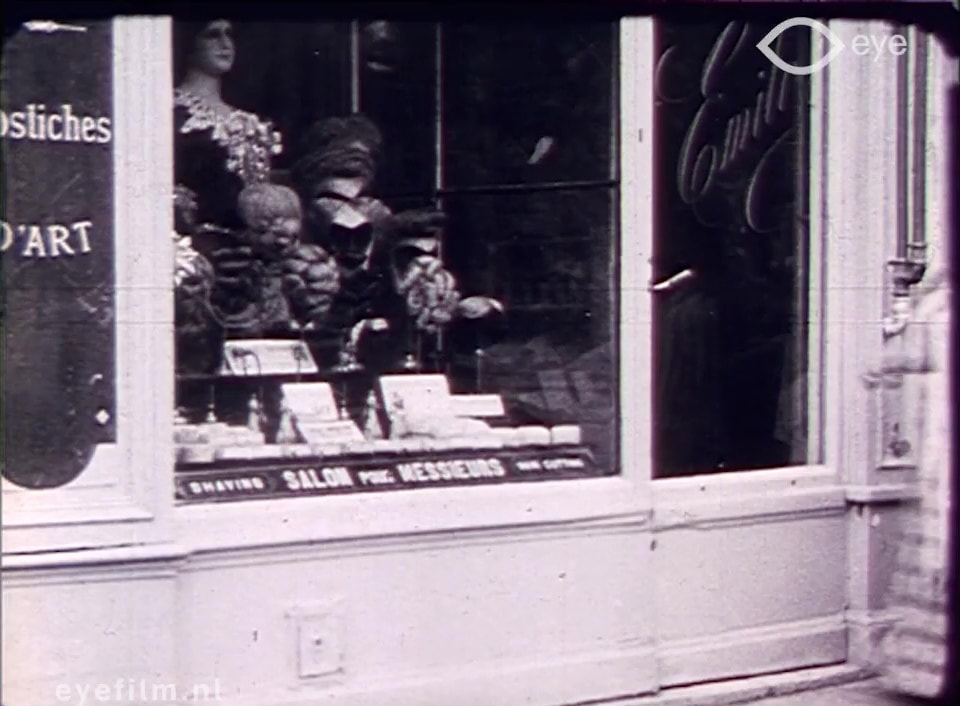
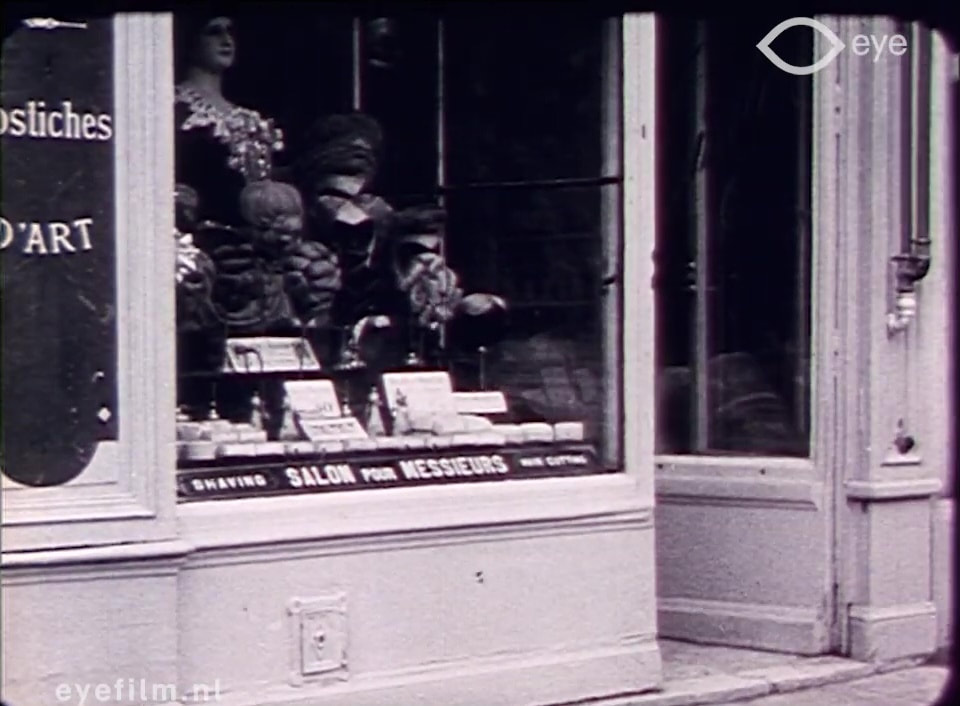
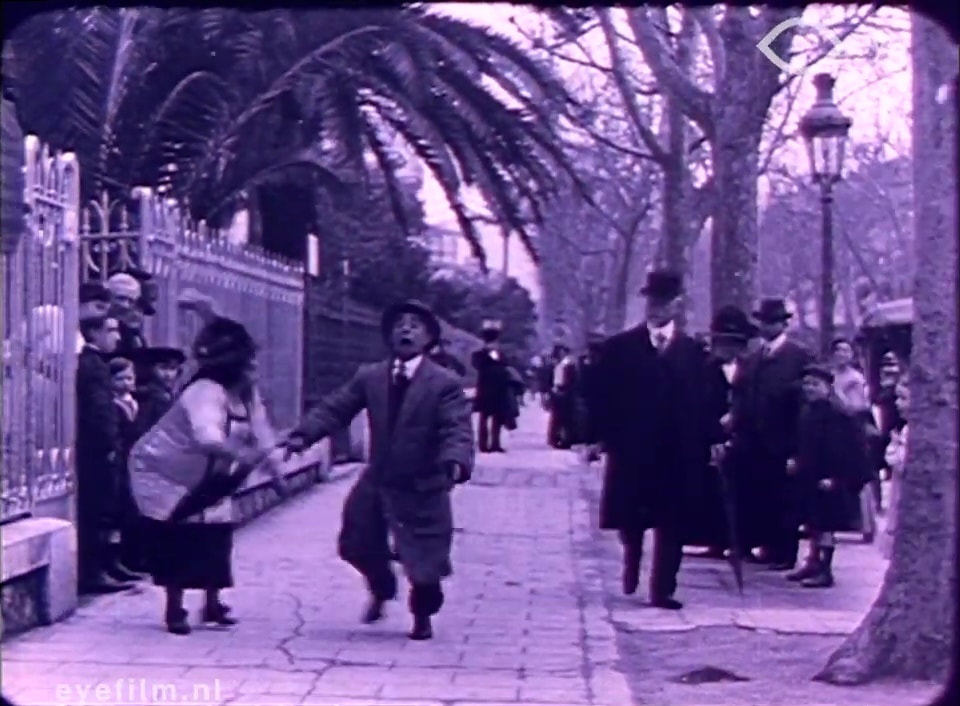
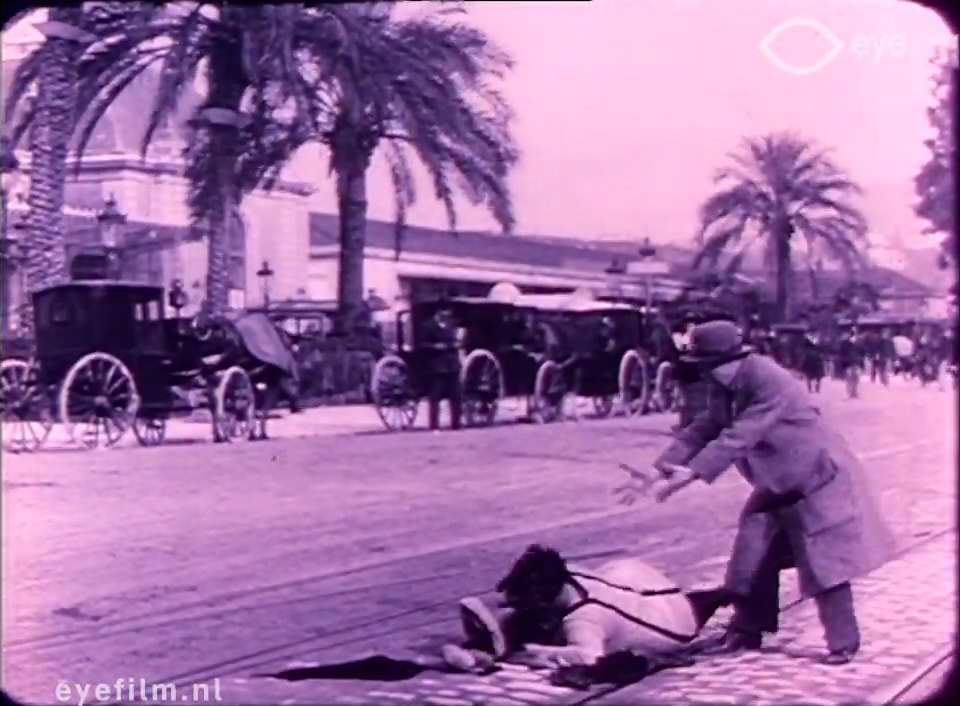
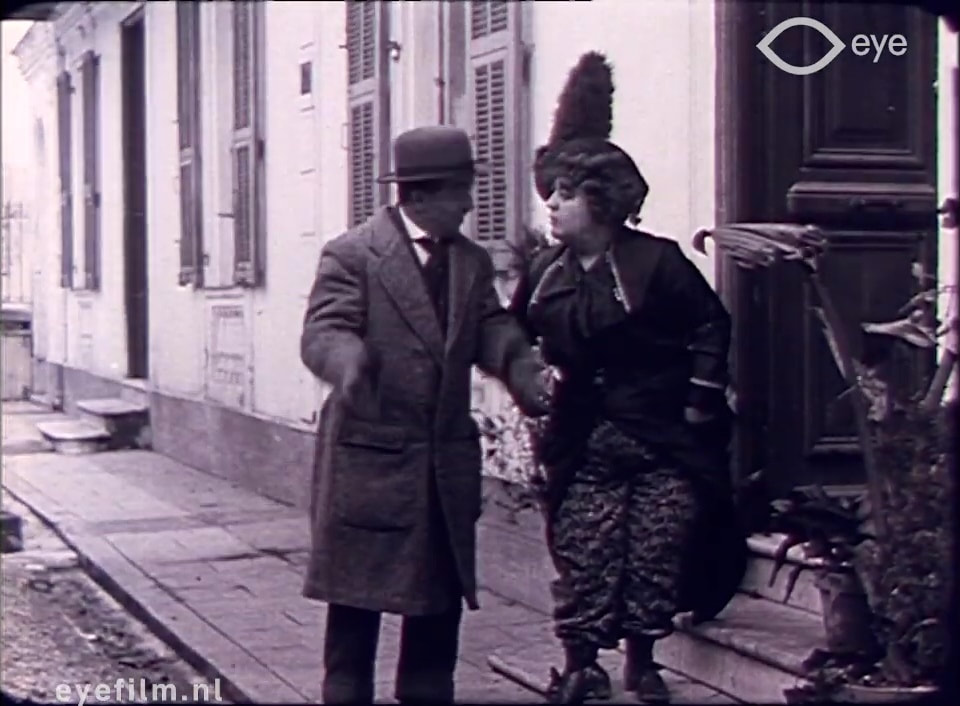
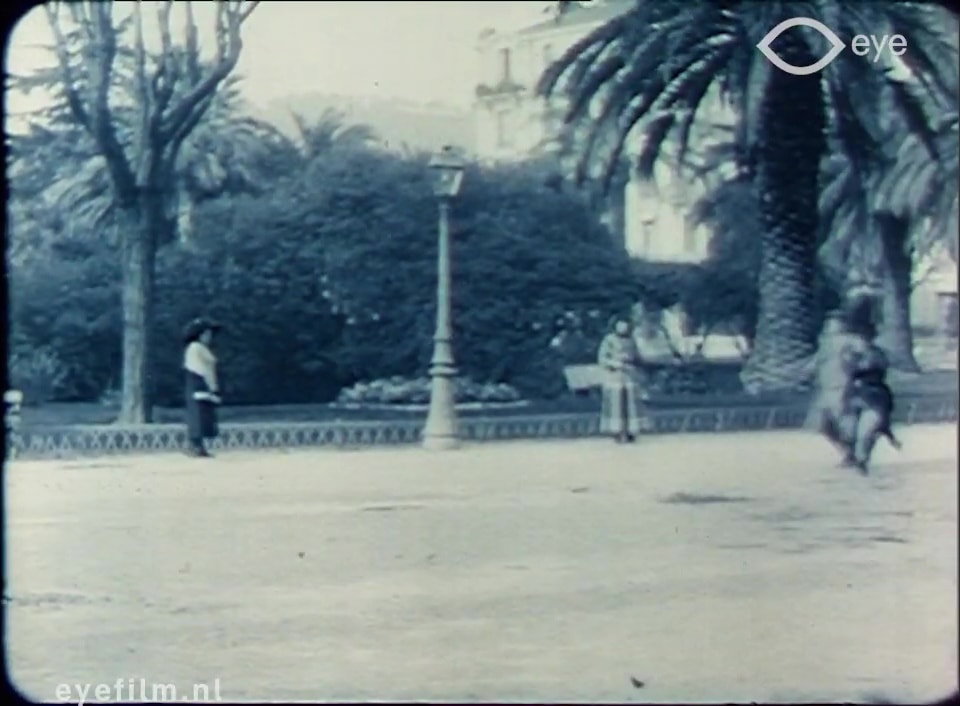
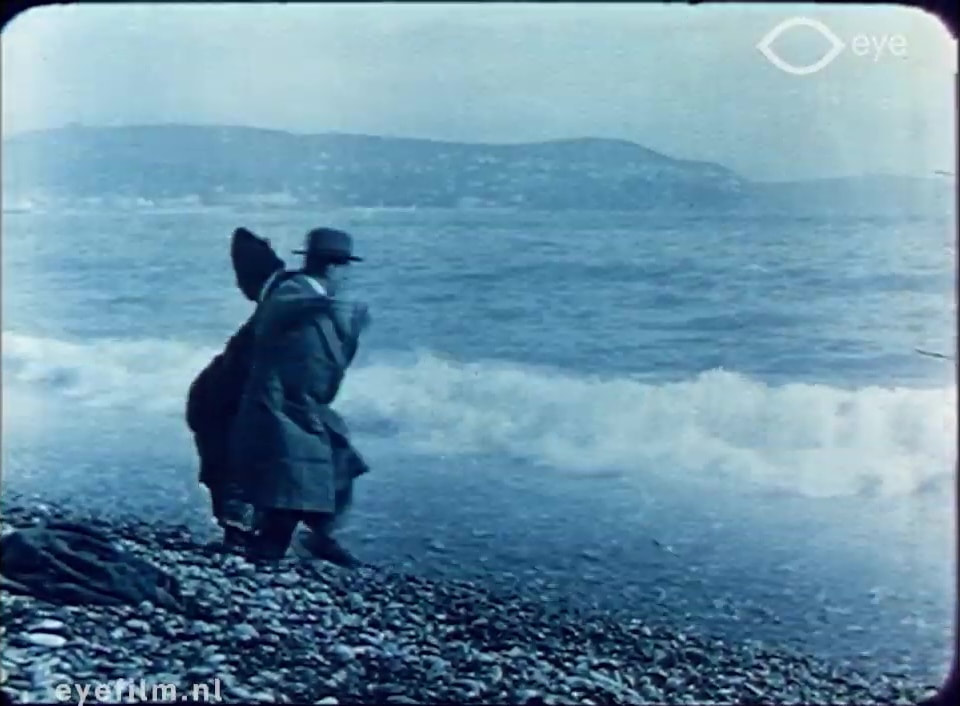
Unlike its larger competitors Gaumont and Pathé (see here), Lux doesn't seem to have established a full-time production base in Nice. These films appear to have been made as one-off excursions.
sources
The EYE Filmmuseum in Amsterdam have in the last few years put onto YouTube restored versions of more than fifty early French films, including several Lux productions. Without these the research for this post would have been impossible; I very much appreciate the EYE Filmmuseum's initiative.
Eric Loné's filmography, compiled in 1994, lists 865 films made by the Lux company between 1907 and 1913. I have only been able to examine twenty-one of these, so it goes without saying that my conclusions are relative and limited.
These are the Lux films I have used for this post:
Eric Loné's filmography, compiled in 1994, lists 865 films made by the Lux company between 1907 and 1913. I have only been able to examine twenty-one of these, so it goes without saying that my conclusions are relative and limited.
These are the Lux films I have used for this post:
L'Ane domestique (1912)
La Bouteille de Patouillard (1911)
La Chambre 31 (1911)
Le Chien insaissable (1912)
Le Chien voleur (1912)
Le Costume blanc (1908)
Cunégonde membre de la S.P.A. (1912) - on the DVD 'Les Comiques français des premiers temps', included in the September 2010 issue of 1895, edited by Laurent Guido and Laurent Le Forestier
Dans les airs (1911)
Les Femmes députés (1912) - on the DVD 'Cento anni fa - attrici comiche e suffragette 1910-1914', edited by Mariann Lewinsky
Gare! les lions! (1912)
Gratitude obsédante (1912)
La Mouche (1908)
Patouillard a mangé du homard (1911)
Patouillard a une femme jalouse (1912)
Patouillard a une femme qui veut suivre la mode (1911)
Patouillard crieur de journaux (1911)
Patouillard et l'ours policier (1911) - on the DVD 'Les Comiques français des premiers temps'
Patouillard fait du Sandow (1911)
Patouillard paie ses dettes (1911)
Patouillard représentant en mât ce Cocagne (1911)
Ski à roulettes (1911)
Les Tribulations d'un charcutier (1909) - on the DVD 'Cento anni fa - il cinema europeo del 1909', edited by Mariann Lewinsky
Zizi fait des courses (1913) - on the DVD 'Les Comiques français des premiers temps'
other resources
- Richard Abel, The Ciné Goes to Town: French Cinema 1896-1914 (Berkeley and Los Angeles: University of California Press, 1994)
- Richard Abel (ed.), Encyclopedia of Early Cinema (Abingdon: Routledge, 2005)
- Francis Lacassin, A la recherche de Jean Durand (Paris: Association fra
- nçaise de recherche sur l'histoire du cinema, 2004)
- Eric Loné, 'La Production Lux (1906-1913)', 1895, 16 (1994)
- Laurent Mannoni, '28 octobre 1913: création de la société "Le Cinéma du peuple"', 1895 hors-série, 'L'année 1913 en France' (1993)
- Laurent Mannoni, 'Les studios Pathé de la région parisienne (1896-1914), in Michel Marie and Laurent Le Forestier (eds), La Firme Pathé frères, 1896-1914 (Paris: Association française de recherche sur l'histoire du cinéma, 2004)
post-Lux, 1
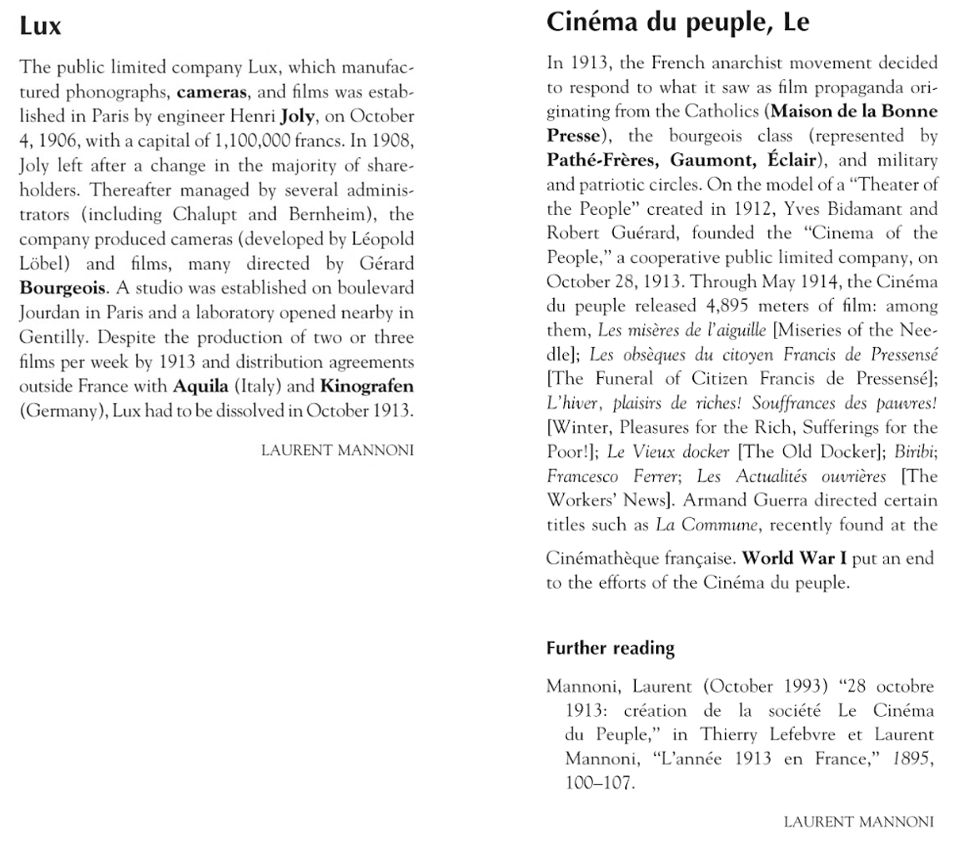
In October 1913 the Lux company folded. Soon after, the studio was being used by the anarchist film production company Le Cinéma du peuple. Here are Laurent Mannoni's entries on the two companies, from Richard Abel's Encyclopedia of Early Cinema:
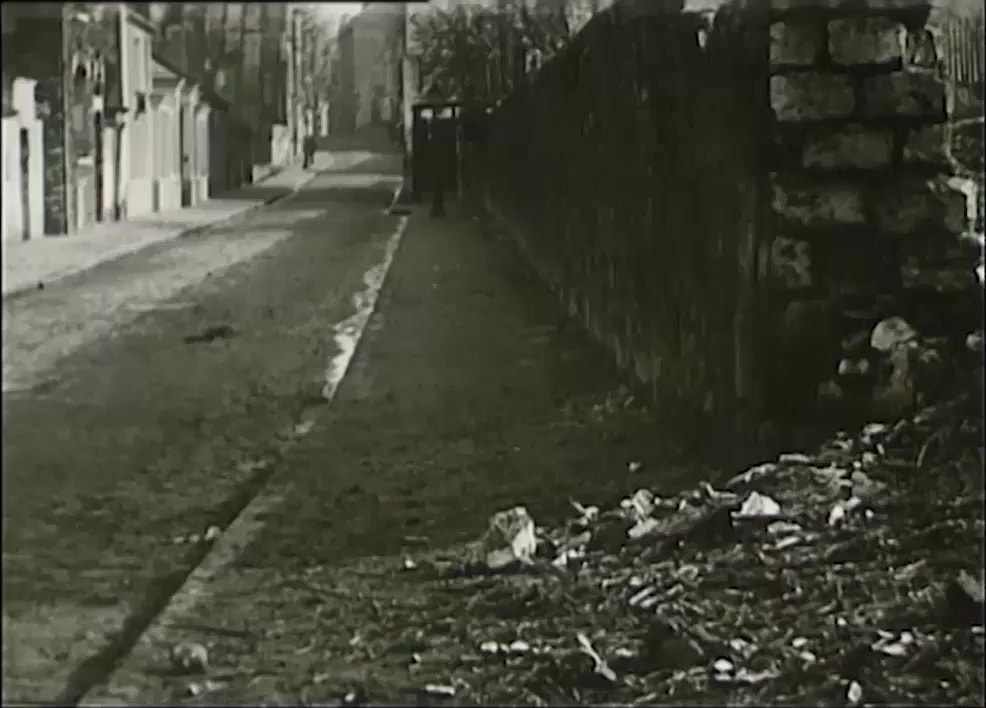
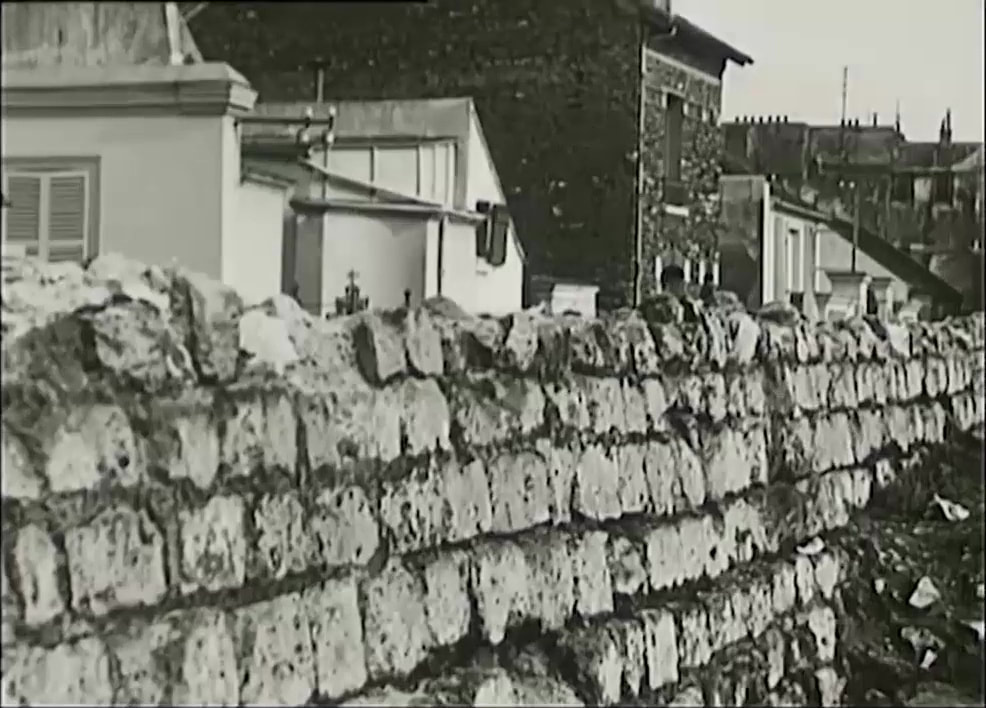
Copies of three Cinéma du peuple films have been posted online; two of them are set in Paris. It wouldn't be surprising to find that this company followed its predecessor's precedent and filmed in the vicinity, though I haven't yet been able to identify any of the locations used for the narrative parts of La Commune:
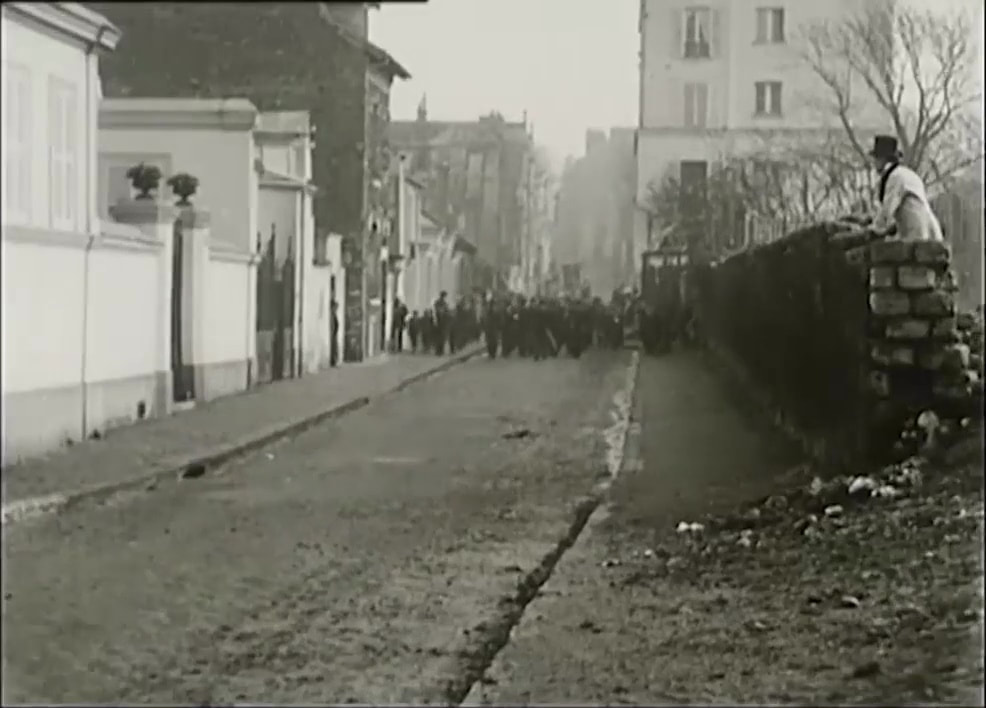
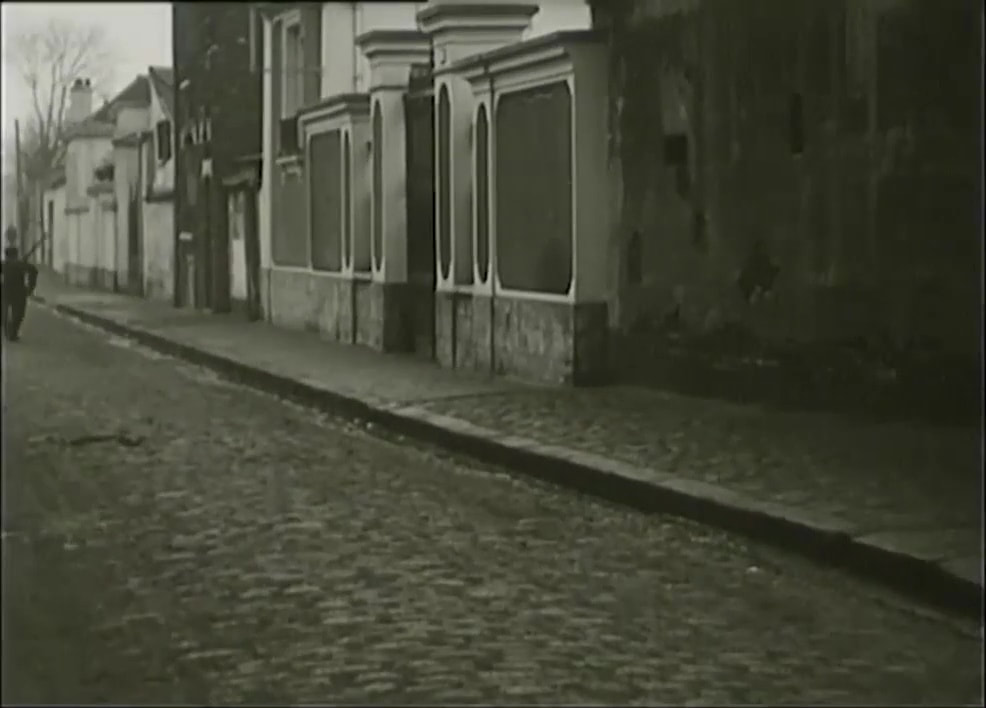
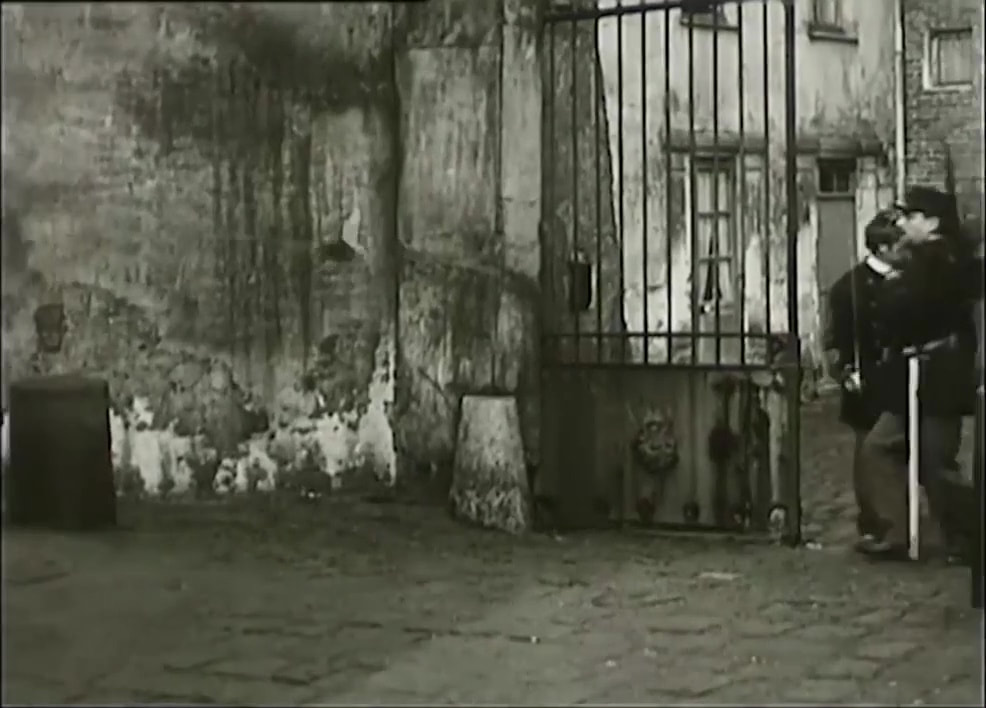
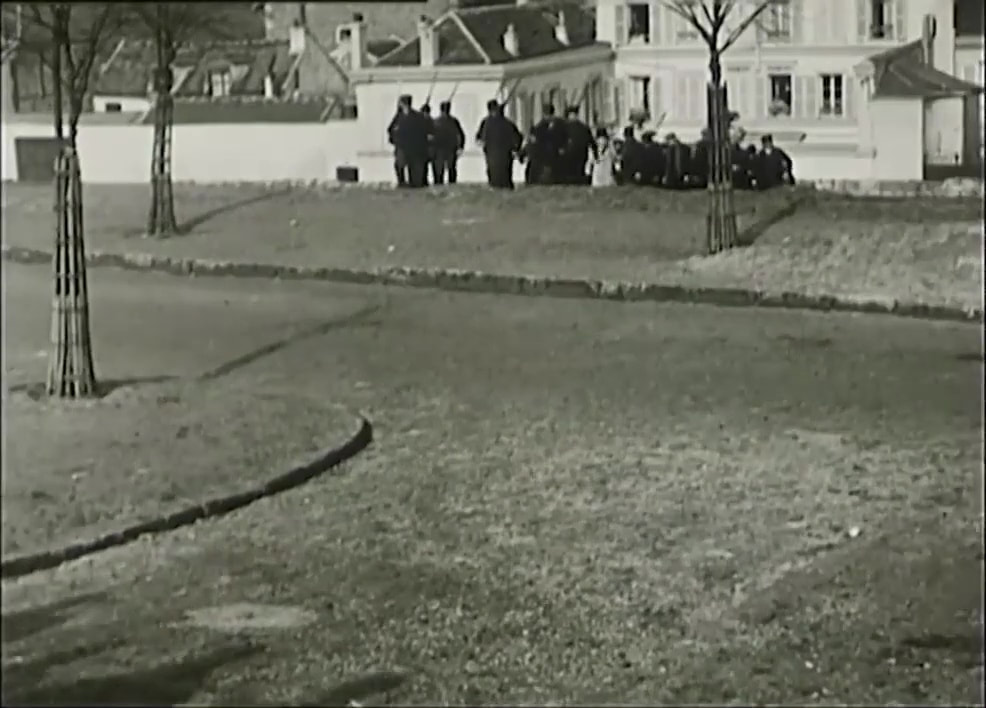
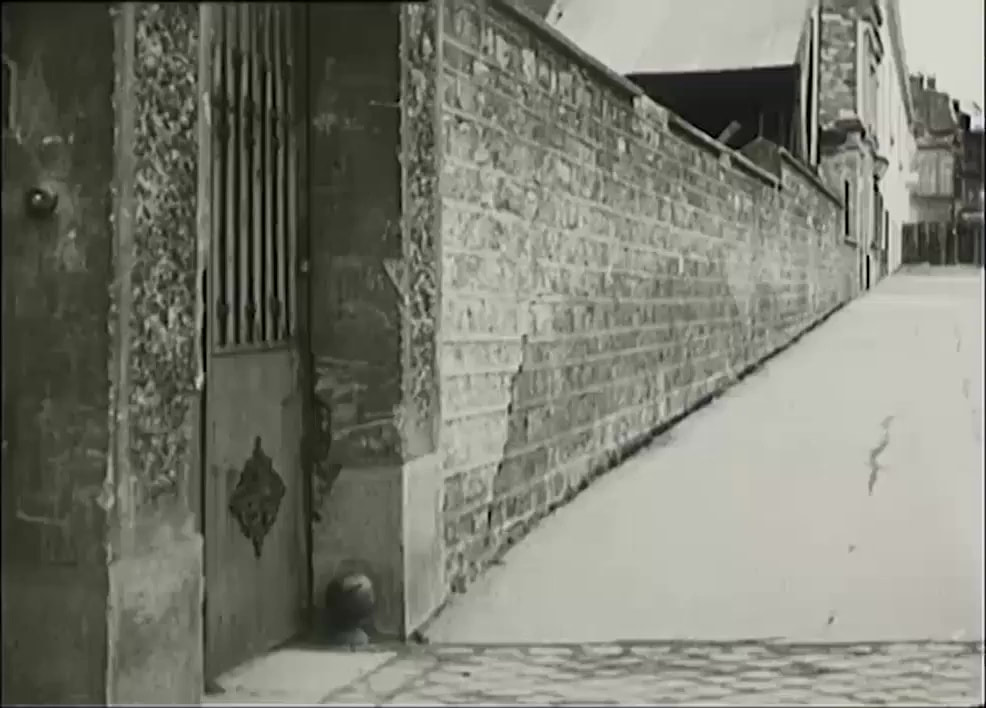
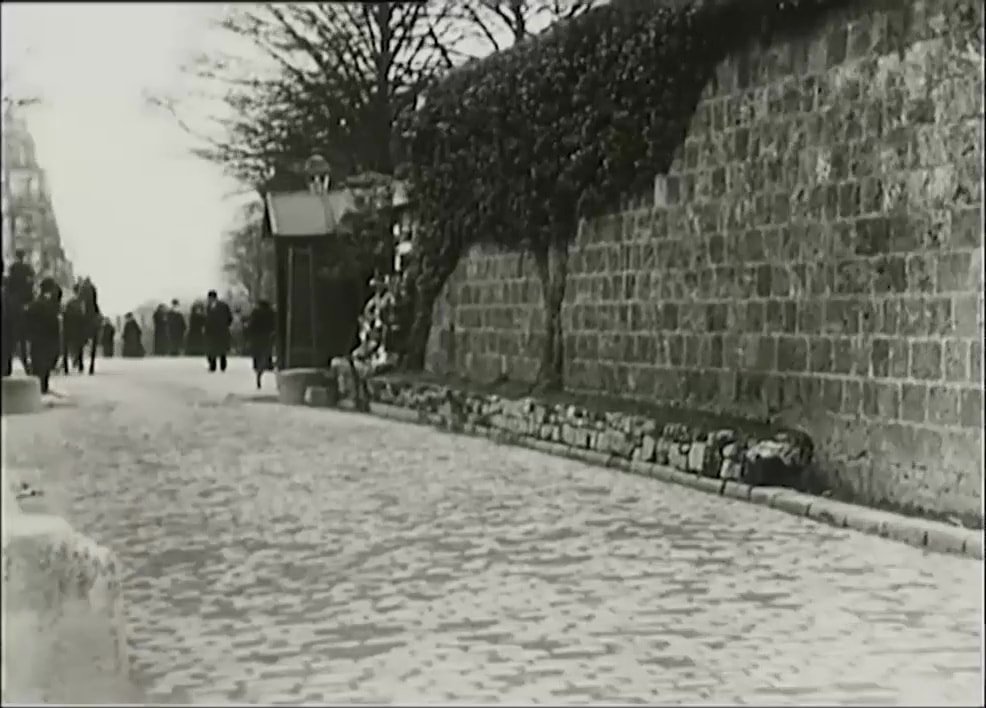
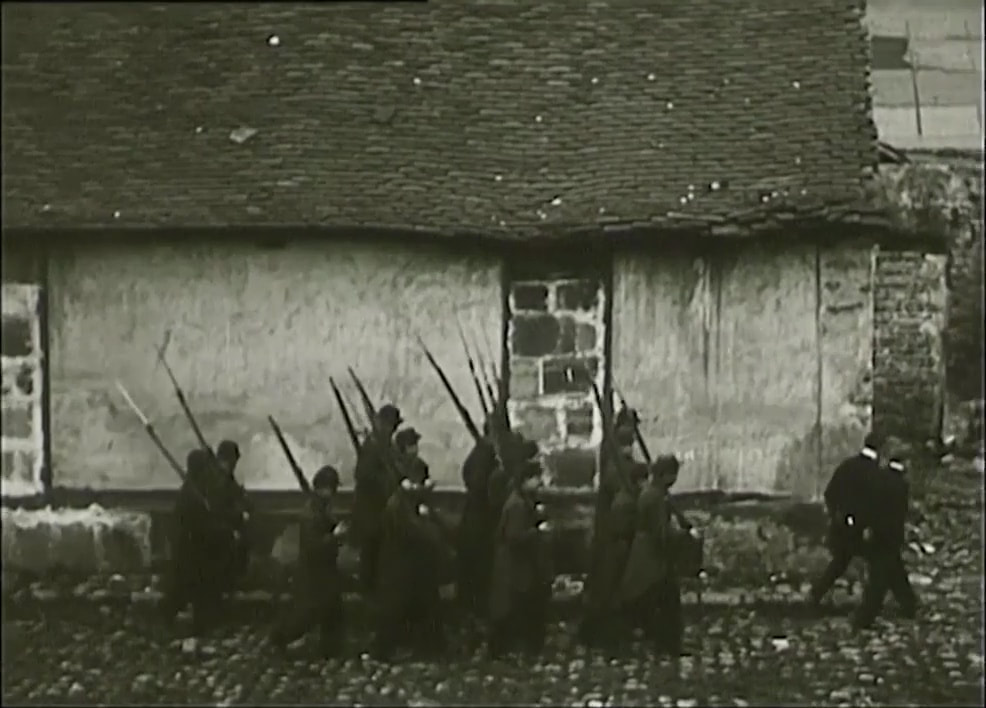
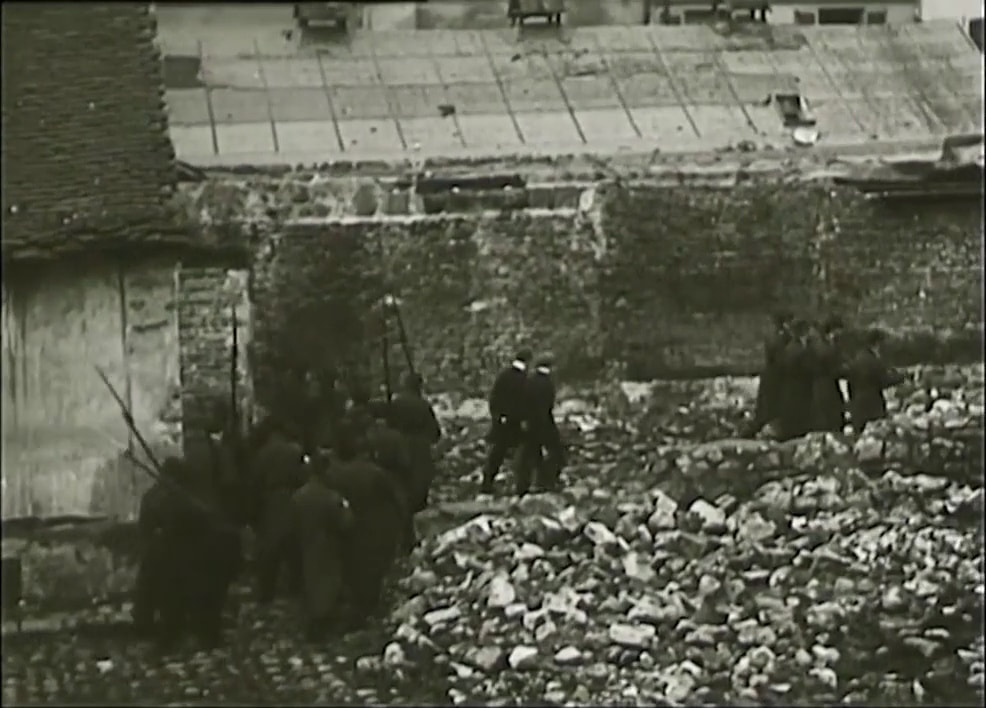
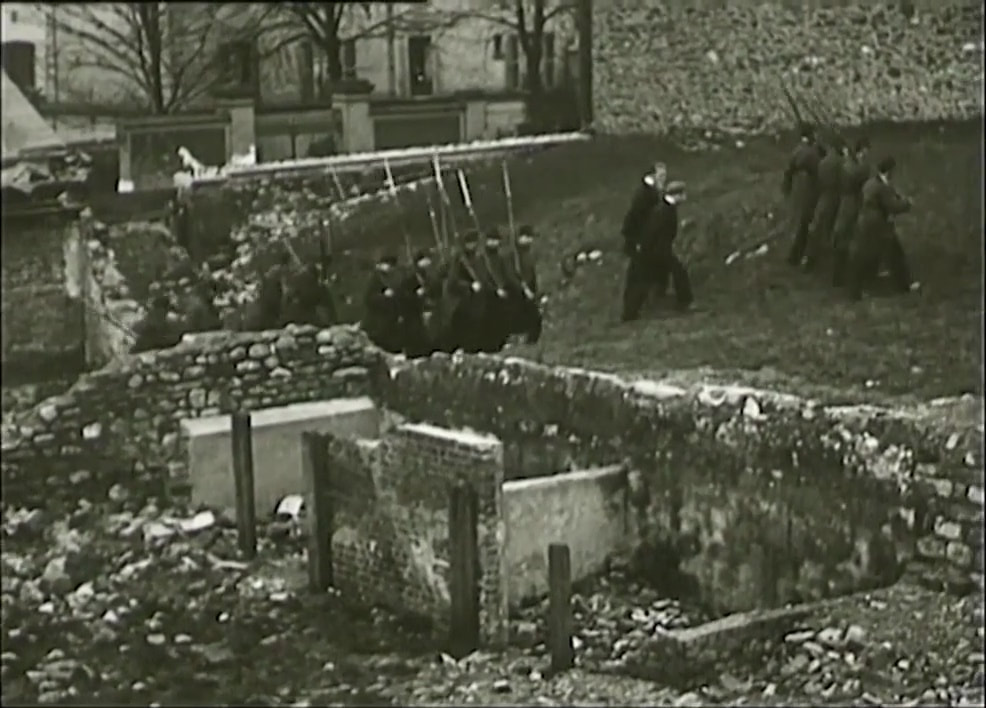
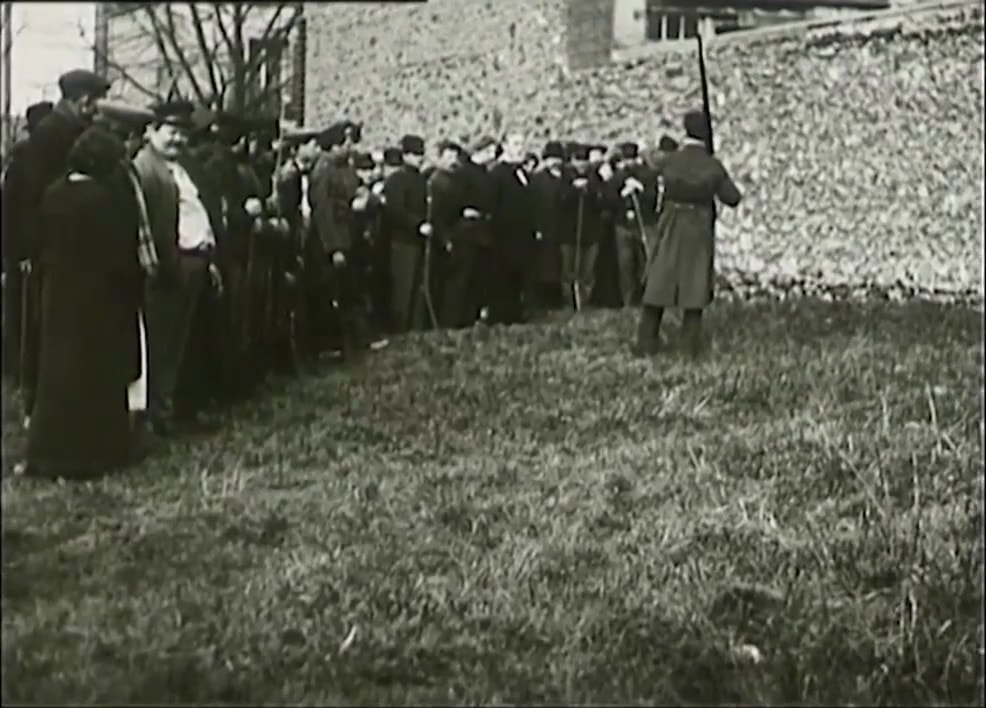
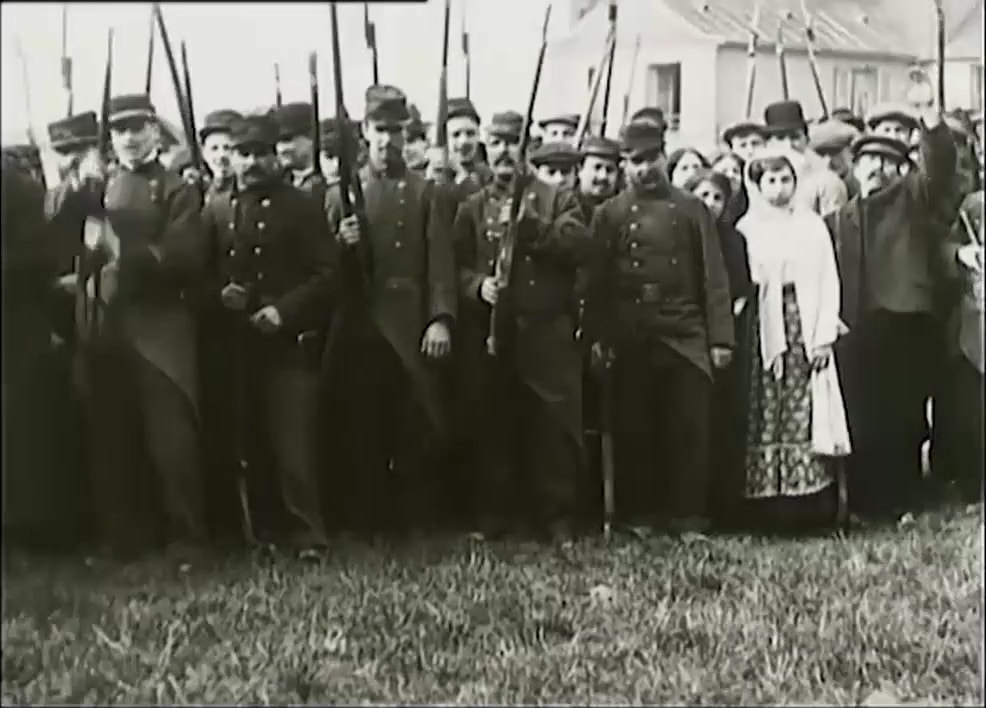
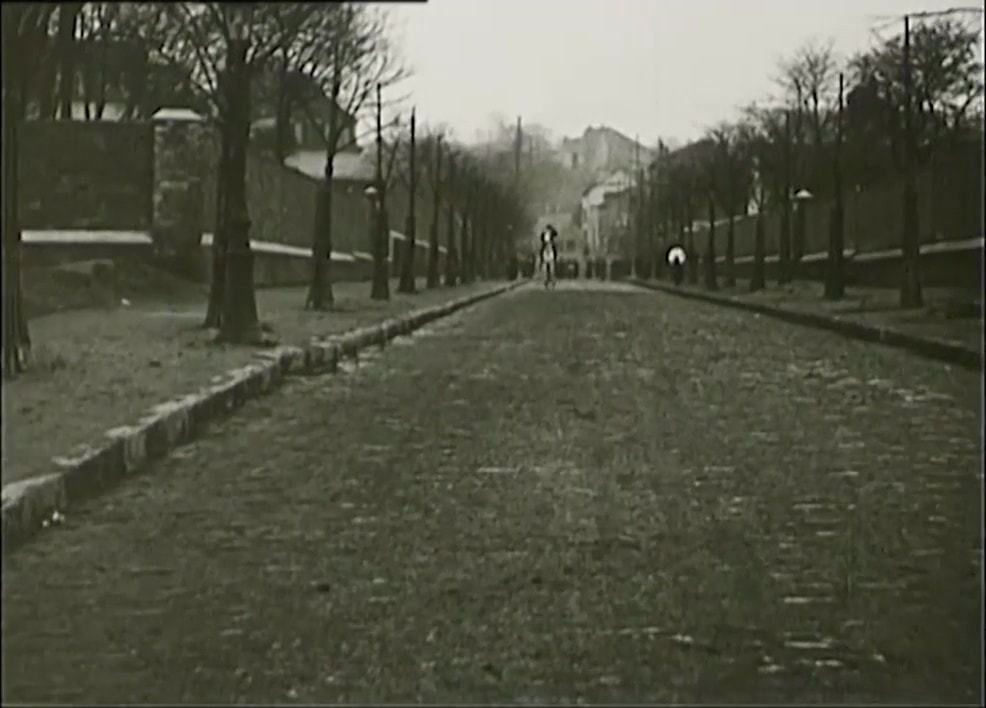
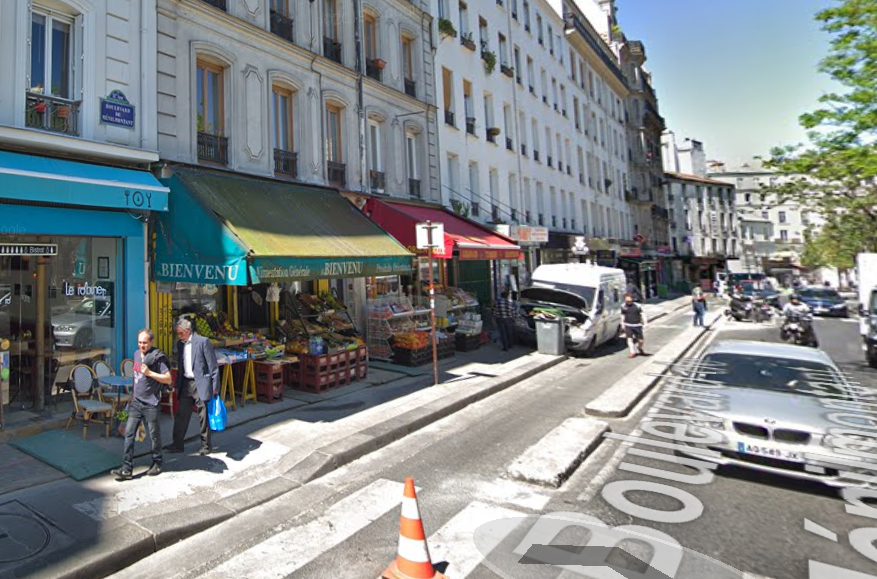
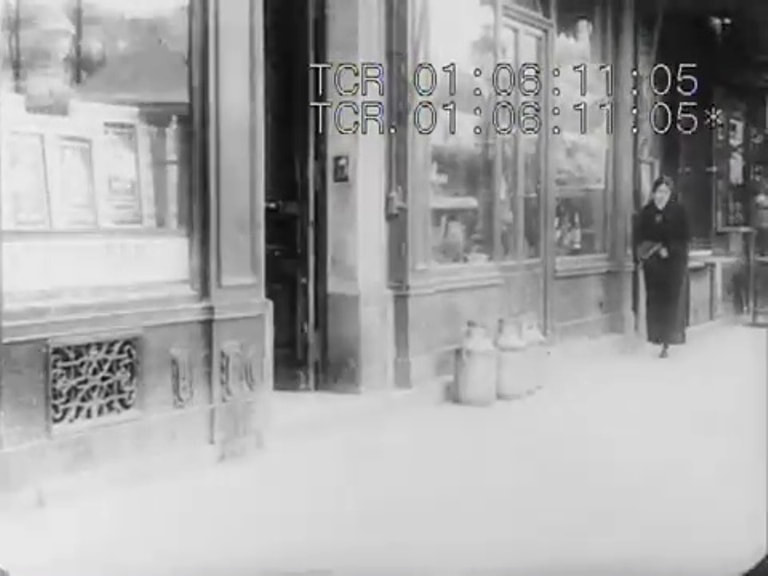
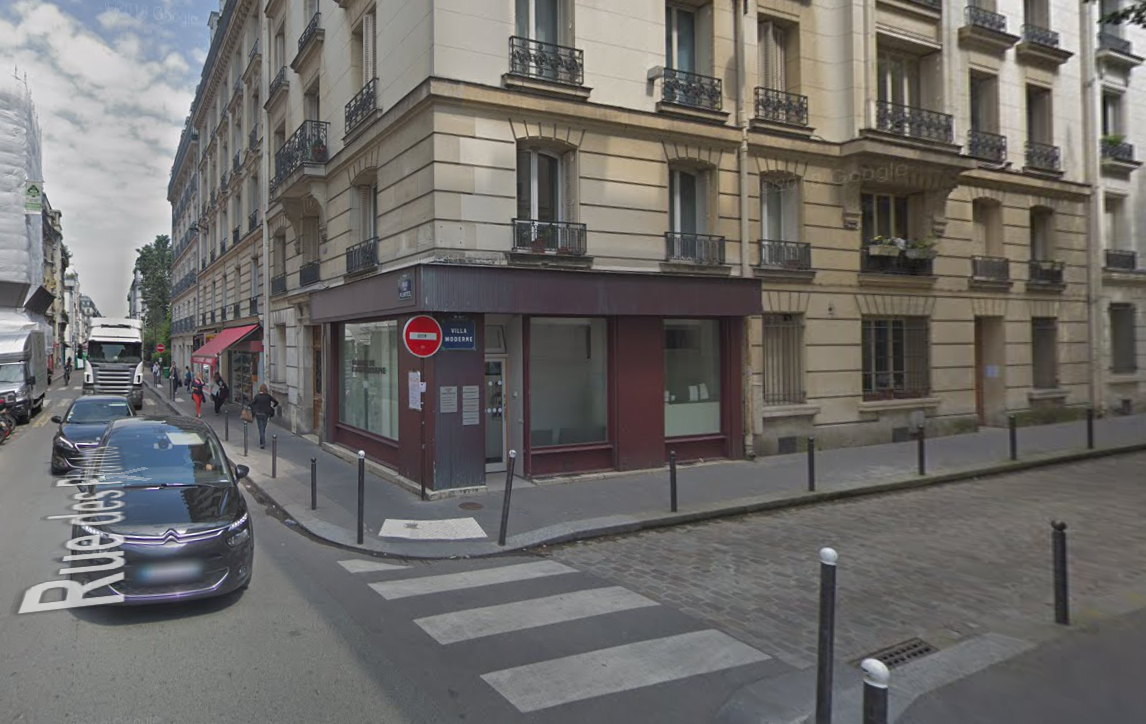
I have had more luck with Les Misères de l'aiguille. The first view below is a pharmacy at 125 Boulevard de Ménilmontant, 20e; the second is the Mont de Piété at 15 Rue des Plantes, 14e; the third is L'Entraide, the cooperative lingerie and fashion shop run by Gabrielle Duchêne at 146 Avenue Emile Zola, 15e:
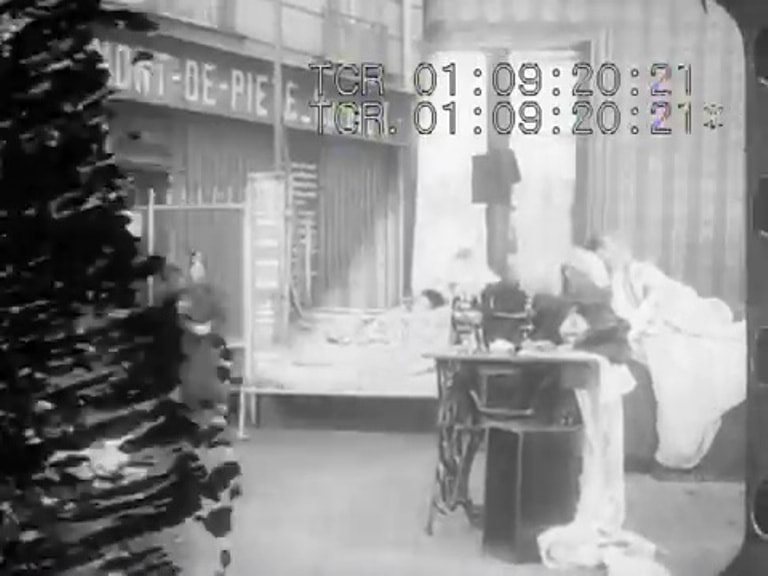

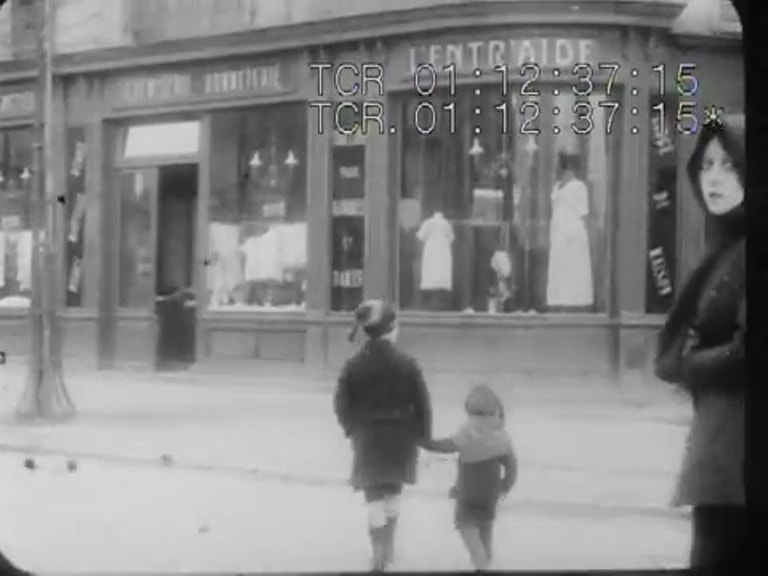
Only the second of these is particularly local to the studio, so it looks like the Cinéma du peuple filmmakers allowed themselves the run of Paris in their search for locations.
post-Lux, 2
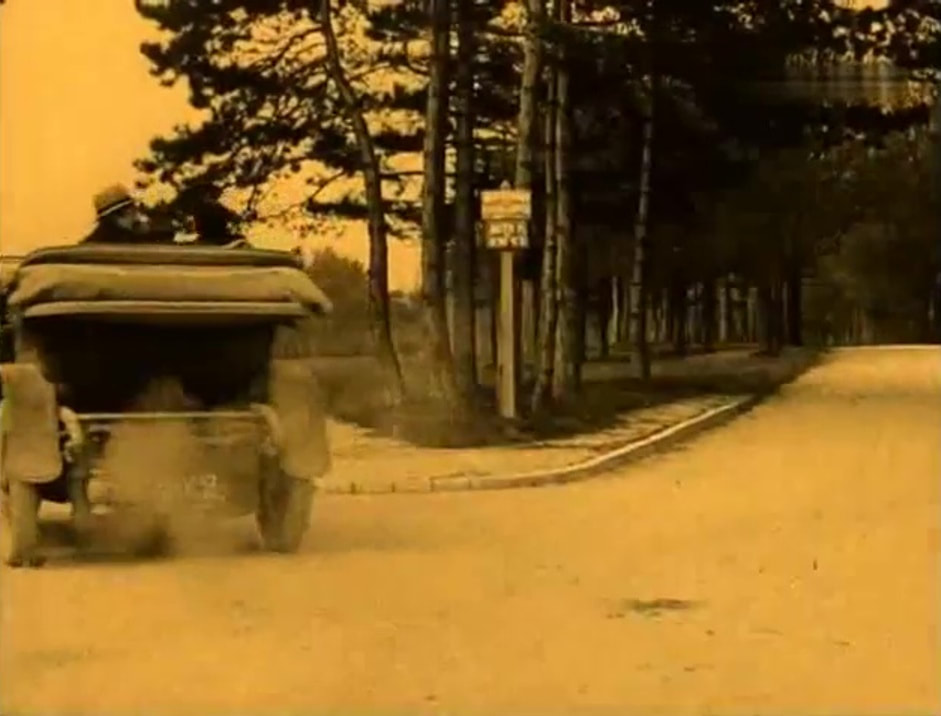
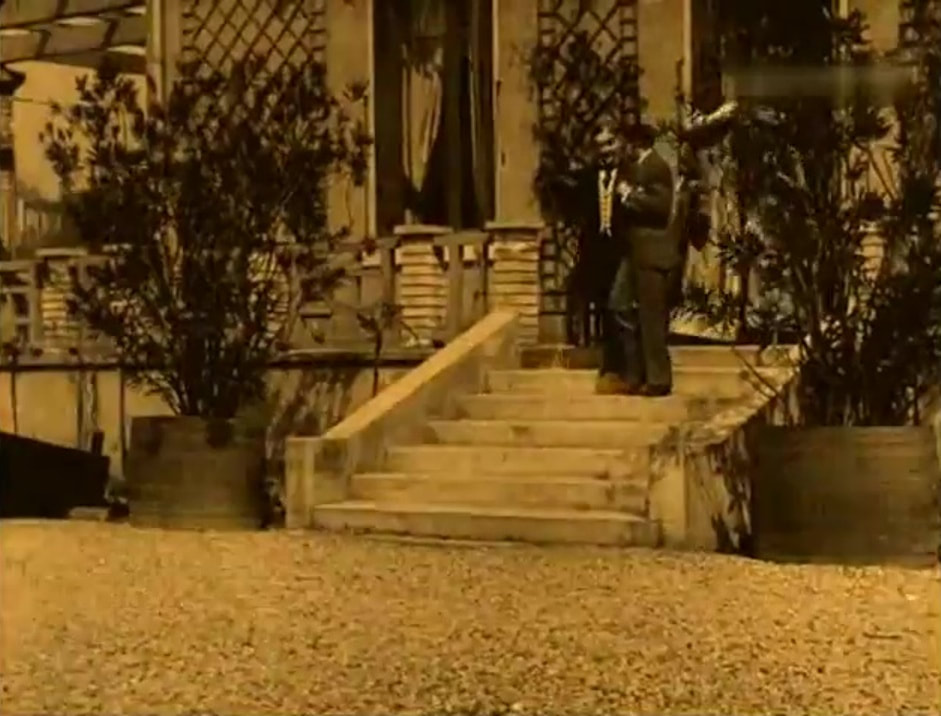
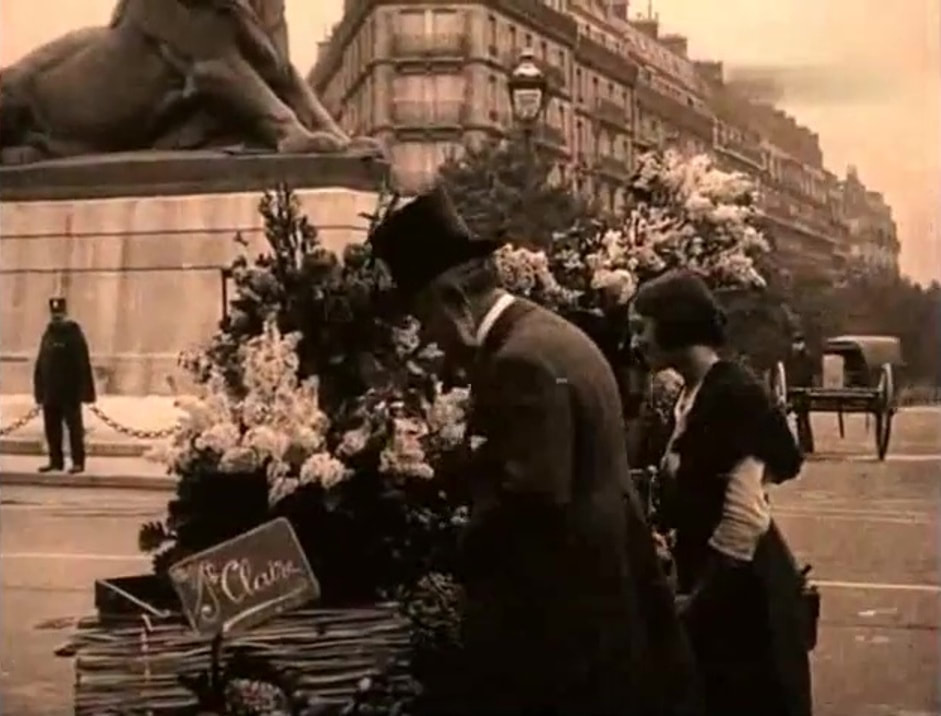
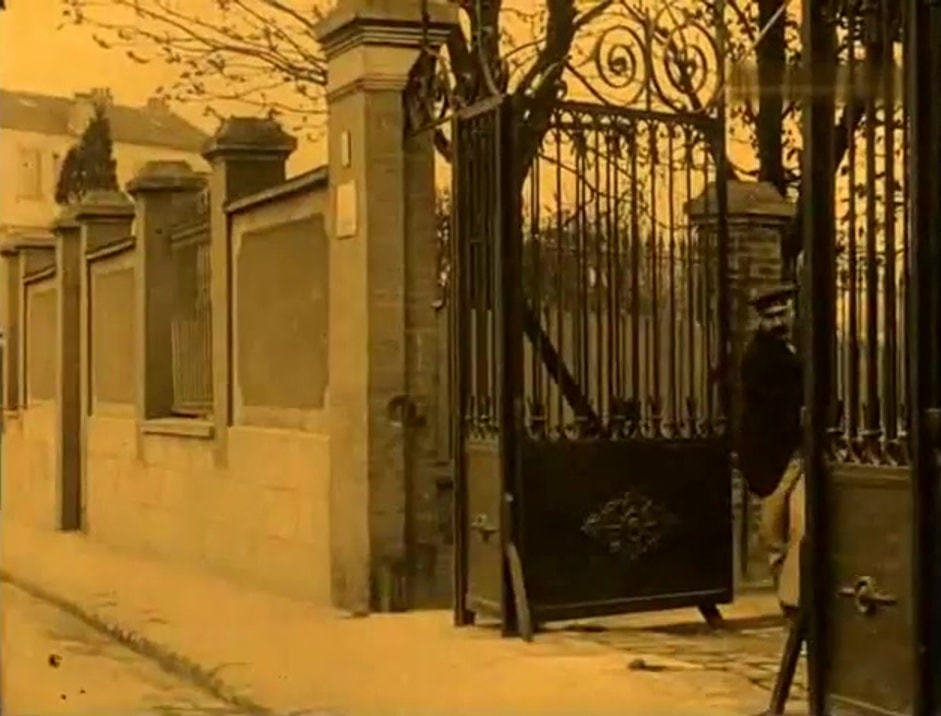
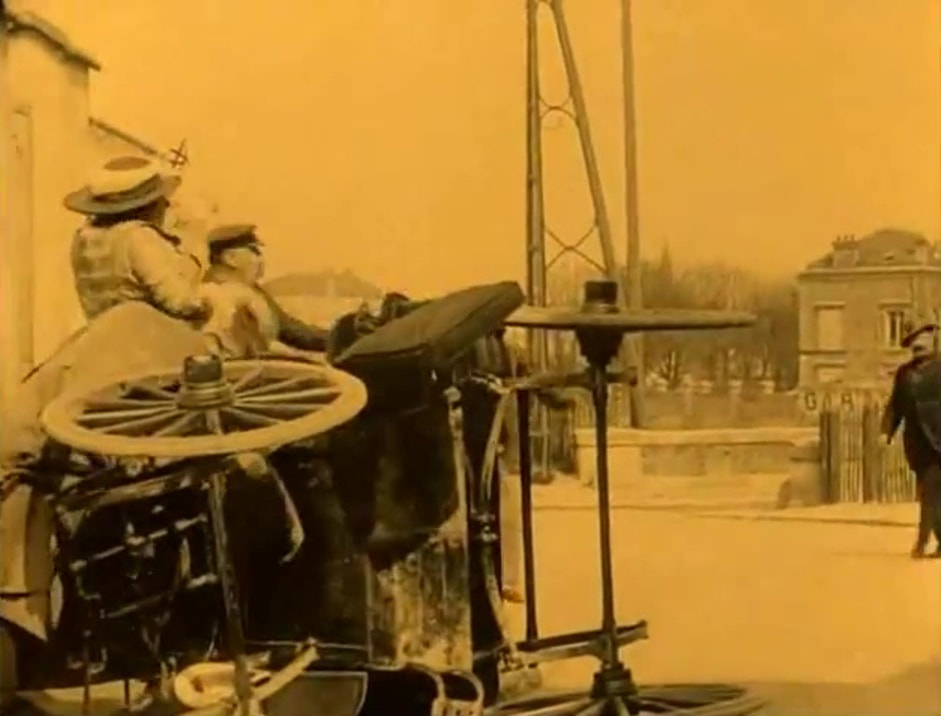
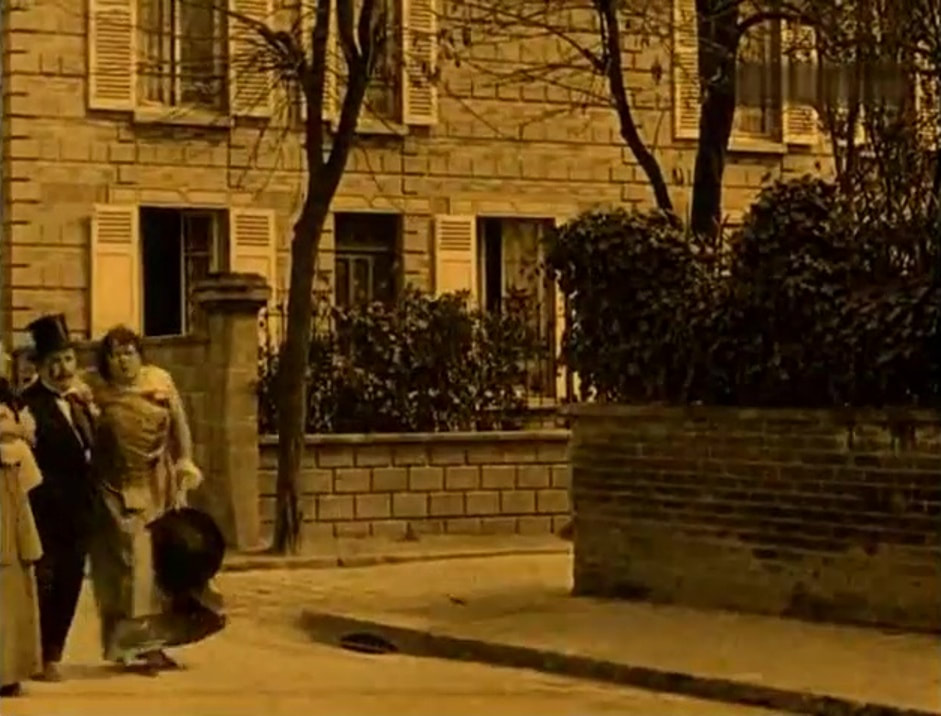
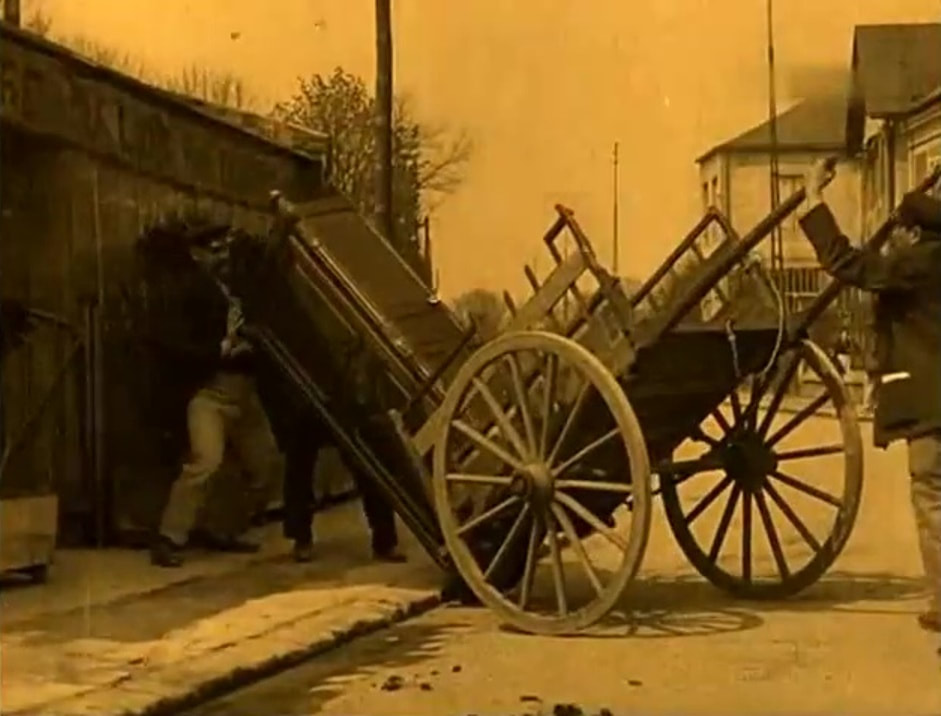
In 1914 the studio was taken over by Georges Lordier, producer of 'Les Grands Films Populaires'. One of this company's productions has been restored by the Cinémathèque Royale de Belgique. Here are some exterior views from Le Paradis, made in 1914. The first of them is a café on the Boulevard Brune, the fifth is the Place Denfert-Rochereau, both local to the studio:
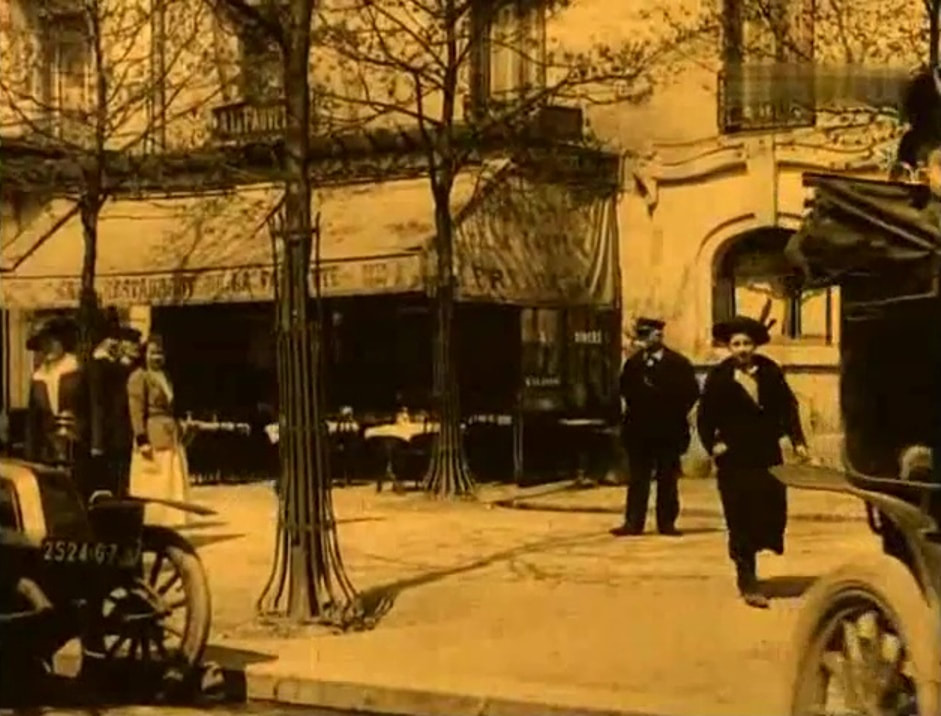
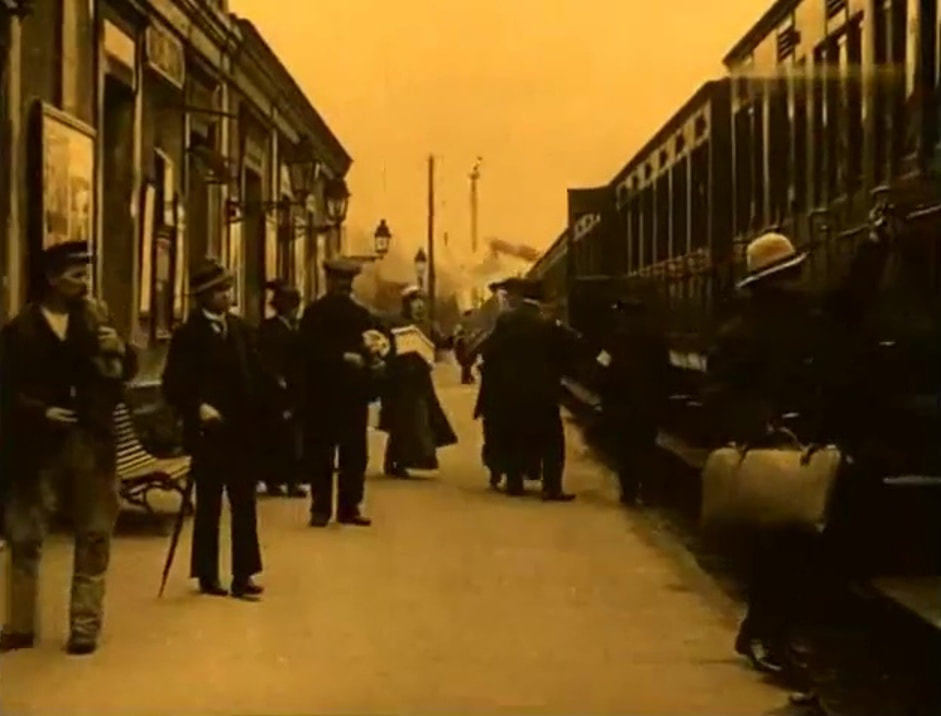
|
post-Lux, 3
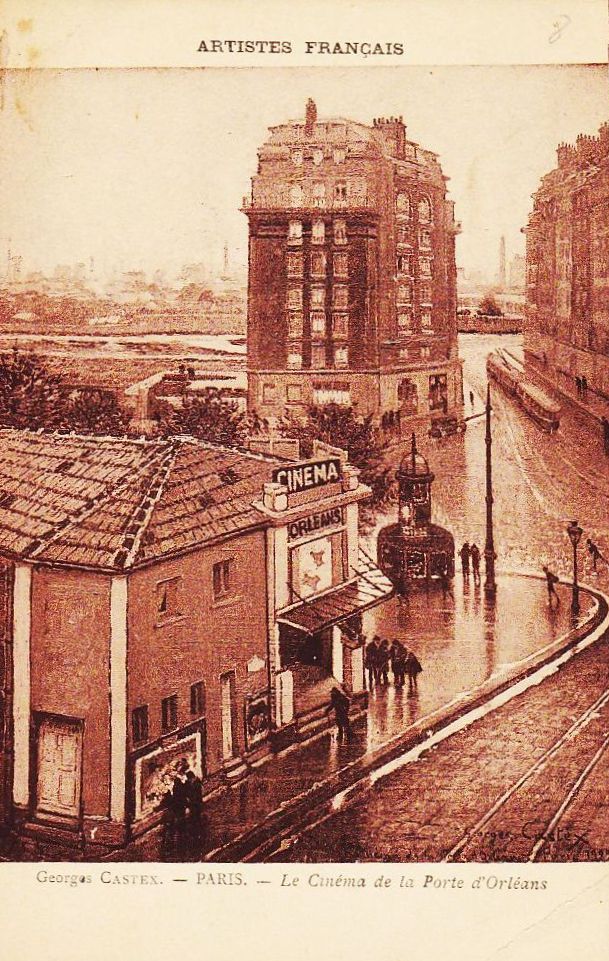
In February 1914 a cinema opened next door to the studio, at 100 Boulevard Jourdan. It was called the Orléans Palace and, according to the expert in these matters Philippe Célérier, at his wonderful Ciné-Façades website, it continued as a cinema until April 1962.
Right is an artist's impression of the cinema from the late 1920s. Though none of the buildings associated with the studio seems to have survived, the cinema building is still there, currently functioning as a motor-cycle shop. 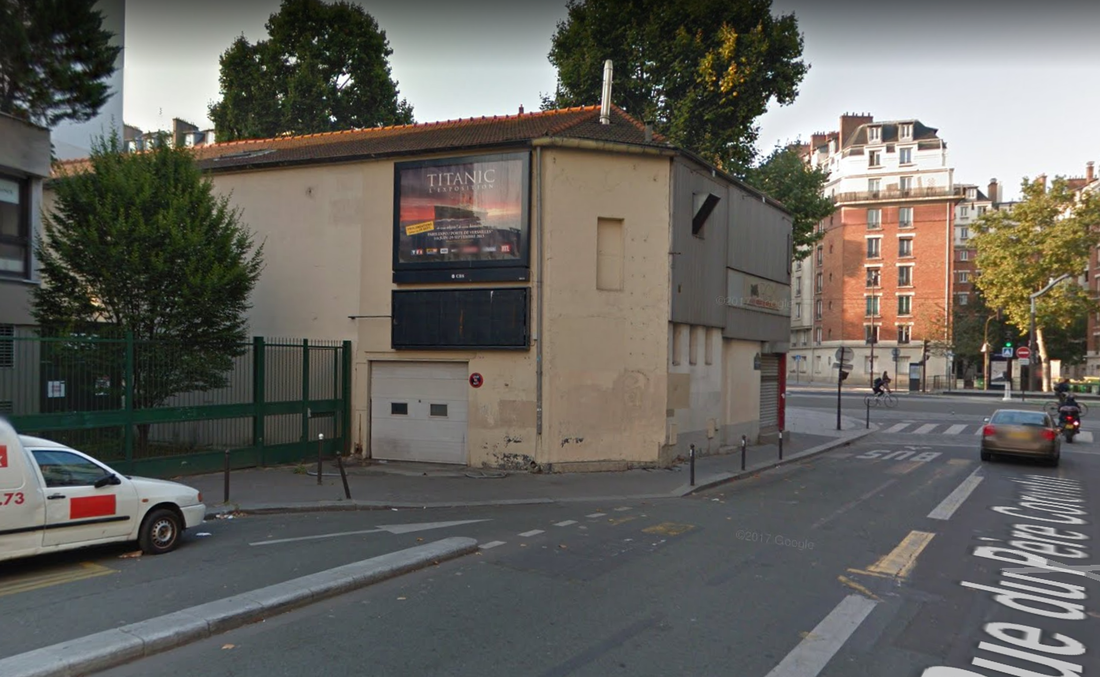
|
|