|
all you need is...
|

|
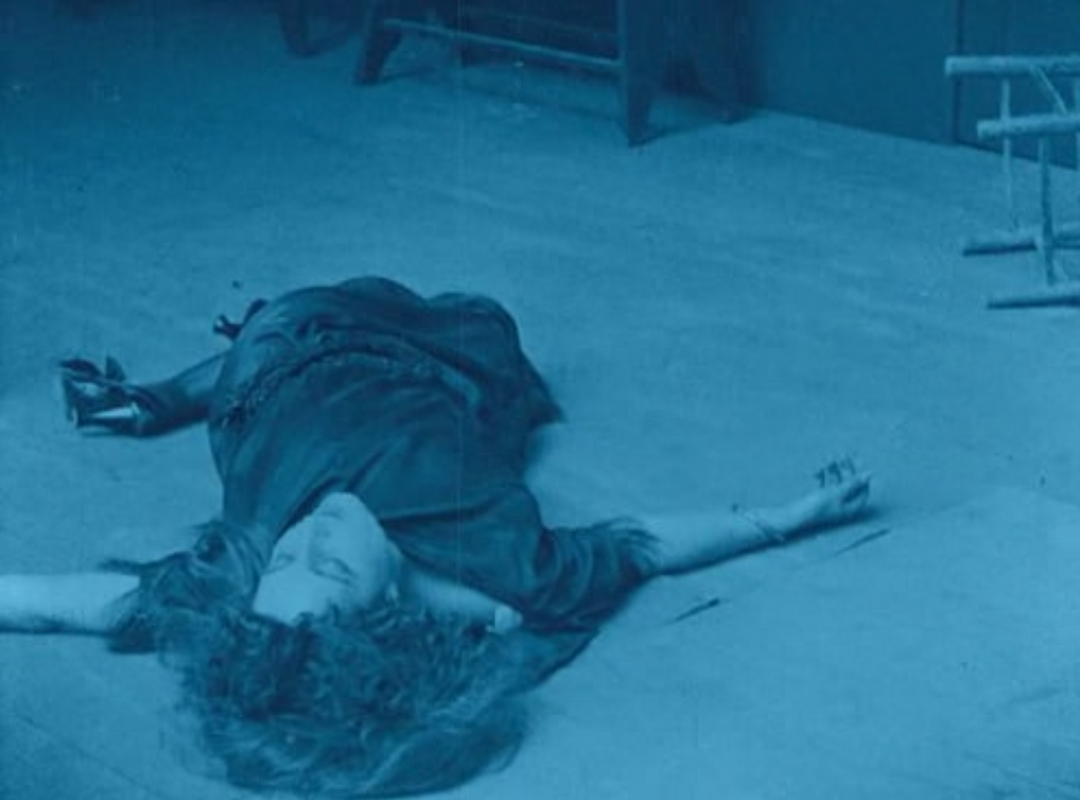
All over the internet and in scholarly works, the phrase 'all you need to make a movie is a girl and a gun' is attributed to Jean-Luc Godard, and that despite his insistence that 'c'est Griffith qui a dit ça, ce n'est pas moi' ('it was Griffith who said that, not me').
Godard seems to have first attributed the phrase to Griffith in 1964, in the trade-press spread announcing his forthcoming film Bande à part:
|
'What do filmgoers want?' Griffith asked. 'A girl and a gun'. It's to meet their wishes that I have made, and that Columbia will distribute, Bande à part, a sure-fire story that will sell a lot of tickets.
|
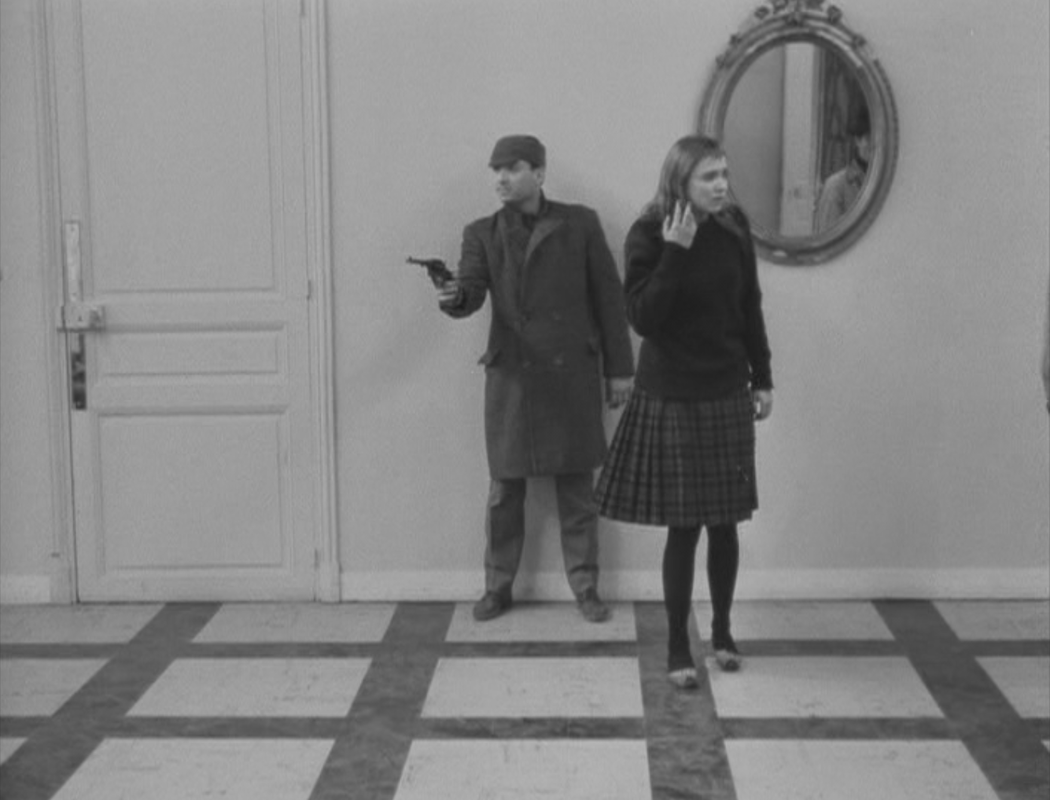
Bande à part (1964)
Commentators who picked up on Godard's phrase initially preserved the attribution, but in 1966, in The New Republic, Pauline Kael's piece 'Godard among the Gangsters' left Griffith out of the equation: 'Jean-Luc Godard intended to give the public what it wanted. His next film was going to be about a girl and a gun - "a sure-fire story which will sell lots of tickets".'
Kael reproduced this piece in her 1968 book Kiss Kiss Bang Bang, a title that says more or less the same thing that Griffith had, if more graphically.
Kael reproduced this piece in her 1968 book Kiss Kiss Bang Bang, a title that says more or less the same thing that Griffith had, if more graphically.
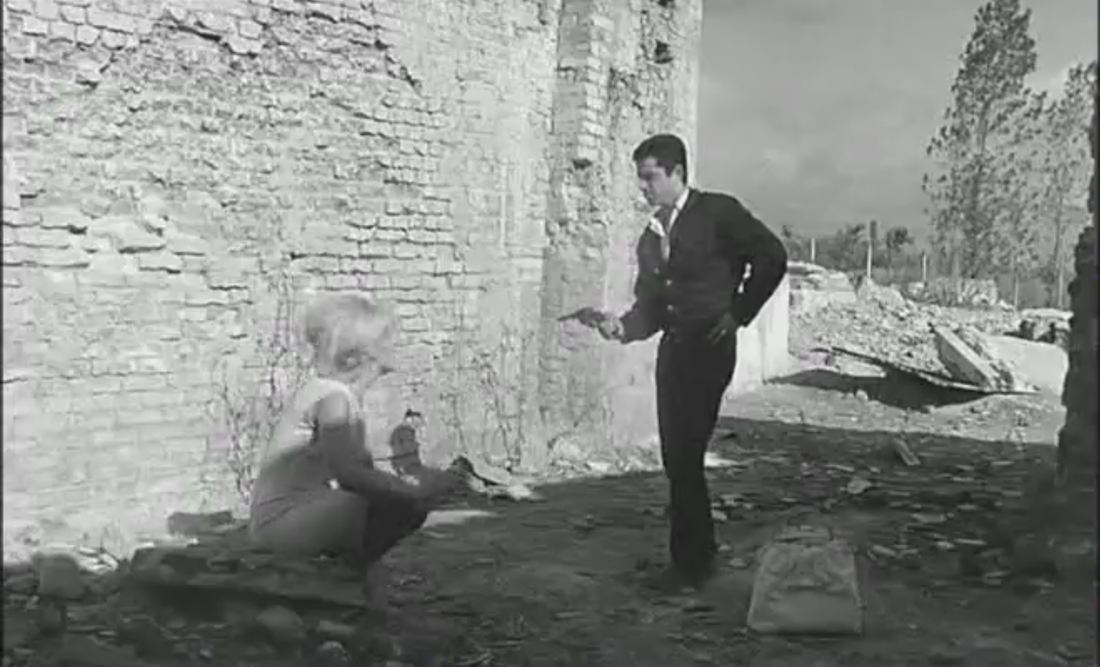
The same idea informed Claude Lelouch's choice of title in 1965 when he made Une fille et des fusils ('a girl and some rifles'), a Bande à part homage-cum-pastiche that featured girls and guns, as well as a close up of a newspaper with an advert for Bande à part:
|

|
Godard himself followed Bande à part with other films featuring girls and guns, e.g. Alphaville (1965):

Pierrot le fou (1965):

Made in USA (1966):
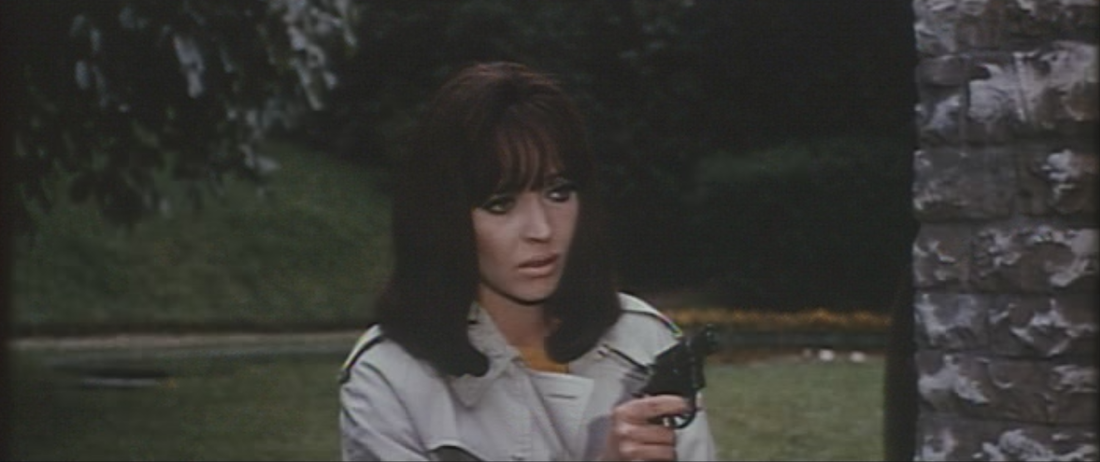
And La Chinoise (1967):
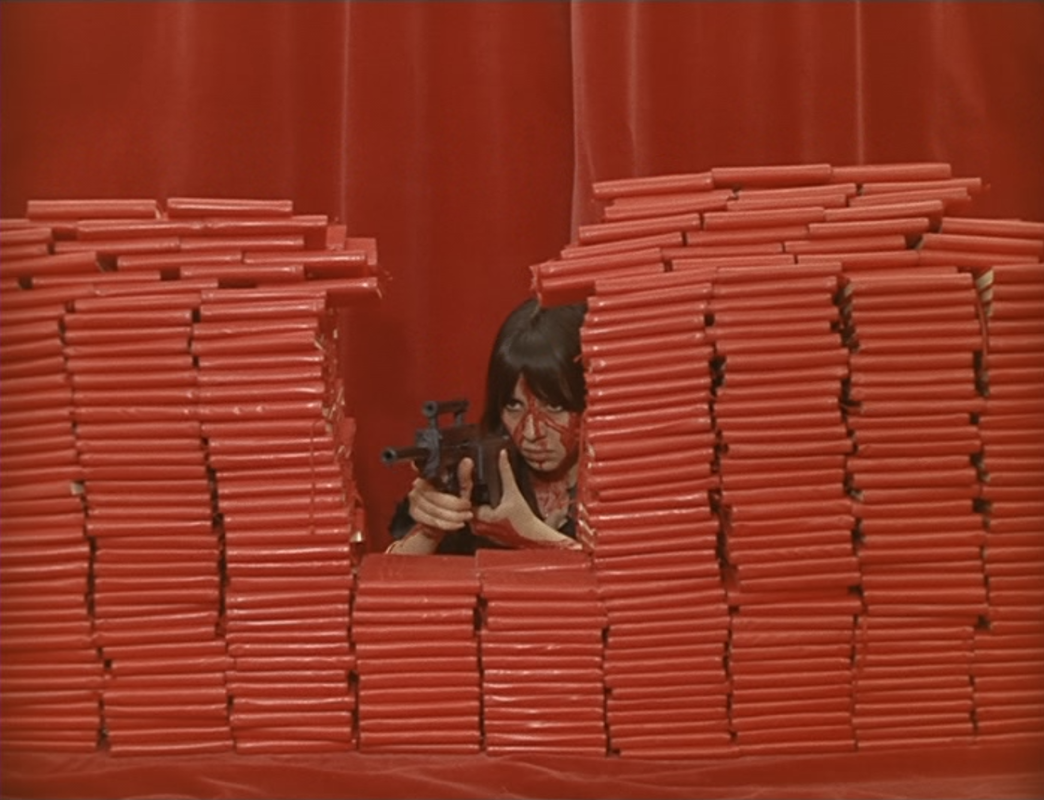
In the 1978 lectures that would lead to his 'Introduction to a True History of Cinema and Television' (now available in Timothy Barnard's brilliant new translation), Godard compared Made in USA with Bande à part and returned to the phrase:
'Griffith said: "What is cinema? A girl and a gun". I believed in that.'
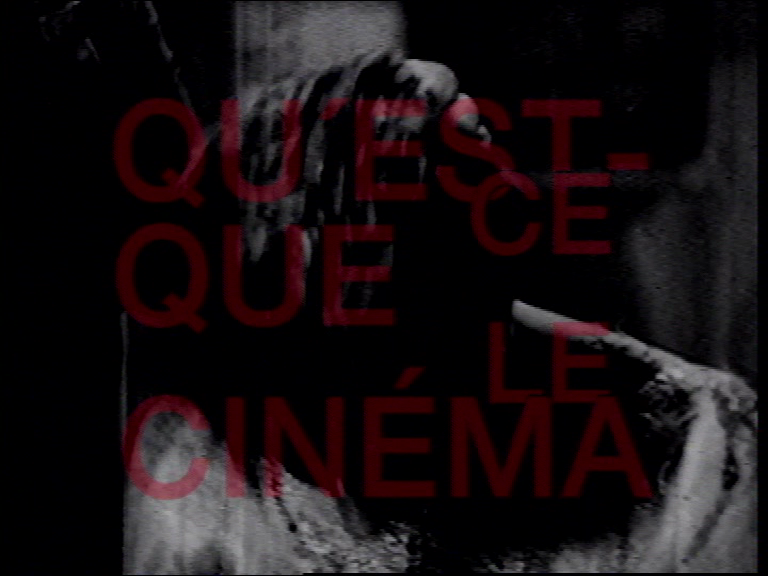
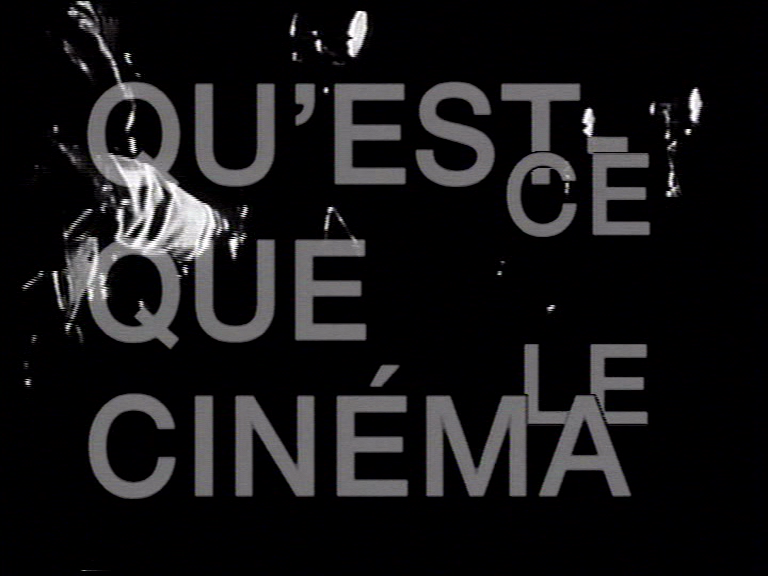
The question has changed from 'What do filmgoers want?' to 'What is cinema?' The latter question, if indissolubly Bazinian, is now also, for Godard, Griffithian. It is Godardian too, of course. In 1952 Godard had published an essay with that title, and in another offshoot of the Montreal lectures, his Histoire(s) du cinéma (1988-1998), the phrase is a leitmotif:
'Griffith said: "What is cinema? A girl and a gun". I believed in that.'
The question has changed from 'What do filmgoers want?' to 'What is cinema?' The latter question, if indissolubly Bazinian, is now also, for Godard, Griffithian. It is Godardian too, of course. In 1952 Godard had published an essay with that title, and in another offshoot of the Montreal lectures, his Histoire(s) du cinéma (1988-1998), the phrase is a leitmotif:
|
|
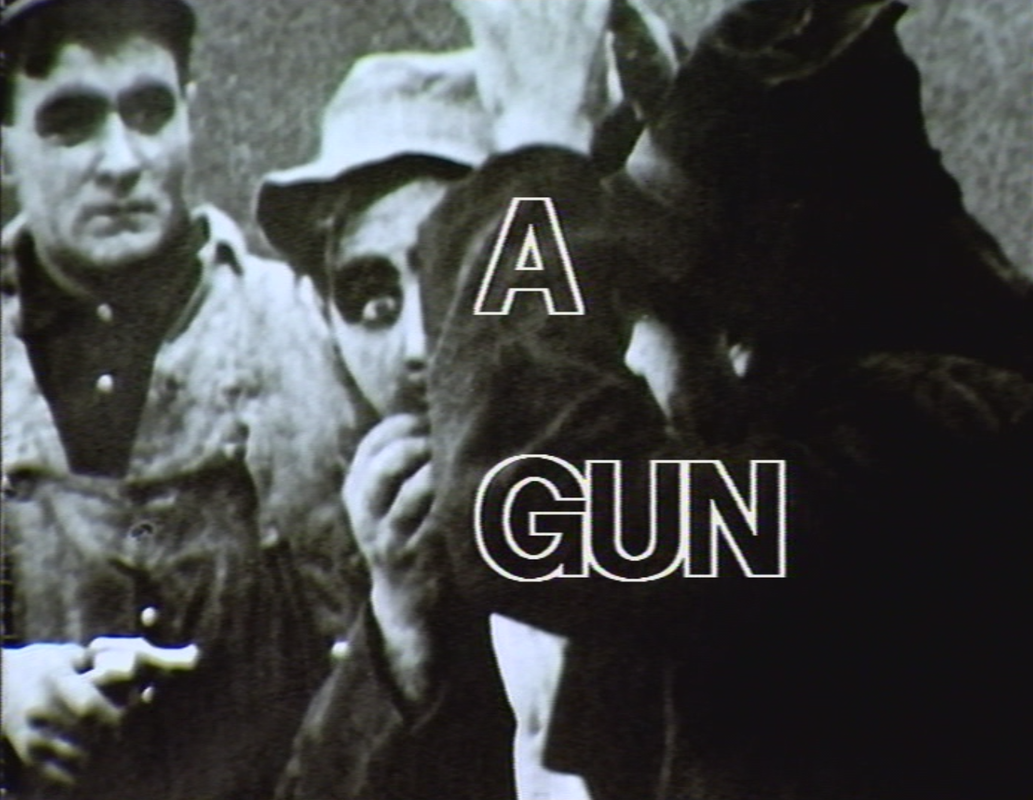
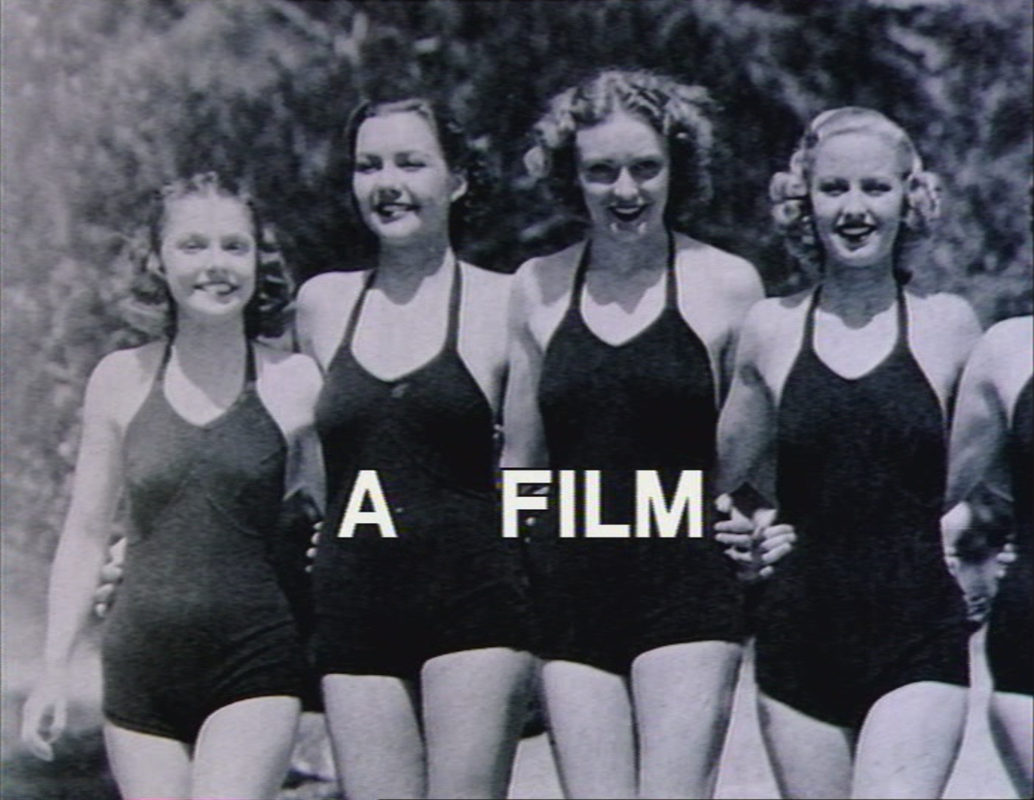
These instances are from parts 3A and 3B of Histoire(s) du cinéma. In 1A Griffith is discussed, and we find there the phrase attributed to him by Godard in 1978 as an answer to the question above. The constituent parts of the phrase appear first:
|


|
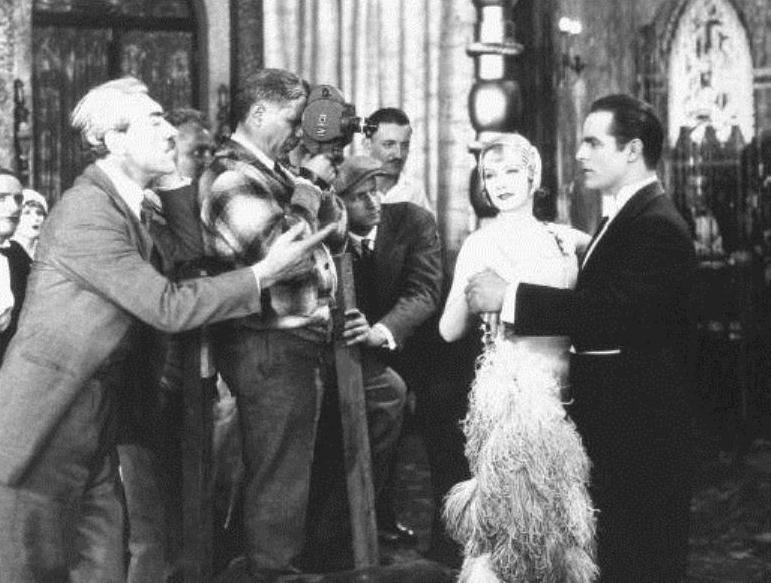
Behind 'A GUN' is an image from Griffith's 1911 film The Lonedale Operator, as if attributing the phrase ('c'est Griffith qui a dit ça'). The other three images are Chaplin with a camera, a group of unidentified women in swimwear and Mauritz Stiller directing Greta Garbo in The Temptress (1926). When the phrase first appears in complete form, it is over Stiller - note that Godard has cut Garbo out of the picture:

|
|
The photograph of Stiller directing alternates with one of Dorothy Lamour, as if she is replacing Garbo, as if a film is a gun and just any girl:

The Stiller/Lamour pairing is replaced with plain titles emphasising the 'AND' of the phrase:
|
|
|
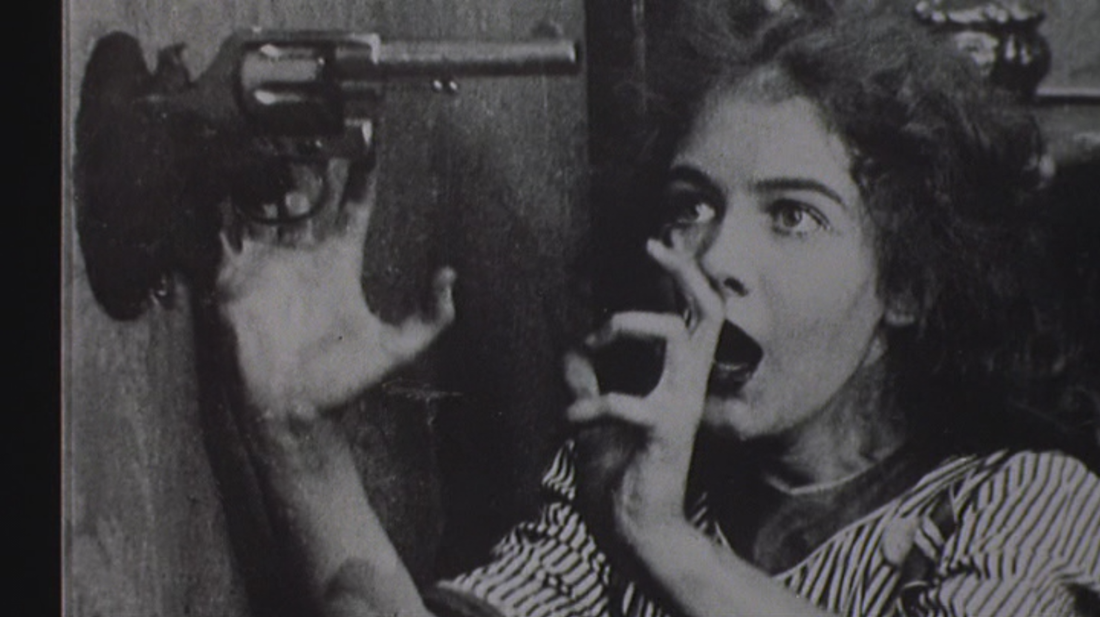
The phrase doesn't appear again, and is signed off with an image from another Griffith film, The Unseen Enemy (1912). This famous framing of the Gish sisters is reframed to isolate Lillian in close up:

|

|
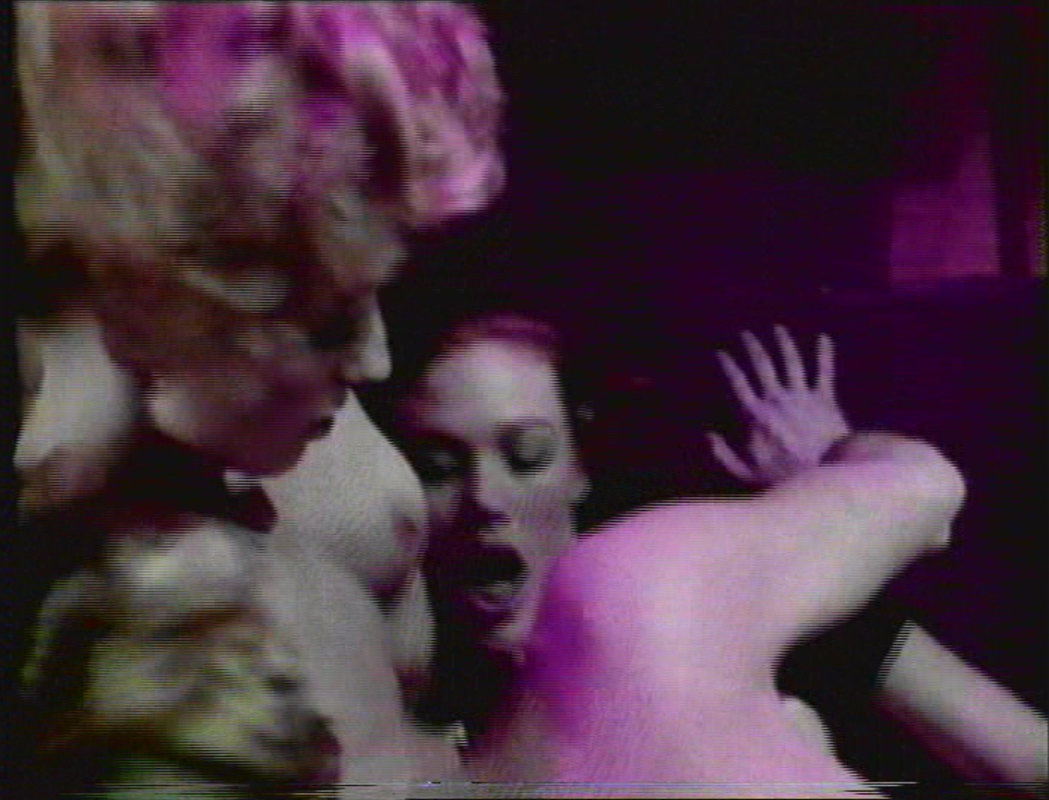
This refers to the legend that Griffith invented the close up. More obliquely, this section refers to Griffith's invention of cross-cutting by alternating the Gish sisters with an image taken from a pornographic film (unidentified, I think):

|
|
For a detailed reading of this passage, see Jean-Louis Leutrat's 'Retour sur Histoire(s), 5', in Trafic 75 (2010).
Truffaut's La Nuit américaine (1973) features both girl and gun:
Truffaut's La Nuit américaine (1973) features both girl and gun:

|

|
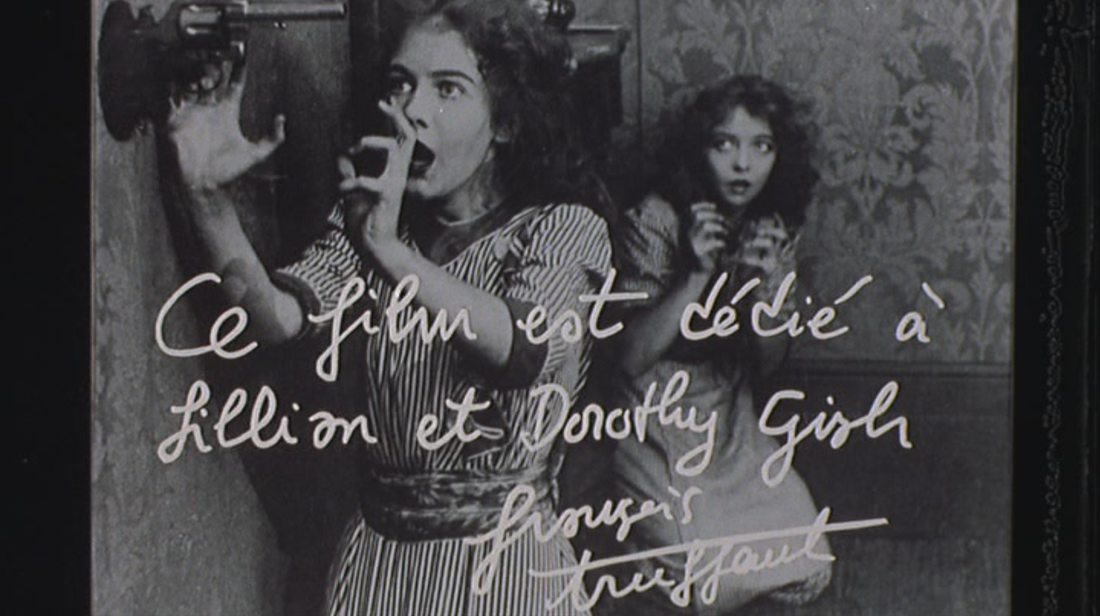
In the film's dedication Truffaut had used the image of the Gish sisters from The Unseen Enemy:
|
|
It was in 2001, in a discussion with Jacques Rancière and Charles Tesson (Cahiers du cinéma 557) that Godard reaffirmed the attribution of the phrase to Griffith rather than to himself.
The question remains: did Griffith actually say it, and if so when, and where?
The answer is yes. In volume 4 of his Histoire générale du cinéma, Georges Sadoul quotes Griffith, from an interview, on film subjects and the filmgoing public:
The question remains: did Griffith actually say it, and if so when, and where?
The answer is yes. In volume 4 of his Histoire générale du cinéma, Georges Sadoul quotes Griffith, from an interview, on film subjects and the filmgoing public:
|
Je n'entrevois avant très longtemps aucune possibilité de se lancer dans des thèmes serrant de près la réalité: le public ne le permettrait pas. Ce qu'il lui faut, c'est a gun and a girl.
I foresee no possibility of venturing into themes showing a closer view of reality for a long time to come. The public itself will not have it. What it wants is a gun and a girl. |
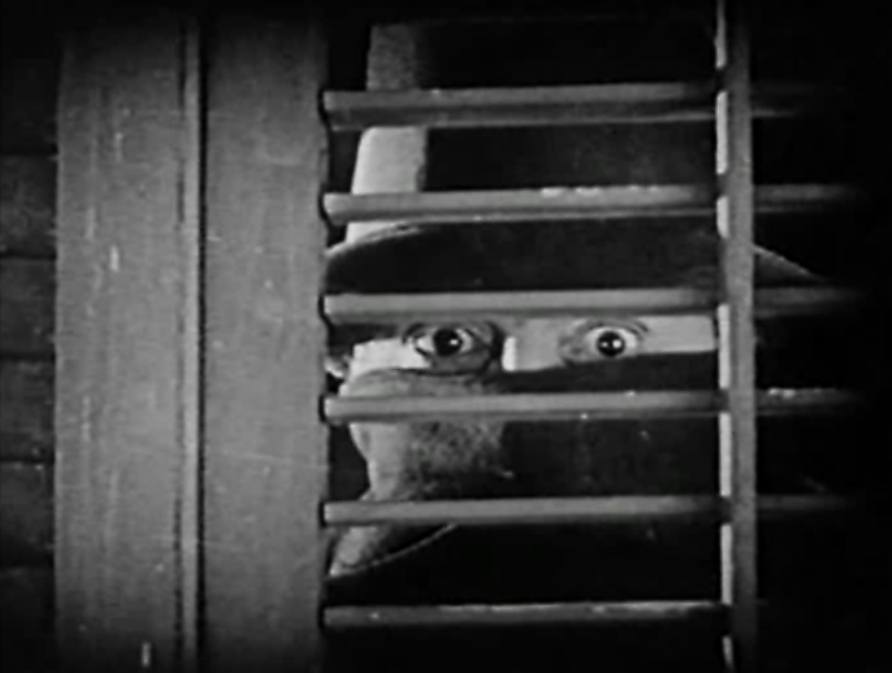
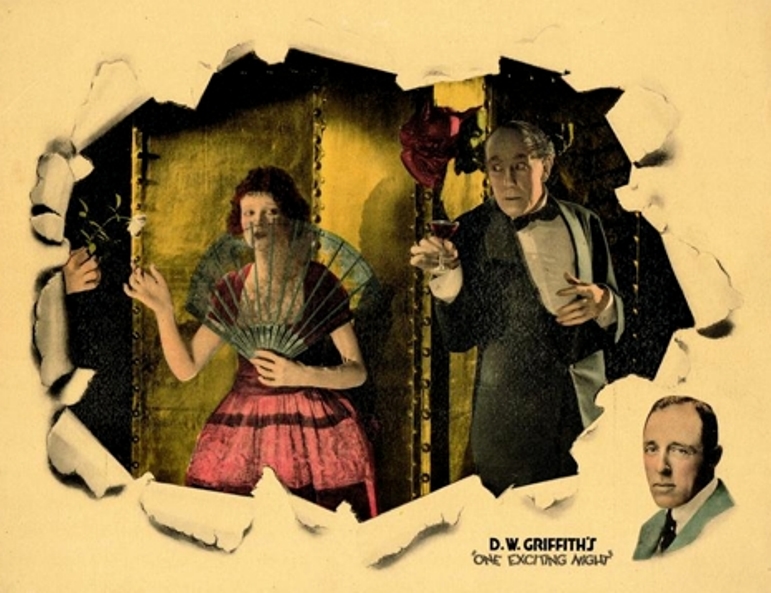
Sadoul goes on to say that Griffith resigned himself to giving the public what it wanted with the crime thriller One Exciting Night (1922):
|
|
(I haven't been able to see this film to know if there is actually a conjunction of girl and gun.)
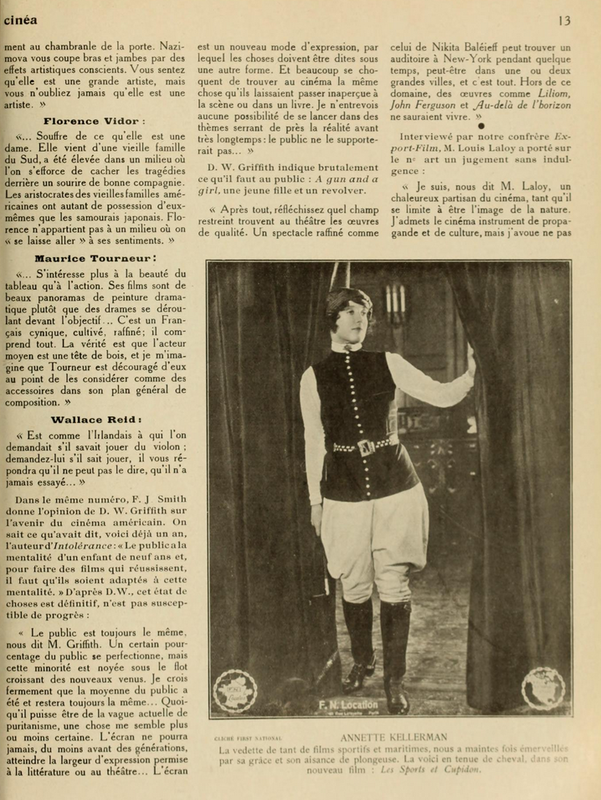
Godard could have read the phrase in Sadoul's history, then, but not until 1974, when this volume of the Histoire générale du cinéma was first published - posthumously (Sadoul died in 1967). I have looked to see if Sadoul refers to this interview in any of his earlier works (Sadoul did recycle material), but I haven't found it mentioned by him elsewhere. Sadoul's source is an issue of Delluc's film magazine Cinéa, from May 1922:
Godard could have read the phrase in Sadoul's history, then, but not until 1974, when this volume of the Histoire générale du cinéma was first published - posthumously (Sadoul died in 1967). I have looked to see if Sadoul refers to this interview in any of his earlier works (Sadoul did recycle material), but I haven't found it mentioned by him elsewhere. Sadoul's source is an issue of Delluc's film magazine Cinéa, from May 1922:

|
|
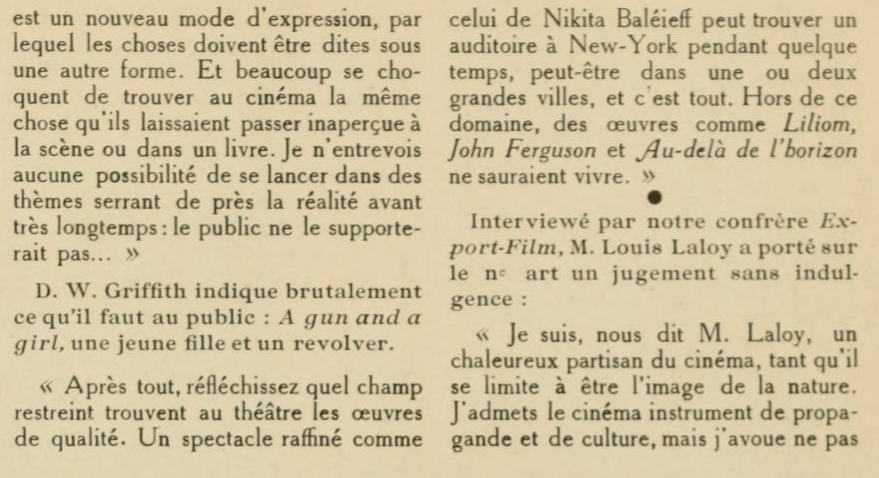
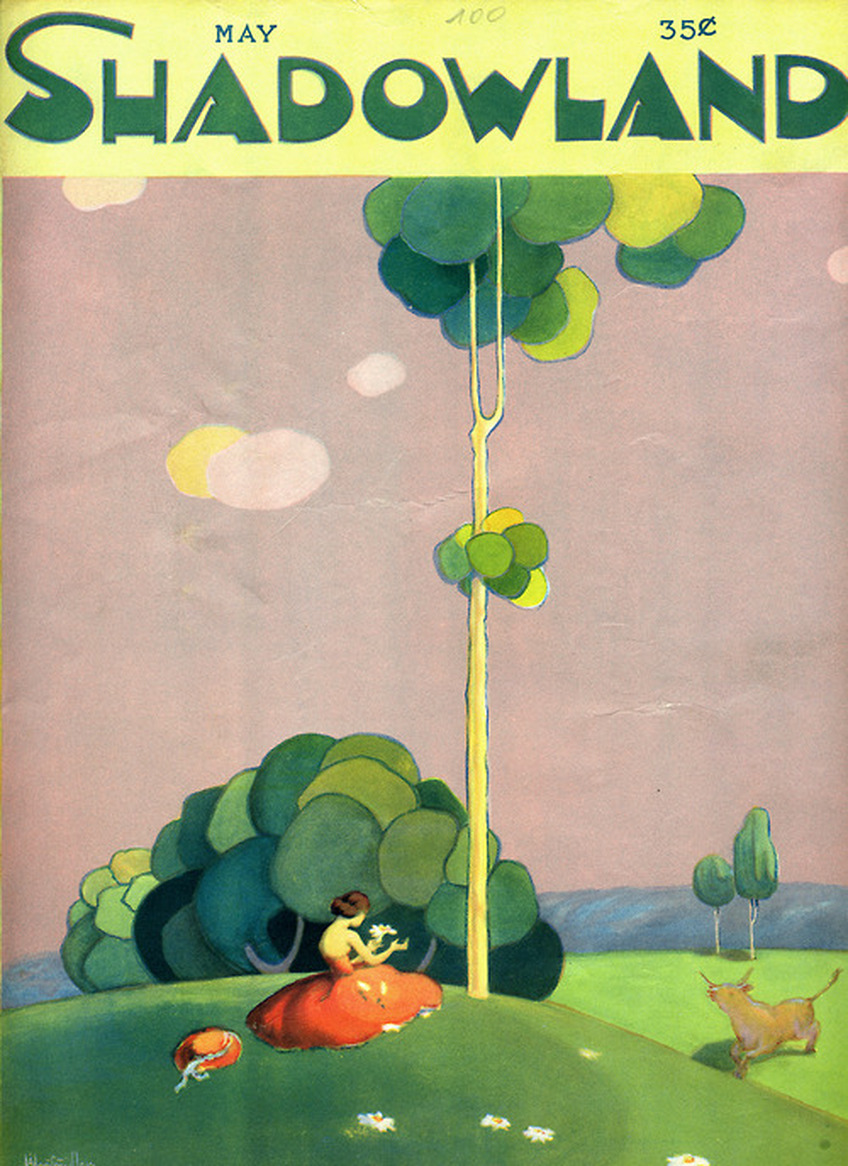
As Sadoul signals, this is a translation of parts of an interview with Griffith conducted by Frederick James Smith for the American magazine Shadowland, also May 1922. I haven't yet come across the original text of the interview to know exactly what Griffith said [update: see the end of this post for the Griffith interview], but here as compensation is the charming cover of that issue:
We could imagine that Godard found the interview with Griffith while flicking through dusty back copies of Cinéa or Shadowland in some dingy archive, but I suspect the source was some more accessible intermediary. We have established that it's probably not Sadoul, but the phrase was well-known to others. René Clair uses it in a speech on the Art of Cinema given in Geneva in 1967:
|
The public's tastes change but what attracts it most often is what our master D.W. Griffith defined thus, more than forty years ago: 'A girl and a gun', that is, eroticism and violence.
|
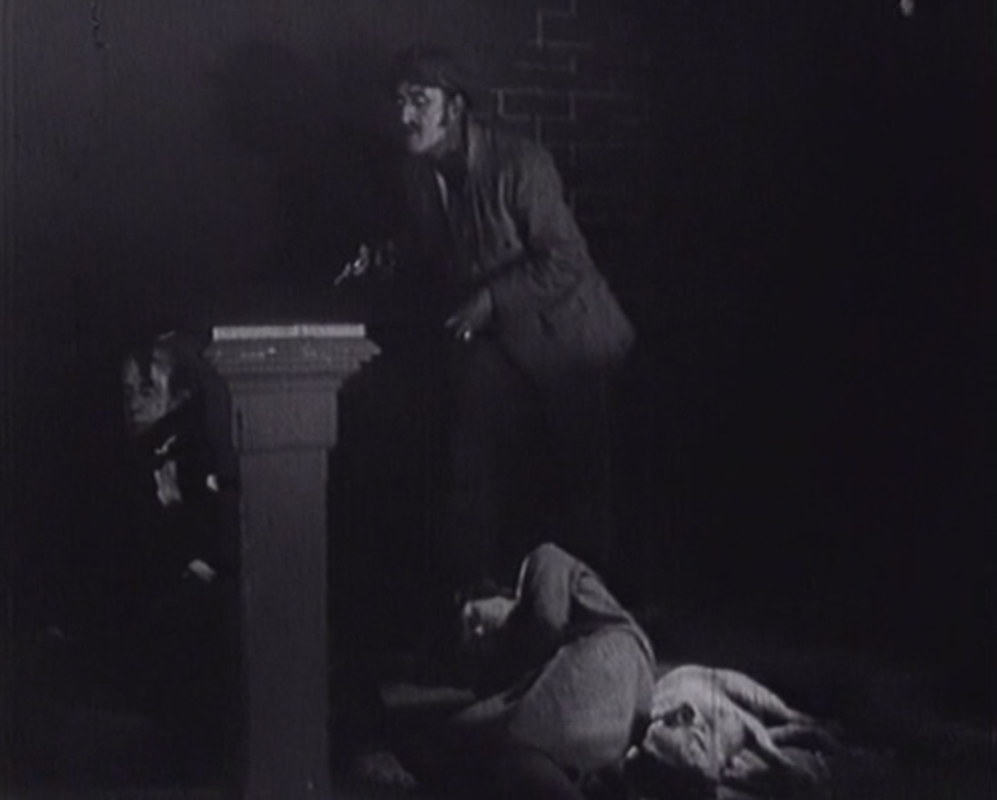
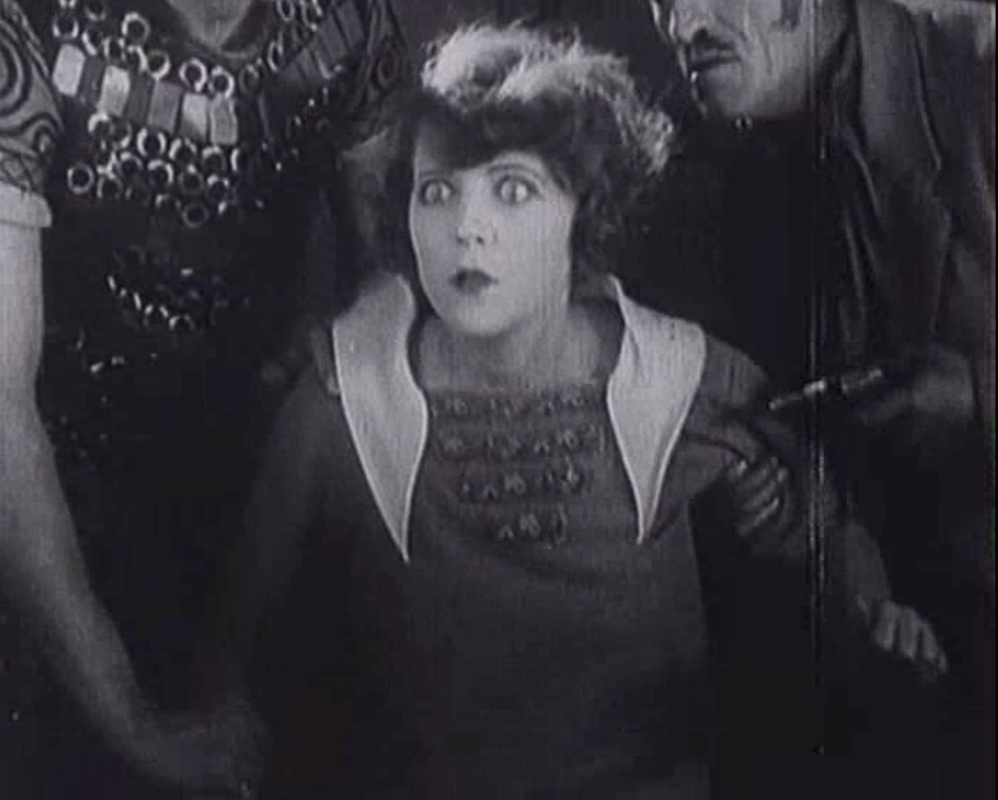
Clair featured girls and guns in his films from the outset. Here, from 1926, is Dolly Davis in Le Voyage Imaginaire:
|
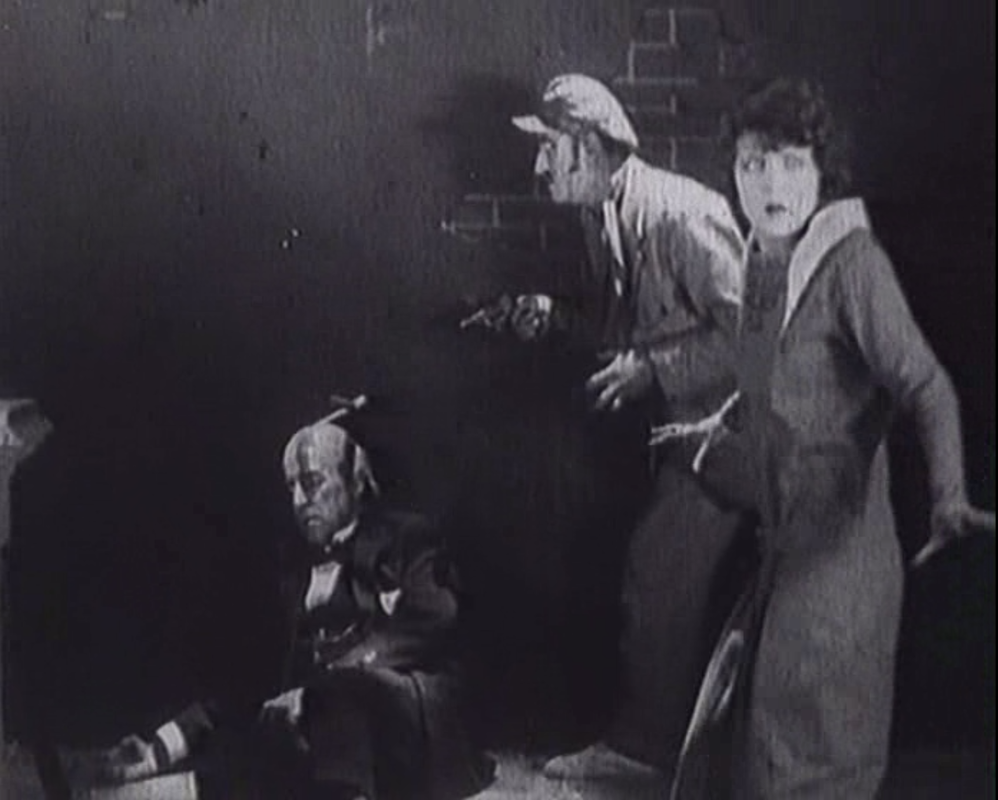
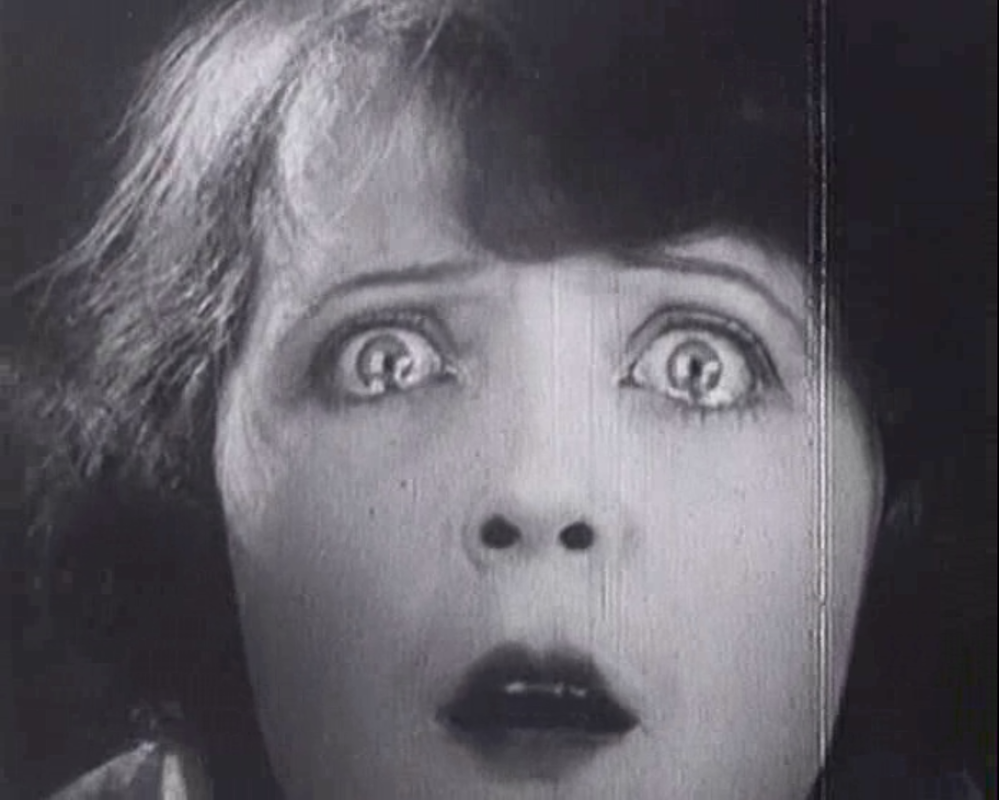
|
And this is Sandra Milovanoff in La Proie du vent (1927):
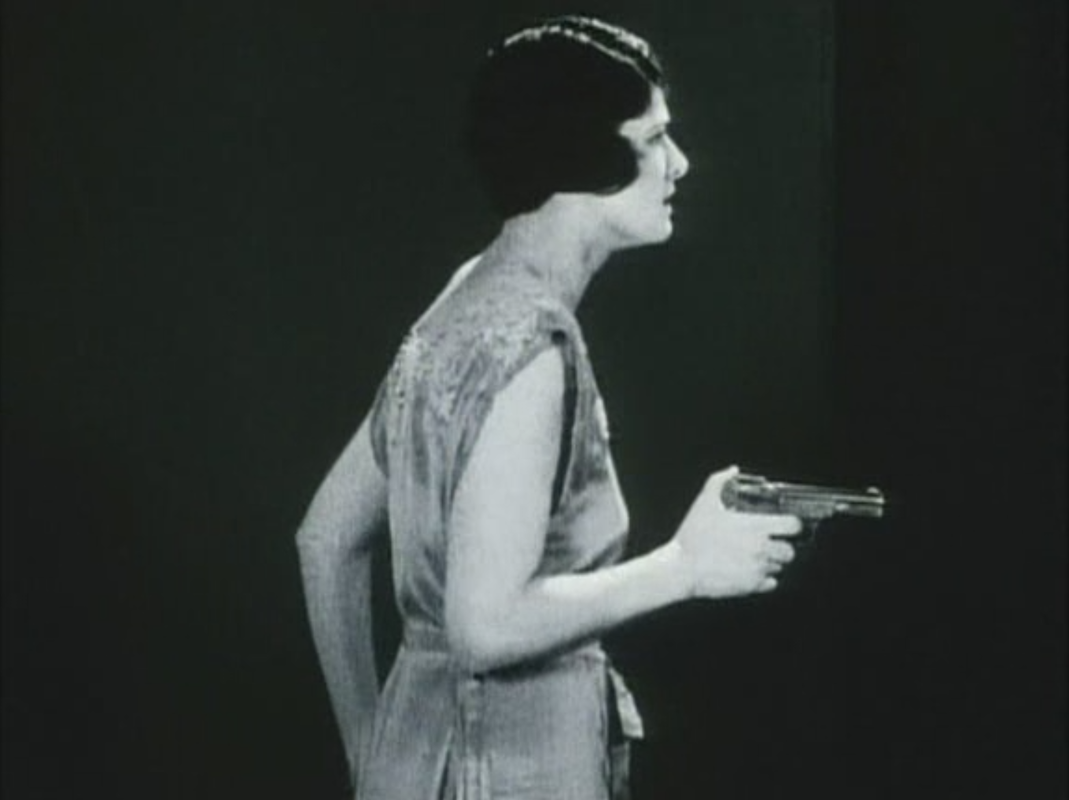
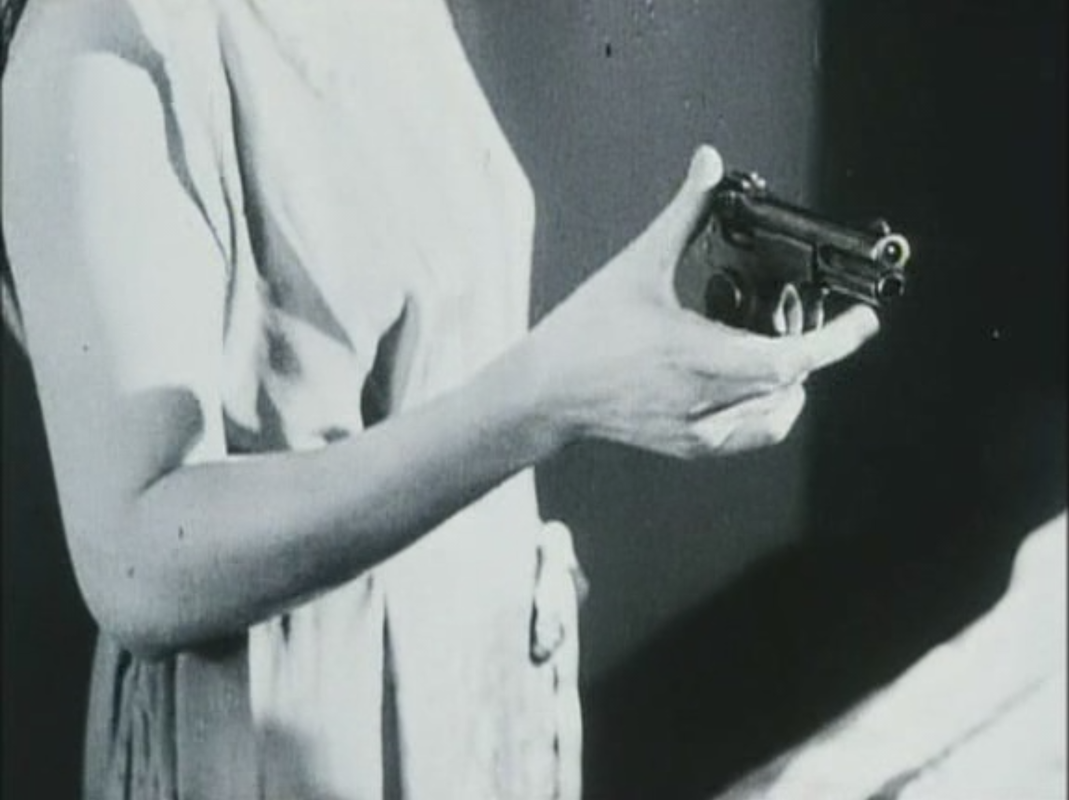
|
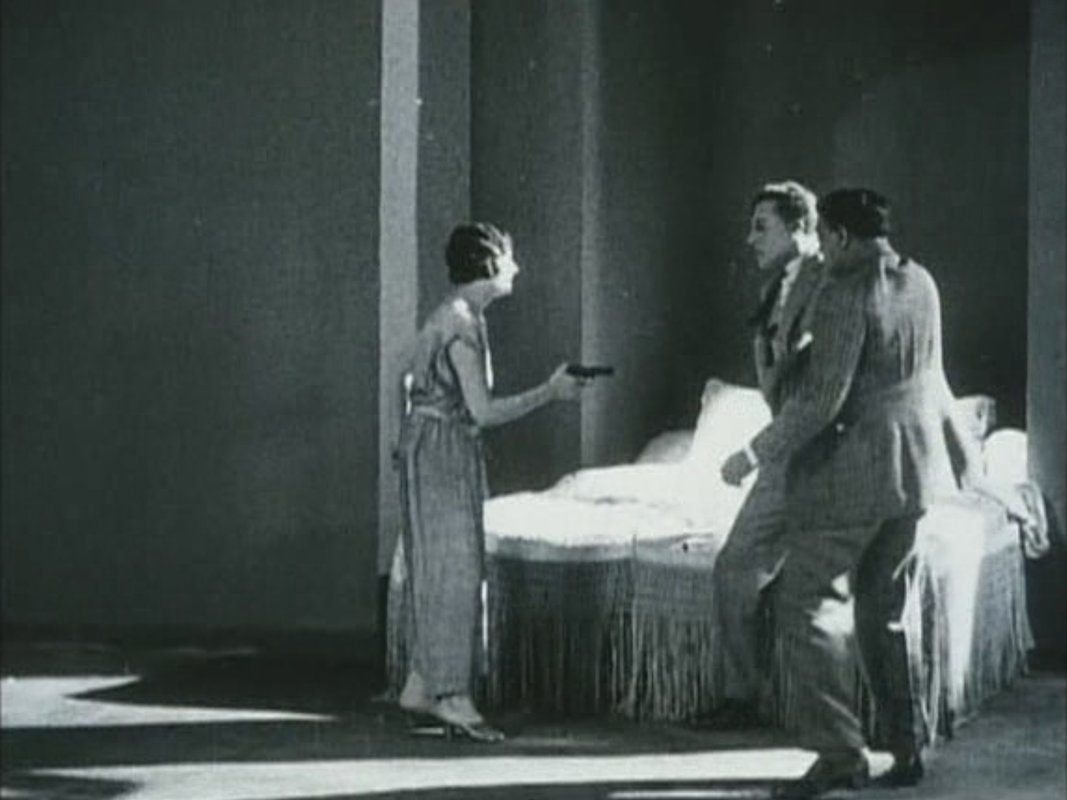
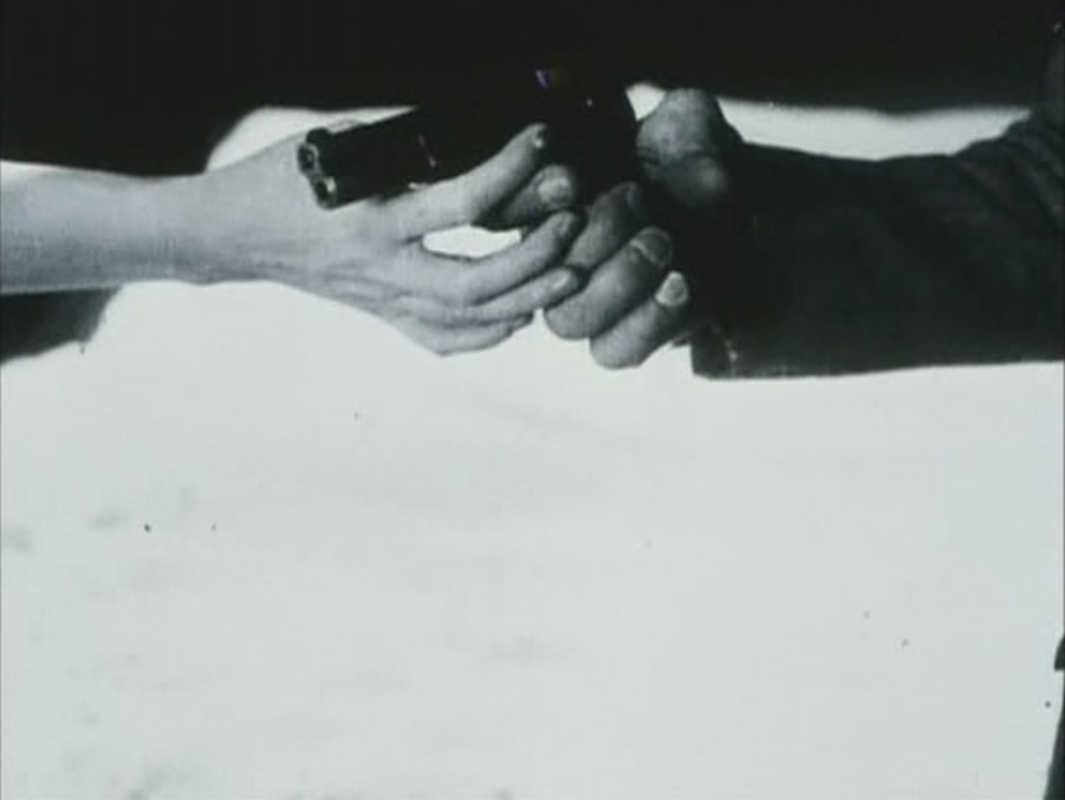
|
But the best 'girl and a gun' combination in Clair's oeuvre is a film he conceived but didn't direct, Augusto Genina's Prix de beauté (1930) - Louise Brooks is the girl:

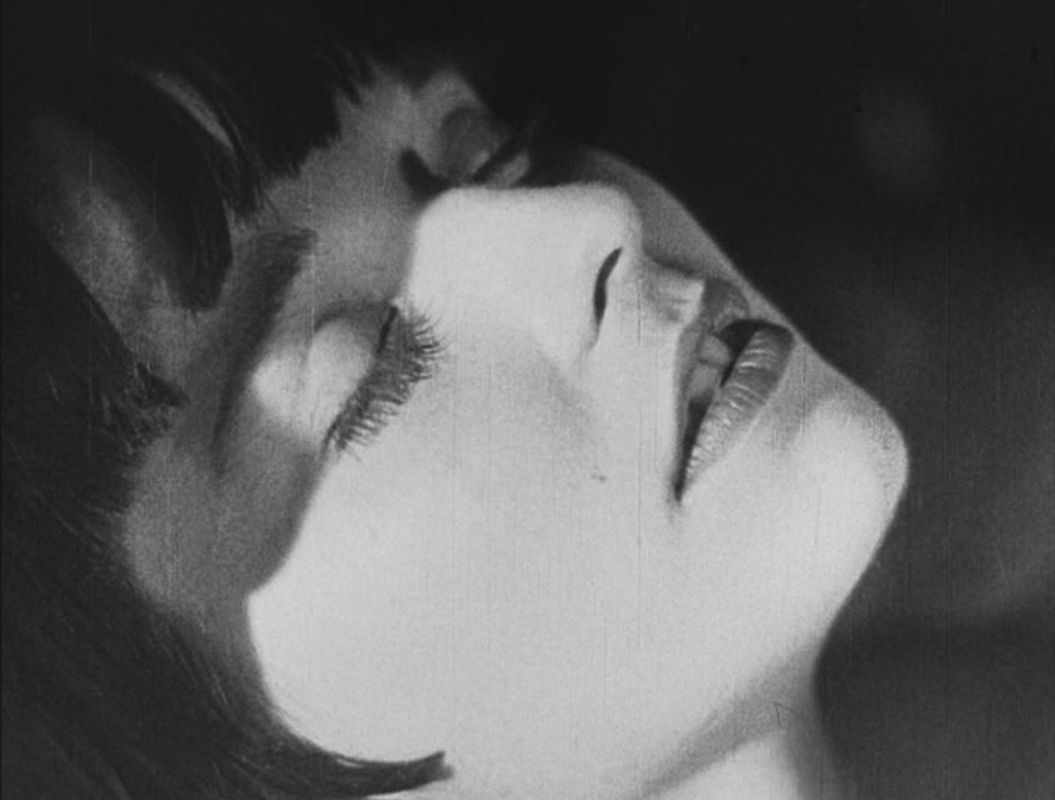
|
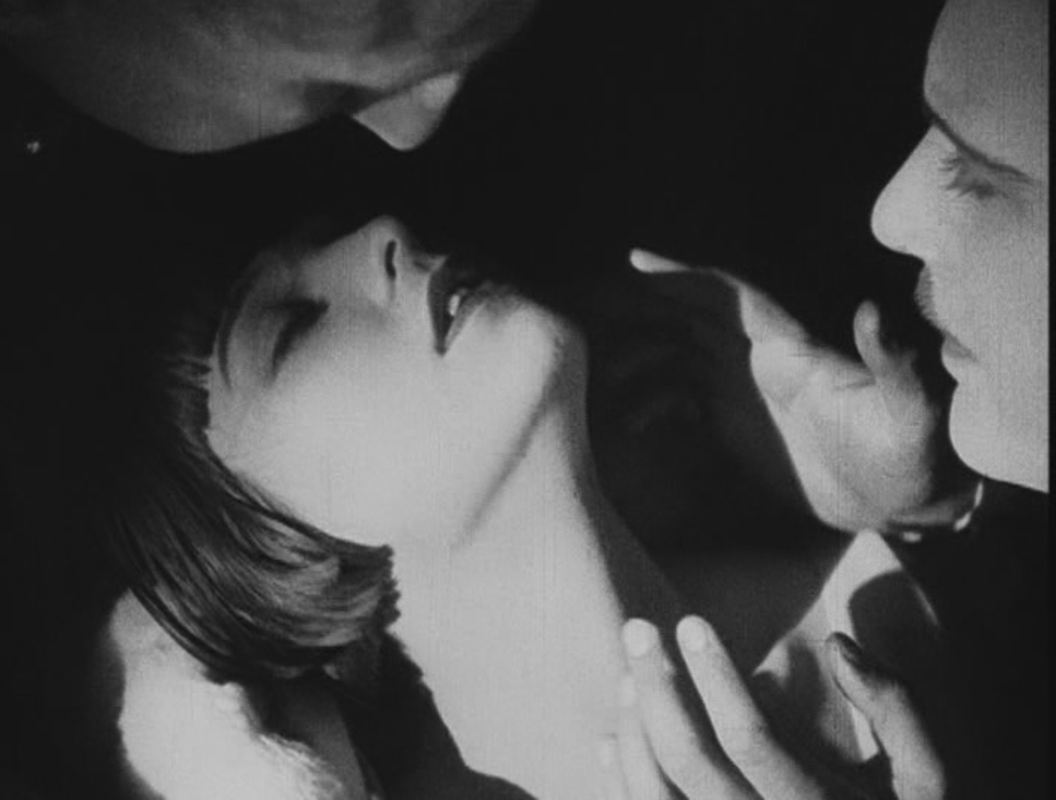
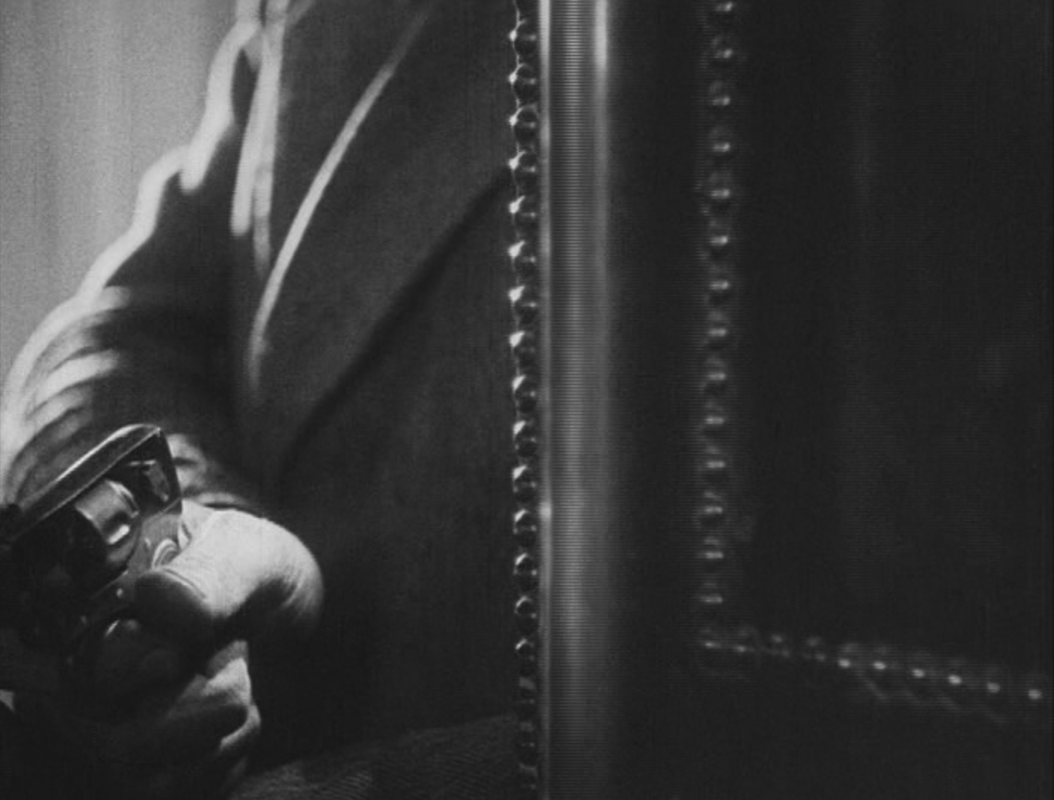
|
Here is a later instance, Dany Carrel in Clair's Porte des Lilas (1957):
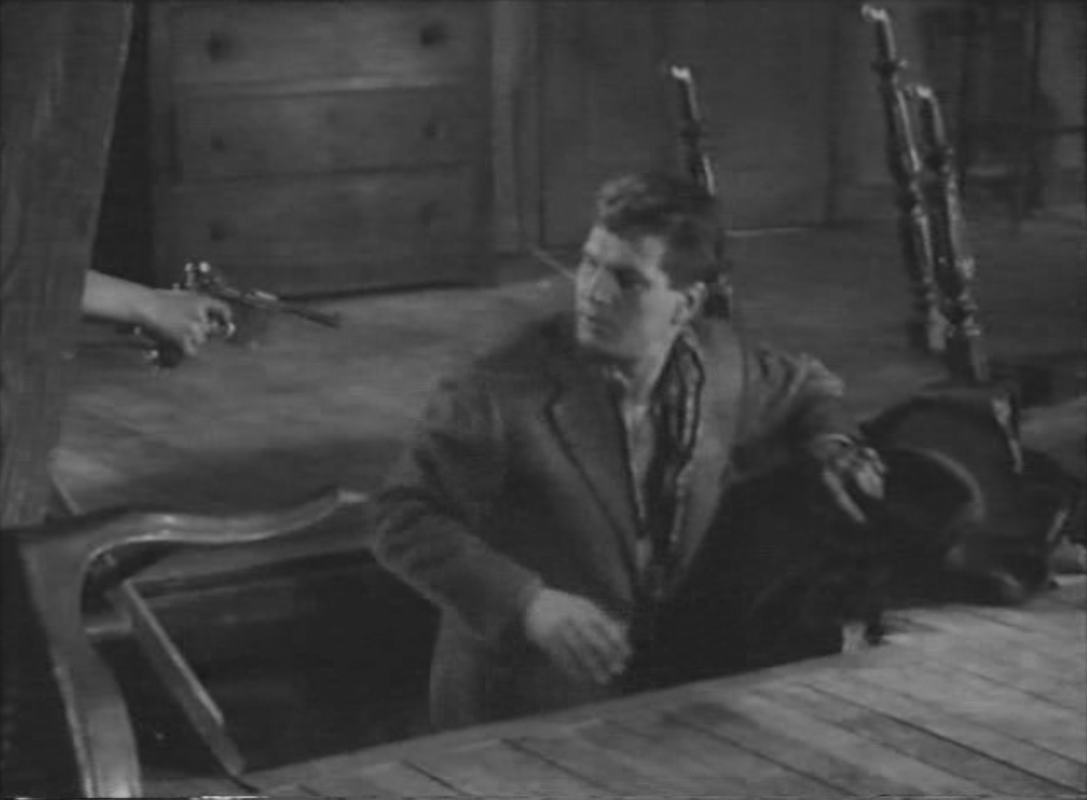
|
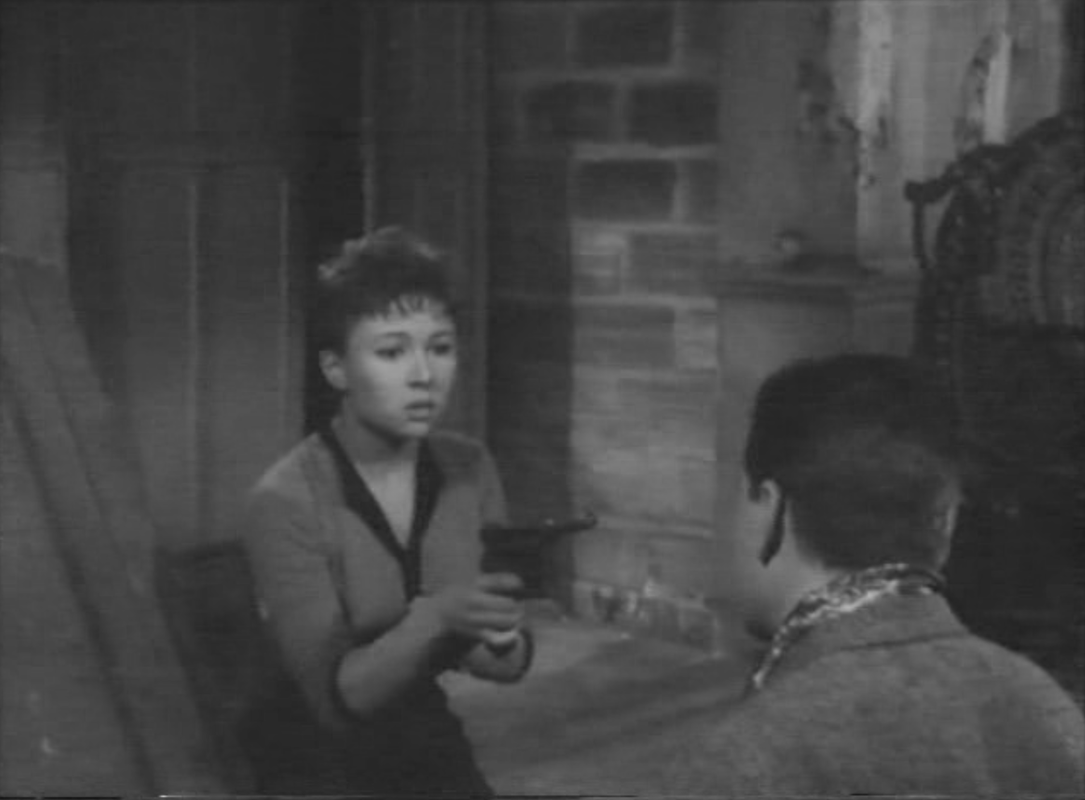
|
Clair uses the phrase again in his 1970 book Cinéma d'hier, cinéma d'aujourd'hui. He might have got it from Godard's 1964 publicity spread, but I don't think so. Perhaps he is drawing on his memories as a 23-year-old cinephile reading the latest issue of Cinéa or Shadowland, or perhaps there was a publication, sometime in the '50s say, that put the Griffith interview back into circulation but which hasn't yet been digitised for Gallica, Google Books or the Internet Archive (my usual sources).
If I find the missing link I'll update this post, and If I get hold of the English text of Griffith's interview I'll add it.
UPDATES:
If Clair is Godard's source, this is the most likely missing link, Clair's response to a questionnaire on censorship and eroticism, for a special issue on love (Cahiers du Cinéma 42, décembre 1954), p.54:
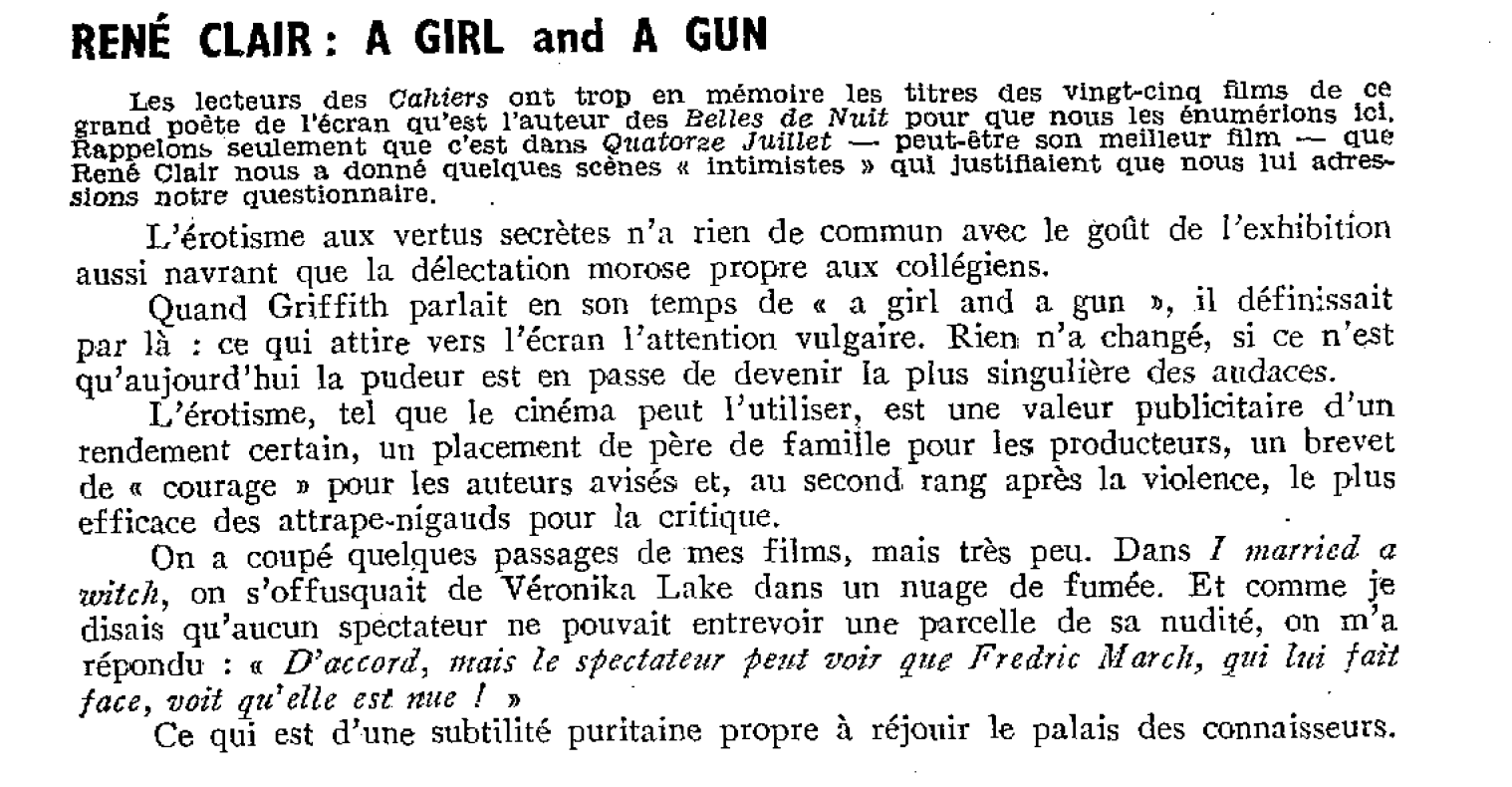
When Griffith spoke of 'a girl and a gun', he was defining what it was that drew vulgar attention to the screen.
A strong candidate for the role of intermediary is the Belgian photographer and poet Paul Nougé (1895-1967), who referrred to Griffith's comment in his 'Introduction au cinéma', a lecture given in 1925 in Brussels, published in 1955 in the journal Les Lèvres nues and again in his book Histoire de ne pas rire (1956). Here is the context in which he used the phrase, from the 1980 republication of the book (p.35):
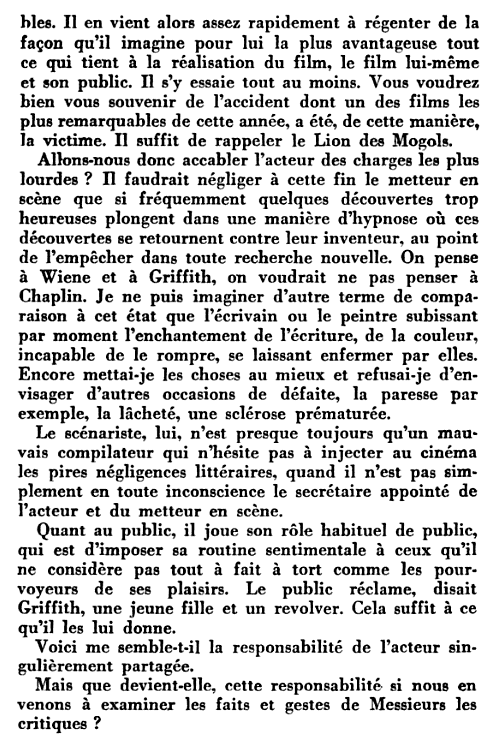
'As for the public, it plays its usual role, which is to impose its sentimental routine on those whom it considers, not entirely wrongly, to be its suppliers of pleasure. The public demands, said Griffith, a girl and a gun. That is enough to ensure that it gets them.'
Godard might have read this in the 1956 book and remembered it when he was publicising Bande à part in 1964.
Here are two examples of Nougé's work as a photographer:
Godard might have read this in the 1956 book and remembered it when he was publicising Bande à part in 1964.
Here are two examples of Nougé's work as a photographer:
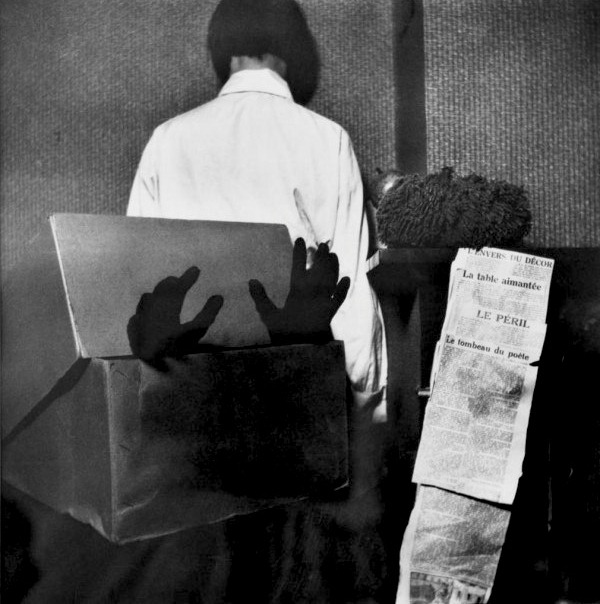
|
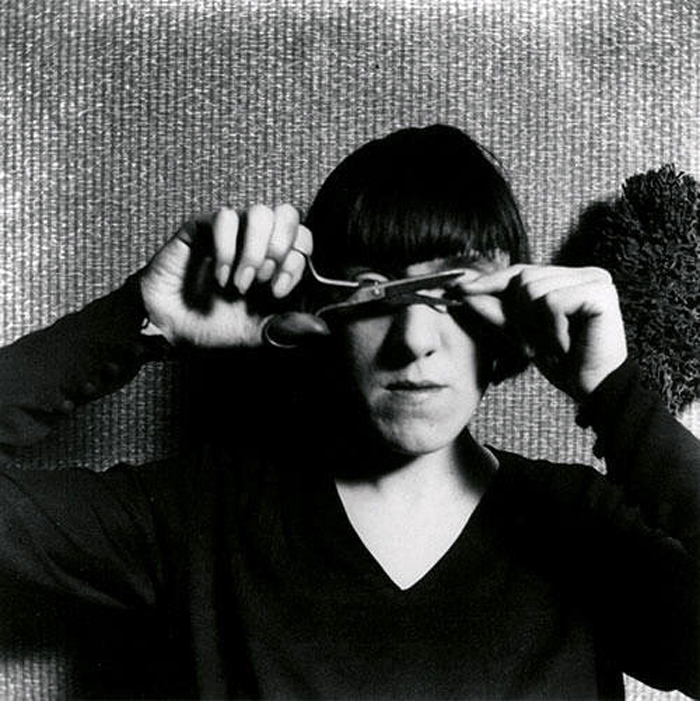
|

Thanks to the efforts of James Prochnik, I have obtained a copy of the text in which Sadoul and others found Griffith's remark. The interview is very illuminating, and can be read in full here. The section that concerns us is particularly interesting because it points to an earlier moment when Griffith made the remark:
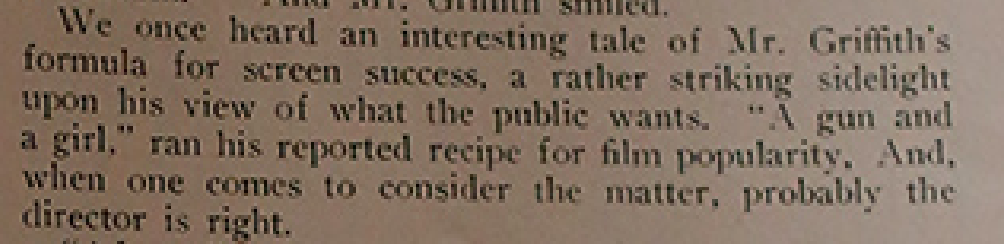
It goes without saying that I should like to know when Griffith first proposed this recipe for film popularity. It may take a while, but further updates will follow.
|
footnote
Gustav Deutsch's 2009 archival piece Film ist a Girl & a Gun juxtaposes women and firearms through montage but only twice shows them combined in the same shot. The first is Dickson's 1894 film of Annie Oakley, the second I do not recognise:
|
|