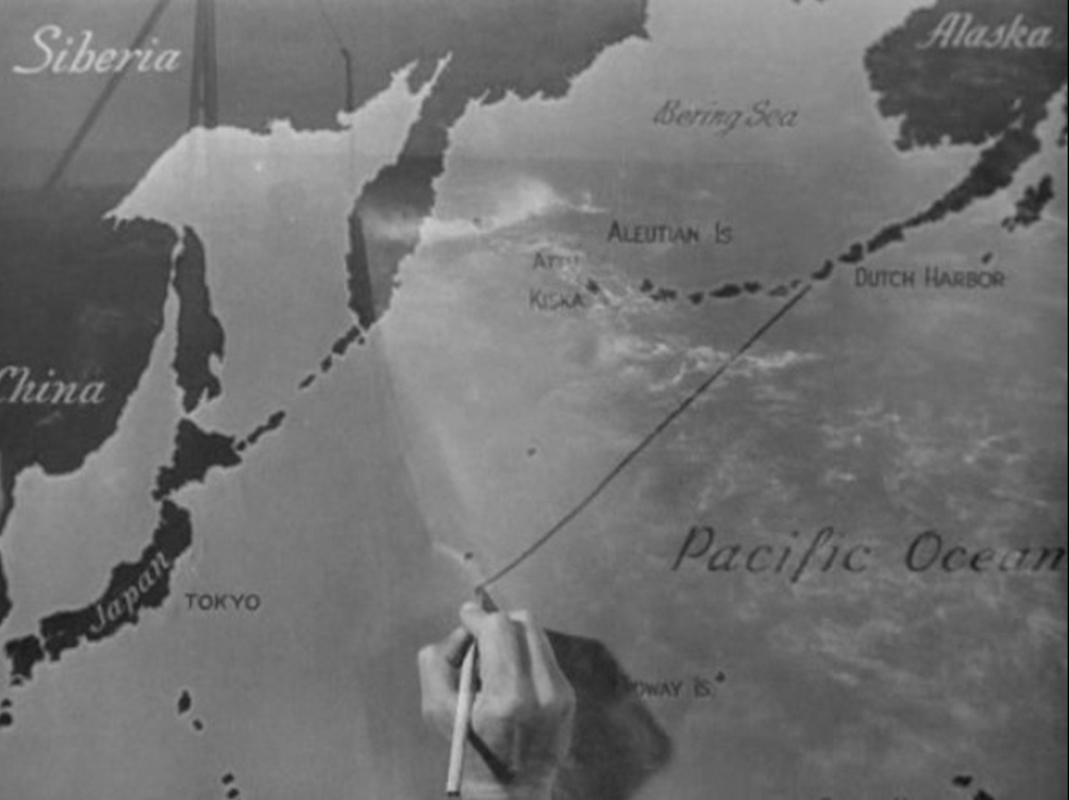
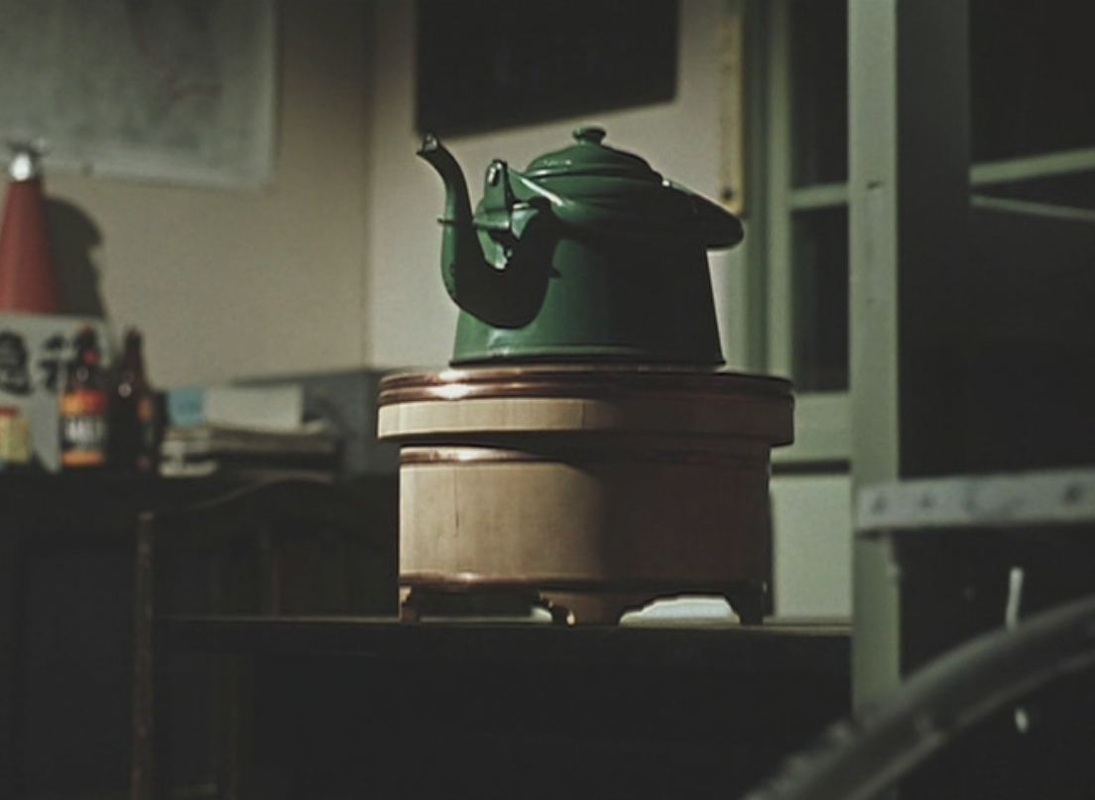
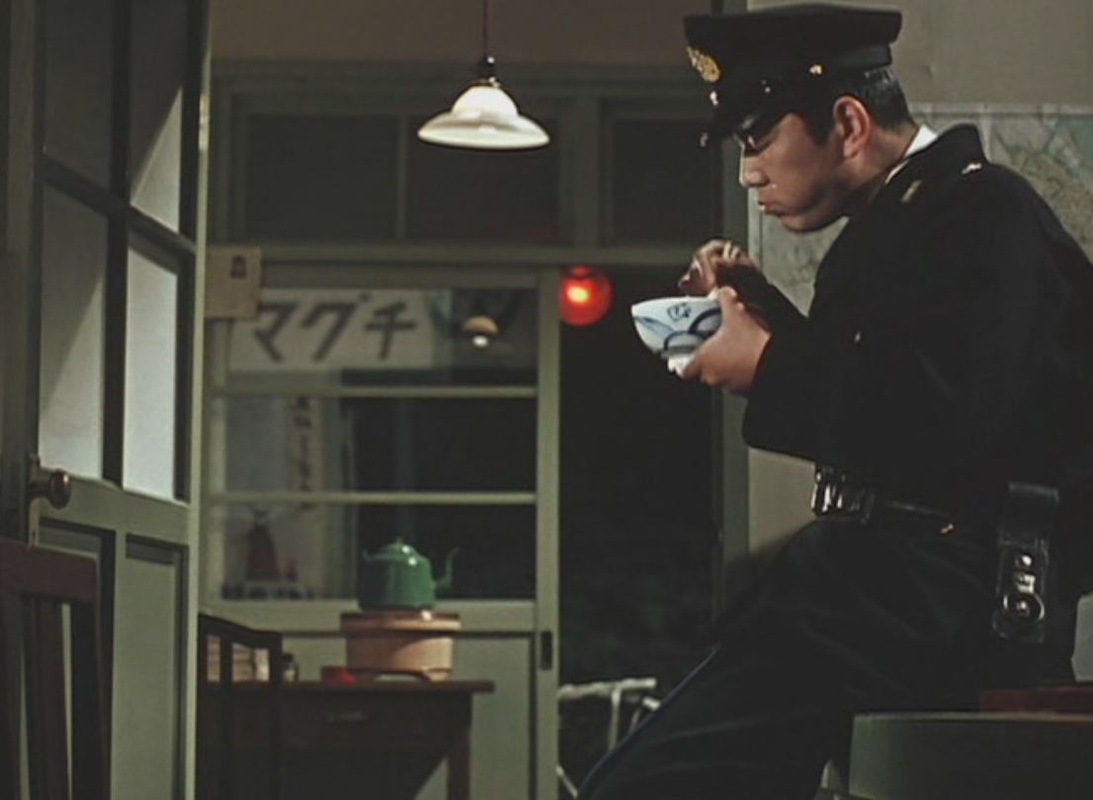
  A beautiful film, entirely uninterested in the one map it shows, but a beautiful film - and also a very nice kettle.
(With thanks to Moë.) 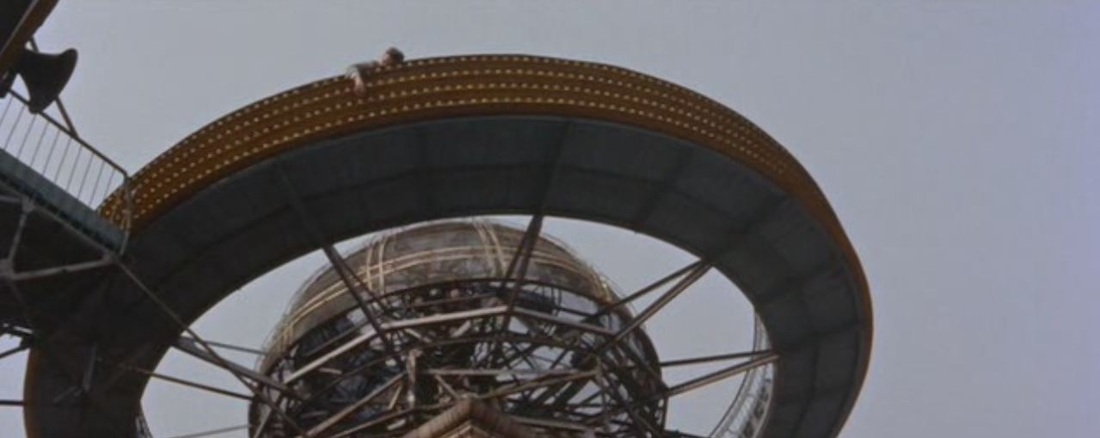 A plot premise of House of Bamboo is the cooperation of Tokyo police and U.S. military in the investigation of a crime. The offices of each set of investigators are returned to regularly in the film, and each space has its own maps of the Tokyo area: 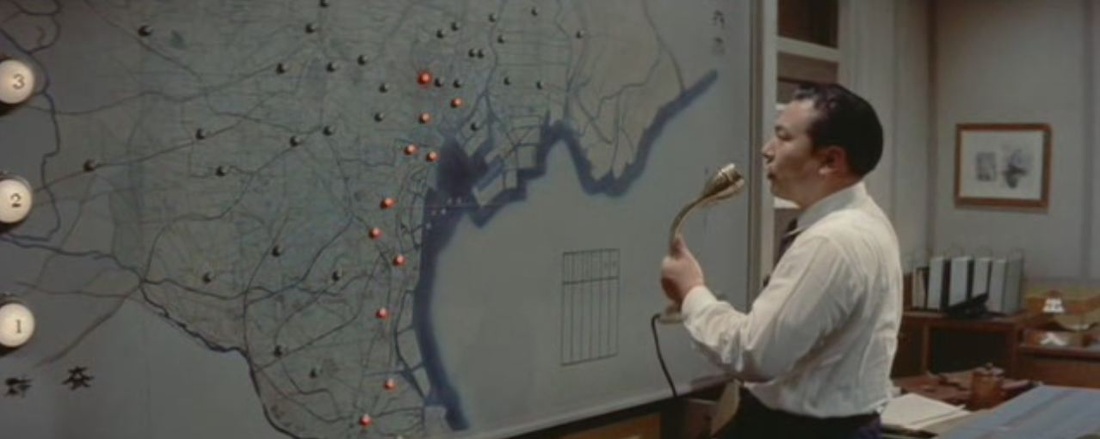 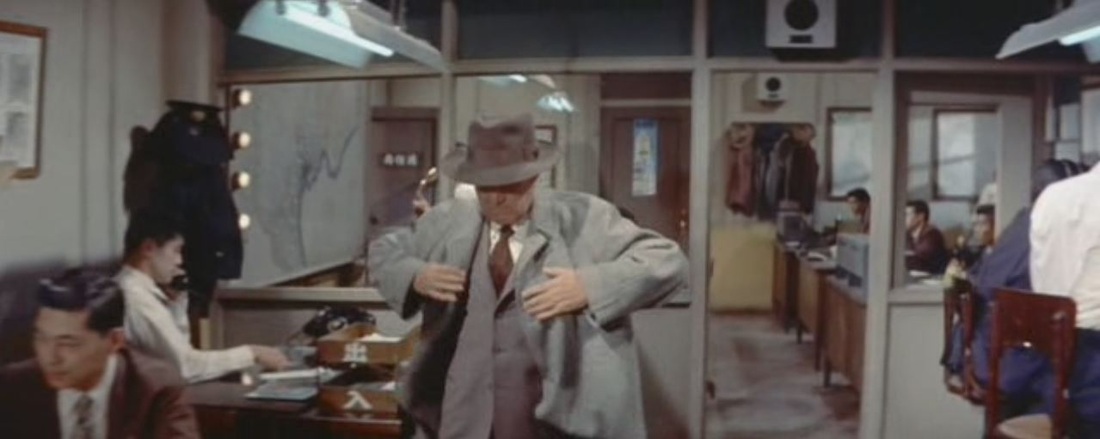 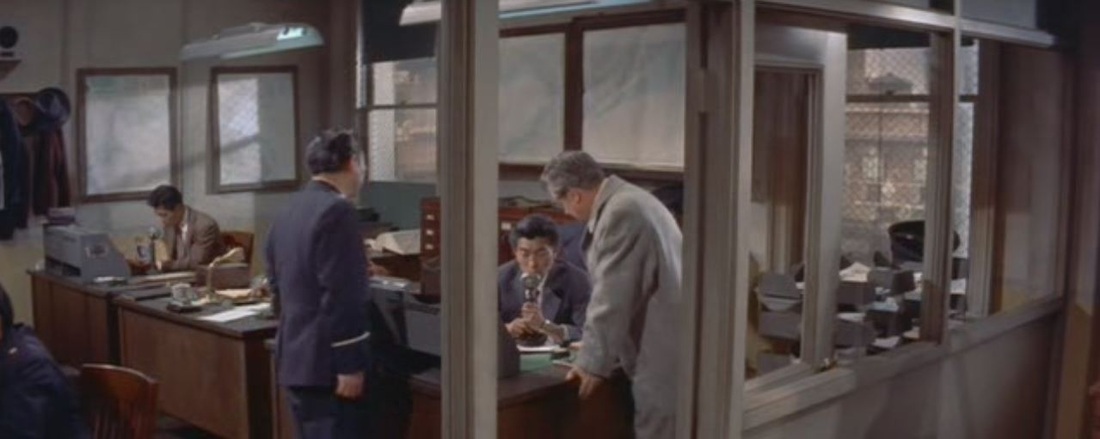 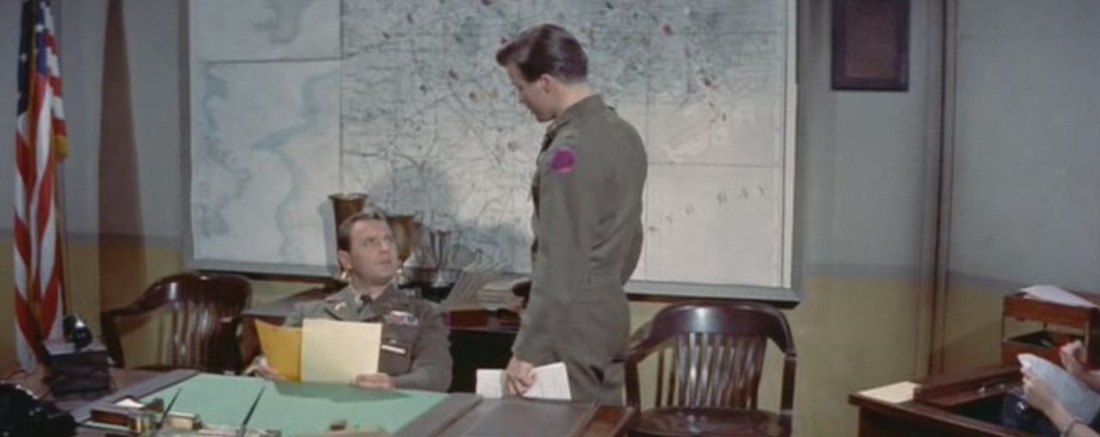 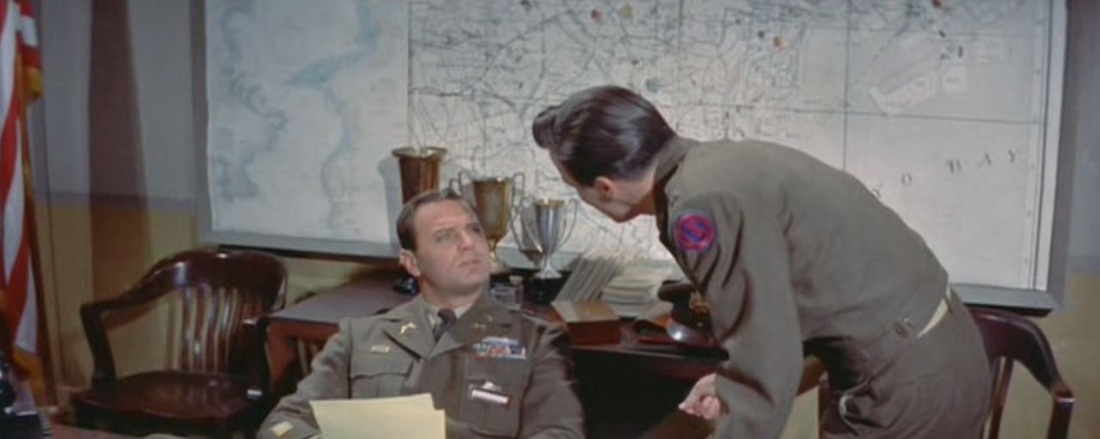 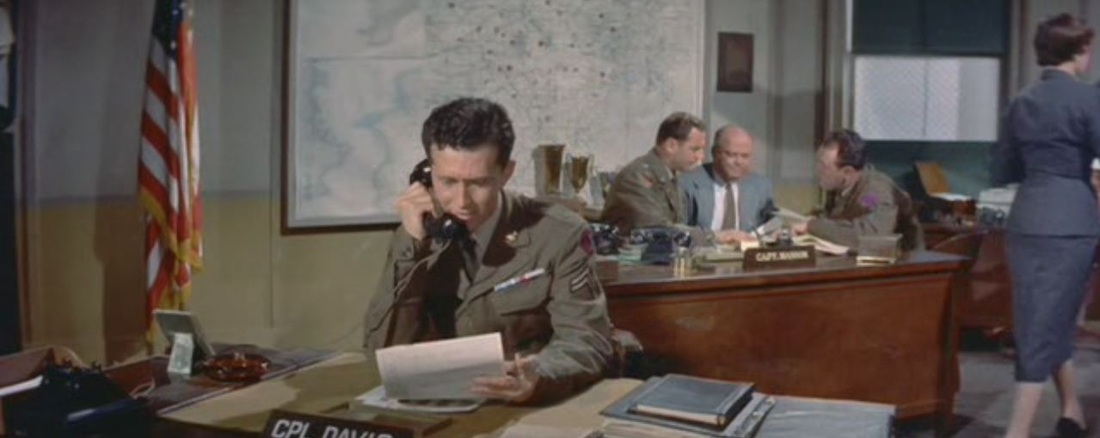 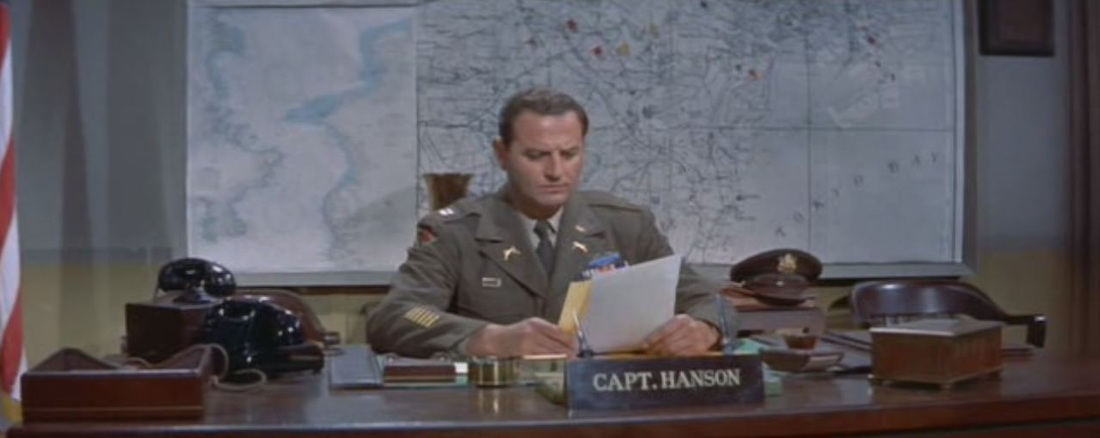 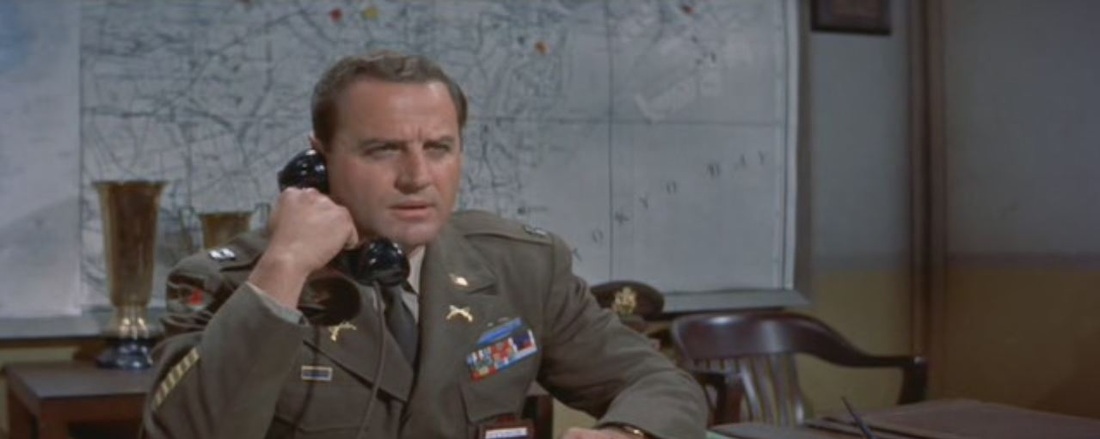 Parallels are drawn with the criminals responsible, who are shown planning a robbery with military meticulousness and maps (the gang is made up of former U.S. servicemen): 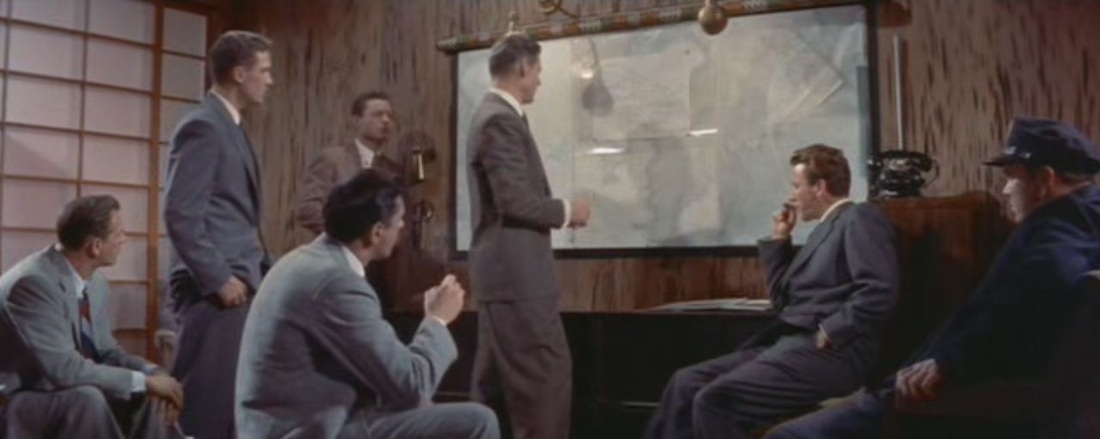 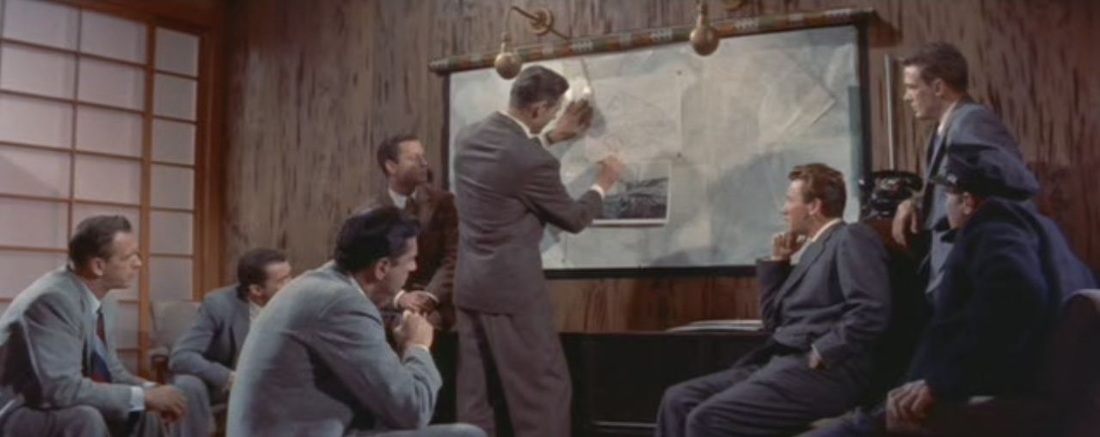 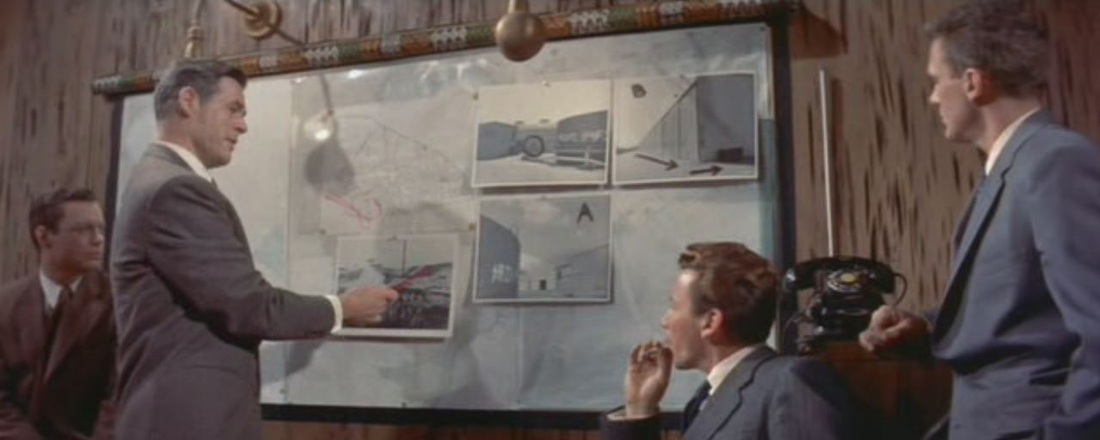 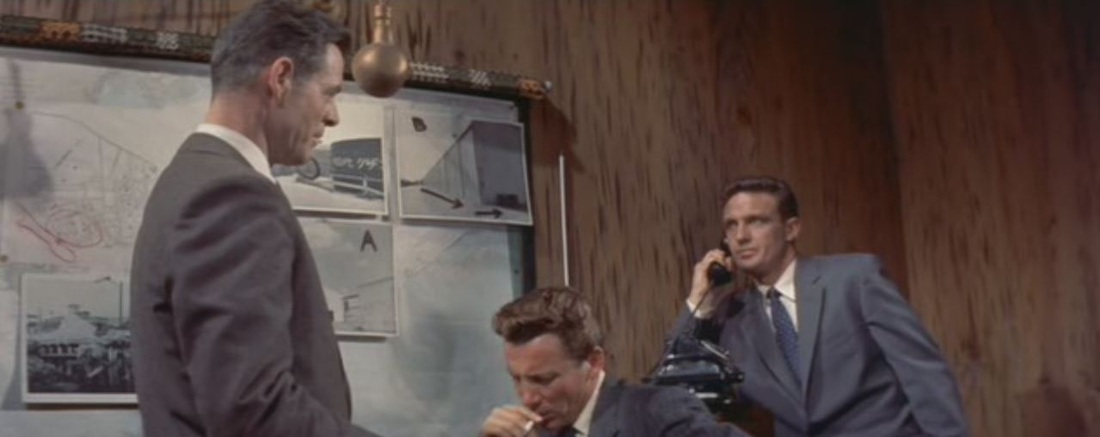 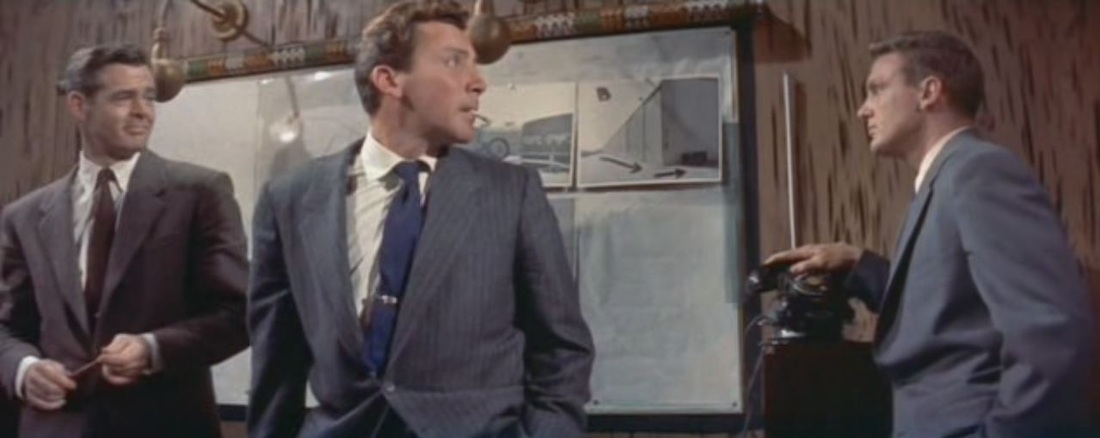 Later, the same criminals are ahown planning a further robbery in the Ginza district by means of this improvised map: 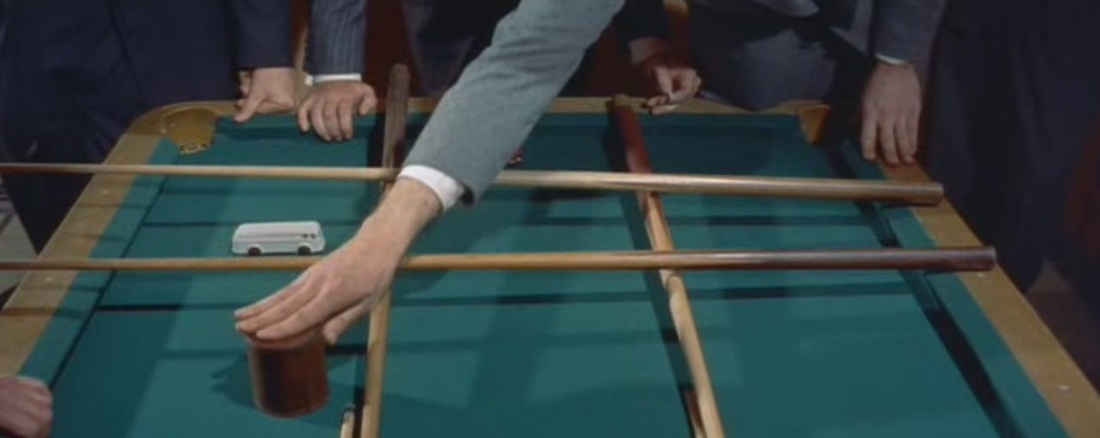 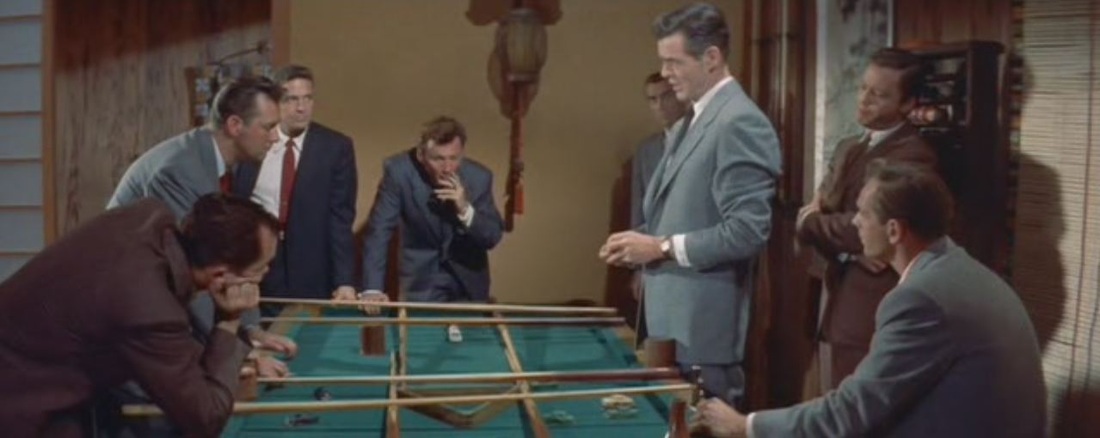 This plan is transcribed by an undercover police agent, and his hand-drawn map is passed to the U.S. military investigators: 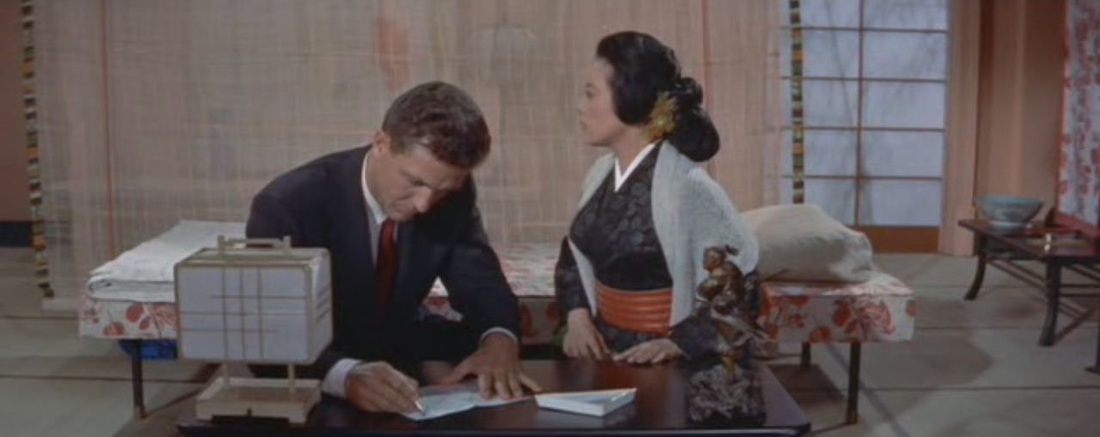 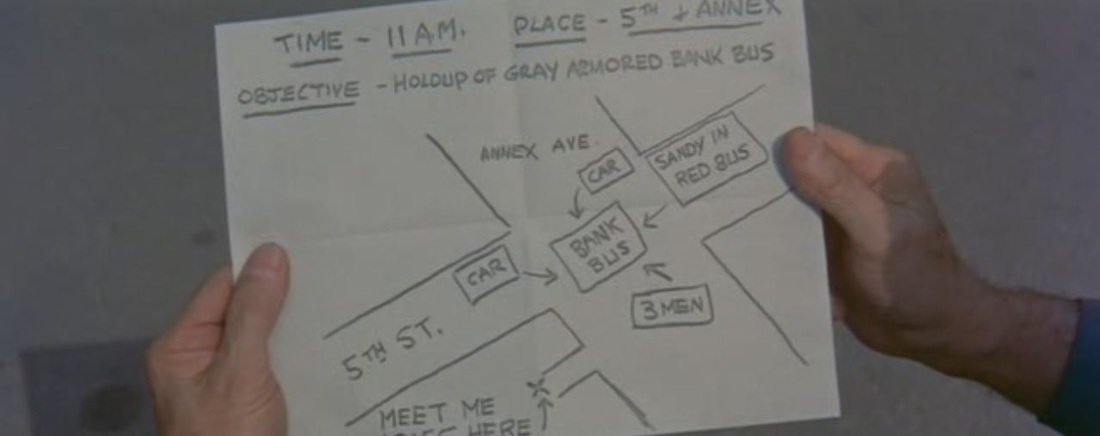 The film's famous climax at a rooftop amusement park overlooking Tokyo features a turning globe as attraction, combining overt cartographic symbolism with intertextual echoes of The Third Man and White Heat ('Top of of the world, Ma'): 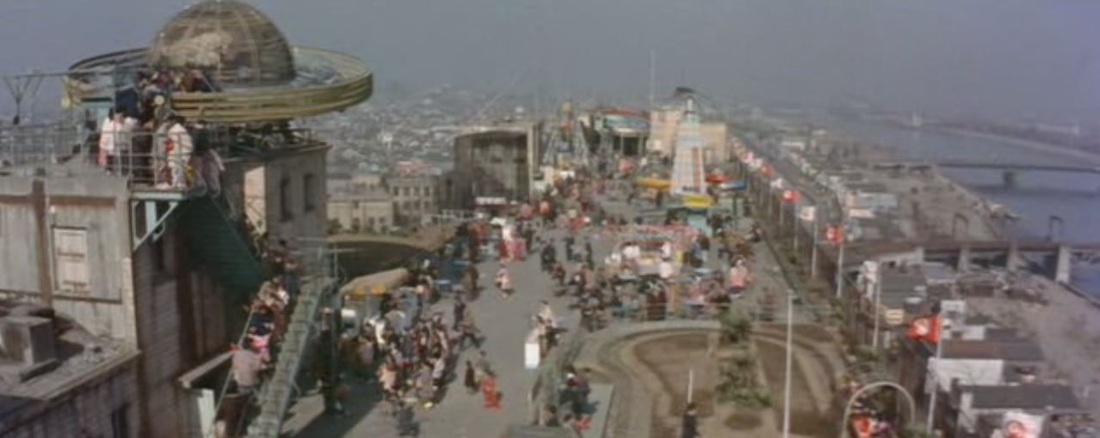 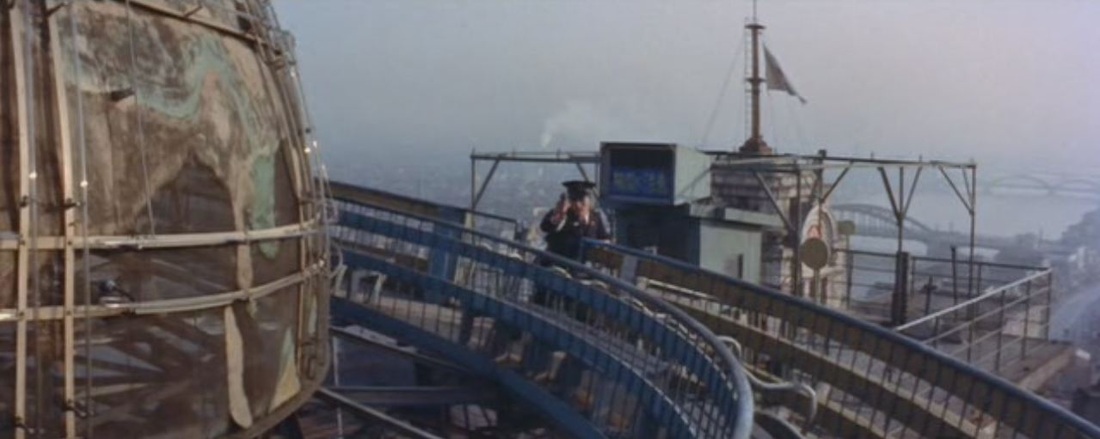 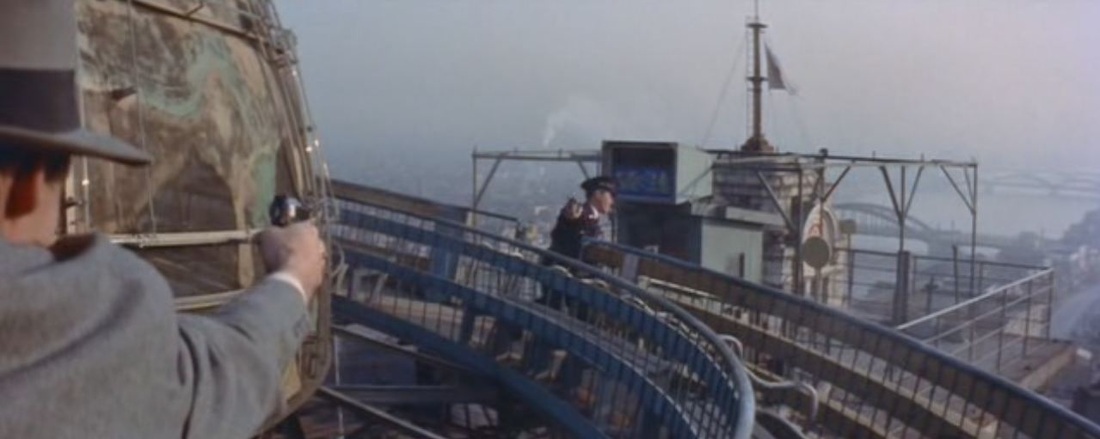 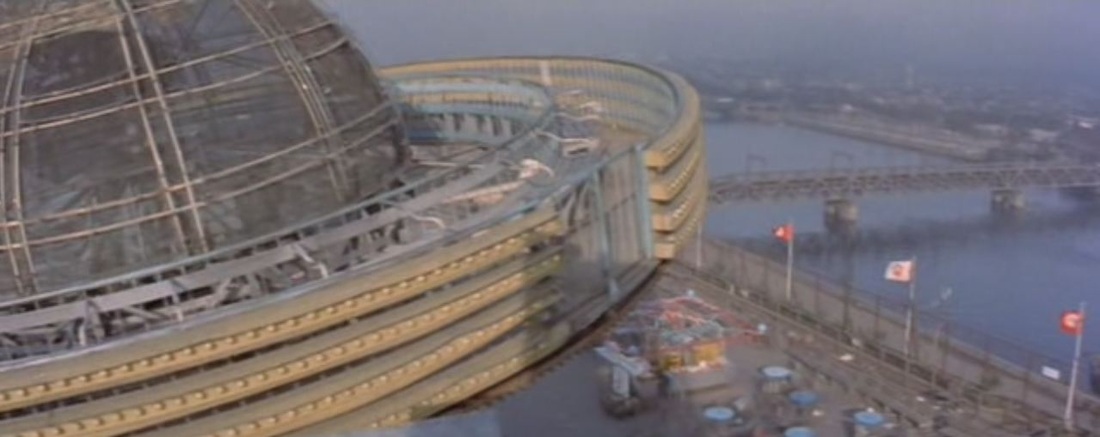 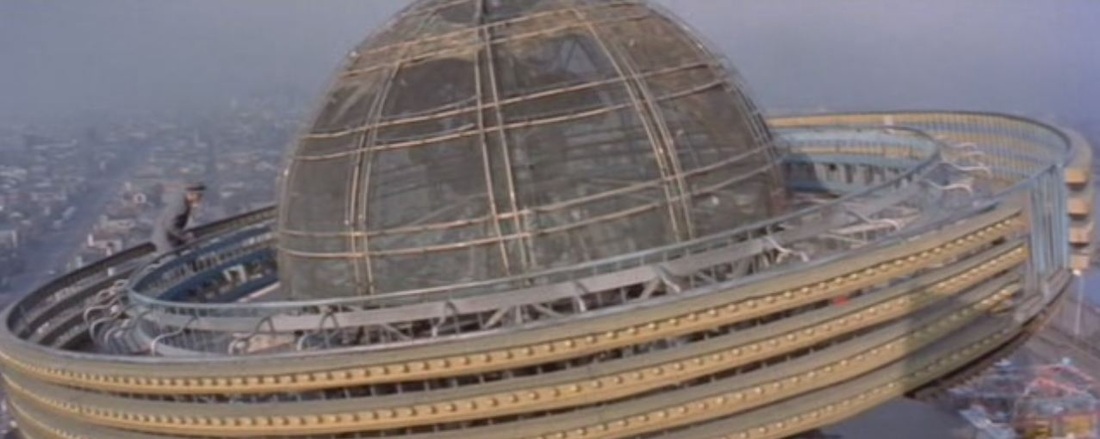 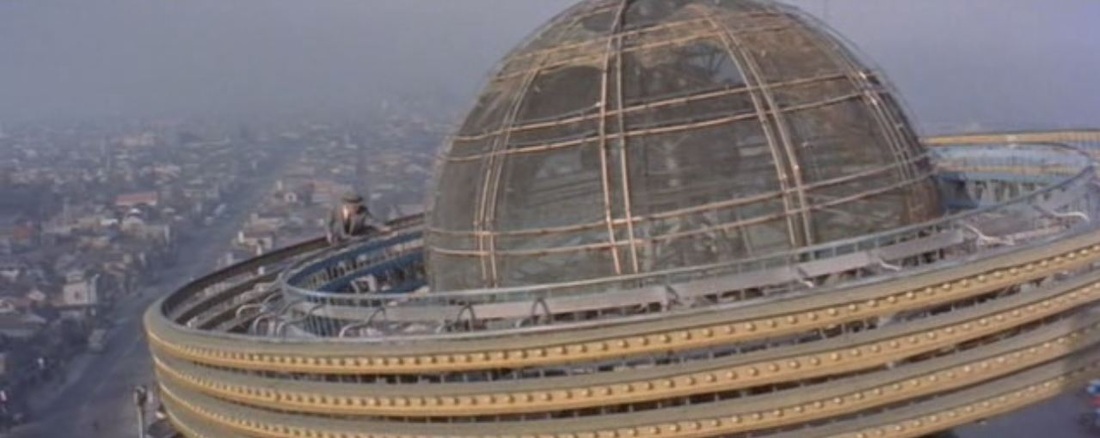 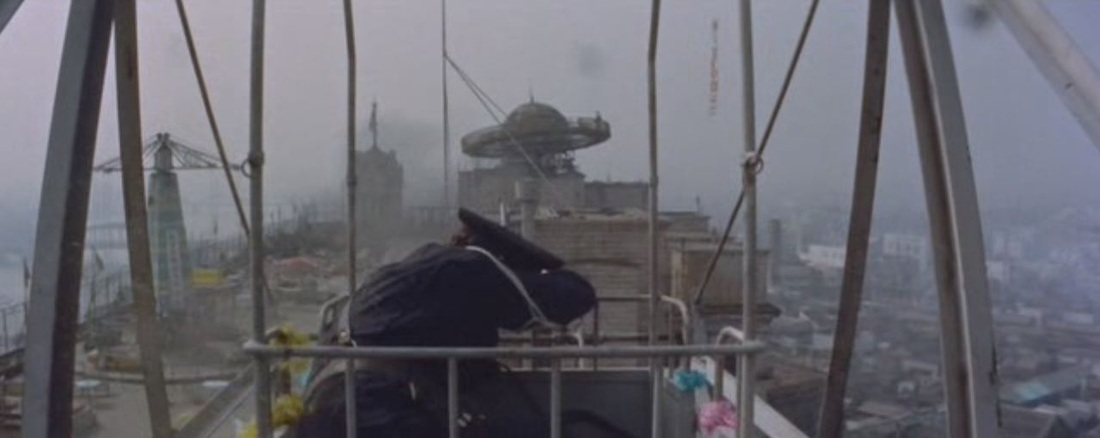 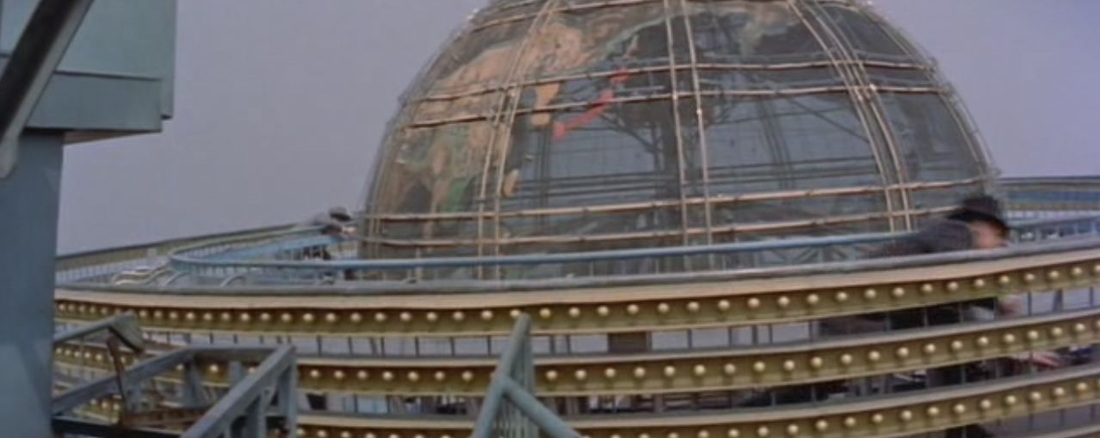 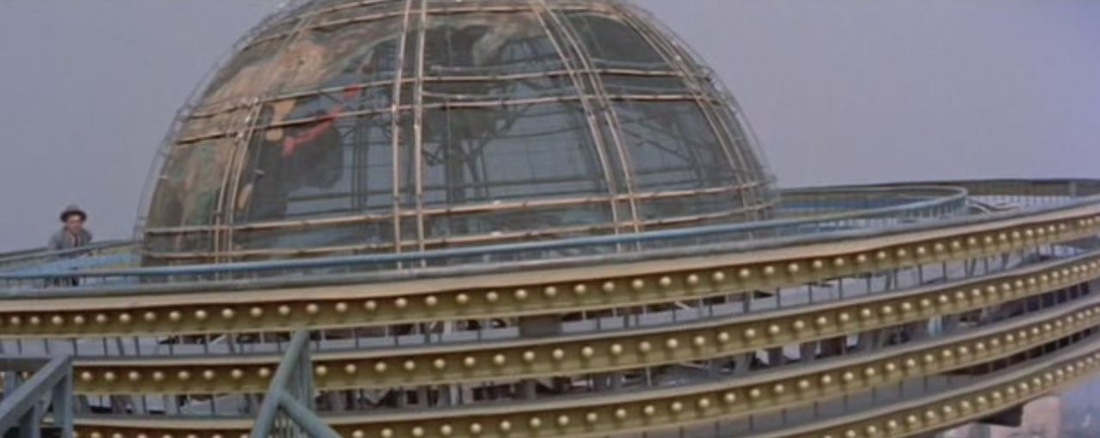 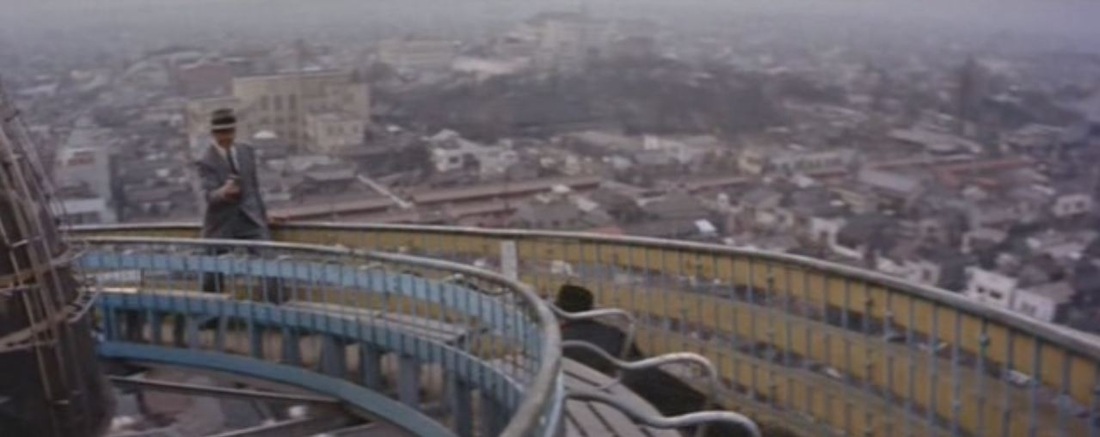 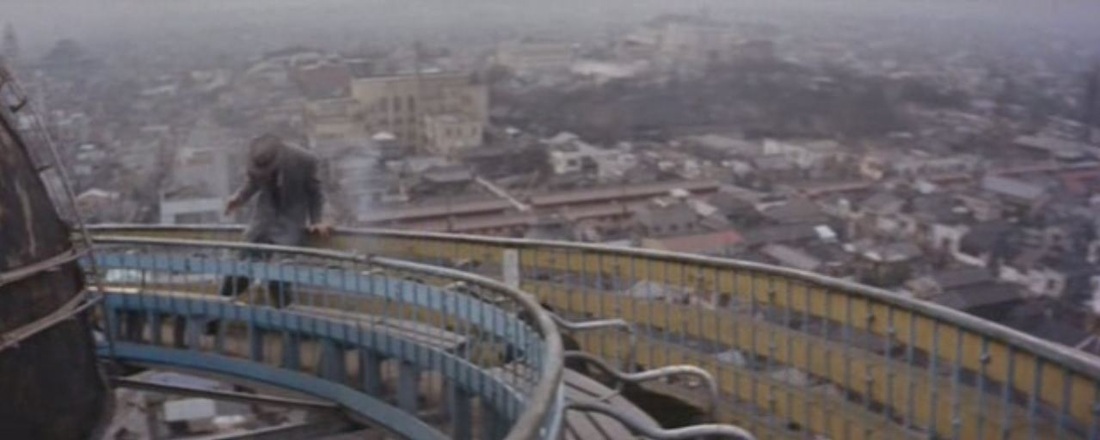 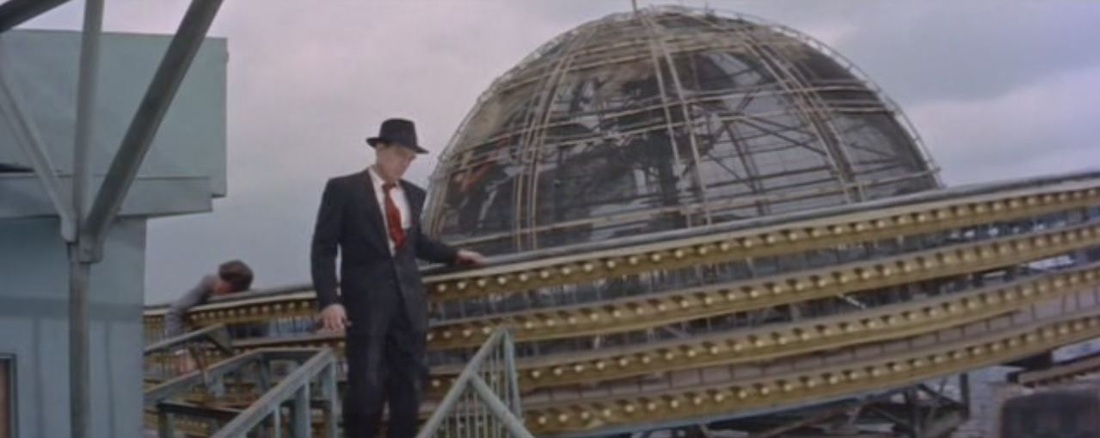 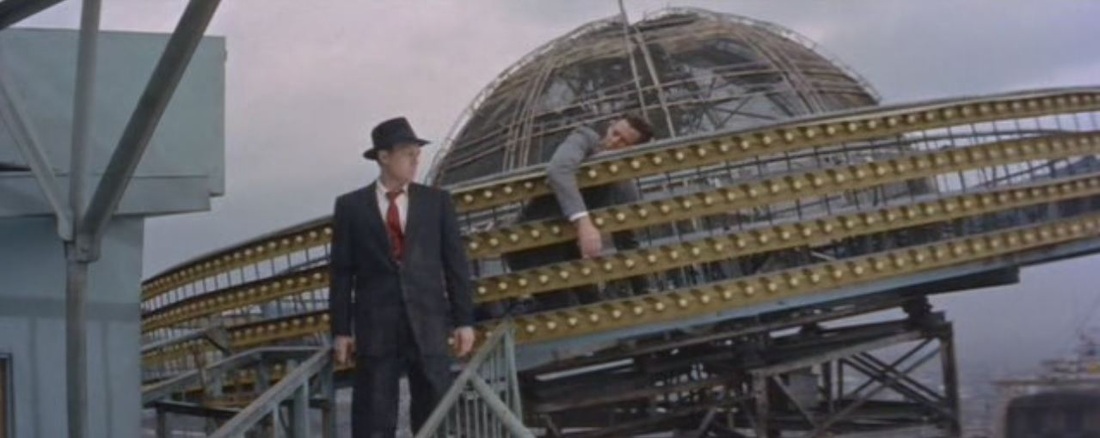 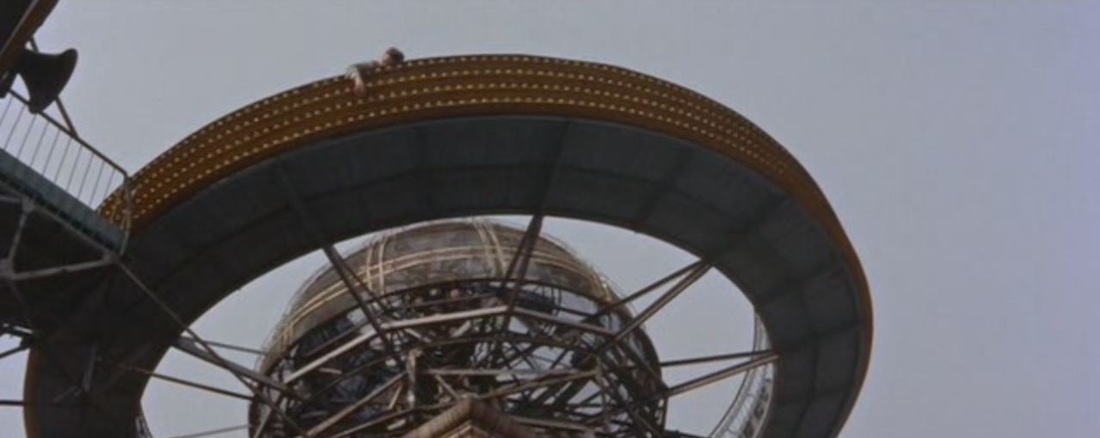 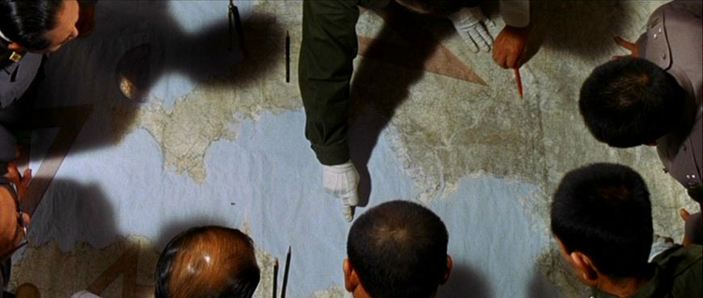 'And this was Brecht's notion of dialectic: to hold fast to the contradictions in all things, which make them change and evolve in time. But in Hegel, Contradiction then passes over into its Ground, into what I would call the situation itself, the aerial view or the map of the totality in which things happen and History takes place.'
Fredric Jameson, 'Notes on Globalization as a Philosophical Issue', in Fredric Jameson & Masao Miyoshi (eds), The Cultures of Globalization (Durham: Duke University Press, 1998), p.76. |